Choosing the Right Grinding Wheel for Your Needs

Get a Free Quote

Our representative will contact you soon.
Email
Mobile/WhatsApp
Name
Company Name
Country
Customer Type
Estimated Order Quantity
MOQ and Free Sample Policy
Message
0/1000

grinding wheel

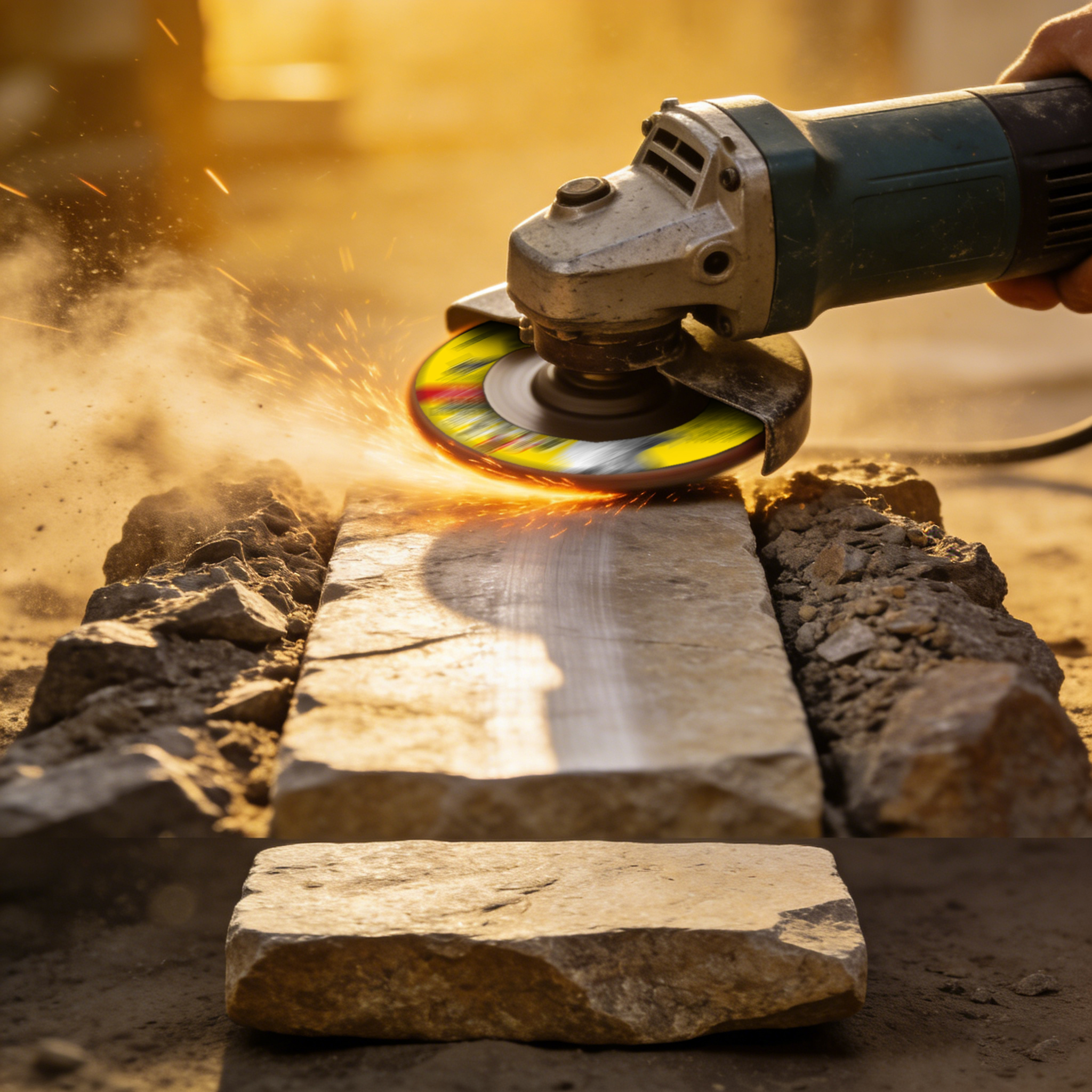
Grinding wheels are essential tools used in various industrial applications, providing a reliable method for shaping, grinding, and finishing materials. Selecting the right grinding wheel is crucial for achieving optimal performance, quality, and safety in your operations. Buyers often face concerns regarding material compatibility, specifications, and supplier reliability. This article will guide you in choosing the right grinding wheel for your project needs, sourcing high-quality suppliers, understanding key specifications, addressing common problems, and evaluating cost factors when purchasing wholesale.

Our Products

How to Choose the Right Grinding Wheel for Your Project Needs

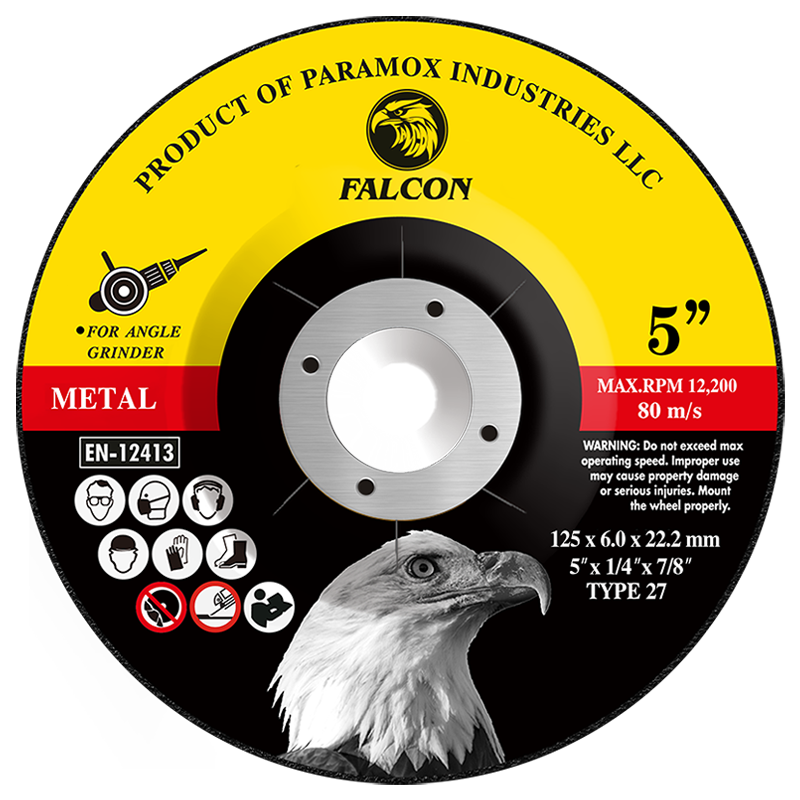
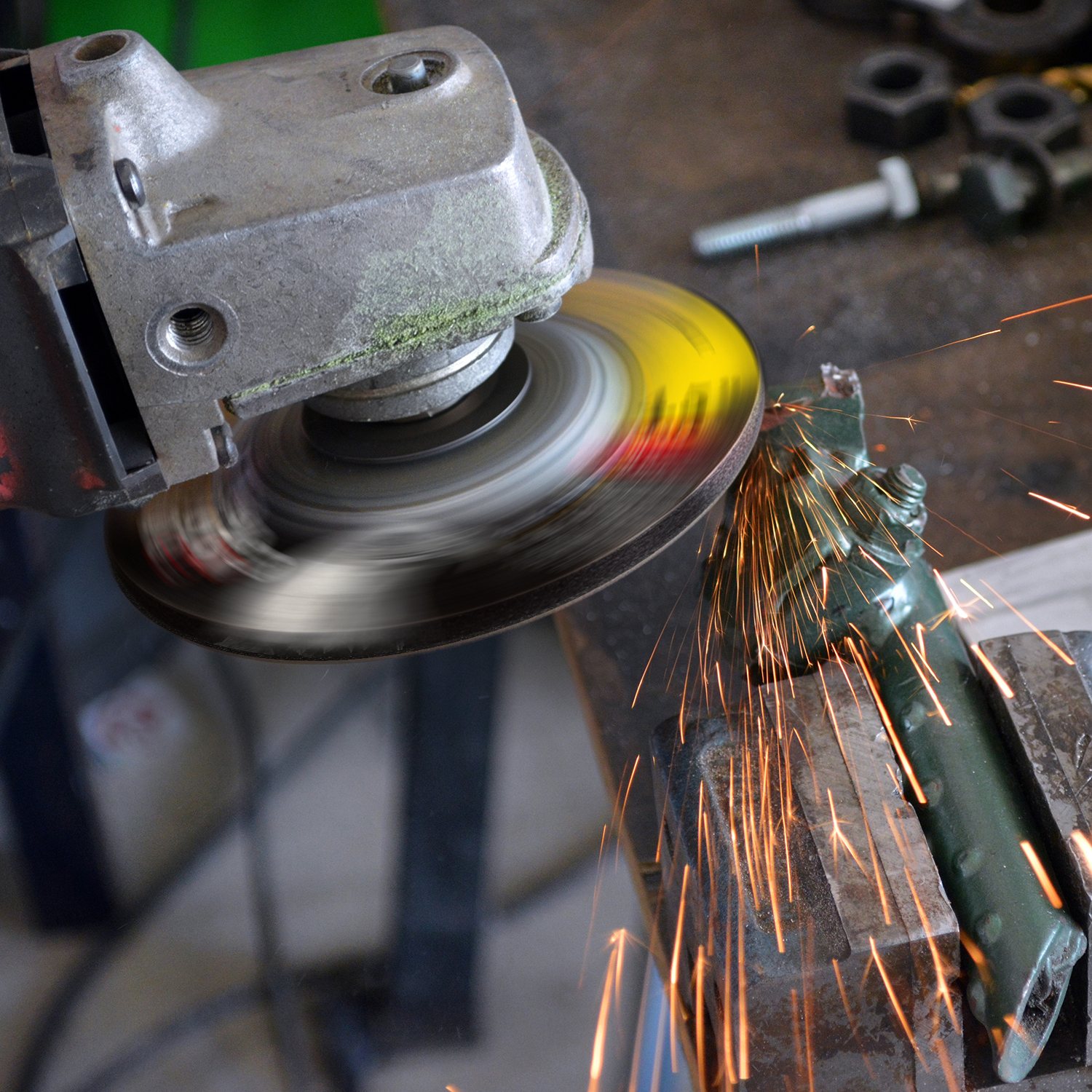
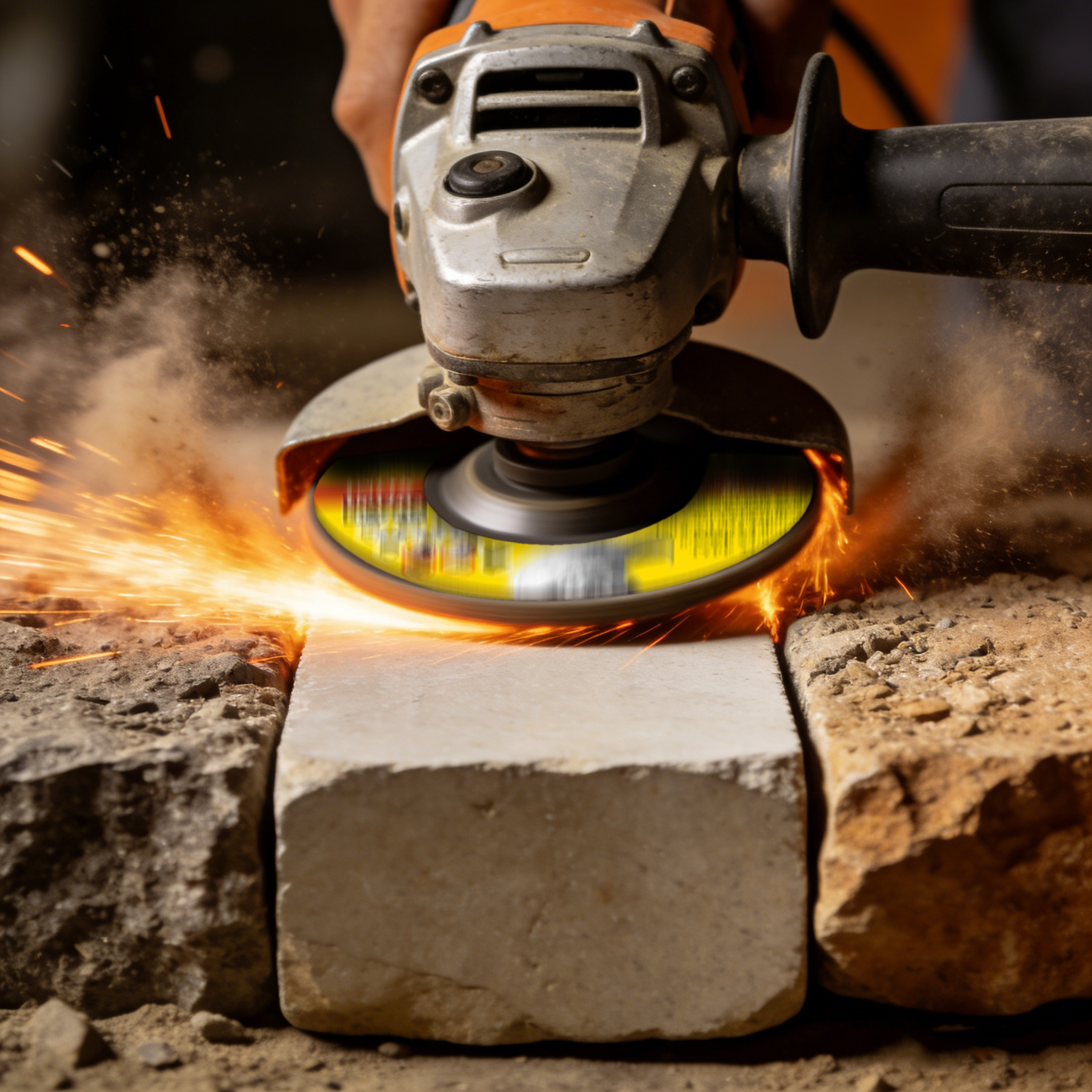
Choosing the right grinding wheel involves understanding the specific requirements of your project. Factors such as the material being machined, the type of grinding operation, and the desired finish all play a crucial role in selection. For instance, ceramic wheels are ideal for hard materials, while aluminum oxide wheels excel in general-purpose applications. Additionally, for stainless steel applications, consider using our Grinding Disc for Inox/stainless steel.

Additionally, consider the hardness of the wheel. Softer wheels wear faster but are more suitable for grinding softer materials, while harder wheels are ideal for harder materials but may require more pressure. The wheel's grit size also affects the surface finish: finer grits produce smoother finishes, while coarser grits are more aggressive but leave a rougher surface. Always align your choice with the specific application requirements to optimize performance.

Frequently Asked Questions

What materials are your grinding wheels made from?

Our grinding wheels use high-performance abrasives and bonded formulations designed for steel, cast iron, and other industrial metals to deliver long life and consistent performance.
We provide a full range of diameters, thicknesses, grit sizes and bond types, including cut-off, flap, and surface grinding wheels for diverse industrial applications.
Store wheels in a dry, temperature-stable area, avoid stacking, handle gently to prevent chips or cracks, and inspect before mounting.
Match grit, bond, hardness and wheel type to the material and operation—coarse grit for fast stock removal, fine grit for finishing; contact our technical team for recommendations.
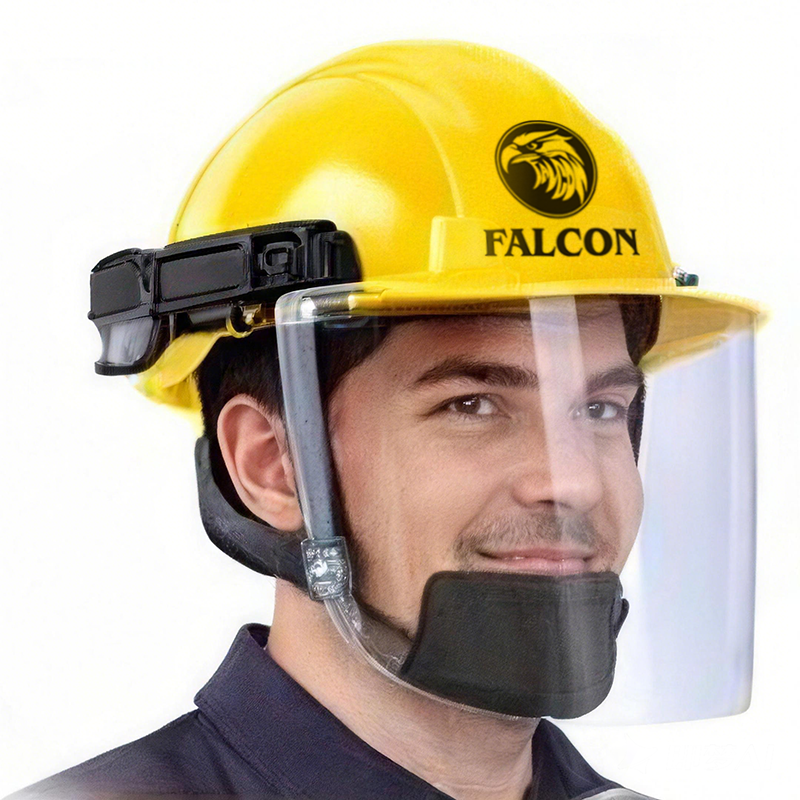
Always wear proper protective clothing and footwear, use guards and correct mounting, follow RPM limits, and perform ring tests and inspections before use.

Our Blog Posts

What is a flap disc used for?

11

Mar

What is a flap disc used for?

A flap disc is a versatile abrasive tool designed for grinding, blending, and finishing different types of surfaces. Commonly used with angle grinders, flap discs are made with multiple layers of abrasive cloth attached to a backing plate. These over...
View More
Notes on using cut-off wheels

17

Sep

Notes on using cut-off wheels

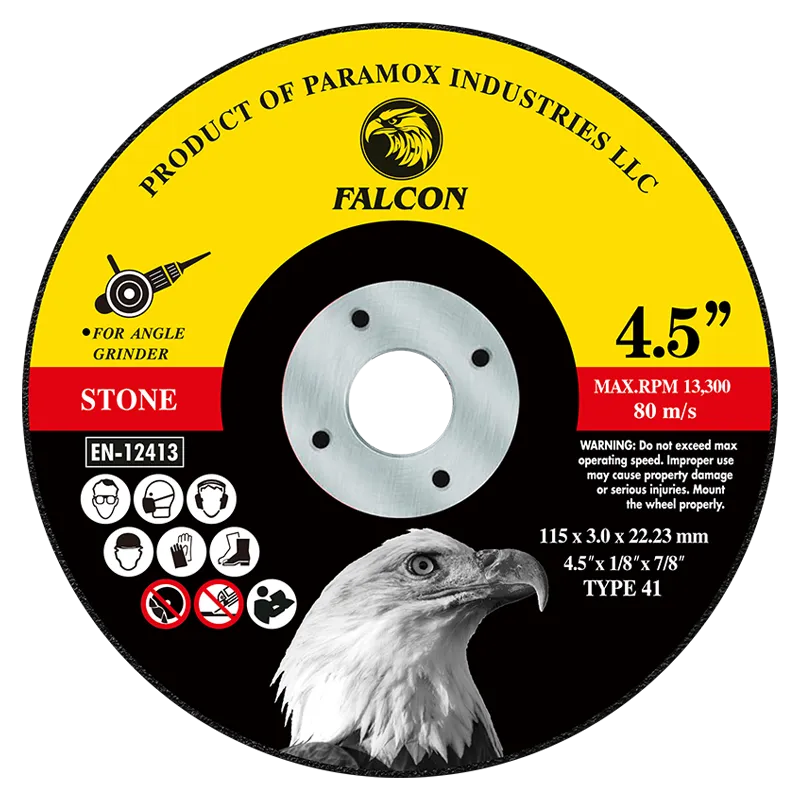
Cut-off wheels are indispensable tools across numerous industries. They are engineered to slice hard materials including metal, concrete, and stone. At Falcon Global, we fully understand how critical it is to select high-quality cut-off wheels for yo...
View More
Type 1 vs Type 27 Cut Off Wheel: Full Comparison

09

Oct

Type 1 vs Type 27 Cut Off Wheel: Full Comparison

A Abrasive wheels are essential tools in metal fabrication, construction, welding, maintenance and general industrial work. When selecting an abrasive wheel, users often focus on diameter, thickness, abrasive material and RPM. However, the wheel type...
View More
Class E, G, C Hard Hats: Electrical Safety Ratings

22

Jul

Class E, G, C Hard Hats: Electrical Safety Ratings

Hard hats are really important to keep workers safe, specially in places where things can fall on head or there is electrical danger. At Falcon Global, we understand that picking the correct Hard Hat make big difference. There is Class E, G, and C ha...
View More

Get a Free Quote

Our representative will contact you soon.
Email
Mobile/WhatsApp
Name
Company Name
Country
Customer Type
Estimated Order Quantity
MOQ and Free Sample Policy
Message
0/1000

Related product categories

Sourcing High-Quality Suppliers

Sourcing High-Quality Suppliers

When sourcing grinding wheels, it's essential to evaluate suppliers based on their manufacturing capabilities, quality control processes, and reputation in the industry. Look for suppliers who have experience in producing high-performance abrasive tools and can provide certifications that demonstrate compliance with industry standards.

Engage with potential suppliers to understand their production processes, including the types of materials they use and their quality inspection methods. A reliable supplier should also offer customization options to tailor products to your specific needs, such as varying dimensions or grit sizes. Requesting sample products can help you assess the quality and performance before making a bulk purchase. Moreover, ensure they offer options like Grinding Discs for Metal to meet diverse project requirements.

Key Specifications to Consider When Selecting Grinding Wheels

Key Specifications to Consider When Selecting Grinding Wheels

Key specifications for grinding wheels include abrasive material, wheel diameter, thickness, and bonding agent. Each specification impacts the wheel's performance and suitability for different applications:

Abrasive Material: Common materials include aluminum oxide, silicon carbide, and diamond. The choice depends on the material being worked on and the desired finish.

Wheel Diameter: Larger diameters may be more efficient for heavy-duty applications, while smaller wheels are suitable for precision work.

Thickness: Thicker wheels tend to be more durable and are ideal for heavy grinding tasks, while thinner wheels provide more precision for fine work.

Bonding Agent: The type of bond (resin, vitrified, or metal) affects the wheel's durability and performance. Resin bonds offer flexibility, while vitrified bonds provide stability.

Understanding these specifications allows buyers to select the right grinding wheel that meets both performance and safety standards for their specific applications.

Common Problems with Grinding Wheels and Practical Solutions

Common Problems with Grinding Wheels and Practical Solutions

Grinding wheels can face several issues, such as cracking, glazing, and loading. Here are some common problems and their solutions:

Cracking: Often caused by improper handling or stress during operation. To avoid this, ensure proper mounting and avoid excessive lateral pressure during use.

Glazing: This occurs when the wheel becomes smooth and ineffective due to heat buildup. Using the correct wheel for the material and ensuring adequate cooling can help prevent glazing.

Loading: This happens when abrasive particles from the material being ground clog the wheel’s surface. Using a coarser grit or a wheel designed specifically for the material can help mitigate this issue.

Regular maintenance and inspections can also identify issues before they escalate, ensuring consistent performance and prolonging the life of the grinding wheel.

Cost Factors to Consider When Purchasing Grinding Wheels Wholesale

When purchasing grinding wheels wholesale, several cost factors need to be considered. The price may vary based on the specifications, materials, and manufacturing processes involved. Here are some key factors to keep in mind:

Material Costs: The type of abrasive material significantly impacts the overall cost. Higher-quality materials will generally lead to better performance and longer life but may come at a premium.

Quantity Discounts: Many suppliers offer discounts for bulk purchases. Understanding your usage rates can help you negotiate better pricing.

Customization Fees: If you require specific dimensions or custom features, be aware that these modifications may incur additional costs.

Shipping and Handling: Factor in the costs associated with shipping, especially if you are sourcing from international suppliers. Ensure you understand the terms of delivery and any potential customs fees.

By considering these factors, buyers can make informed decisions and optimize their total cost of ownership when purchasing grinding wheels.

In summary, this guide provides essential insights into selecting the right grinding wheels for your industrial needs. Understanding the nuances of grinding wheel specifications, sourcing reliable suppliers, and addressing common issues will aid you in making informed purchasing decisions that align with your operational requirements.

Get a Free Quote

Our representative will contact you soon.
Email
Mobile/WhatsApp
Name
Company Name
Country
Customer Type
Estimated Order Quantity
MOQ and Free Sample Policy
Message
0/1000