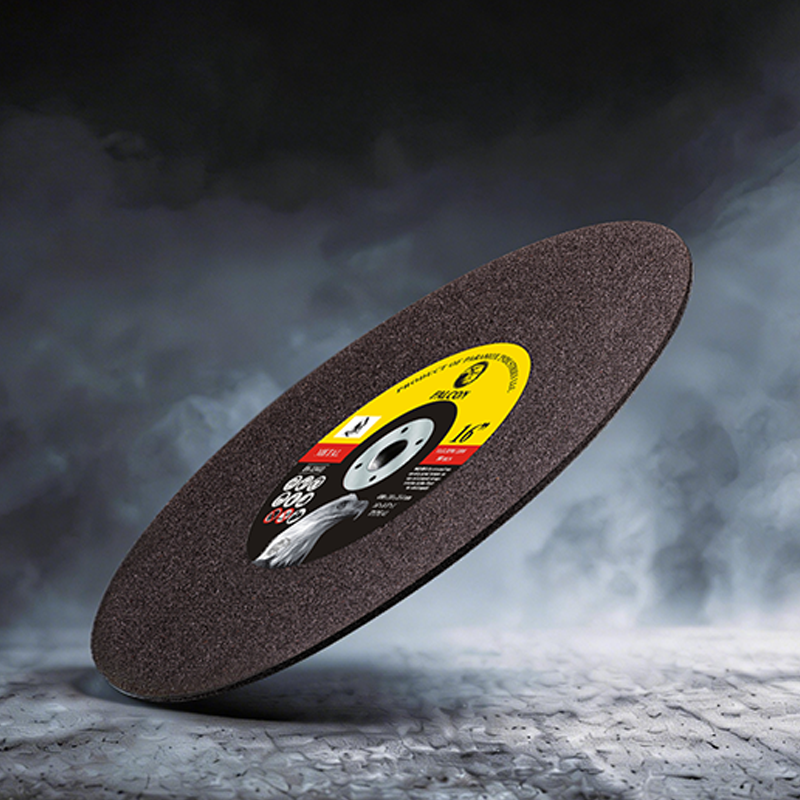
Choosing Cutting Wheels for Grinders Effectively

Get a Free Quote

Our representative will contact you soon.
Email
Mobile/WhatsApp
Name
Company Name
Country
Customer Type
Estimated Order Quantity
MOQ and Free Sample Policy
Message
0/1000

cutting wheels for grinder

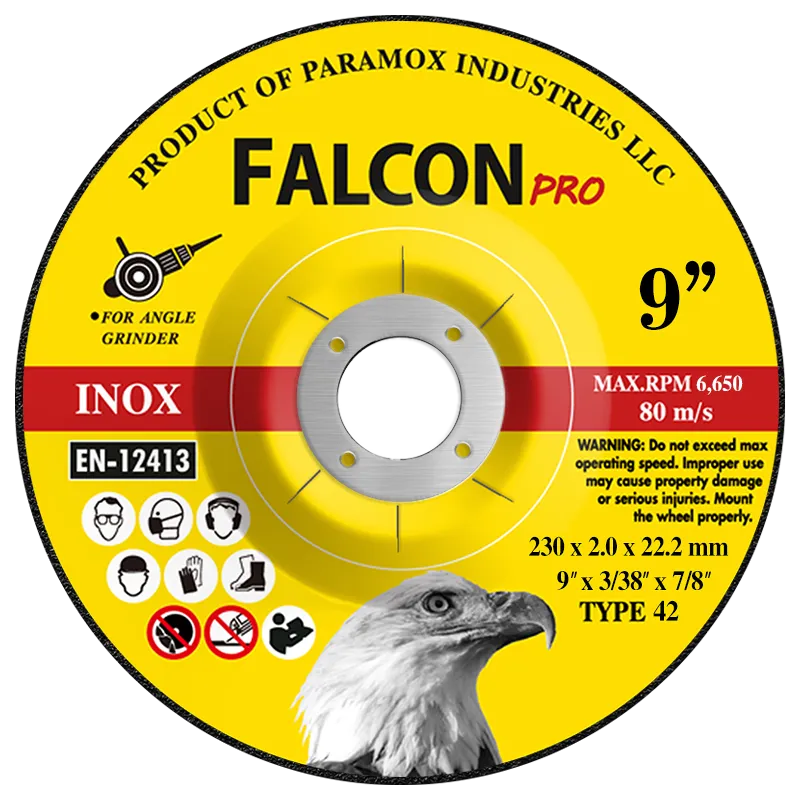
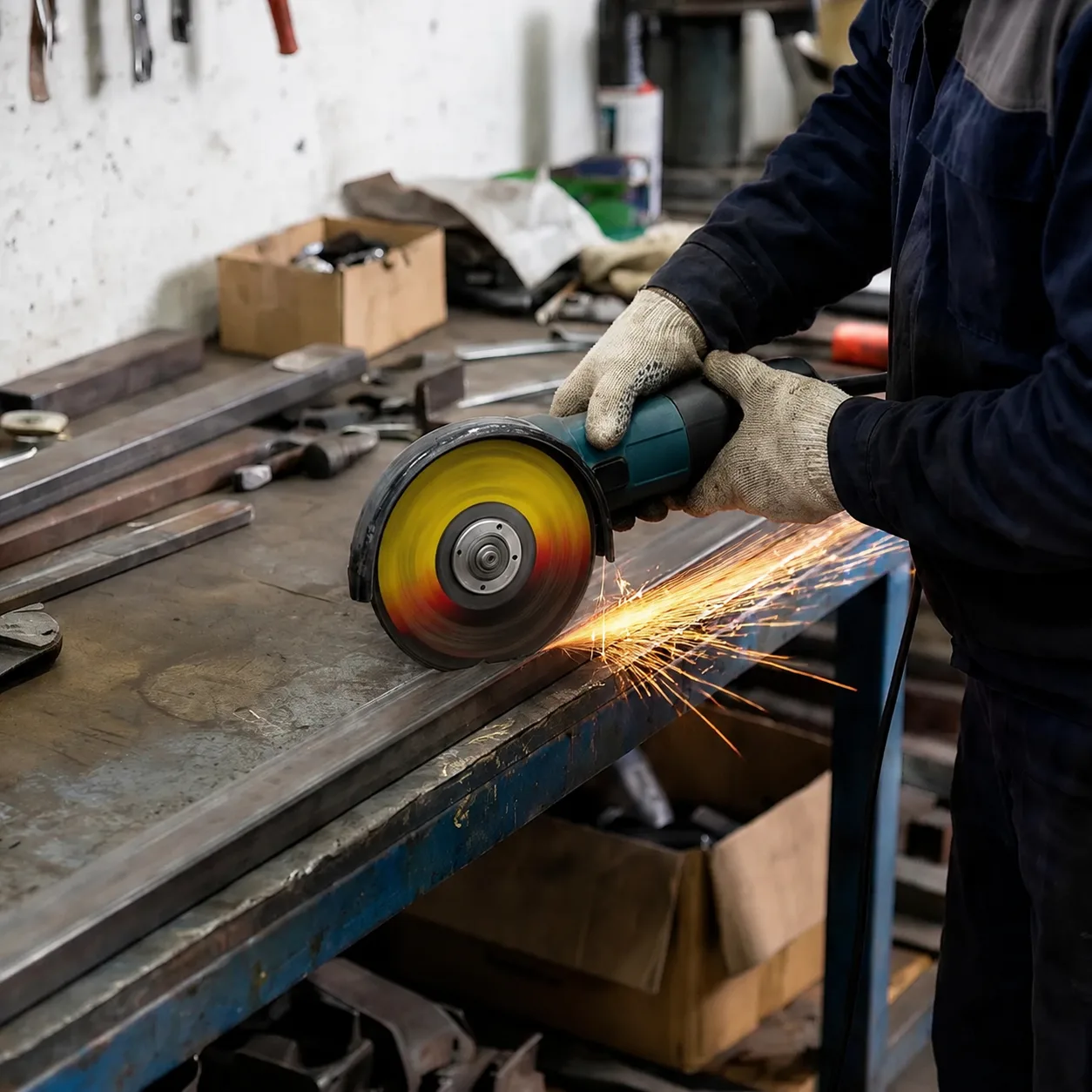
Choosing the right cutting wheels for your grinder applications is crucial for achieving optimal performance and efficiency in industrial tasks. Cutting wheels, specifically designed for grinders, are essential tools that help professionals in manufacturing, construction, and metalworking to cut through various materials with precision. As a B2B buyer, you may have concerns about material compatibility, performance specifications, pricing, and the overall quality of these abrasive tools. This article will provide insights into selecting the appropriate cutting wheels for your needs, ensuring your operations run smoothly and effectively.

Choosing the Right Cutting Wheels for Your Grinder Applications

When selecting cutting wheels for grinder applications, it is essential to consider the specific requirements of your projects. The type of material you will be cutting—whether it's metal, concrete, or other substances—will significantly influence your choice of cutting wheel. For instance, metalworking typically requires aluminum oxide or zirconia wheels for their durability and heat resistance, while diamond blades are more suitable for cutting hard materials like concrete or ceramic.

Additionally, the thickness of the cutting wheel plays a critical role in its performance. Thinner wheels offer faster cutting speeds but may wear out more quickly, whereas thicker wheels provide more durability and stability but at the cost of cutting speed. Always ensure that the cutting wheel you select is compatible with your grinder's speed and specifications to avoid safety issues and achieve optimal cutting performance.

Frequently Asked Questions

What materials are these cutting wheels suitable for?

Falcon Global cutting wheels are engineered for metal cutting including steel, stainless steel, and iron, as well as some non-ferrous metals, using high-performance abrasives for industrial applications.
We offer a range of diameters and thicknesses to fit standard grinders, from thin discs for precision cuts to thicker wheels for heavy-duty applications. Contact us for specific size availability.
Store wheels flat in a dry, temperature-stable area, avoid impacts, inspect before use for cracks, and follow recommended speed ratings and mounting procedures to ensure safety.
Each wheel is rated with a maximum RPM printed on the label; never exceed this rating. Use a wheel matched to your grinder's speed and follow all safety guidelines.
Yes. Falcon Global recommends using protective clothing, gloves, eyewear, and footwear designed for industrial grinding to reduce risk and ensure compliance with safety standards.

Our Blog Posts

Notes on using a flap disc

25

Jun

Notes on using a flap disc

Flap discs are indeed helpful in metal finishing work. They are constructed using numerous layers of sandpaper fastened together, but in a fan shape. These discs are made to grind, polish and smooth metallic surfaces to make them shiny. These are use...
View More
Best Flap Disc for Grinding Welds Cleanly

01

May

Best Flap Disc for Grinding Welds Cleanly

Weld grinding is an essential step in metal fabrication, repair work, and surface finishing. After welding, uneven weld beads, sharp edges, and excess material often need to be removed to achieve a smooth and professional surface. Choosing the best f...
View More
When to replace cut off wheel

28

Sep

When to replace cut off wheel

Cut-off wheels are essential tools for many applications, particularly in construction and metalworking. They are designed to make clean cuts through hard materials such as metal and concrete. However, cut-off wheels gradually wear with repeated use ...
View More
What types of hard hats are there?

23

May

What types of hard hats are there?

Hard hats are very important safety thing in many work places, like construction areas, factories and warehouses. They protect workers head from injuries by falling objects, bumps or even electric shocks. There is different types of hard hats made fo...
View More

Get a Free Quote

Our representative will contact you soon.
Email
Mobile/WhatsApp
Name
Company Name
Country
Customer Type
Estimated Order Quantity
MOQ and Free Sample Policy
Message
0/1000

Related product categories

Key Specifications to Consider When Selecting Cutting Wheels

Key Specifications to Consider When Selecting Cutting Wheels

Understanding the key specifications of cutting wheels is crucial for making an informed purchase. Here are the primary factors to consider:

Material Composition: The material used in the cutting wheel affects its cutting capabilities and lifespan. For example, aluminum oxide wheels are excellent for cutting steel, while silicon carbide wheels are more effective for non-ferrous materials.

Diameter and Thickness: The diameter of the cutting wheel must match the grinder's specifications. Common diameters range from 4 to 14 inches, while thickness typically varies from 0.045 to 0.125 inches. A thicker wheel will provide more stability, while a thinner wheel will cut faster.

Bond Type: The bond type affects the wheel's performance and application. Resin bonds are common for general-purpose cutting, while vitrified bonds are suited for high-temperature applications. Understanding your application will guide you in selecting the appropriate bond.

Speed Rating (RPM): Each cutting wheel has a maximum RPM (revolutions per minute) rating, which should align with the grinder's speed. Exceeding this rating can lead to wheel failure and pose safety risks.

Application-Specific Features: Some cutting wheels come with additional features such as reinforced edges for improved safety or specialized coatings to enhance performance on specific materials.

By understanding these specifications, you can better match cutting wheels to your specific applications.

Understanding Cost Factors for Wholesale Cutting Wheels Purchases

Understanding Cost Factors for Wholesale Cutting Wheels Purchases

When purchasing cutting wheels in bulk, several cost factors come into play. Firstly, the type of material used in the cutting wheels significantly impacts pricing; more specialized materials like diamond or CBN (cubic boron nitride) will generally incur higher costs compared to standard aluminum oxide wheels.

Secondly, the volume of your order can also affect pricing. Many suppliers, including FALCON GLOBAL / TOOLS SAFETY, offer discounts for larger orders, which can lead to cost savings for businesses purchasing cutting wheels in bulk. Additionally, consider lead times, as expedited orders may incur additional fees.

Lastly, shipping and handling charges should be factored into your total cost. Understanding these cost components will help you budget effectively and make informed purchasing decisions.

Evaluating the Quality of Cutting Wheels for Industrial Use

Evaluating the Quality of Cutting Wheels for Industrial Use

Quality is paramount when selecting cutting wheels for industrial applications. A high-quality cutting wheel should provide consistent performance, durability, and safety. Here are key aspects to evaluate:

Manufacturing Standards: Ensure that the cutting wheels adhere to industry standards such as ISO or ANSI. These certifications indicate that the products have undergone rigorous testing and meet safety and performance benchmarks.

Material Quality: The grade of the materials used in the cutting wheel influences its performance. Higher-grade materials generally lead to better cutting efficiency and longevity.

Quality Control Processes: Inquire about the manufacturer’s quality control measures. A reputable manufacturer will have strict quality assurance procedures in place, including testing for dimensional accuracy, balance, and safety.

User Feedback: Reviews and testimonials from other industrial users can provide valuable insights into the performance and reliability of specific cutting wheels. Look for feedback regarding wear rates, cutting speed, and overall satisfaction.

By focusing on these quality indicators, you can ensure that you’re investing in cutting wheels that will meet your operational demands.

Best Applications for Cutting Wheels

Cutting wheels are versatile tools used across various industries. Here are some of the best applications:

Metal Fabrication: In metalworking, cutting wheels are primarily used to cut steel, stainless steel, and aluminum. Choosing the right wheel for each metal type is essential for achieving clean cuts and minimizing burrs.

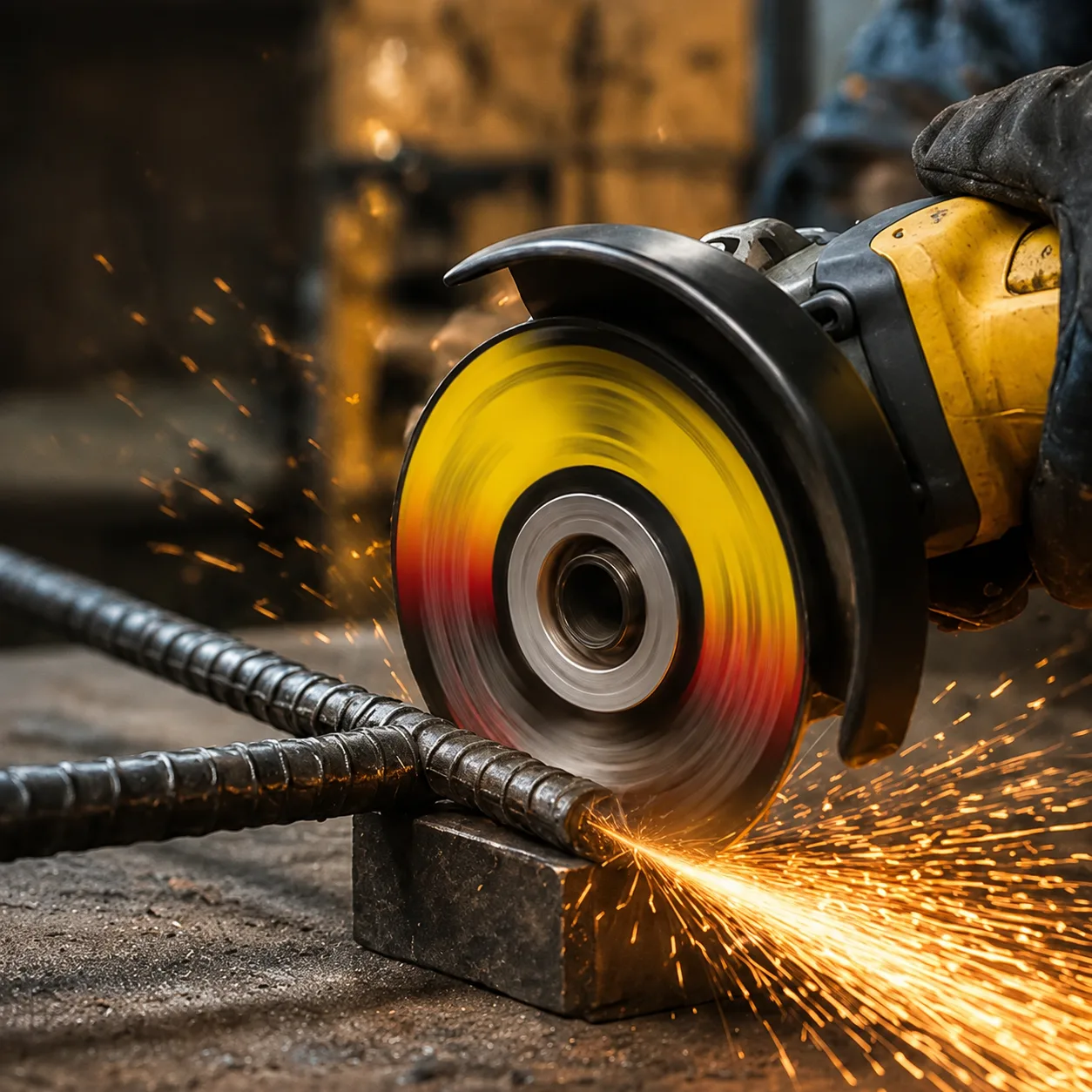
Construction: For construction tasks, cutting wheels are effective for cutting rebar, metal studs, and other structural components. They are also used for cutting through masonry and concrete when utilizing diamond blades.

Automotive Repairs: In automotive applications, cutting wheels assist in cutting metal parts and removing rusted or damaged components. The right cutting wheel can significantly improve repair efficiency.

Aerospace and Defense: Precision cutting is vital in the aerospace industry, where cutting wheels are used for composite materials and high-strength alloys.

Electrical and HVAC Applications: These wheels are also used to trim and cut pipes and ducts in electrical and HVAC installations, showcasing their versatility across various trades.

Understanding these applications will help you select cutting wheels that align with your specific industrial needs and enhance productivity.

Get a Free Quote

Our representative will contact you soon.
Email
Mobile/WhatsApp
Name
Company Name
Country
Customer Type
Estimated Order Quantity
MOQ and Free Sample Policy
Message
0/1000