Choosing High-Quality Cut Off Wheels for Your Needs

Get a Free Quote

Our representative will contact you soon.
Email
Mobile/WhatsApp
Name
Company Name
Country
Customer Type
Estimated Order Quantity
MOQ and Free Sample Policy
Message
0/1000

cut off wheel

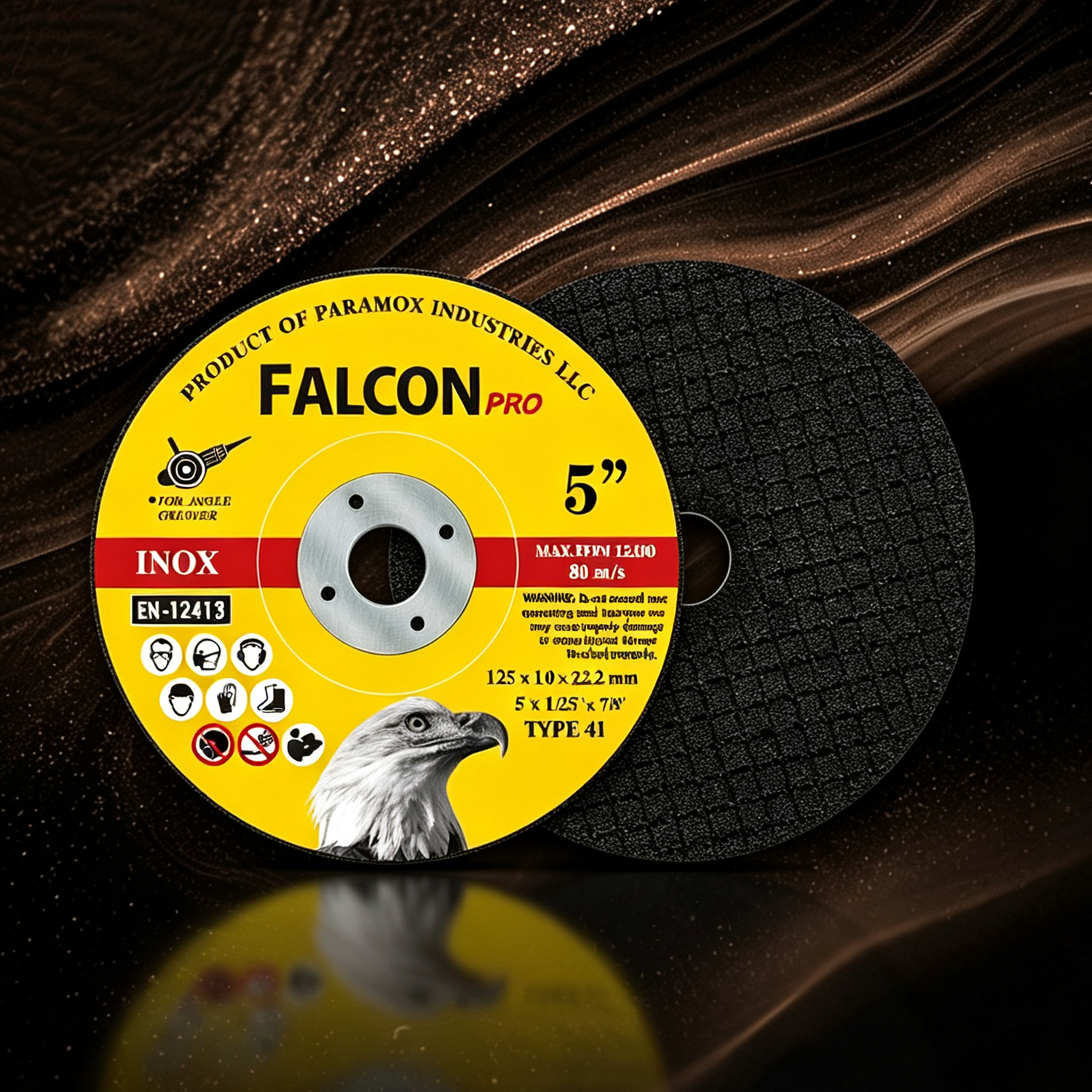
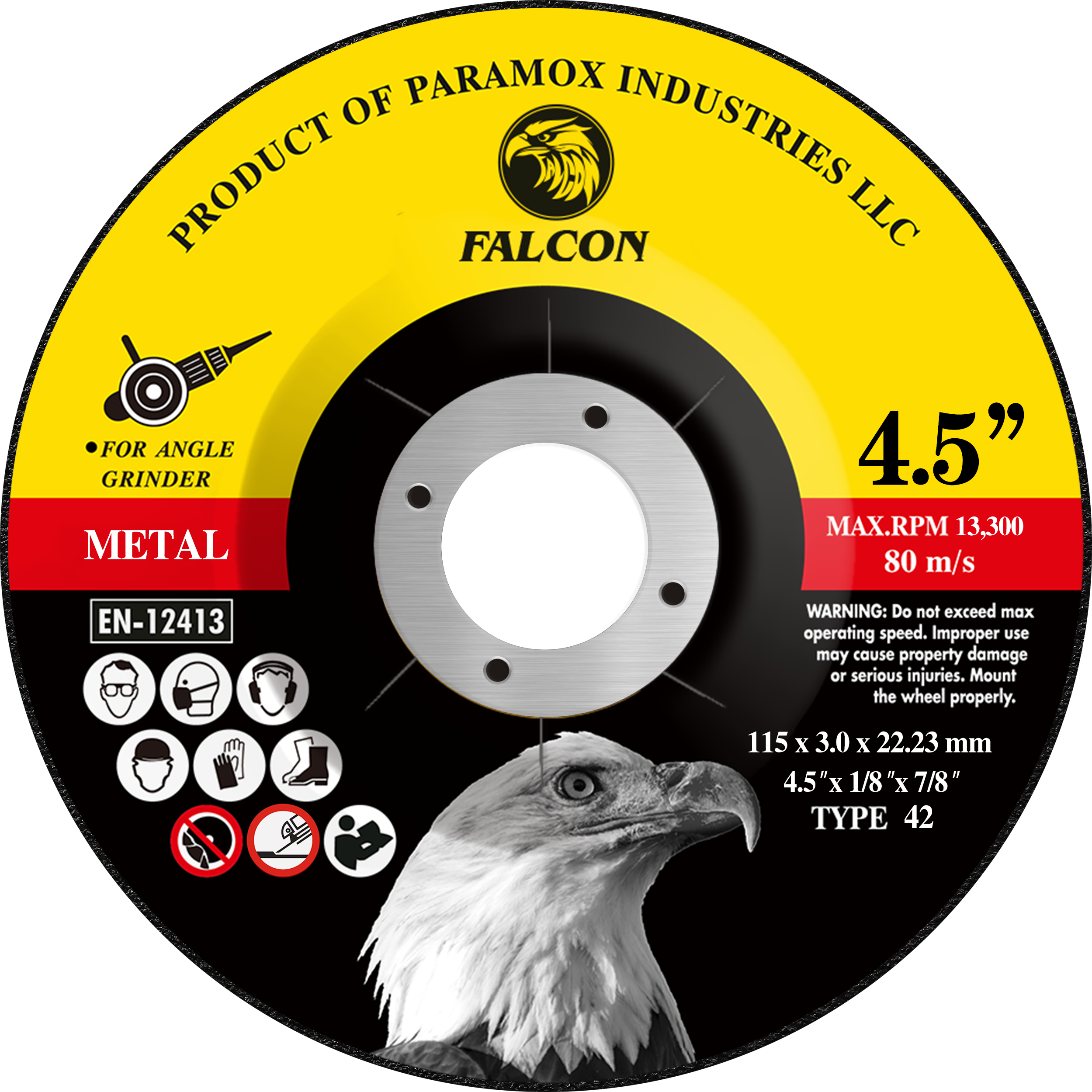
Understanding cut off wheels is essential for purchasing managers, engineers, and other professionals involved in industrial applications. These specialized abrasive tools are designed for cutting through various materials, and their performance can significantly impact productivity and safety in the workplace. This article will help you navigate the key specifications, quality considerations, and optimal usage of cut off wheels, ensuring you make informed decisions when sourcing these critical tools.
What to Consider When Choosing Cut Off Wheels for Your Projects

When evaluating cut off wheels, several specifications are critical to ensuring that they meet your operational needs. Key specifications include:

Diameter: The diameter of the cut off wheel affects the depth of cut and the speed at which you can operate. Common sizes range from 4 inches to 14 inches. Larger wheels can handle more extensive materials but may not be suitable for more intricate tasks.

Thickness: The thickness of the wheel influences its cutting ability and durability. Thinner wheels (often around 1/16 inch) provide faster cuts and reduced material loss but may wear out more quickly. Thicker wheels (up to 1/4 inch) are more durable but can generate more heat and require more power to use.

Material Composition: Cut off wheels can be made from various materials, including aluminum oxide, silicon carbide, and diamond. The material affects the wheel's performance on specific substrates; for instance, diamond wheels are ideal for cutting hard materials like concrete and stone.

Bonding Agent: The bonding agent used in the wheel affects its resilience and cutting performance. Resin bonds offer flexibility and speed, while vitrified bonds provide durability and heat resistance.

RPM Rating: Each cut off wheel will have a maximum RPM rating, which must not be exceeded to ensure safety and performance. Always match the wheel to your equipment specifications.

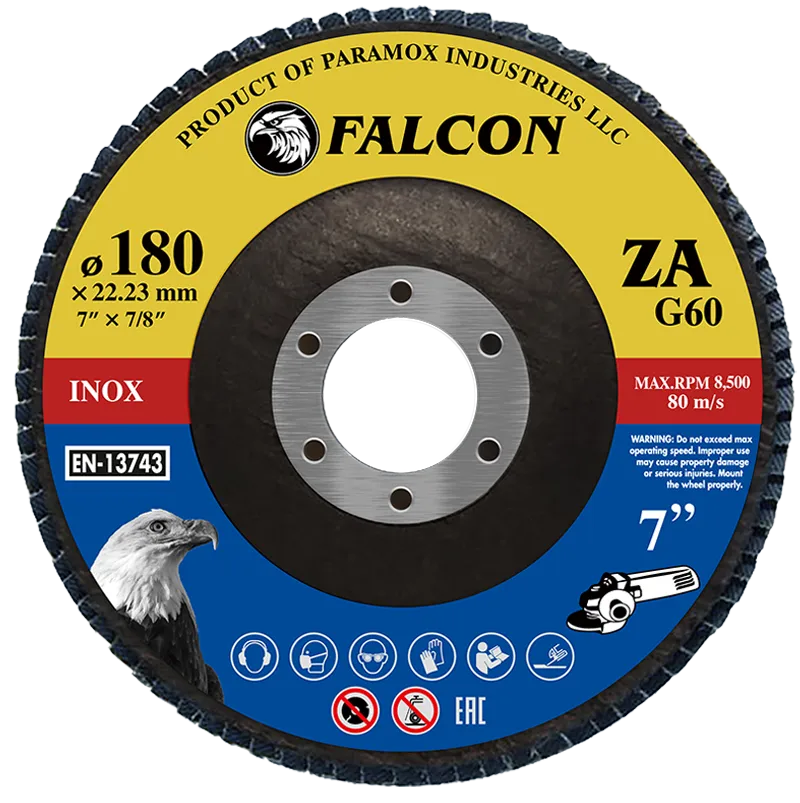
Understanding these specifications allows buyers to select the appropriate cut off wheels tailored to their specific applications, ensuring optimal performance and safety during use. For instance, using Grinding Disc for Inox/stainless steel can provide the necessary precision when working with stainless materials.

Frequently Asked Questions

What materials can this cut off wheel cut?

Our cut off wheel is designed for ferrous and non-ferrous metals, including steel, stainless steel, aluminum, and cast iron, as well as some hard plastics used in industrial applications.
Falcon offers a range of diameters and thicknesses to suit industrial cutters and angle grinders; contact sales for specific catalogue sizes and custom options to match equipment and cut requirements.
Follow rated speed limits, use proper guards and PPE, inspect for cracks before use, mount securely on compatible machines, and follow company safety guidelines for grinding and cutting operations.
Lifespan depends on material, feed rate, and machine speed; under typical industrial conditions our high-performance wheels offer extended service life compared to standard abrasives.
Yes. We provide custom abrasive grades and bonding formulations to optimize cutting performance for specific materials and applications—contact our technical sales for specifications.

Our Blog Posts

Flap Disc vs Fiber Disc: Whats the Difference?

22

Apr

Flap Disc vs Fiber Disc: Whats the Difference?

When it comes to metal grinding and surface finishing, choosing the right abrasive tool can significantly impact work efficiency, surface quality, and overall project results. Two of the most commonly used options are flap discs and fiber discs. Alth...
View More
How to choose high-quality resin-bonded cut-off wheels

10

Sep

How to choose high-quality resin-bonded cut-off wheels

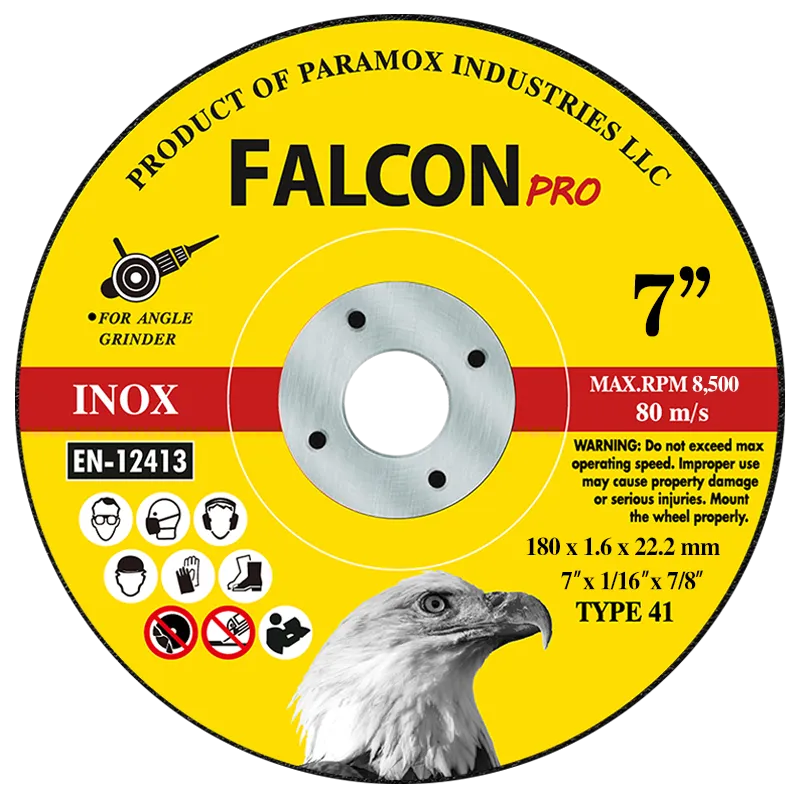
Choosing the right cut-off wheels can greatly impact the efficiency of your projects. Resin-bonded cut-off wheels remain widely popular for a host of practical benefits. They deliver clean cuts across multiple materials including metal, concrete and ...
View More
How to choose the right hard hat?

04

May

How to choose the right hard hat?

Choosing the right hard hat is really important, specially if you work in places full of dangers like construction site or factories. It protect your head from falling things, bumps and also electrical shock. When you looking for one, you should cons...
View More
Class E, G, C Hard Hats: Electrical Safety Ratings

22

Jul

Class E, G, C Hard Hats: Electrical Safety Ratings

Hard hats are really important to keep workers safe, specially in places where things can fall on head or there is electrical danger. At Falcon Global, we understand that picking the correct Hard Hat make big difference. There is Class E, G, and C ha...
View More

Get a Free Quote

Our representative will contact you soon.
Email
Mobile/WhatsApp
Name
Company Name
Country
Customer Type
Estimated Order Quantity
MOQ and Free Sample Policy
Message
0/1000

Related product categories

Where to Find Reliable Suppliers of High-Quality Cut Off Wheels

Where to Find Reliable Suppliers of High-Quality Cut Off Wheels

When sourcing cut off wheels, consider the following factors to ensure you select high-quality products:

Quality Standards: Look for wheels that meet relevant industry standards, such as ANSI (American National Standards Institute) or ISO (International Organization for Standardization). Compliance with these standards often indicates a commitment to quality and safety.

Performance Testing: Ensure that the manufacturer conducts thorough performance testing on their products. This includes endurance tests and evaluations under different cutting conditions. Manufacturers like Falcon Global/Tools Safety often provide performance data to validate their products.

Packaging and Handling: Consider how the cut off wheels are packaged. Proper packaging can prevent damage during transport and storage. Look for packaging that safeguards the wheels against moisture and physical impacts.

Customization Options: Depending on your specific needs, you may require customized wheels. Ensure the supplier offers options for custom sizes, thicknesses, or materials.

Supplier Reputation: Research the supplier's reputation in the market. Suppliers with experience in manufacturing high-performance abrasive tools, like Falcon Global, often have established quality control processes and customer support.

By focusing on these aspects, you can identify cut off wheels that will deliver reliability and efficiency in your operations. Furthermore, consider using Cutting-off Discs for Metal for enhanced performance in various applications.

Cost Savings on Cut Off Wheels for Distributors

Cost Savings on Cut Off Wheels for Distributors

Finding reliable suppliers for cut off wheels is crucial for maintaining operational efficiency. Here are some avenues to explore:

Direct Manufacturers: Sourcing directly from manufacturers, such as Falcon Global/Tools Safety, can provide you with high-quality products at competitive prices. Direct relationships also facilitate better communication regarding specifications and customization.

Wholesale Distributors: Established distributors often carry a range of products and can provide valuable insights into the best options for your industry. They may also offer bulk purchasing discounts and faster delivery times.

Industry Trade Shows: Participating in trade shows allows you to meet suppliers face-to-face, evaluate their product offerings, and gain first-hand knowledge of new technologies and applications in the cut off wheel market.

Online Marketplaces: While online marketplaces can offer convenience, ensure the supplier has a solid reputation and positive reviews. Look for suppliers that provide detailed product specifications and customer support.

Professional Networks: Engaging with industry professionals through forums, social media, or professional networks can provide recommendations for trusted suppliers and insights into their experiences with various products.

By leveraging these channels, you can effectively source high-quality cut off wheels that meet your operational requirements.

Installation Guidance for Efficient Use of Cut Off Wheels

Installation Guidance for Efficient Use of Cut Off Wheels

Proper installation and usage of cut off wheels are essential for safe and effective operation. Here are some key guidelines:

Equipment Compatibility: Ensure that the cut off wheel is compatible with your cutting equipment. Check the RPM rating on the wheel and match it to the specifications of your grinder or cutting machine.

Mounting Techniques: Follow the manufacturer's instructions for mounting the wheel. It's crucial to ensure the wheel is securely attached and properly aligned to avoid imbalance during operation.

Safety Gear: Always wear appropriate personal protective equipment (PPE), including safety glasses, gloves, and hearing protection, to safeguard against flying debris and noise.

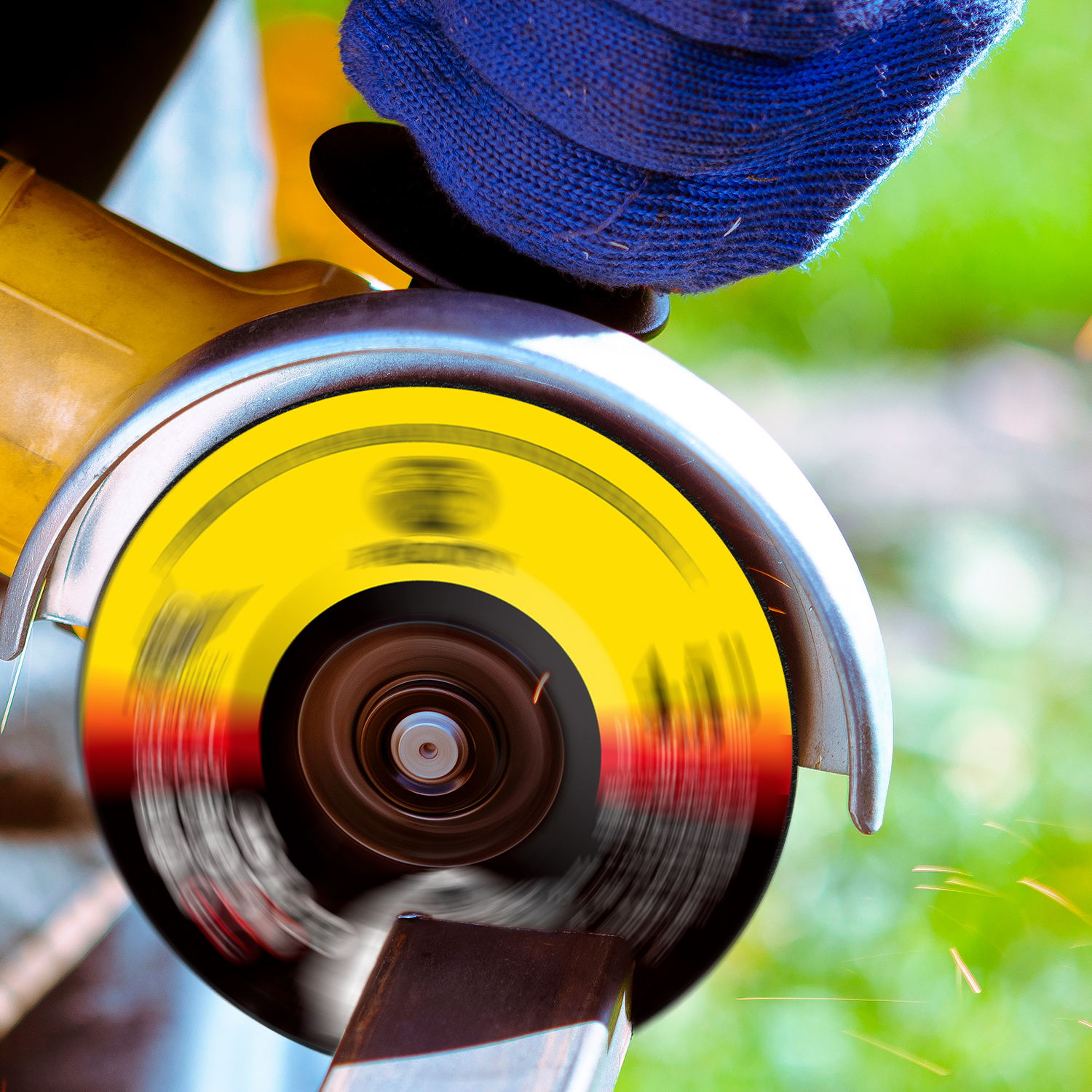
Cutting Techniques: Use a steady, even pressure when cutting. Avoid forcing the wheel through the material, as this can lead to excess wear or damage. Maintain a consistent feed rate to optimize cutting efficiency.

Post-Use Care: After use, inspect the cut off wheel for signs of wear or damage. Proper storage in a dry environment can extend the life of the wheels and ensure they are ready for future use.

By adhering to these guidelines, users can maximize the performance and lifespan of cut off wheels while ensuring workplace safety.

How Material Selection Impacts the Performance of Cut Off Wheels

Despite their robust design, cut off wheels can encounter issues that may affect performance. Here are some common problems and their solutions:

Excessive Wear: If a cut off wheel wears out too quickly, it may indicate that the wrong type of wheel is being used for the material. Always verify that you are using the appropriate wheel composition for the specific material being cut.

Chattering or Vibration: This can occur if the wheel is not mounted correctly or if the tool is not suitable for the wheel. Re-check the mounting process and ensure that the tool's RPM matches the wheel's specifications.

Burning of Material: Excessive heat generation can lead to burning of the material being cut. This is often due to using a wheel that is too thick for the task or applying too much pressure. Adjust the wheel thickness or cutting technique to minimize heat buildup.

Cracking or Breakage: Wheels may crack if they are not handled or stored properly. Always ensure that wheels are kept in a safe environment and check them for damage before use.

Inconsistent Cuts: If cuts are not uniform, it may be due to dull blades or improper feed rates. Regularly inspect the wheels and replace them as needed to maintain consistent cutting quality.

By proactively addressing these common issues, users can enhance the performance and safety of their cut off wheels, leading to better operational outcomes.

Get a Free Quote

Our representative will contact you soon.
Email
Mobile/WhatsApp
Name
Company Name
Country
Customer Type
Estimated Order Quantity
MOQ and Free Sample Policy
Message
0/1000