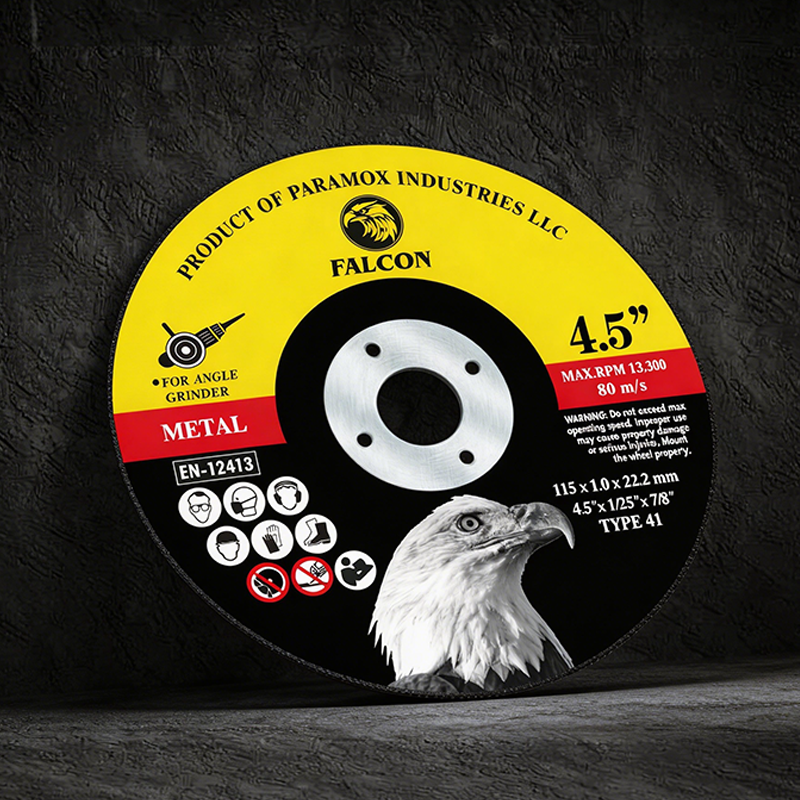
Cutting Discs for Angle Grinders: A Buyer's Guide

Get a Free Quote

Our representative will contact you soon.
Email
Mobile/WhatsApp
Name
Company Name
Country
Customer Type
Estimated Order Quantity
MOQ and Free Sample Policy
Message
0/1000

cutting discs for angle grinder

Cutting discs for angle grinders are essential tools used in various industrial applications for cutting metals, concrete, and other materials. As a B2B buyer, understanding the specifications, performance, and sourcing of cutting discs is crucial for ensuring they meet your operational needs. This article will address key considerations for purchasing cutting discs in bulk, including supplier reliability, specifications to evaluate, common issues and solutions, installation guidance, and their diverse applications in industrial projects.
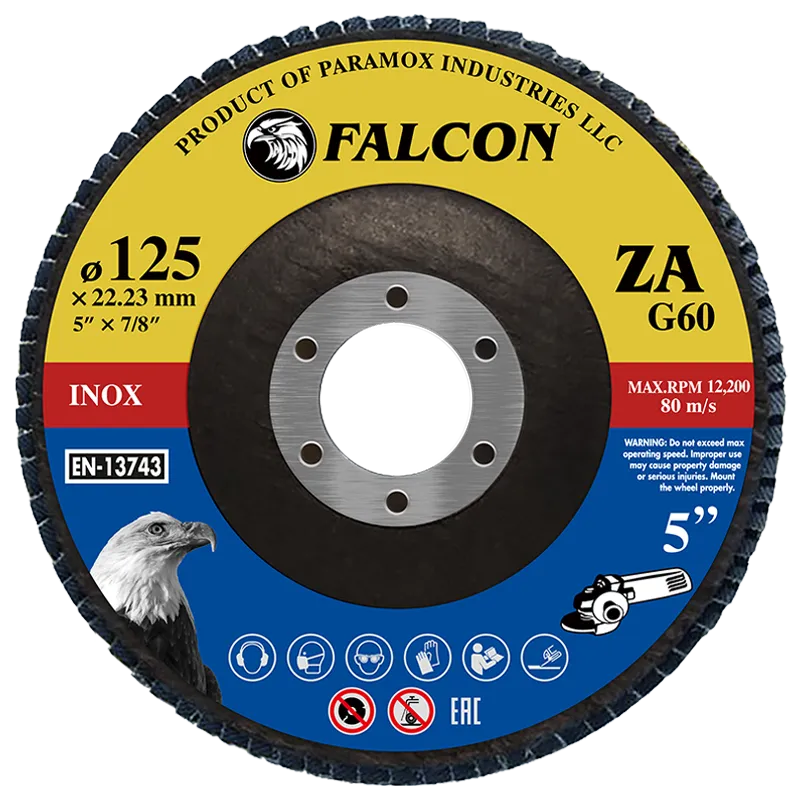
A Buyer's Guide

When searching for reliable suppliers for cutting discs for angle grinders, it’s important to consider manufacturers with a solid reputation in the abrasive tools industry. Look for companies with extensive experience and a strong quality assurance system. Suppliers should ideally provide certifications that demonstrate compliance with industry standards. You may also want to explore Other Products / Custom Requirements that can complement your cutting disc needs.

Start by checking industry-specific trade shows, online marketplaces, and directories where manufacturers list their products. Request samples and product catalogs to evaluate the quality and variety of their offerings. Additionally, consider suppliers that offer customization options to meet specific project requirements. Engaging with suppliers who have a proven track record in your industry can help ensure consistency in quality and performance.

Frequently Asked Questions

What materials do your cutting discs suit?

Our cutting discs are engineered for metal, steel plate, stainless steel, and similar industrial metals, offering high cutting speed and long life for demanding applications.
We offer a range of diameters and thicknesses to fit standard angle grinders; contact us with required specs and application details for recommended options.
Yes. Manufactured with advanced abrasive technology and quality controls, our discs meet industrial safety and performance standards when used with proper PPE and following instructions.
Store discs flat in a dry, cool area, avoid impacts, and inspect for damage before use. Follow grinder mounting and speed guidelines to prevent failure.
Yes. We provide technical guidance and can develop customized disc formulations and sizes to match specific industrial cutting requirements.

Our Blog Posts

Flap Disc Grit Chart for Rust and Paint Removal

28

Apr

Flap Disc Grit Chart for Rust and Paint Removal

Rust, paint, and surface imperfections are common challenges in metalworking, repair, and maintenance projects. Removing these contaminants effectively requires more than just a powerful grinder — choosing the right abrasive tool and grit size ...
View More
What types of cut-off wheels are there?

15

May

What types of cut-off wheels are there?

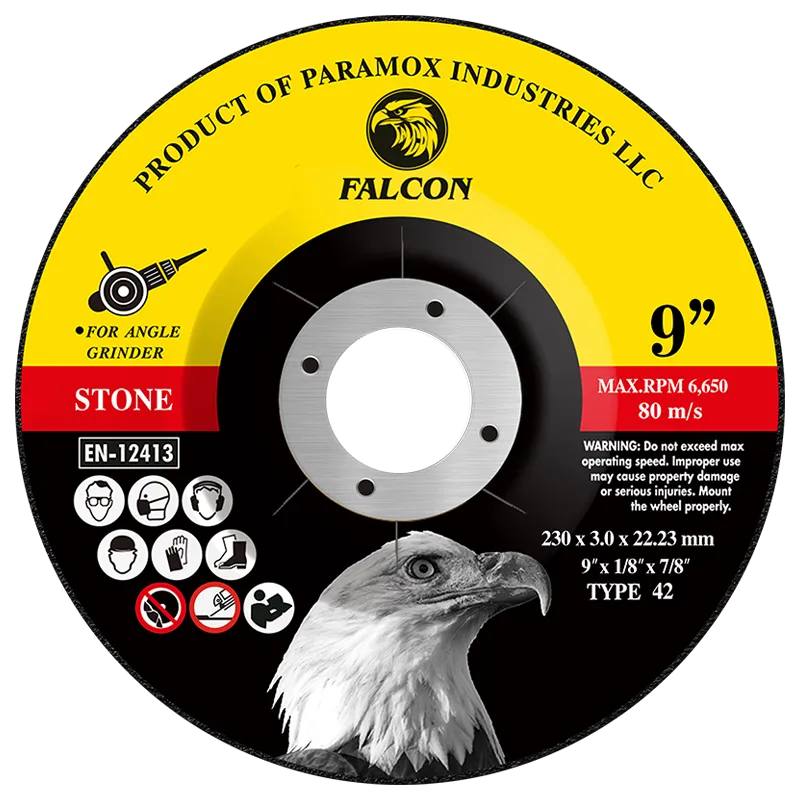
Cut-off wheels are really important tools in lots work, specially metalworking stuff. Falcon Global have different kinds of cut-off wheels which helps people cut many materials easy. These wheels get attached to machines like angle grinders and they ...
View More
Notes on using cut-off wheels

17

Sep

Notes on using cut-off wheels

Cut-off wheels are indispensable tools across numerous industries. They are engineered to slice hard materials including metal, concrete, and stone. At Falcon Global, we fully understand how critical it is to select high-quality cut-off wheels for yo...
View More
Do hard hats expire?

29

Sep

Do hard hats expire?

Hard hats are really important to keep workers safe on construction sites and other places. They protect head from falling things, bumps, and other dangers that happen during work. But many people ask, do hard hats expire? Its good question because&n...
View More

Get a Free Quote

Our representative will contact you soon.
Email
Mobile/WhatsApp
Name
Company Name
Country
Customer Type
Estimated Order Quantity
MOQ and Free Sample Policy
Message
0/1000

Related product categories

Where to Source High-Quality Cutting Discs for Angle Grinders

Where to Source High-Quality Cutting Discs for Angle Grinders

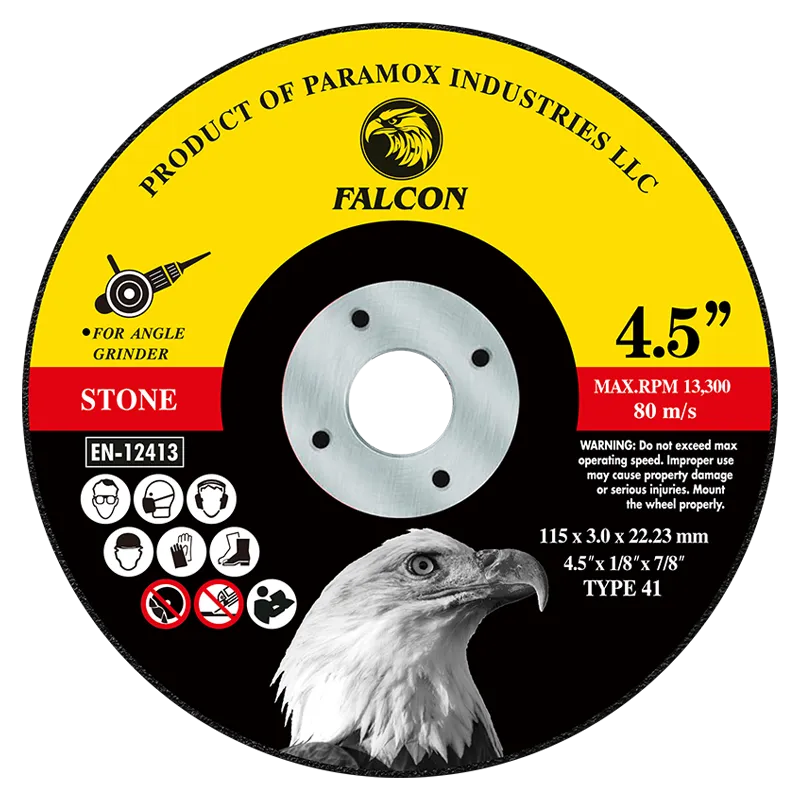
Evaluating the right specifications for cutting discs is vital for ensuring optimal performance and safety during use. Key specifications to consider include:

Material Composition: Cutting discs are often made from abrasive materials such as aluminum oxide or silicon carbide. The choice of material affects the disc's performance on different substrates. Selecting a disc that matches the material being cut will enhance efficiency and prolong the disc's lifespan.

Thickness: The thickness of the disc influences its cutting speed and durability. Thicker discs may withstand higher pressures but can also be less efficient for precision cuts. A balance between thickness and the type of cutting (e.g., rough versus fine) should be considered.

Diameter: The diameter of the cutting disc must match the specifications of the angle grinder being used. Using a disc that is not compatible can lead to safety hazards and equipment damage.

Bonding Type: The bonding agent used in the disc affects its cutting performance and durability. Different applications require specific bonding types; for example, resin-bonded discs are common for high-speed cutting.

Maximum RPM: Ensure that the cutting disc can operate safely at the RPM of your angle grinder. Discs rated for lower RPMs can shatter and pose safety risks.

Understanding these specifications will help you choose cutting discs that are not only suitable for your applications but also provide the best performance and safety. Consider also the use of Safety Gloves when handling these tools to ensure protection during operation.

Comparing Material Advantages of Cutting Discs for Angle Grinders

Comparing Material Advantages of Cutting Discs for Angle Grinders

Common issues with cutting discs can lead to inefficiencies and safety hazards. Here are some frequently encountered problems and their solutions:

Disc Breakage: Discs can break if they are used beyond their rated RPM or if they are improperly mounted. Always check the grinder’s specifications and ensure the disc is installed correctly. Regularly inspect discs for signs of wear and replace them as necessary.

Poor Cutting Performance: If a cutting disc is not performing well, it may be due to incorrect material selection or wear. Ensure you are using the right disc for the material type and thickness. Regularly monitoring the condition of the disc can help catch performance issues early.

Overheating: Overheating can occur from excessive pressure or prolonged use without adequate cooling. Use lighter pressure and allow the disc to cool periodically. Additionally, using the correct disc for the material will help reduce heat buildup.

Loading: Material buildup on the disc can impede cutting performance. This is common when cutting softer materials. To prevent loading, consider using a disc designed for specific materials, such as those with a specialized coating that reduces clogging.

Addressing these common issues can significantly enhance the lifespan and effectiveness of cutting discs, leading to improved productivity in your operations.

Solutions and Tips

Solutions and Tips

Proper installation of cutting discs on angle grinders is crucial for safety and performance. Here are key steps to ensure optimal use:

Check Compatibility: Before installation, verify that the cutting disc is compatible with your angle grinder in terms of size, RPM, and type of mounting (flanged or unflanged).

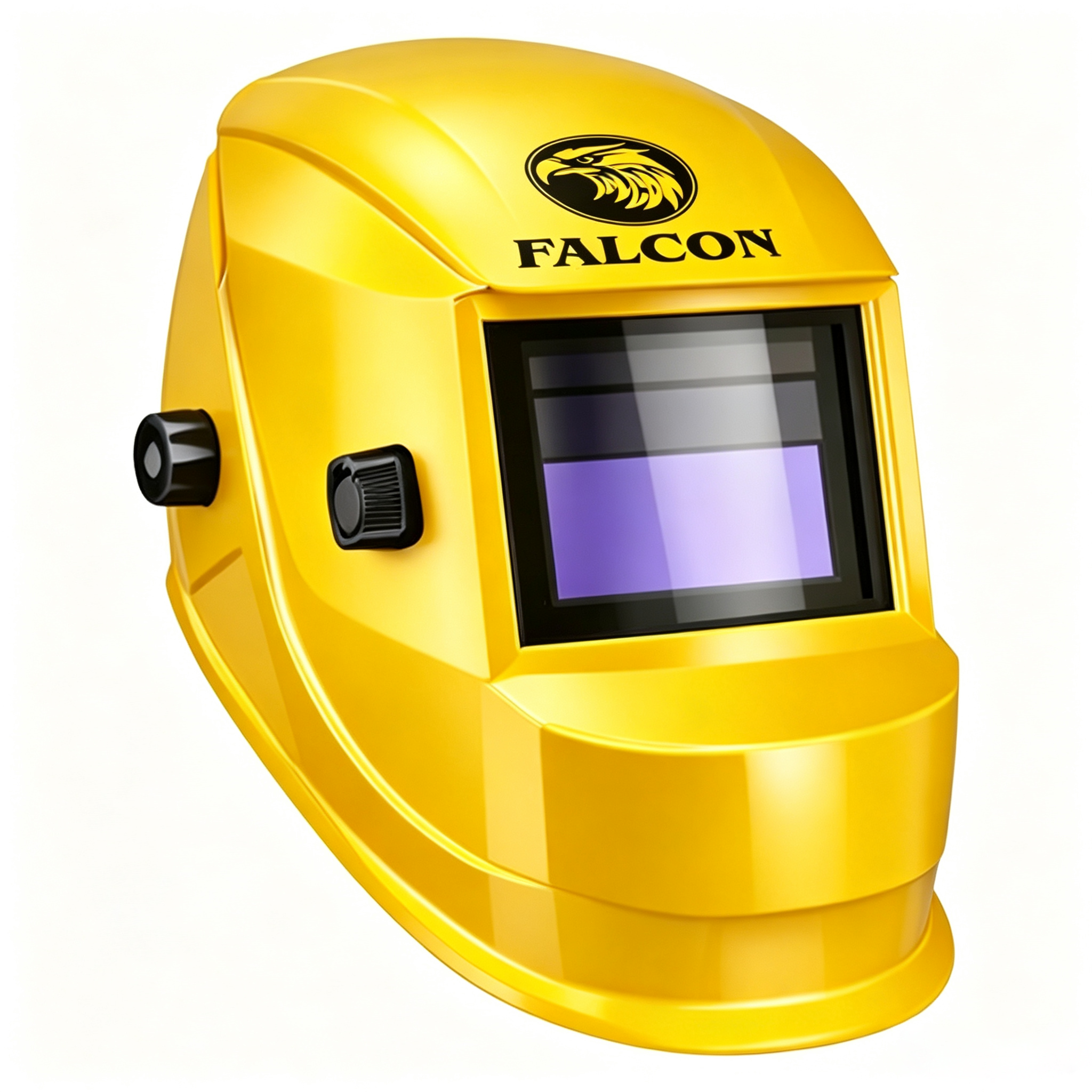
Safety Gear: Always wear appropriate safety gear, including gloves, goggles, and hearing protection, when handling and using cutting discs.

Mounting the Disc: Ensure the angle grinder is powered off and unplugged during installation. Securely attach the disc using the manufacturer’s recommended method, ensuring that it is seated correctly on the spindle. Follow the torque specifications to prevent loosening during operation.

Test Run: Once installed, perform a test run at a low speed to ensure the disc is balanced and properly mounted. Listen for unusual noises that might indicate improper installation.

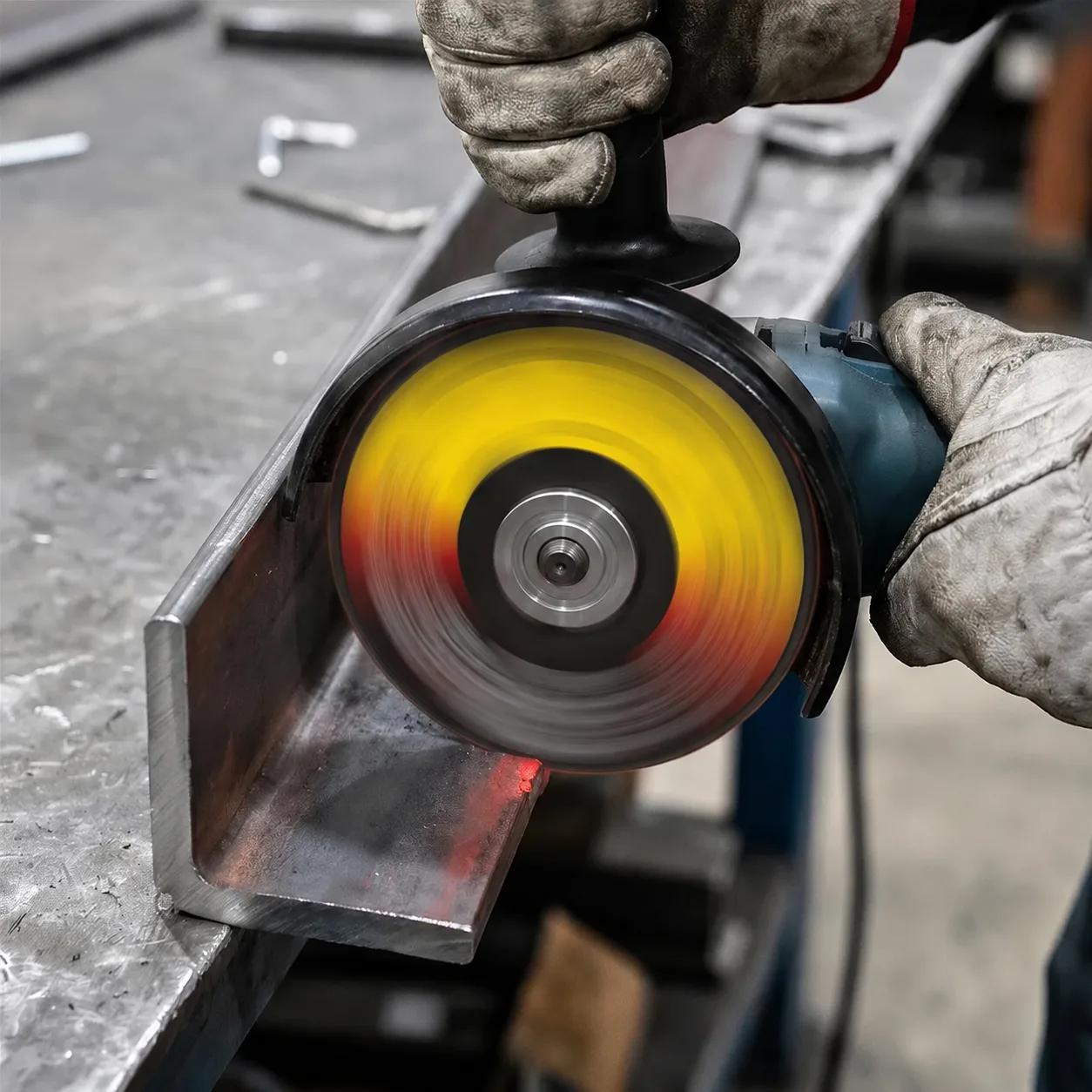
Cutting Technique: When using the angle grinder, maintain a steady pressure and avoid forcing the disc. Let the tool do the work to ensure a clean cut and reduce wear on the disc.

Following these installation guidelines will enhance safety and extend the lifespan of your cutting discs.

Understanding Cost Factors in Bulk Orders of Cutting Discs

Cutting discs for angle grinders are versatile tools used across a range of industrial applications. Here are some common uses:

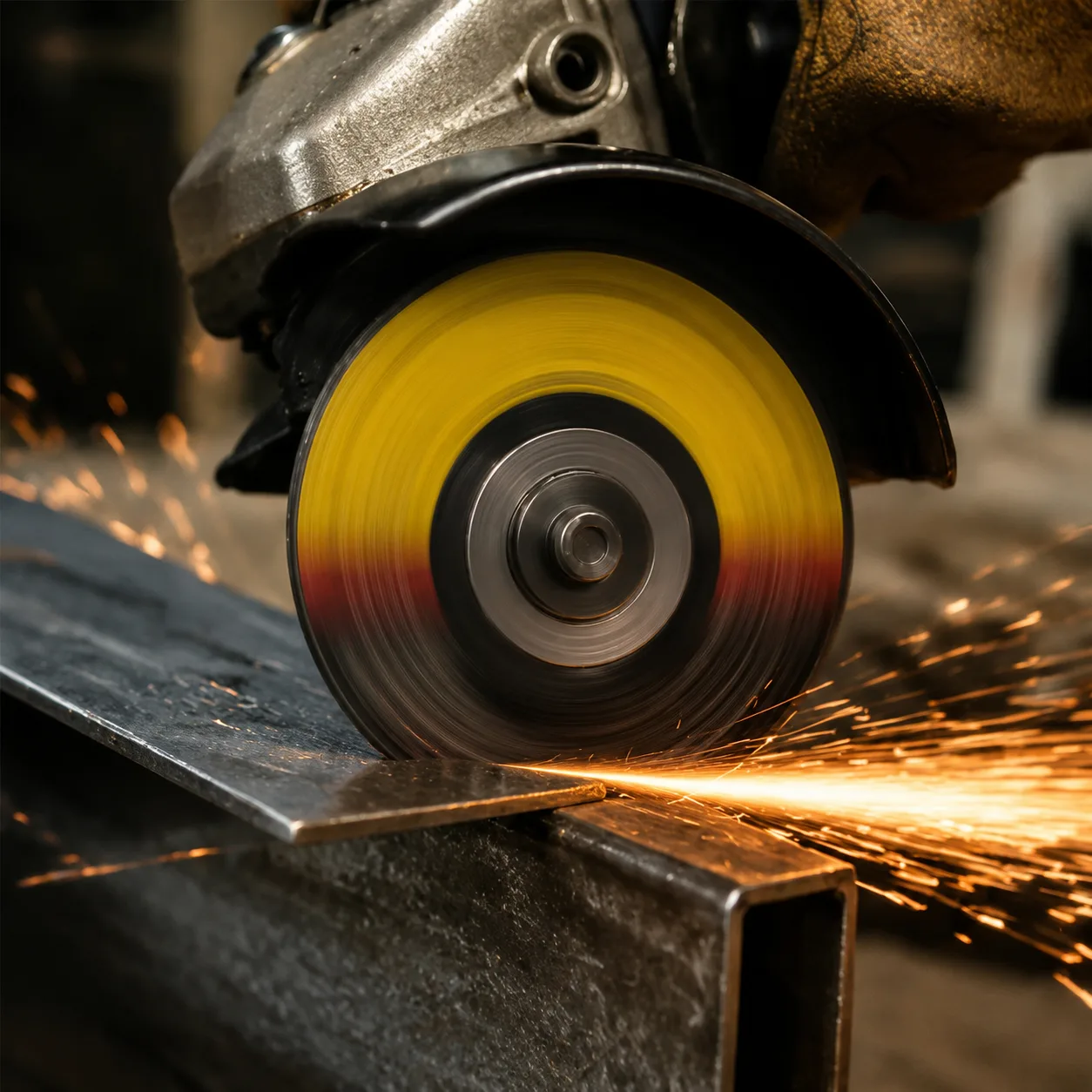
Metal Fabrication: In metalworking, cutting discs are essential for cutting steel, aluminum, and other metals. They are commonly used in fabrication shops for creating parts, frames, and structural components.

Construction: In construction, cutting discs are utilized for cutting concrete, masonry, and bricks. This is particularly important in renovation projects and structural work where precise cuts are required.

Automotive: In the automotive industry, cutting discs are used for removing old parts, cutting through body panels, and other applications where metal cutting is necessary.

Maintenance and Repair: Cutting discs are often used in maintenance operations to quickly cut through rusted or damaged components, facilitating repairs and replacements.

Understanding the applications of cutting discs can help buyers select the appropriate tools for their specific projects, ensuring efficiency and effectiveness in their operations.

By focusing on these key aspects, buyers can make informed decisions when purchasing cutting discs for angle grinders, ultimately enhancing productivity and safety in their industrial applications.

Get a Free Quote

Our representative will contact you soon.
Email
Mobile/WhatsApp
Name
Company Name
Country
Customer Type
Estimated Order Quantity
MOQ and Free Sample Policy
Message
0/1000