Evaluating Grinding Wheels for Metal: A Guide

Get a Free Quote

Our representative will contact you soon.
Email
Mobile/WhatsApp
Name
Company Name
Country
Customer Type
Estimated Order Quantity
MOQ and Free Sample Policy
Message
0/1000

grinding wheels for metal

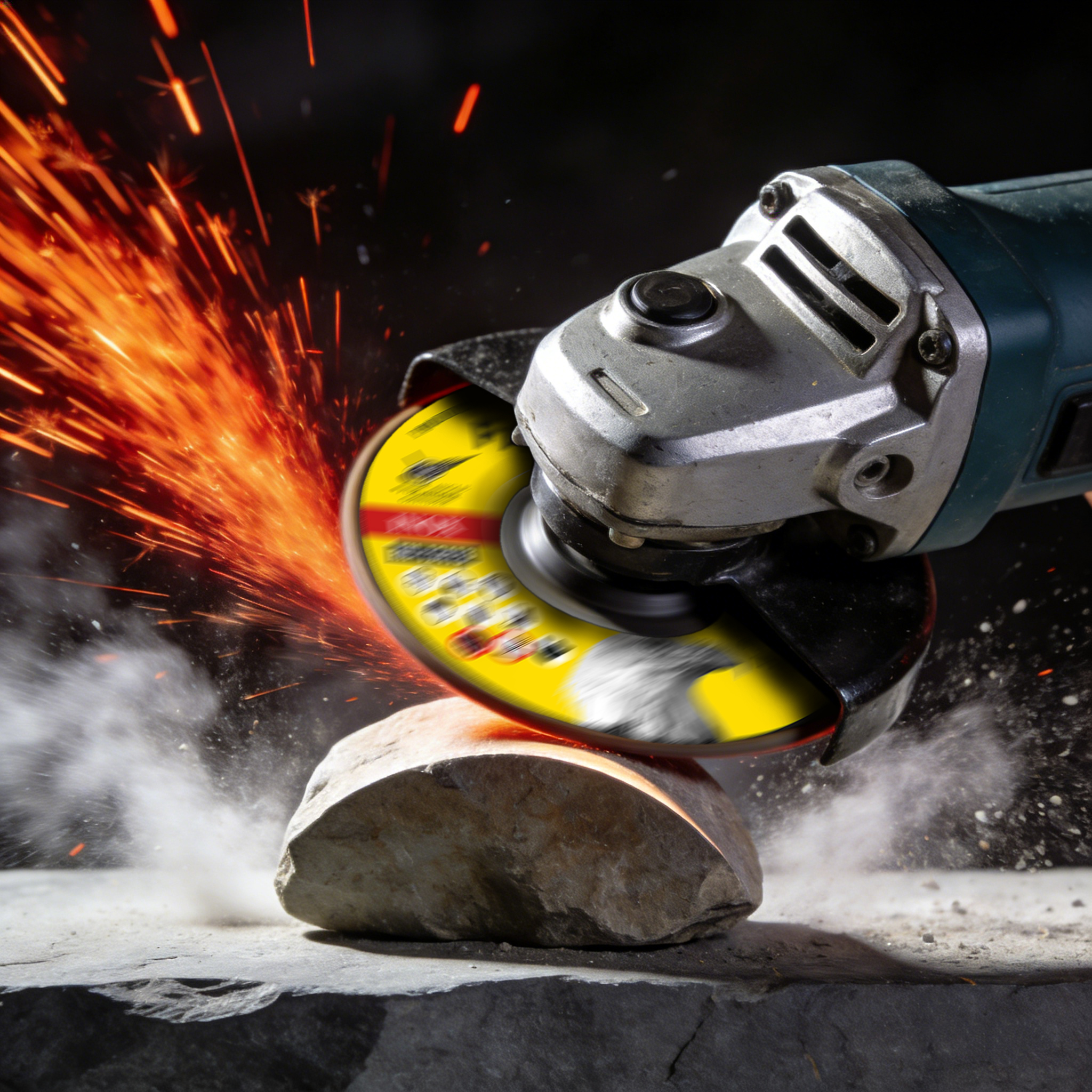
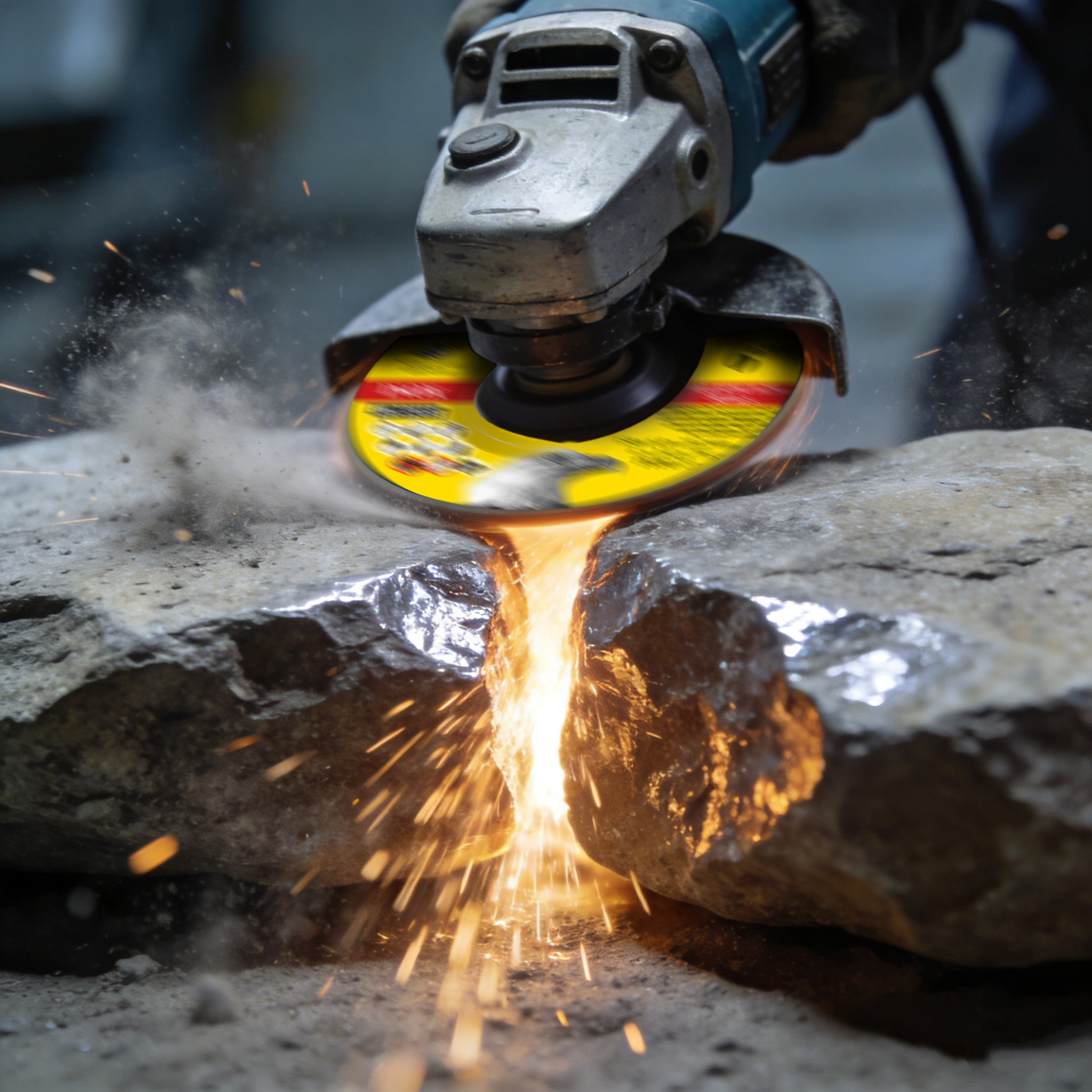
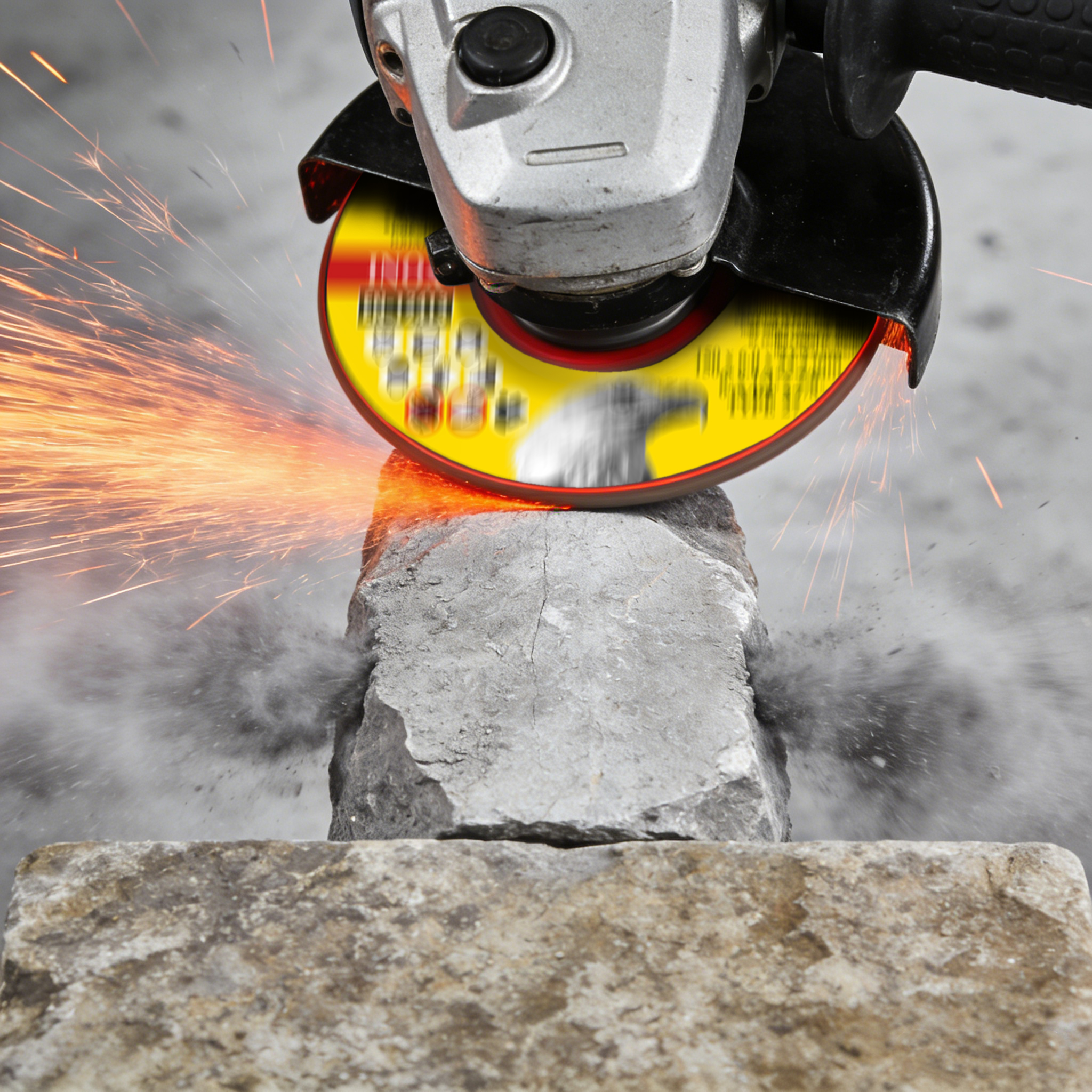
Grinding wheels for metal are essential tools in various industrial applications, particularly in manufacturing and metalworking. These abrasive tools are designed to shape, grind, and finish metal surfaces, and their effectiveness directly impacts production efficiency and end-product quality. For B2B buyers—such as purchasing managers, engineers, and product managers—understanding the nuances of grinding wheels is crucial. This article provides insights into evaluating quality, key specifications, sourcing reliable suppliers, installation guidance, and common problems with grinding wheels, empowering you to make informed purchasing decisions.

Our Products

How to Evaluate the Quality of Grinding Wheels for Wholesale Purchase

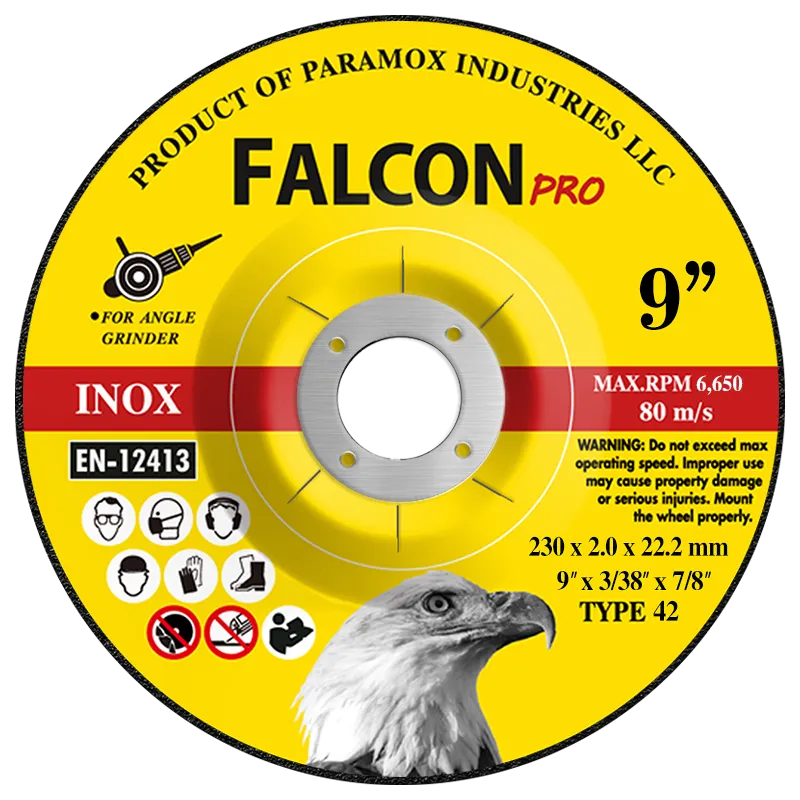
When assessing the quality of grinding wheels for wholesale purchase, several factors come into play. First, consider the material composition. High-quality grinding wheels typically use premium abrasives like corundum or diamond, which enhance durability and performance. For instance, Grinding Discs for Metal are tailored for various metal applications.

Next, inspect the manufacturing process. Reputable suppliers should implement rigorous quality control measures, including testing for consistency and performance. Certifications such as ISO 9001 can also be indicators of a supplier’s commitment to quality.

Additionally, evaluate the wheel's balance and uniformity. An unbalanced wheel can cause vibrations, leading to poor performance and safety hazards. Requesting samples for testing prior to bulk orders is a recommended practice, as this allows for evaluation under actual operating conditions.

Frequently Asked Questions

What materials are these grinding wheels for?

Our grinding wheels are engineered for ferrous and non-ferrous metals, including steel, stainless steel, cast iron, and alloys used in industrial fabrication.
We offer a range of grits from coarse to fine and multiple bond types (resinoid, vitrified) to suit heavy stock removal, finishing, and precision grinding tasks.
Use appropriate protective clothing, safety footwear, face shields, eye protection, gloves, and hearing protection to meet workplace safety standards when grinding.
Match wheel material, grit, bond, hardness, and wheel size to your metal type and operation (cutting, finishing, surface prep). Contact our technical team for specific recommendations.
Yes. Our wheels are manufactured with advanced processes and quality control to meet industrial performance and safety requirements for metalworking applications.

Our Blog Posts

Notes on using a flap disc

25

Jun

Notes on using a flap disc

Flap discs are indeed helpful in metal finishing work. They are constructed using numerous layers of sandpaper fastened together, but in a fan shape. These discs are made to grind, polish and smooth metallic surfaces to make them shiny. These are use...
View More
Notes on using cut-off wheels

17

Sep

Notes on using cut-off wheels

Cut-off wheels are indispensable tools across numerous industries. They are engineered to slice hard materials including metal, concrete, and stone. At Falcon Global, we fully understand how critical it is to select high-quality cut-off wheels for yo...
View More
How to Select High-Performance Cut Off Wheels for Industrial Use

05

Sep

How to Select High-Performance Cut Off Wheels for Industrial Use

Selecting the right high-performance cut-off wheels for industrial applications is a critical decision. Cut-off wheels are essential industrial consumables widely used for cutting metal, stainless steel and other hard materials. Choosing a suitable c...
View More
How to Properly Wear and Fit a Hard Hat

11

Jul

How to Properly Wear and Fit a Hard Hat

Wearing hard hat is important for safety in many work places, specially construction or manufacturing. It protect your head from falling things, bumps and other dangers. At Falcon Global, we know that wearing it correct is just as important as having...
View More

Get a Free Quote

Our representative will contact you soon.
Email
Mobile/WhatsApp
Name
Company Name
Country
Customer Type
Estimated Order Quantity
MOQ and Free Sample Policy
Message
0/1000

Related product categories

Key Specifications to Consider When Sourcing Grinding Wheels

Key Specifications to Consider When Sourcing Grinding Wheels

Several key specifications should be prioritized when sourcing grinding wheels for metal.

Abrasive Material: The type of abrasive affects grinding efficiency and suitability for specific applications. For instance, aluminum oxide is common for general-purpose grinding, while diamond is preferred for hard materials.

Bonding Type: The bonding agent can be resin, vitrified, or metal. Each type offers different hardness levels and thermal resistance, impacting the wheel's performance.

Wheel Size and Shape: Ensure the dimensions (diameter, thickness, and arbor size) match your equipment's requirements. Common shapes include flat, cylindrical, and specialty forms like cup wheels.

Grit Size: The grit size affects the surface finish. Finer grits are used for finishing, while coarser grits are ideal for material removal.

Speed Rating: The maximum RPM should align with your grinder’s specifications. Operating a wheel above its rated speed can cause it to break, posing safety risks.

Confirming these specifications with the manufacturer can help ensure that the grinding wheels will meet your operational requirements. Additionally, if you are looking for high-performance options, consider Pro Cutting-off Discs for Stainless Steel for specific needs.

Where to Find Reliable Suppliers for Grinding Wheels in Bulk

Where to Find Reliable Suppliers for Grinding Wheels in Bulk

Finding reliable suppliers for bulk orders of grinding wheels requires thorough research. Start by leveraging industry directories and trade shows, which often feature established manufacturers and distributors. Websites that focus on industrial products can also serve as valuable resources.

Networking within industry associations can lead to referrals for reputable suppliers. Additionally, online reviews and testimonials can provide insights into supplier reliability and product quality.

When evaluating potential suppliers, consider their manufacturing capabilities, production capacity, and lead times. It’s beneficial to inquire about their experience in your specific industry, as this can indicate their ability to meet specialized needs.

Installation Guidance for Optimal Use of Metal Grinding Wheels

Installation Guidance for Optimal Use of Metal Grinding Wheels

Proper installation of grinding wheels is crucial to ensure safety and performance. Follow these best practices:

Inspect the Wheel: Before installation, check for any visible damage or defects. A damaged wheel should not be used.

Use the Correct Adapter: Ensure that the wheel is mounted using the appropriate adapters or flanges to maintain balance and alignment.

Tightening: Secure the wheel firmly but avoid overtightening, which can lead to fractures. Follow the manufacturer’s torque specifications.

Test Run: After installation, conduct a test run at low speed to check for vibrations or unusual noises. If any issues arise, stop immediately and recheck the installation.

Safety Gear: Always wear appropriate personal protective equipment (PPE) during operation, including eye protection, gloves, and hearing protection.

Following these guidelines can help prevent accidents and prolong the life of the grinding wheels.

Common Problems with Grinding Wheels and Effective Solutions

B2B buyers should be aware of common problems associated with grinding wheels and potential solutions:

Wheel Breakage: Often caused by excessive speed or improper installation. Always ensure that the wheel is within the manufacturer’s RPM limits and installed correctly.

Poor Surface Finish: This can result from using a wheel with inappropriate grit size or material. Assess the application requirements and choose a wheel that matches the desired finish.

Loading: This occurs when material builds up on the wheel surface, affecting performance. Selecting a wheel with the right bond type can reduce loading. Regular dressing of the wheel can also help maintain efficiency.

Vibration: Unbalanced wheels can lead to vibrations, resulting in poor grinding results and increased wear. Ensure proper mounting and inspect for any signs of damage.

By understanding these common issues and their solutions, buyers can select more reliable products and reduce the likelihood of operational disruptions. In summary, grinding wheels for metal play a critical role in manufacturing processes. By evaluating quality, understanding specifications, sourcing reliable suppliers, ensuring proper installation, and being aware of potential problems, B2B buyers can make informed decisions that enhance productivity and safety in their operations.

Get a Free Quote

Our representative will contact you soon.
Email
Mobile/WhatsApp
Name
Company Name
Country
Customer Type
Estimated Order Quantity
MOQ and Free Sample Policy
Message
0/1000