Choosing the Right Grinding Tool for Industrial Needs

Get a Free Quote

Our representative will contact you soon.
Email
Mobile/WhatsApp
Name
Company Name
Country
Customer Type
Estimated Order Quantity
MOQ and Free Sample Policy
Message
0/1000

grinding tool

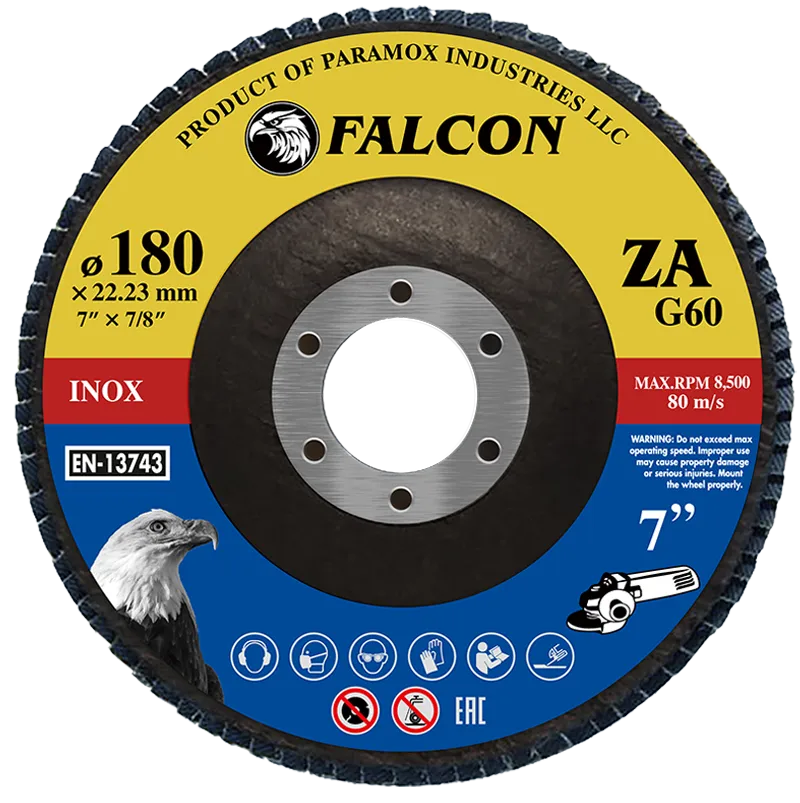
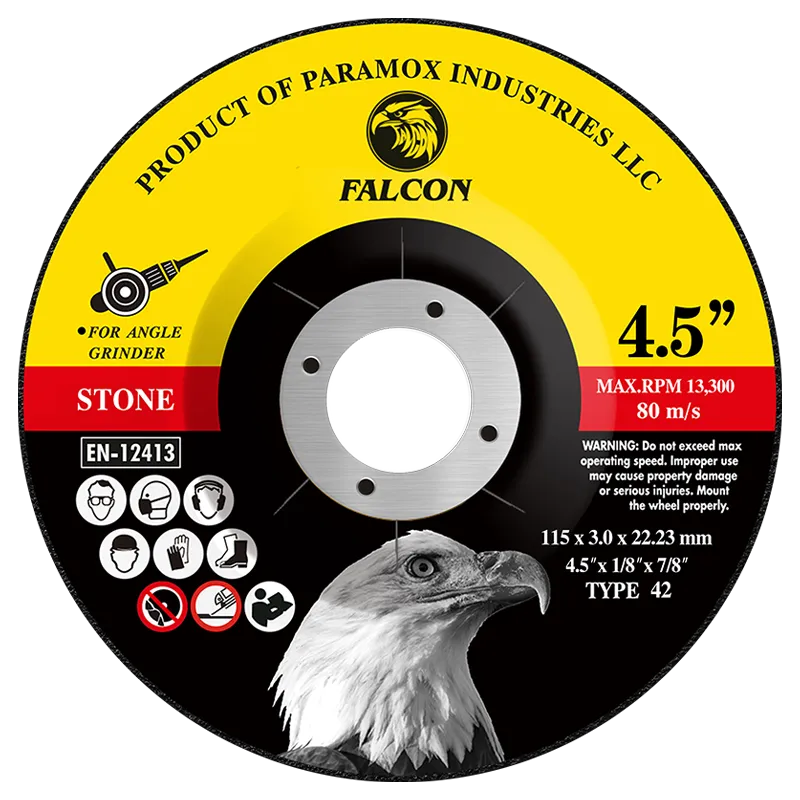
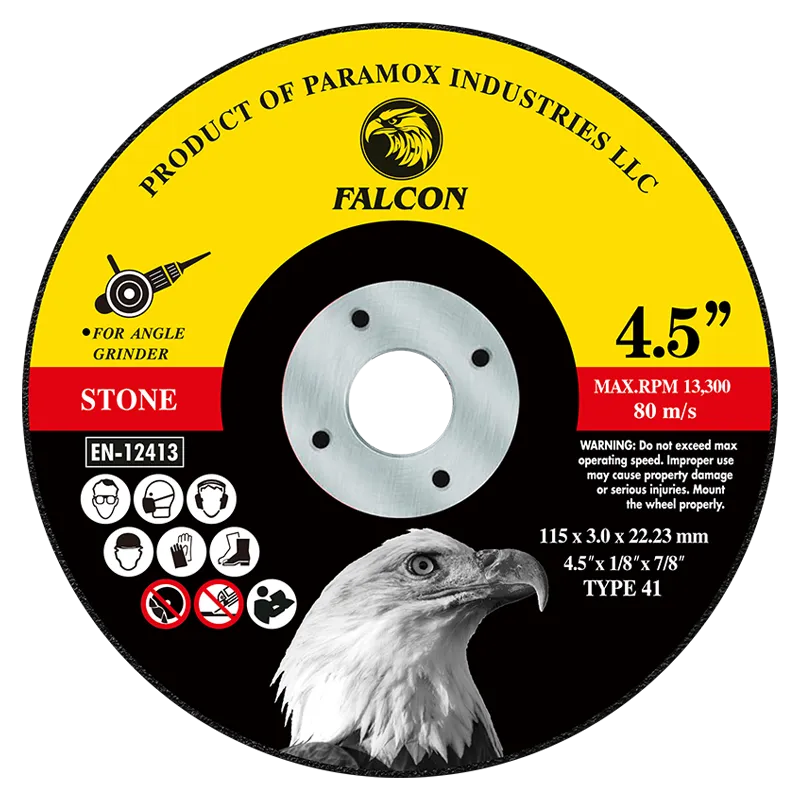
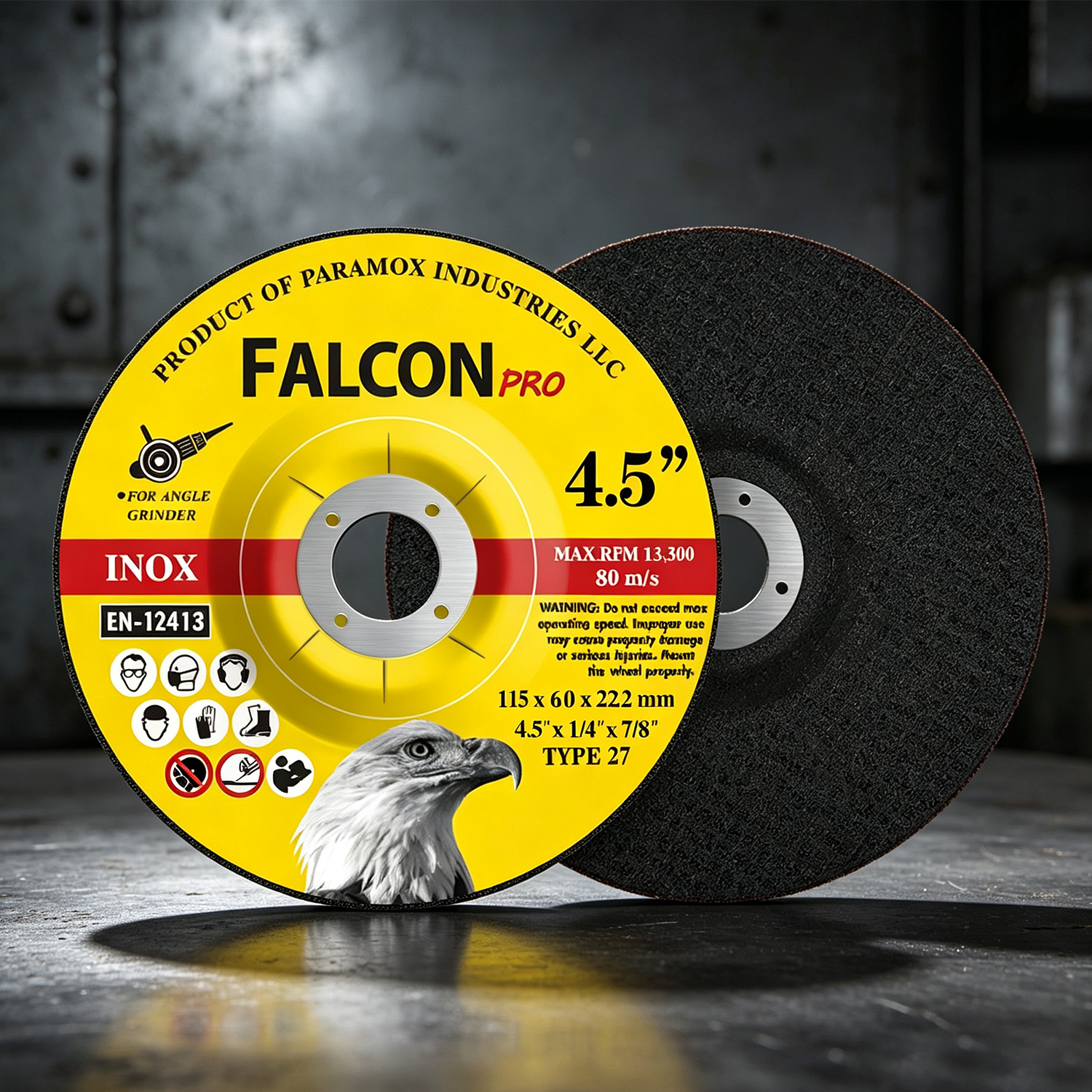
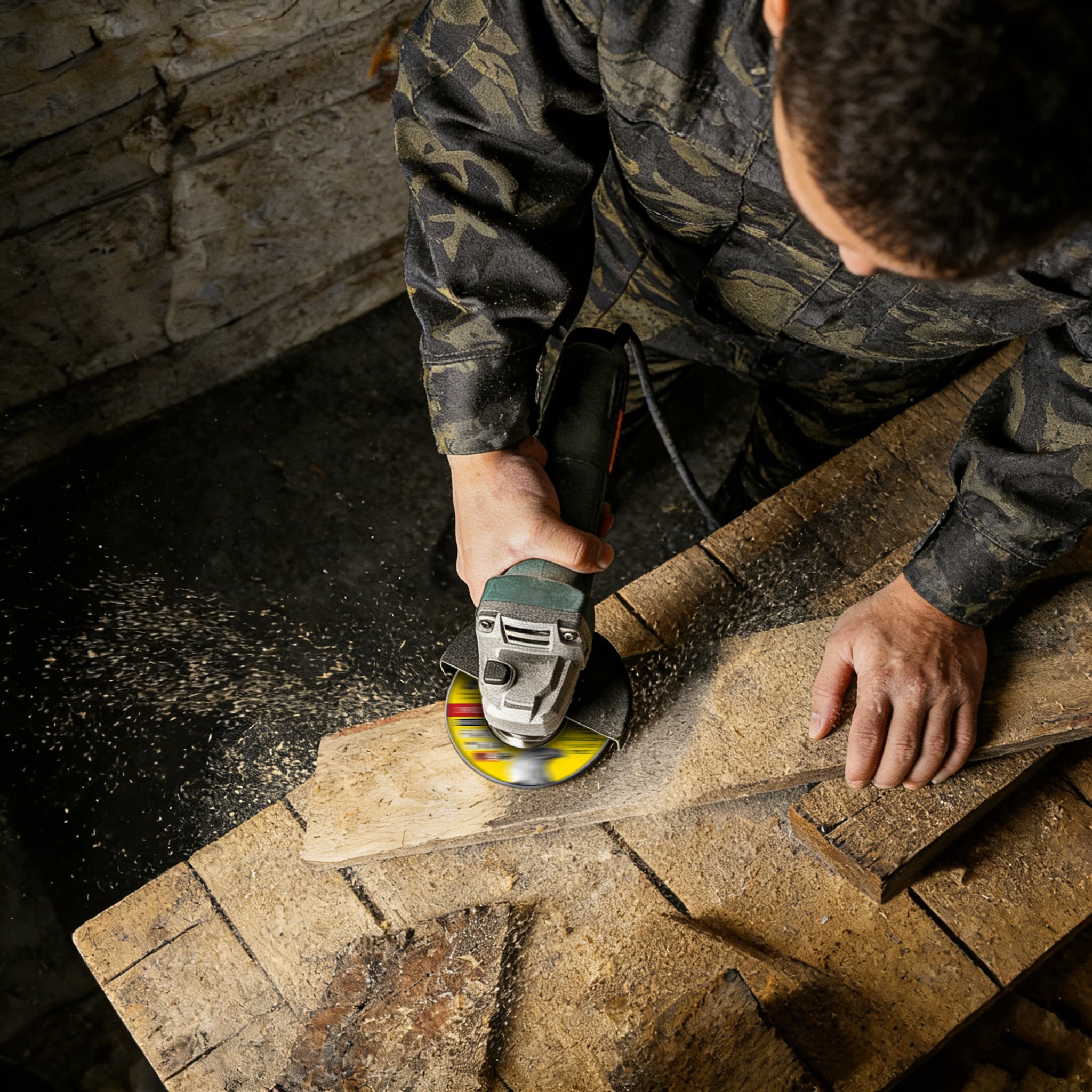
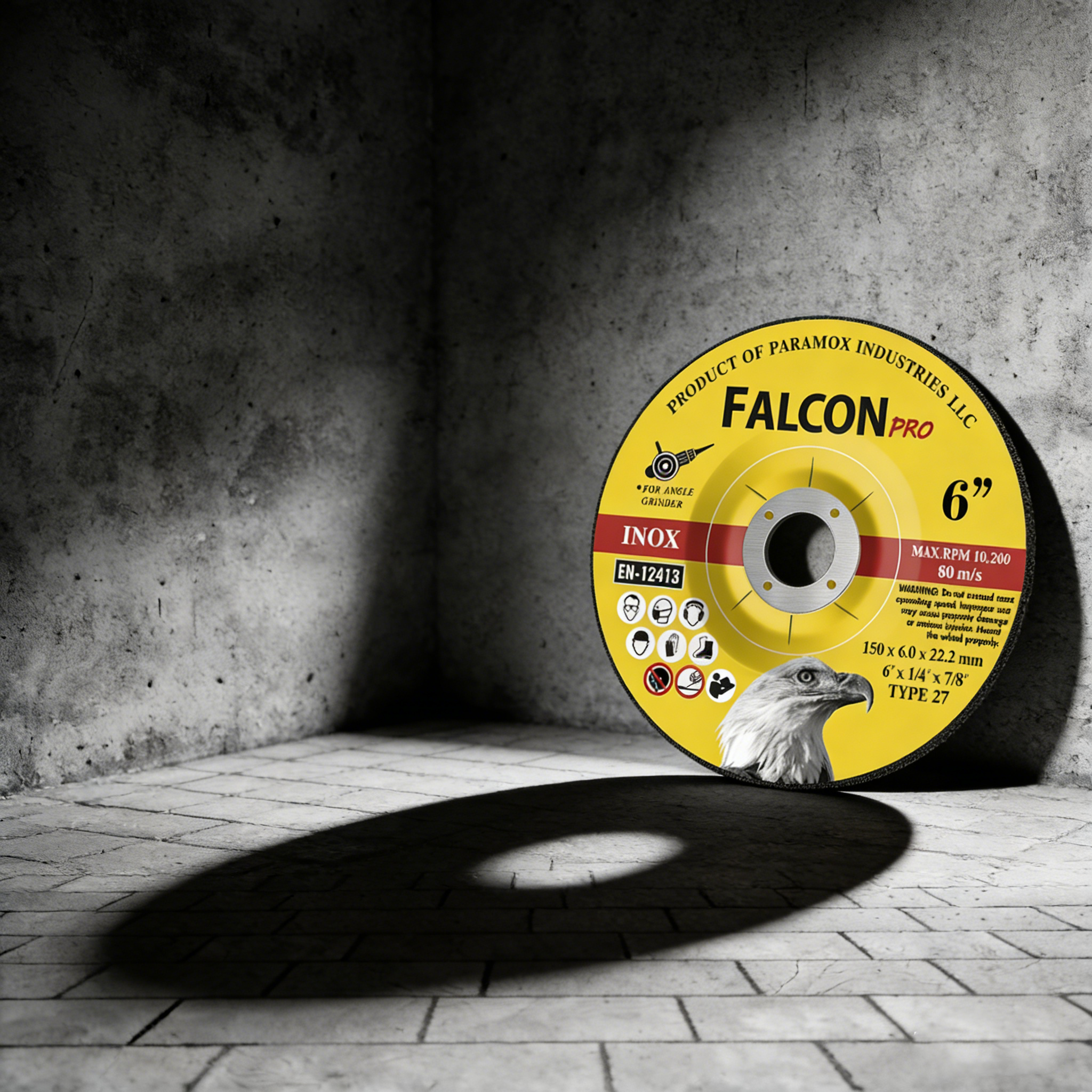
Choosing the right grinding tool can significantly impact productivity and safety in industrial applications. Grinding tools, such as wheels and discs, are essential for a variety of tasks, including shaping, finishing, and polishing materials. B2B buyers, including purchasing managers and engineers, often have concerns about performance, compatibility, and cost-effectiveness. This article aims to provide insights into selecting, evaluating, and sourcing grinding tools effectively, ensuring that industrial buyers can make informed decisions for their specific needs.

Our Products

Choosing the Right Grinding Tool for Your Industrial Needs

Selecting the appropriate grinding tool begins with understanding the specific requirements of your application. Factors such as the material being processed, the desired finish, and the operational environment are crucial. For instance, grinding wheels designed for metalworking may differ significantly from those intended for wood or plastic applications.

Material Compatibility: The first step is to evaluate the material of the workpiece. Different materials require specific abrasive types; for example, aluminum oxide is commonly used for ferrous metals, while zirconia alumina is better suited for stainless steel.

Performance Specifications: Look at the tool's performance specifications, including grit size, bond type, and wheel diameter. A finer grit size provides a smoother finish but may take longer to remove material, while a coarser grit will expedite material removal but may leave a rough surface.

Operational Conditions: Consider the operating conditions such as speed, pressure, and temperature. Each grinding tool is designed to operate within specific parameters; exceeding these can lead to tool failure or suboptimal performance. Always consult the manufacturer's guidelines to match the tool to the application effectively.

Frequently Asked Questions

What materials is this grinding tool suitable for?

Our grinding tool is engineered for steel, stainless steel, cast iron, and common alloys used in industrial fabrication and maintenance.
Use protective eyewear, gloves, hearing protection, and flame-resistant clothing and safety footwear to meet industrial safety standards.
Choose wheel grade based on material hardness, cut rate, and finish required; consult product specifications for optimal abrasive and bond type.
Regularly inspect for wear, clean debris, dress wheels when glazing occurs, and replace discs that show cracks or excessive wear.
Yes. We provide customized abrasive specifications and volume pricing for industrial orders; contact our sales team for quotes and lead times.

Our Blog Posts

Flap Disc vs Fiber Disc: Whats the Difference?

22

Apr

Flap Disc vs Fiber Disc: Whats the Difference?

When it comes to metal grinding and surface finishing, choosing the right abrasive tool can significantly impact work efficiency, surface quality, and overall project results. Two of the most commonly used options are flap discs and fiber discs. Alth...
View More
What types of cut-off wheels are there?

15

May

What types of cut-off wheels are there?

Cut-off wheels are really important tools in lots work, specially metalworking stuff. Falcon Global have different kinds of cut-off wheels which helps people cut many materials easy. These wheels get attached to machines like angle grinders and they ...
View More
What applications are different types of cut-off wheels suitable for?

22

May

What applications are different types of cut-off wheels suitable for?

Cut-off wheels is important tool for cuting through differents materials. They come in many types which makes them good for lot of tasks. You can see them used in metal work, building sites, and even in home garage. Cut-off wheels made from stuff lik...
View More
Notes on using cut-off wheels

17

Sep

Notes on using cut-off wheels

Cut-off wheels are indispensable tools across numerous industries. They are engineered to slice hard materials including metal, concrete, and stone. At Falcon Global, we fully understand how critical it is to select high-quality cut-off wheels for yo...
View More

Get a Free Quote

Our representative will contact you soon.
Email
Mobile/WhatsApp
Name
Company Name
Country
Customer Type
Estimated Order Quantity
MOQ and Free Sample Policy
Message
0/1000

Related product categories

Wholesale Options for High-Performance Grinding Tools

Wholesale Options for High-Performance Grinding Tools

When sourcing grinding tools, wholesale options can provide significant cost benefits while maintaining quality. Bulk purchasing allows for better pricing structures and often includes additional benefits like reduced shipping costs and priority service.

Supplier Evaluation: It’s important to evaluate potential suppliers based on their manufacturing capabilities and product range. A reputable supplier, like FALCON GLOBAL / TOOLS SAFETY, typically offers a variety of abrasive tools suitable for different industrial applications. They may also provide customization options, allowing buyers to tailor products to their specific needs, including other products for custom requirements.

Minimum Order Quantities (MOQ): Be aware of the MOQ set by suppliers. While some manufacturers may require large orders, others might offer flexibility for smaller quantities, which can be suitable for businesses just starting or requiring specific tools for limited projects.

Lead Times and Shipping: Confirm lead times for production and shipping. A supplier’s ability to deliver on time can be as significant as the cost, particularly for projects with tight deadlines. Consider suppliers that have established logistics networks for efficient delivery.

Evaluating the Quality of Grinding Tools for Your Projects

Evaluating the Quality of Grinding Tools for Your Projects

Quality evaluation is critical when selecting grinding tools. This process not only ensures the tools meet performance standards but also enhances safety and efficiency during use.

Material and Construction: Examine the materials used in the grinding tools. High-performance tools typically feature durable constructions that can withstand rigorous use. For example, tools made with premium abrasives and reinforced bonds are often more reliable.

Quality Control Processes: Inquire about the quality control measures implemented by the manufacturer. Comprehensive testing procedures during production can help identify defects early, ensuring that only high-quality products reach the market. Look for certifications or industry standards that the manufacturer adheres to, which can serve as indicators of reliability.

Sample Testing: Before committing to a large order, request samples for testing. Evaluating a sample under actual working conditions can provide valuable insights into the tool’s performance, durability, and suitability for your specific applications.

Cost Factors to Consider When Sourcing Grinding Tools

Cost Factors to Consider When Sourcing Grinding Tools

Understanding the cost factors associated with grinding tools is essential for effective budgeting and procurement. Various elements can affect pricing, and being aware of these can help in making informed purchasing decisions.

Material Costs: The type of abrasive material and the complexity of the manufacturing process significantly influence the cost. Advanced materials, such as diamond or ceramic abrasives, tend to be more expensive but offer superior performance and longevity, which may justify the initial investment.

Customization Needs: If your applications require customized grinding tools, this can impact the overall cost. Customization often involves additional manufacturing steps, which may lead to higher prices. However, tailored tools can enhance efficiency and outcome quality, making them a worthwhile investment.

Maintenance and Replacement: Consider the anticipated lifespan of the grinding tools and associated maintenance costs. Investing in high-quality tools may reduce the frequency of replacements and repairs, leading to lower overall costs in the long run.

Common Problems with Grinding Tools and Effective Solutions

Despite their utility, grinding tools can encounter several common issues that may affect performance and safety. Understanding these problems and their solutions is crucial for maintaining operational efficiency.

Overheating: One of the most frequent problems is overheating, which can cause tool degradation and affect workpiece integrity. To mitigate this, ensure proper coolant use and adjust the feed rate to avoid excessive friction.

Chipping and Cracking: Grinding tools may chip or crack due to improper handling or overloading. Always handle tools with care and ensure they are operated within the specified parameters. Regular inspections can help identify wear and tear before they lead to tool failure.

Dust and Contamination: Dust generated during grinding can affect tool performance and pose health risks. Utilizing proper dust extraction systems and personal protective equipment (PPE) can help maintain a safe working environment and prolong tool life.

By understanding the nuances of grinding tools, including selection, quality evaluation, cost considerations, and common issues, B2B buyers can make informed decisions that enhance both productivity and safety in their operations.

Get a Free Quote

Our representative will contact you soon.
Email
Mobile/WhatsApp
Name
Company Name
Country
Customer Type
Estimated Order Quantity
MOQ and Free Sample Policy
Message
0/1000