 EN
EN

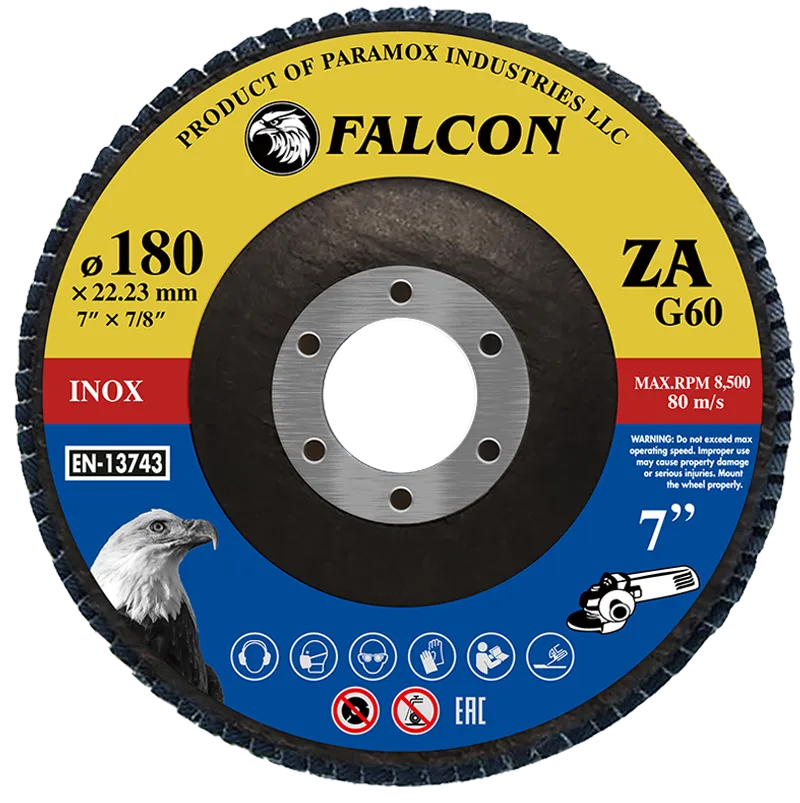
When it comes to metal grinding and surface finishing, choosing the right abrasive tool can significantly impact work efficiency, surface quality, and overall project results. Two of the most commonly used options are flap discs and fiber discs.
Although flap discs and fiber discs are designed for similar purposes, they have different structures, working characteristics, and ideal applications. Understanding the differences between these two abrasive tools helps professionals select the right solution for each job, improve productivity, and achieve better finishing results.
Falcon provides high-quality abrasive solutions designed for various metalworking applications. In this guide, we will explain the key differences between flap discs and fiber discs, including their construction, performance, applications, and how to choose the right option.
Understanding the Structure of Flap Discs and Fiber Discs
The biggest difference between flap discs and fiber discs is their construction.
What Is a Flap Disc?
A flap disc is made of multiple overlapping abrasive flaps attached to a backing plate. During operation, the abrasive flaps gradually wear away and continuously expose fresh abrasive grains, allowing the disc to maintain consistent grinding performance throughout its service life.
The flexible flap design provides several advantages:
· Excellent surface adaptability on curved or uneven workpieces
· Smooth and controlled grinding performance
· Reduced risk of deep scratches or surface damage
· Combined grinding and finishing capabilities
Because of its balanced cutting action and finishing ability, a flap disc is often preferred for applications where both material removal and surface appearance matter.
What Is a Fiber Disc?
A fiber disc features a single abrasive layer bonded to a strong fiber backing. Compared with flap discs, fiber discs have a more rigid structure and provide a more aggressive cutting action.
Key advantages of fiber discs include:
· Fast material removal
· Strong performance under high grinding pressure
· Excellent efficiency for heavy-duty applications
· Cost-effective solution for demanding grinding tasks
Fiber discs are commonly used when speed and aggressive stock removal are the main priorities.
Flap Disc vs. Fiber Disc: Performance Differences
While both abrasive tools are widely used in metalworking, their performance characteristics make them suitable for different applications.
Grinding Performance
Flap discs provide a smoother and more controlled grinding experience. Their flexible abrasive flaps adjust to the workpiece surface, making them ideal for blending welds, finishing edges, and preparing surfaces before coating or painting.
Fiber discs deliver more aggressive cutting performance. Their rigid backing allows operators to apply higher pressure, making them suitable for removing large amounts of material quickly.
Surface Finish
One of the biggest advantages of flap discs is their ability to combine grinding and finishing in one step.
They create smoother surfaces with fewer visible scratches, making them a popular choice for applications where appearance and consistency are important.
Fiber discs focus more on speed and efficiency. While they remove material quickly, additional finishing steps may be required to achieve a smoother surface.
Service Life and Durability
Flap discs typically offer longer service life because the layered abrasive flaps continuously expose new cutting surfaces during use.
Fiber discs can provide excellent performance during heavy grinding but may wear faster under extended high-pressure applications.
Choosing the correct abrasive tool based on the job requirements helps maximize product value and reduce replacement frequency.
When Should You Use a Flap Disc?
Flap discs are ideal for applications that require both efficient grinding and a high-quality surface finish.
Common uses include:
· Weld blending and finishing
· Edge smoothing
· Stainless steel finishing
· Surface preparation
· Light rust and coating removal
· General metal polishing
The flexible structure allows flap discs to follow the shape of the workpiece, reducing the risk of gouging and providing more consistent results.
Falcon flap discs are engineered with durable abrasive materials and reliable construction to deliver stable performance in professional metalworking environments.
When Should You Use a Fiber Disc?
Fiber discs are better suited for heavy-duty grinding tasks where fast material removal is the priority.
Typical applications include:
· Heavy weld removal
· Grinding excess metal
· Removing thick rust and coatings
· Leveling uneven surfaces
· High-pressure grinding operations
The rigid fiber backing provides strong support during aggressive grinding, allowing operators to complete demanding jobs efficiently.
However, because fiber discs rely on a single abrasive layer, they may require more frequent replacement compared with flap discs in certain applications.
How to Choose Between Flap Discs and Fiber Discs
Selecting the right abrasive tool depends on several important factors.
Consider the Material
Different materials require different abrasive solutions:
· Aluminum oxide abrasives are suitable for general-purpose grinding and everyday applications.
· Zirconia flap discs provide excellent durability and are ideal for steel and stainless steel grinding.
· Ceramic abrasives deliver high cutting performance for demanding industrial applications.
Consider the Desired Finish
Choose a flap disc when you need:
· Smooth surface finishing
· Controlled material removal
· Reduced surface marks
Choose a fiber disc when you need:
· Faster cutting speed
· Maximum material removal
· Heavy-duty grinding performance
Consider the Working Conditions
The pressure applied during grinding also affects tool performance.
Fiber discs are designed to handle higher grinding pressure, while flap discs perform best with moderate, controlled pressure.
Using the correct abrasive disc not only improves efficiency but also extends tool life and reduces unnecessary costs.
Quality Standards for Flap Discs and Fiber Discs
High-quality abrasive tools should meet strict manufacturing standards to ensure safety, durability, and reliable performance.
Premium flap discs typically feature:
· High-quality abrasive grains such as zirconia or ceramic
· Strong fiberglass backing plates
· Secure flap bonding
· Balanced construction for stable operation
Reliable fiber discs should include:
· Durable fiber backing
· Uniform abrasive distribution
· Strong bonding strength
· Consistent thickness and performance
At Falcon, every abrasive product is manufactured with strict quality control to ensure dependable performance across different industrial applications.
Final Thoughts
Both flap discs and fiber discs play important roles in metalworking, but they are designed for different purposes.
Flap discs are the better choice for users who need smooth finishing, flexibility, and longer-lasting performance. Fiber discs are ideal for aggressive grinding tasks that require fast material removal.
By understanding the differences between these two abrasive tools, professionals can make smarter product choices, improve workflow efficiency, and achieve better results.
Falcon continues to provide reliable abrasive solutions that help professionals complete grinding, finishing, and surface preparation tasks with confidence.