Grinding Wheel and Cutting Wheel Guide for B2B Buyers

Get a Free Quote

Our representative will contact you soon.
Email
Mobile/WhatsApp
Name
Company Name
Country
Customer Type
Estimated Order Quantity
MOQ and Free Sample Policy
Message
0/1000

grinding wheel and cutting wheel

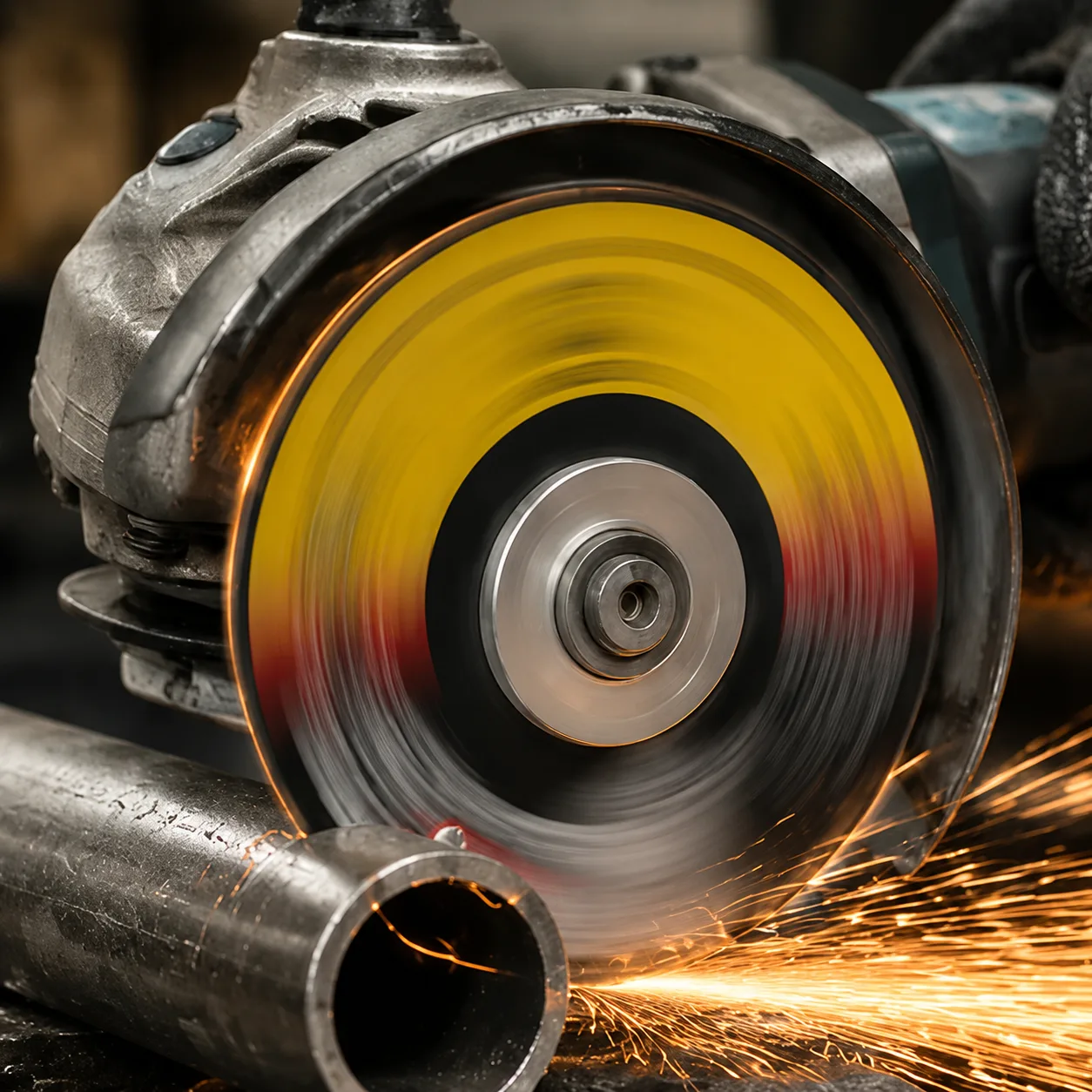
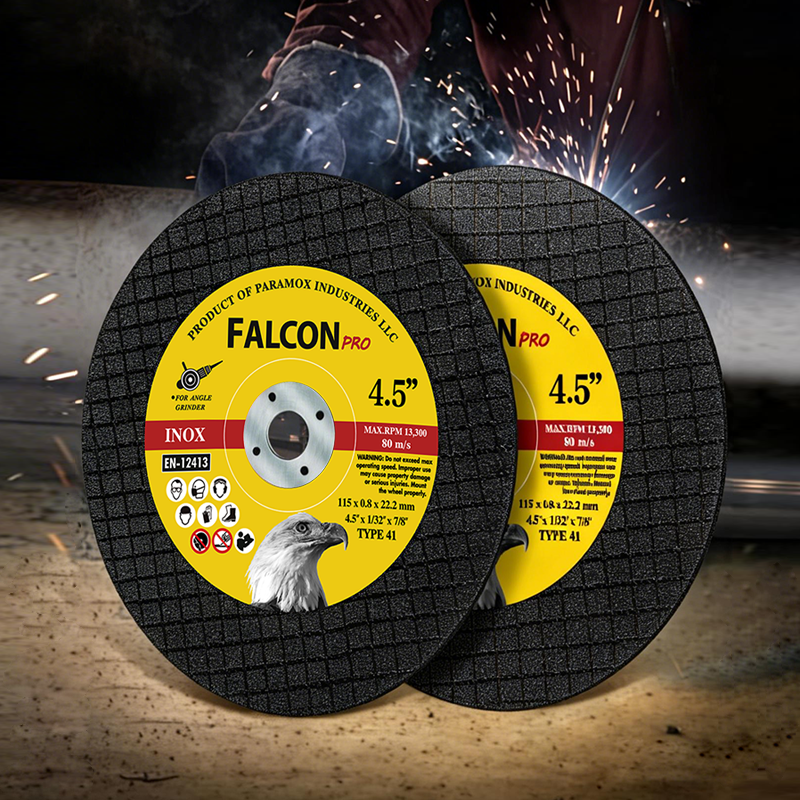
When it comes to industrial applications, grinding wheels and cutting wheels are essential tools that significantly impact productivity and performance. These abrasive tools are designed for a variety of uses, from shaping and finishing materials to cutting through tough steel. B2B buyers, such as purchasing managers and engineers, often face challenges in selecting the right wheels that meet their specific needs. , we will explore important considerations for bulk orders, key factors for sourcing abrasive tools, the advantages of various grinding wheel materials, cost factors for wholesale purchases, and the diverse applications of these wheels across industries.
What to Consider for Bulk Orders

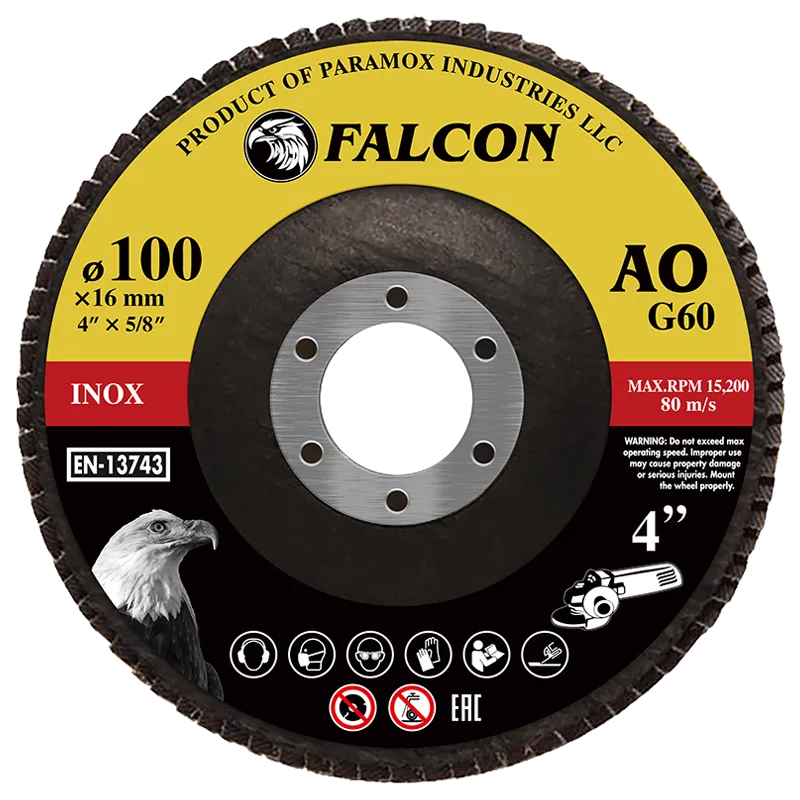
When placing bulk orders for grinding wheels and cutting wheels, several factors should be taken into account to ensure you receive the best value and performance. Firstly, assess your specific application requirements, such as the type of materials you will be working with and the desired finish quality. This will help you determine the appropriate wheel specifications, including diameter, thickness, and grit size.

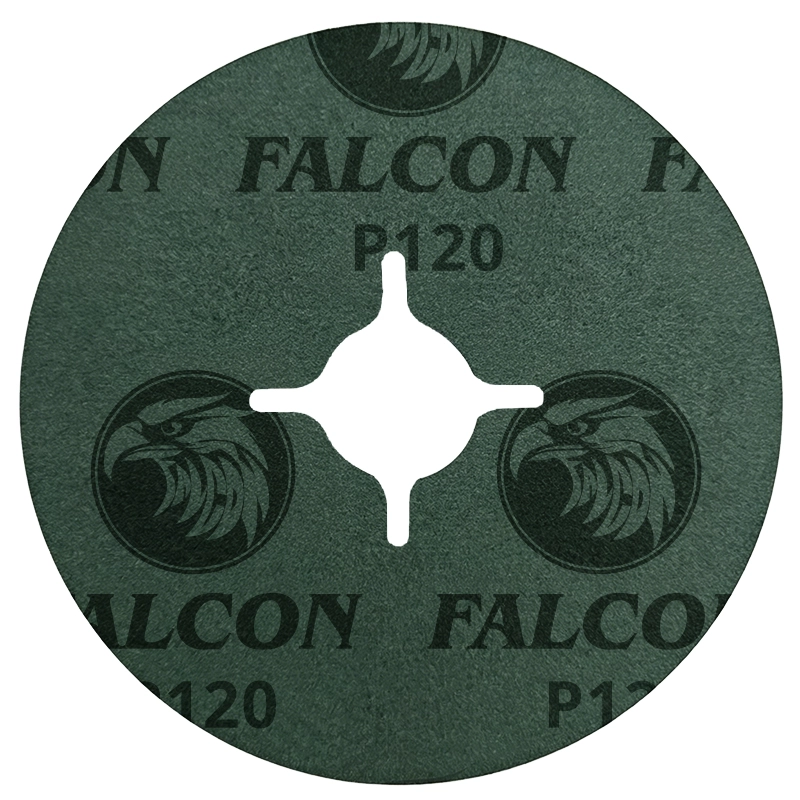
Next, consider the minimum order quantity (MOQ) and whether the supplier can accommodate your needs. Some manufacturers allow for smaller orders, while others may have higher MOQs due to production constraints. Additionally, inquire about customization options, as tailored wheels can enhance performance for specialized applications, such as Grinding Discs for Metal.

Lastly, ensure that the supplier has robust quality control processes in place. Requesting samples before committing to a large order is advisable, as this allows you to evaluate the wheel's performance under actual operating conditions. This step can help avoid costly mistakes and ensure that the wheels will meet your production standards.

Frequently Asked Questions

What types of grinding and cutting wheels do you offer?

We supply high-performance grinding wheels, cutting discs, and specialty abrasive discs for metal, steel plate, and industrial applications, available in various sizes, grits, bonds, and profiles.
Select a wheel rated for steel with appropriate grit and bond hardness; softer bonds for hard steels, coarse grits for fast stock removal, finer grits for finishing. Contact us with material and application for recommendations.
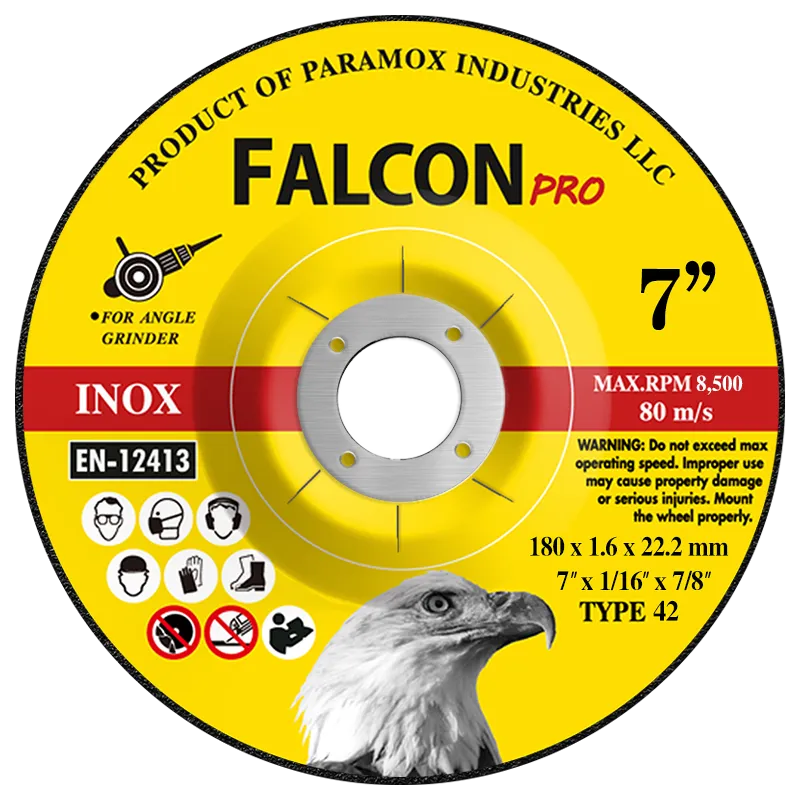
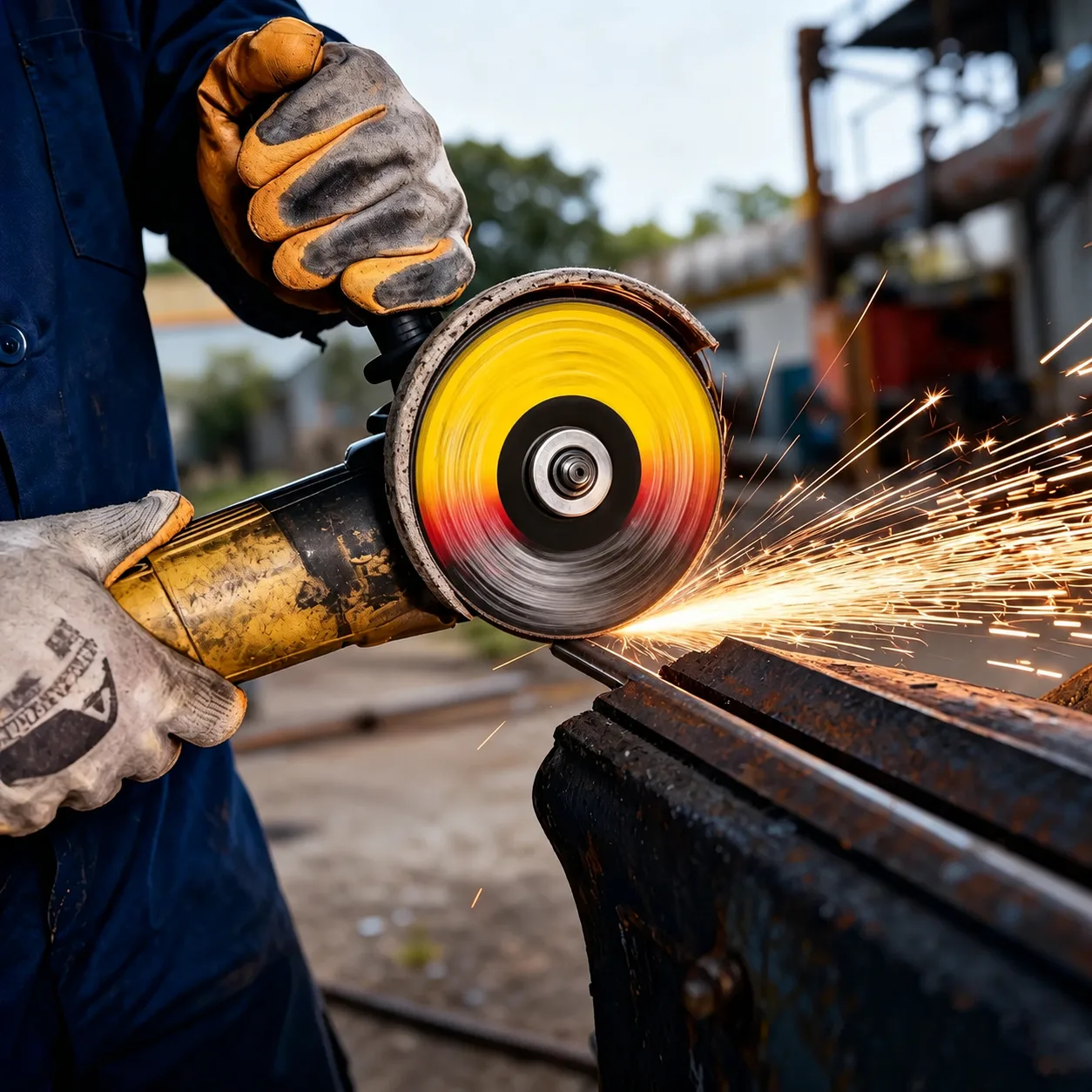
Use protective clothing, gloves, safety footwear, eye and face protection, and hearing protection. Ensure guards and proper PPE are in place when grinding or cutting.
Always follow the wheel’s marked maximum RPM. Match wheel diameter to tool speed and never exceed the rated RPM to prevent wheel failure.
Yes. We offer custom wheel sizes, bonds, and specifications for OEM and industrial needs using advanced manufacturing to meet performance and safety requirements.

Our Blog Posts

How to Extend the Lifespan of Your Flap Discs

16

Apr

How to Extend the Lifespan of Your Flap Discs

Flap discs are essential abrasive tools widely used for grinding, blending, polishing, and surface preparation in metalworking applications. Whether used for weld finishing, rust removal, or general surface treatment, a high-quality flap disc can sig...
View More
Flap Disc vs Fiber Disc: Whats the Difference?

22

Apr

Flap Disc vs Fiber Disc: Whats the Difference?

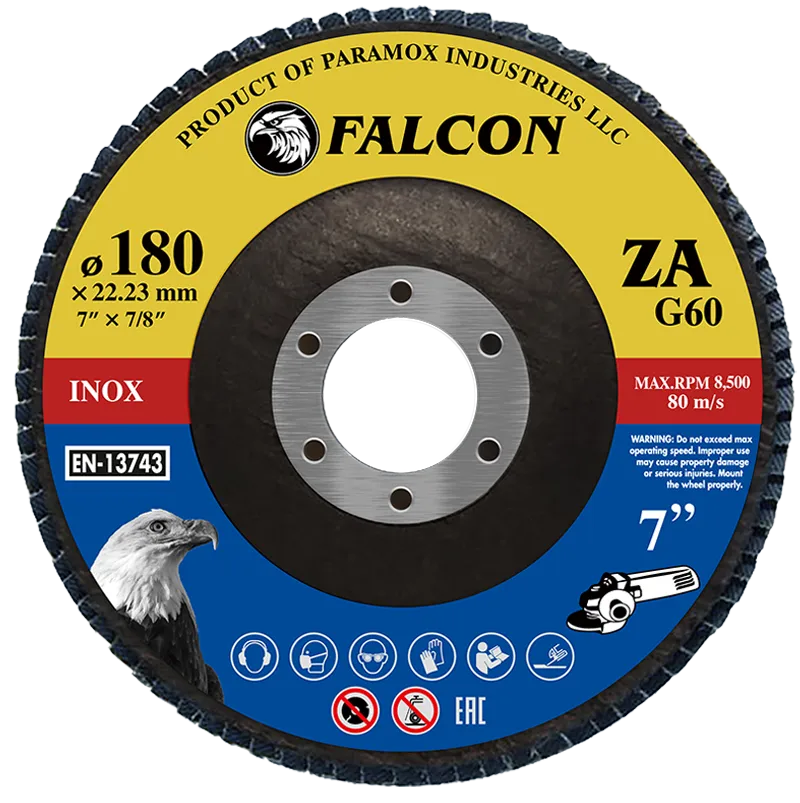
When it comes to metal grinding and surface finishing, choosing the right abrasive tool can significantly impact work efficiency, surface quality, and overall project results. Two of the most commonly used options are flap discs and fiber discs. Alth...
View More
How to Safely Use a Cut Off Wheel Without Breaking It

17

Sep

How to Safely Use a Cut Off Wheel Without Breaking It

Cut-off wheels provide efficient cutting for metal, tile, and other hard materials. However, improper operation can create serious safety risks. Following standard safety guidelines helps protect the operator while maintaining the integrity of the wh...
View More
What Is a Fiber Disc & How Does It Work?

29

Jul

What Is a Fiber Disc & How Does It Work?

Fiber discs are really important tools in lots of industries, specially manufacturing and construction. They made from strong stuff and good for sanding, grinding, or polishing surfaces. You put them on machine, they spin fast and smooth rough edges ...
View More

Get a Free Quote

Our representative will contact you soon.
Email
Mobile/WhatsApp
Name
Company Name
Country
Customer Type
Estimated Order Quantity
MOQ and Free Sample Policy
Message
0/1000

Related product categories

Key Factors for Sourcing Abrasive Tools

Key Factors for Sourcing Abrasive Tools

Sourcing high-quality abrasive tools, such as grinding and cutting wheels, involves several critical considerations. Start by evaluating the manufacturer's production capabilities and equipment. Understanding their technology and processes can provide insights into the quality and consistency of the products offered.

Certifications and compliance with industry standards are also essential. Look for manufacturers that adhere to relevant quality certifications, as this often indicates a commitment to maintaining high standards in production and performance. Additionally, consider the supplier's experience in the market, as established manufacturers typically have a better understanding of customer needs and industry trends.

Price is another key factor, but it shouldn't be the sole determining element. Instead, evaluate the cost relative to the quality and performance of the wheels. Sometimes, opting for a slightly higher-priced product can result in lower overall costs due to improved durability and efficiency. For instance, consider investing in Grinding Disc for Inox/stainless steel for specific applications.

Grinding Wheel Material Advantages

Grinding Wheel Material Advantages

The material composition of grinding wheels plays a crucial role in their performance and suitability for specific applications. Common materials include aluminum oxide, silicon carbide, and diamond, each offering distinct advantages.

Aluminum oxide wheels are versatile and suitable for a wide range of applications, especially when grinding ferrous metals. They provide good durability and are cost-effective, making them a popular choice in many industrial settings.

Silicon carbide wheels, on the other hand, are ideal for grinding non-ferrous materials, such as plastics and ceramics. They offer superior cutting action and are effective for hard materials.

Diamond wheels are the premier choice for the most demanding applications, providing exceptional performance for cutting and grinding hard materials like stone and glass. While they are typically more expensive, their longevity and efficiency can justify the investment.

Understanding the specific advantages of these materials can help buyers select the right grinding wheels for their applications, ensuring optimal performance and cost-effectiveness.

Evaluating Cost Factors for Wholesale Grinding and Cutting Wheels

Evaluating Cost Factors for Wholesale Grinding and Cutting Wheels

When evaluating costs for wholesale grinding and cutting wheels, several factors come into play. First, consider the material costs associated with the manufacturing process. High-quality materials may lead to higher upfront costs, but they can offer better longevity and performance, ultimately reducing the total cost of ownership.

Next, assess production efficiency. A manufacturer with advanced production capabilities may offer competitive pricing due to lower operational costs. Additionally, inquire about lead times and shipping costs, as longer lead times can impact your production schedule and increase overall expenses.

Volume discounts are another important consideration. Many suppliers offer tiered pricing based on order quantities, so it is crucial to understand the pricing structure and negotiate based on your projected needs. This can lead to significant savings, especially for regular bulk orders.

Lastly, factor in the potential costs of quality assurance. Investing in higher-quality wheels can minimize defects and rework, leading to long-term savings. Establish clear quality expectations and communicate these with your supplier to mitigate risks associated with inferior products.

Applications of Grinding and Cutting Wheels in Various Industries

Grinding and cutting wheels are used across a wide range of industries, each with unique applications and requirements. In the metalworking industry, these wheels are essential for shaping, grinding, and finishing metal parts. They are used in manufacturing processes such as automotive production, aerospace component fabrication, and general machining tasks.

In construction, cutting wheels are vital for tasks such as cutting concrete, masonry, and metal reinforcements. Their ability to handle tough materials makes them indispensable for contractors and builders.

The woodworking industry also relies on these abrasive tools, particularly for shaping and finishing wooden products. Choosing the right wheels can significantly impact the quality of the finished product and the efficiency of the production process.

Additionally, the electronics industry uses specialized grinding wheels for the precise processing of components, where accuracy and surface finish are critical. Understanding the specific applications of grinding and cutting wheels in various industries can guide buyers in selecting the most suitable products for their needs.

By considering these factors, B2B buyers can make informed decisions when sourcing grinding wheels and cutting wheels, ensuring they select the right products for their specific applications.

Get a Free Quote

Our representative will contact you soon.
Email
Mobile/WhatsApp
Name
Company Name
Country
Customer Type
Estimated Order Quantity
MOQ and Free Sample Policy
Message
0/1000