Choosing the Right Fiber Disc for Industrial Use

Get a Free Quote

Our representative will contact you soon.
Email
Mobile/WhatsApp
Name
Company Name
Country
Customer Type
Estimated Order Quantity
MOQ and Free Sample Policy
Message
0/1000

fiber disc

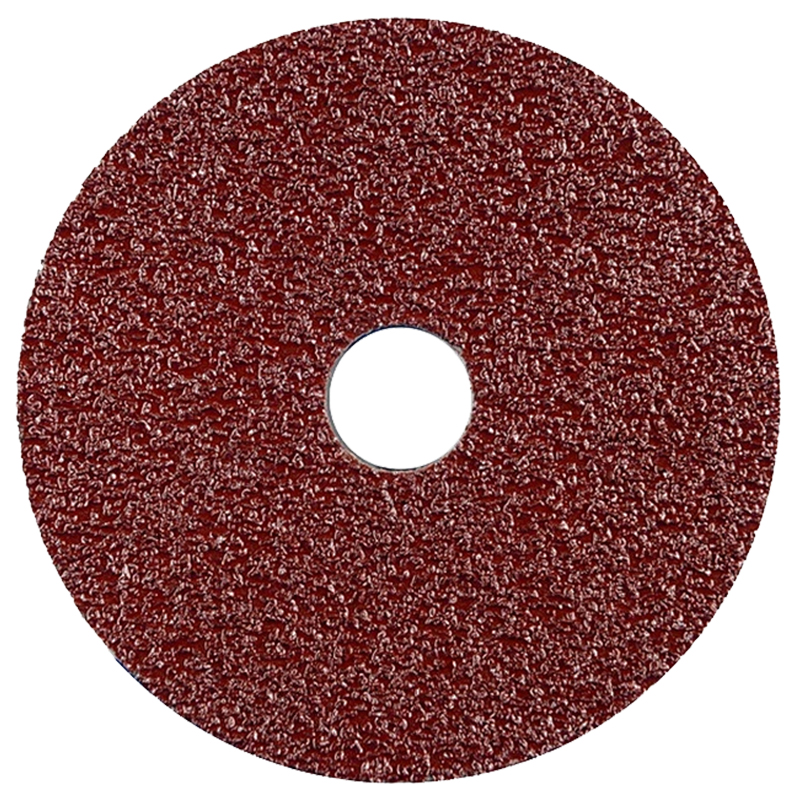
Fiber discs are essential tools in the industrial sector, specifically designed for grinding, sanding, and finishing various materials. They are commonly used in metalworking, woodworking, and construction applications. As a buyer, understanding the nuances of fiber discs—including their specifications, applications, and sourcing options—is crucial for ensuring optimal performance in your projects. This article will help you navigate the selection process, identify reliable suppliers, address common challenges, and explore the diverse applications of fiber discs across industries.
Choosing the Right Fiber Disc for Your Industrial Applications

Selecting the appropriate fiber disc involves understanding several key specifications and how they affect performance. The most critical factors include the disc's material composition, grit size, thickness, and diameter.

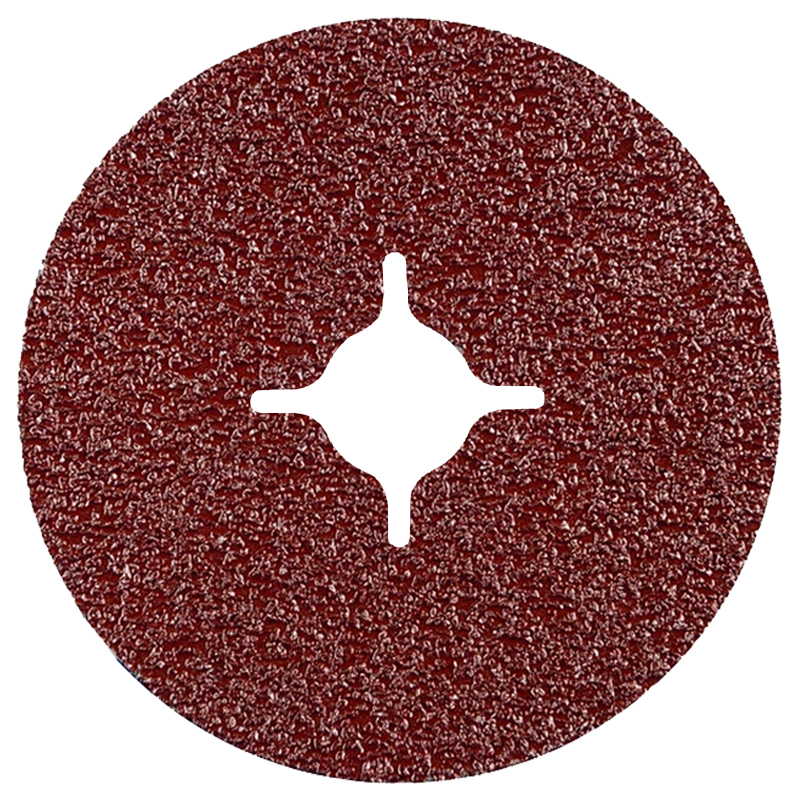
Material Composition: Fiber discs are typically made from high-quality alumina, zirconia, or ceramic materials. Aluminum oxide discs are best for general-purpose grinding, while zirconia discs provide better durability for heavy applications. Ceramic fiber discs excel in high-pressure environments, offering superior cutting capacity and longevity.

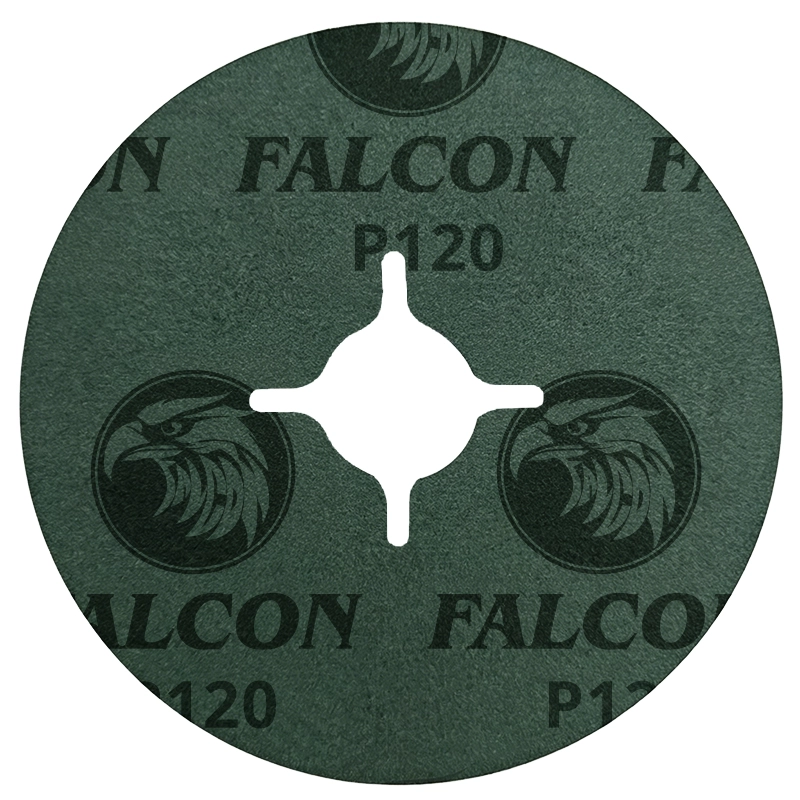
Grit Size: The grit size affects the disc's abrasiveness; a lower number indicates coarser grit suitable for material removal, while higher numbers are finer, ideal for finishing work. For instance, if you need to remove heavy welds, a 36-grit disc may be appropriate, while a 120-grit disc would be better for final finishing.

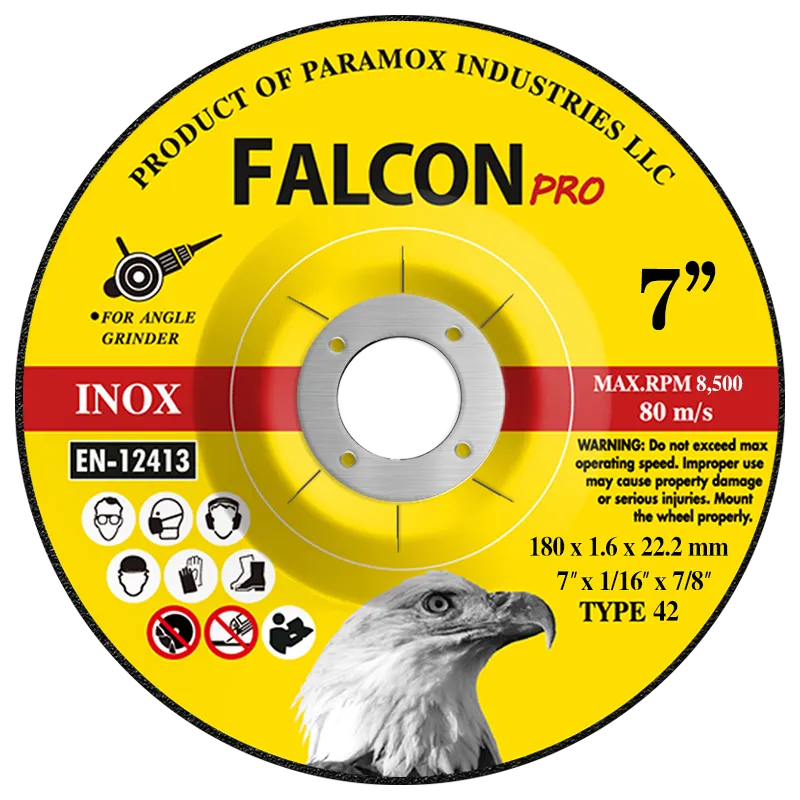
Thickness and Diameter: The thickness of the disc influences its durability and the type of machine it can be used with. Thicker discs are generally more robust, suitable for heavy-duty applications. Standard diameters range from 4 to 7 inches, but custom sizes may be available depending on your machinery. Understanding these specifications will help you choose the right fiber disc tailored to your specific industrial application.

Frequently Asked Questions

What materials are fiber discs suitable for?

Our fiber discs are designed for grinding and finishing steel, stainless steel, aluminum, and other common metals in industrial applications.
Fiber discs come in a range from coarse to fine grits to support heavy stock removal through fine finishing; contact us for specific grit availability.
We offer multiple diameters and both hook-and-loop and plain-back attachment types to fit standard industrial grinders.
Store discs flat in a dry, temperature-stable area, avoid bending, and inspect before use to ensure safety and optimal performance.
Wear appropriate protective clothing, gloves, eye and hearing protection, and follow grinder speed limits and proper mounting procedures.

Our Blog Posts

A Complete Guide to Choosing the Right Flap Disc for Metal Fabrication

04

Apr

A Complete Guide to Choosing the Right Flap Disc for Metal Fabrication

Quality tools are essential for efficient metalworking, and flap discs are among the most versatile abrasives for grinding, blending, deburring, and surface finishing. Available in different materials, grit sizes, and shapes, the right flap disc can ...
View More
What Is a Zirconia Flap Disc Used For?

08

May

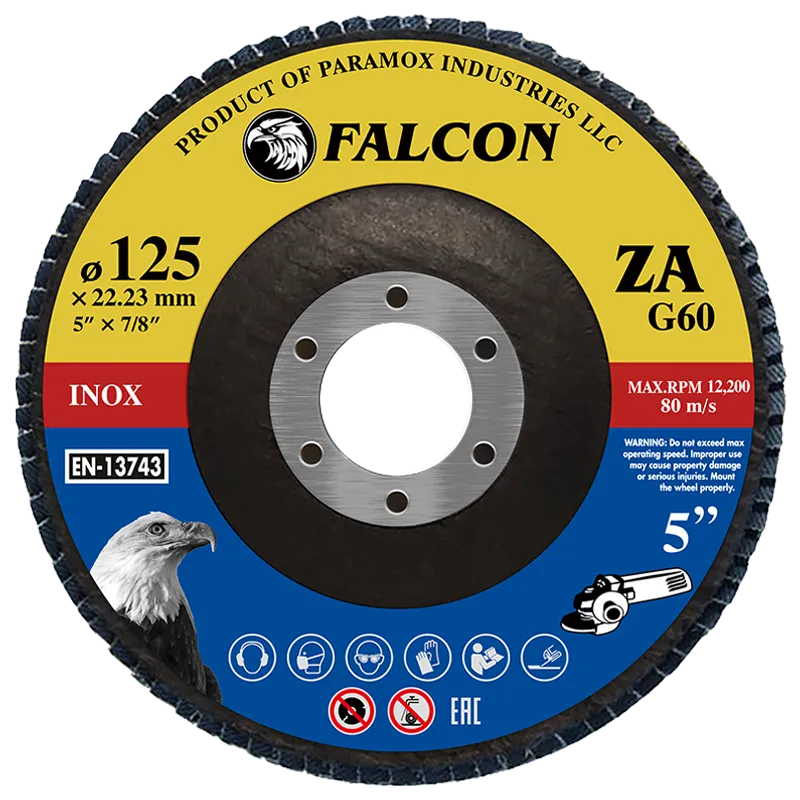
What Is a Zirconia Flap Disc Used For?

Zirconia flap discs are special tools using for grinding and polishing many kind of materials. They very popular in industries like metalworking and also woodworking. These discs got layers from zirconia abrasive that help to make surface smooth and ...
View More
Can You Use a Cut Off Wheel on Aluminum?

08

Oct

Can You Use a Cut Off Wheel on Aluminum?

When processing metals, selecting suitable power-tool accessories is essential, and the cut-off wheel is one of the most widely-used options. These abrasive discs work across multiple materials, yet many users question whether they deliver safe, high...
View More
What Is a Fiber Disc & How Does It Work?

29

Jul

What Is a Fiber Disc & How Does It Work?

Fiber discs are really important tools in lots of industries, specially manufacturing and construction. They made from strong stuff and good for sanding, grinding, or polishing surfaces. You put them on machine, they spin fast and smooth rough edges ...
View More

Get a Free Quote

Our representative will contact you soon.
Email
Mobile/WhatsApp
Name
Company Name
Country
Customer Type
Estimated Order Quantity
MOQ and Free Sample Policy
Message
0/1000

Related product categories

Sourcing Reliable Suppliers

Sourcing Reliable Suppliers

When sourcing fiber discs, look for suppliers with a proven track record in manufacturing high-performance abrasive tools. Assess their certifications, such as ISO 9001, which indicates a commitment to quality management. Additionally, inquire about their quality control processes to ensure consistency in product performance. For those in need of custom solutions, check out Other Products / Custom Requirements to find suitable options.

Establishing a solid relationship with suppliers can also enhance your purchasing experience. Open communication about your specific needs, including the expected lead time and minimum order quantities (MOQs), will help you streamline the procurement process. Consider requesting samples before placing bulk orders to evaluate the discs' performance against your requirements.

Common Problems with Fiber Discs and Effective Solutions

Common Problems with Fiber Discs and Effective Solutions

While fiber discs are designed for durability and performance, users may encounter common issues during their use. Understanding these problems can help in selecting the right product and improving operational efficiency.

Disc Wear: One of the most common issues is premature disc wear. This can often be attributed to using the wrong type of disc for the application. Ensure that the selected material and grit size are appropriate for the job. Regular monitoring during use can help identify wear patterns early.

Loading: Loading occurs when material builds up on the disc surface, affecting its cutting ability. This is often exacerbated by using the wrong grit size or excessive pressure during operation. To mitigate loading, consider using discs designed with anti-loading features or adjust your technique to apply less pressure.

Breakage: Disc breakage can happen due to improper handling or using the wrong mounting equipment. Ensure that the discs are stored correctly and check compatibility with your equipment before use. Following the manufacturer's guidelines regarding mounting techniques can also reduce the risk of breakage. By addressing these issues proactively, you can maximize the lifespan and performance of your fiber discs.

Finding Trusted Distributors and Importers

Finding Trusted Distributors and Importers

Finding reliable distributors and importers for fiber discs is crucial for maintaining a steady supply chain. Start by researching companies that specialize in abrasive tools and have strong industry reputations. Look for distributors with established networks and experience in your specific market segment.

Consider factors such as customer reviews, industry certifications, and their ability to provide technical support. Engaging with distributors who understand your unique requirements can facilitate smoother transactions and better product recommendations. Additionally, explore if the distributor offers customization options. Custom sizes and specifications may be necessary for specialized applications, and a responsive supplier can help fulfill these needs efficiently.

Fiber Disc Applications in Various Industries

Fiber discs play a vital role in multiple industries, each with unique requirements and applications.

Metalworking: In metal fabrication, fiber discs are commonly used for weld preparation, deburring, and surface finishing. Their durability and effectiveness in removing material make them ideal for tasks that require precision and efficiency.

Woodworking: For woodworking applications, fiber discs are utilized for sanding and finishing wood surfaces. The ability to choose different grit sizes allows woodworkers to achieve smooth finishes on various types of wood, enhancing the overall aesthetic quality.

Construction: In the construction industry, fiber discs are essential for surface preparation of concrete and masonry. They help in removing imperfections and preparing surfaces for coating or sealing, ensuring better adhesion and longevity of materials. Make sure to check out Protective Workwear to ensure safety while working in these environments.

Each application demands a tailored approach to disc selection, emphasizing the importance of understanding both the material and the specific tasks involved. By taking the time to evaluate your needs and the available options, you can ensure that you select the right fiber discs for your industrial applications, leading to improved efficiency and productivity in your operations.

Get a Free Quote

Our representative will contact you soon.
Email
Mobile/WhatsApp
Name
Company Name
Country
Customer Type
Estimated Order Quantity
MOQ and Free Sample Policy
Message
0/1000