Stainless Steel Grinding Wheels for Industrial Use

Get a Free Quote

Our representative will contact you soon.
Email
Mobile/WhatsApp
Name
Company Name
Country
Customer Type
Estimated Order Quantity
MOQ and Free Sample Policy
Message
0/1000

stainless steel grinding wheel

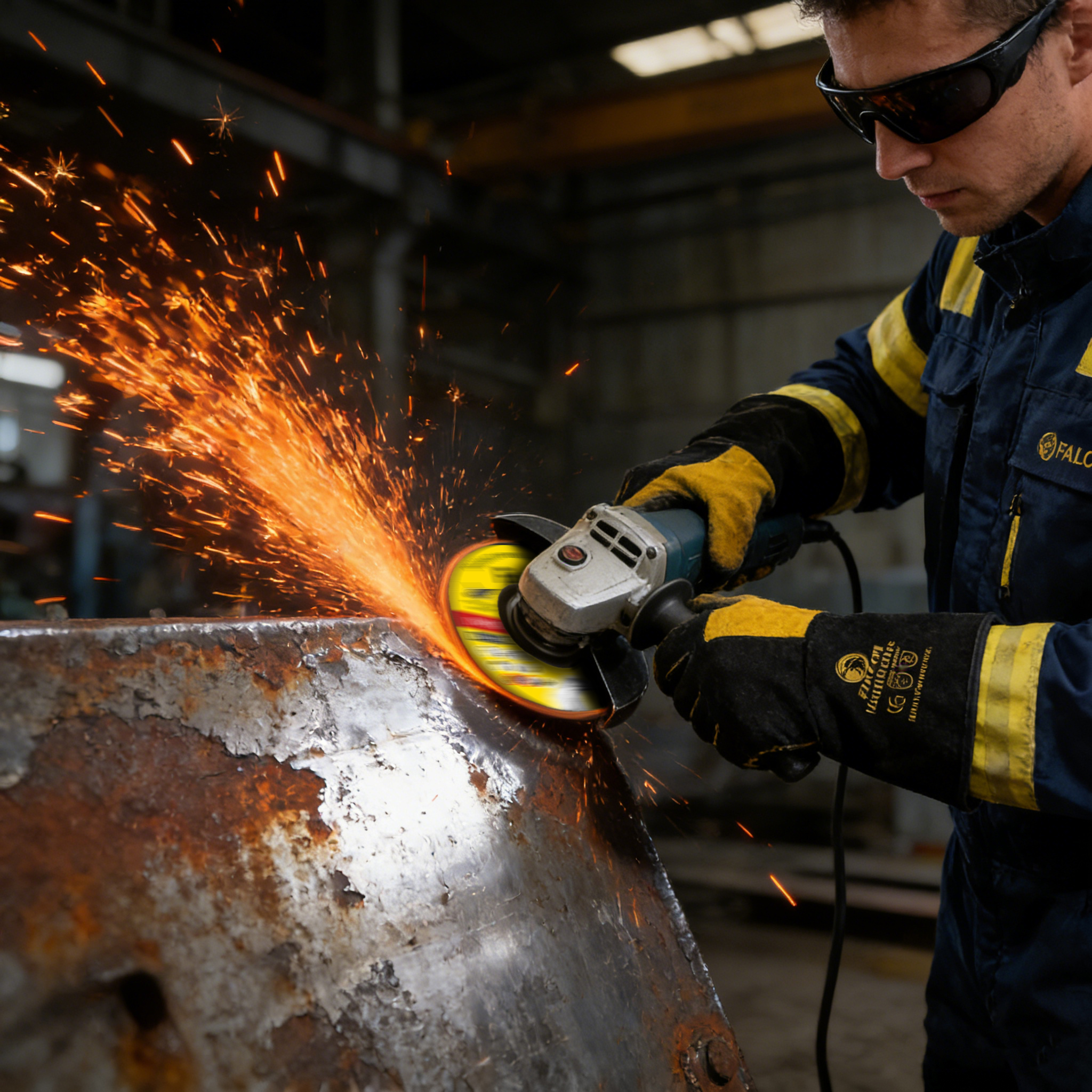
Stainless steel grinding wheels are essential tools in various industrial applications, known for their durability and efficiency in grinding, cutting, and finishing stainless steel and other metals. For B2B buyers, understanding the specific requirements and features of these grinding wheels is critical to ensure optimal performance and cost-effectiveness. This article will provide insights into key specifications, advantages, common problems, installation guidance, and applications of stainless steel grinding wheels, helping purchasing managers and engineers make informed decisions.

Our Products

Key Specifications to Consider for Stainless Steel Grinding Wheels

When selecting stainless steel grinding wheels, several key specifications must be considered to ensure they meet application requirements. These include:

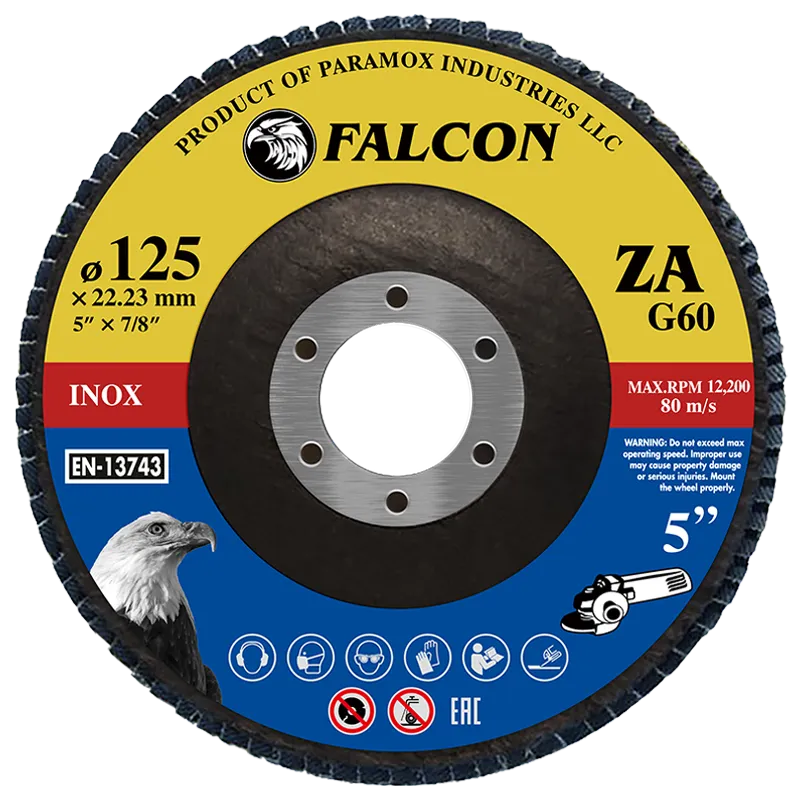
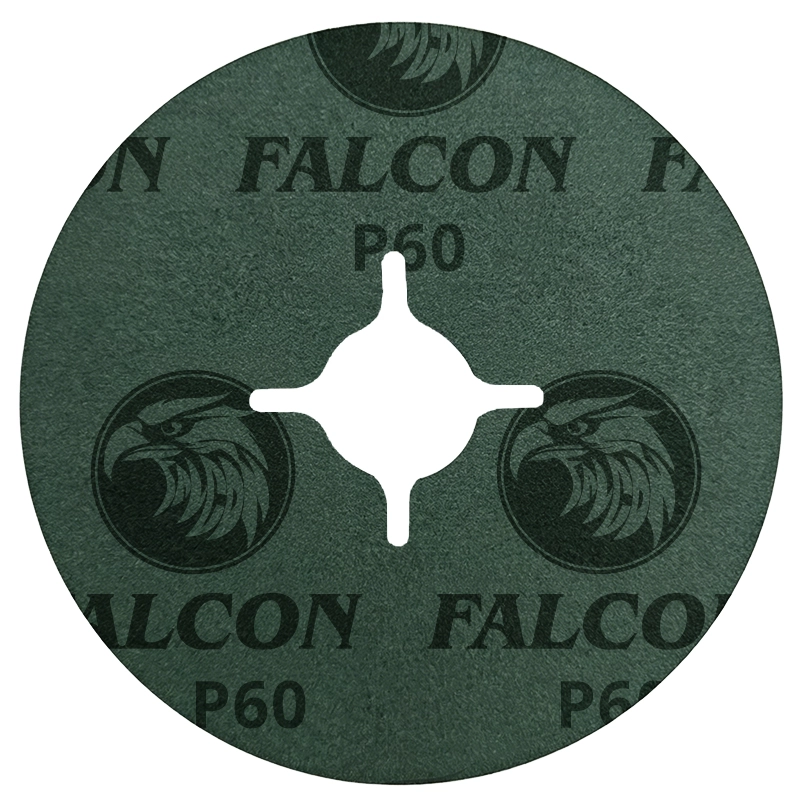
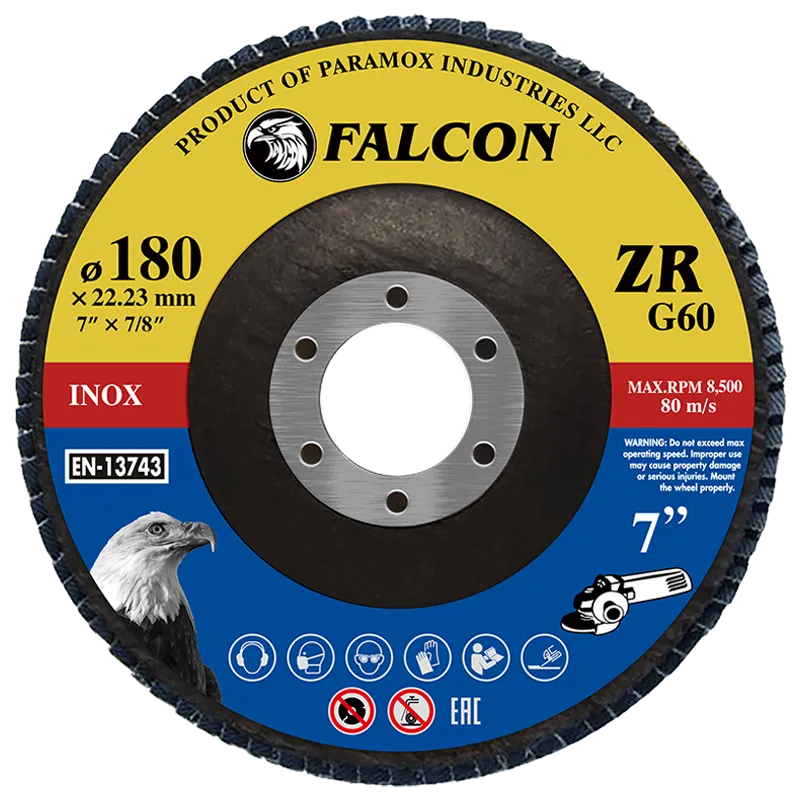
Material Composition: The grinding wheel material affects its performance and durability. Look for wheels made from high-quality aluminum oxide or zirconia, which are specifically designed for stainless steel applications, providing enhanced cutting ability and longer life. For example, our Grinding Disc for Inox/stainless steel is an excellent choice.

Grit Size: Grit size influences the surface finish and removal rate. A finer grit (e.g., 120-240) is suitable for finishing work, while coarser grits (e.g., 36-80) are better for heavy stock removal. Understanding the intended application will help determine the appropriate grit size.

Wheel Diameter and Thickness: The diameter and thickness of the grinding wheel should match the requirements of the machinery used. Common diameters range from 4 to 14 inches, and thickness can vary from 1/16 to 1 inch. Ensure compatibility with your equipment to prevent operational issues.

Bond Type: The bond type affects the wheel's resilience and performance under different conditions. Resinoid bonds are popular for their strength and ability to withstand high-speed applications, while vitrified bonds offer excellent stability and precision for fine grinding tasks.

RPM Rating: Each grinding wheel has a maximum RPM rating that must be adhered to for safe operation. Ensure that the chosen wheel’s RPM rating exceeds the operating speed of the machine to prevent accidents.

Frequently Asked Questions

What is a stainless steel grinding wheel used for?

Designed for precision grinding and finishing of stainless steel surfaces, removing welds, burrs, and corrosion while maintaining material integrity in industrial applications.
Our wheels use advanced abrasives tailored for stainless steel, combining durable grains and bonded matrices for high cut rates and long life.
Available in multiple diameters, thicknesses and grit ranges to suit rough grinding to fine finishing; contact us for specific size and grit catalogs.
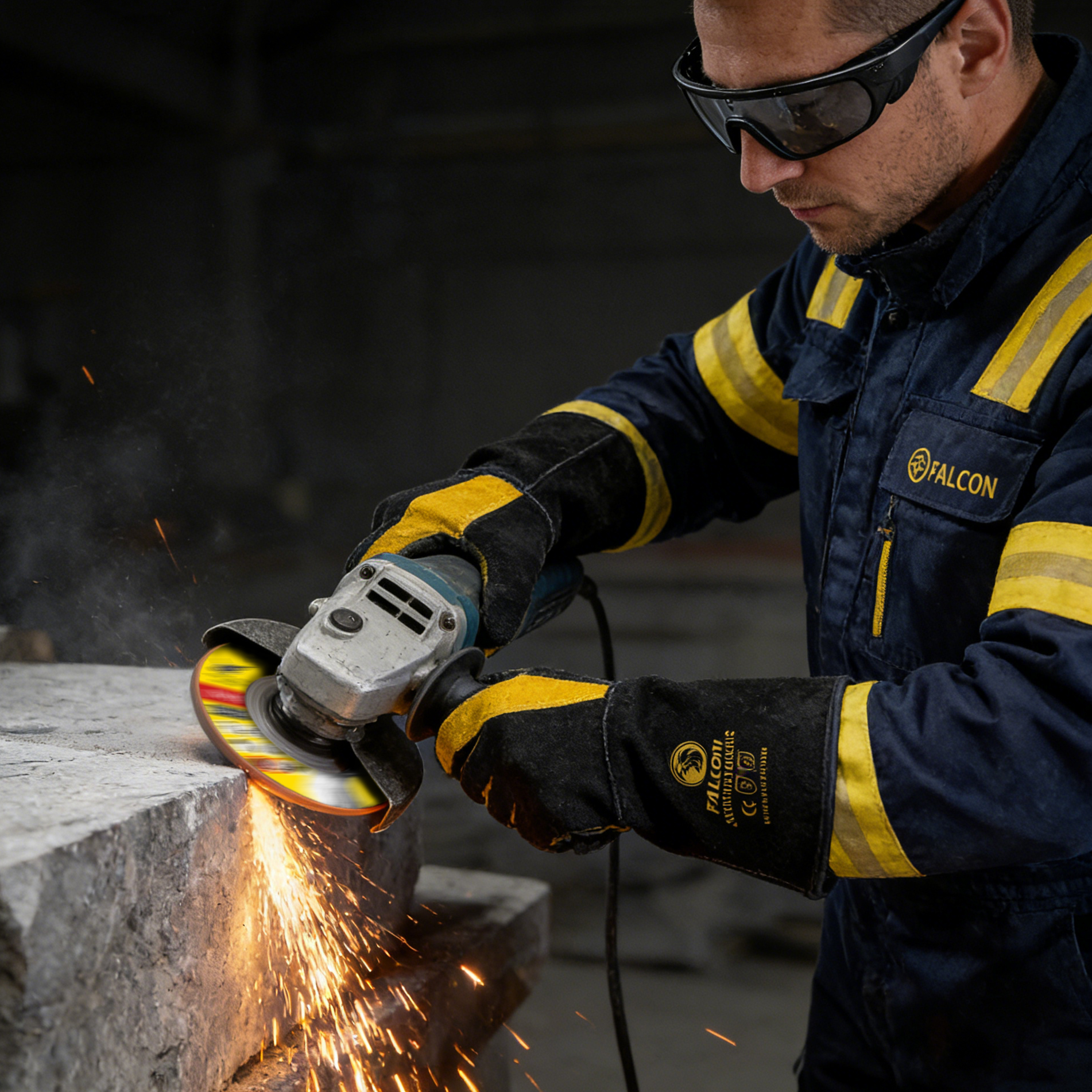
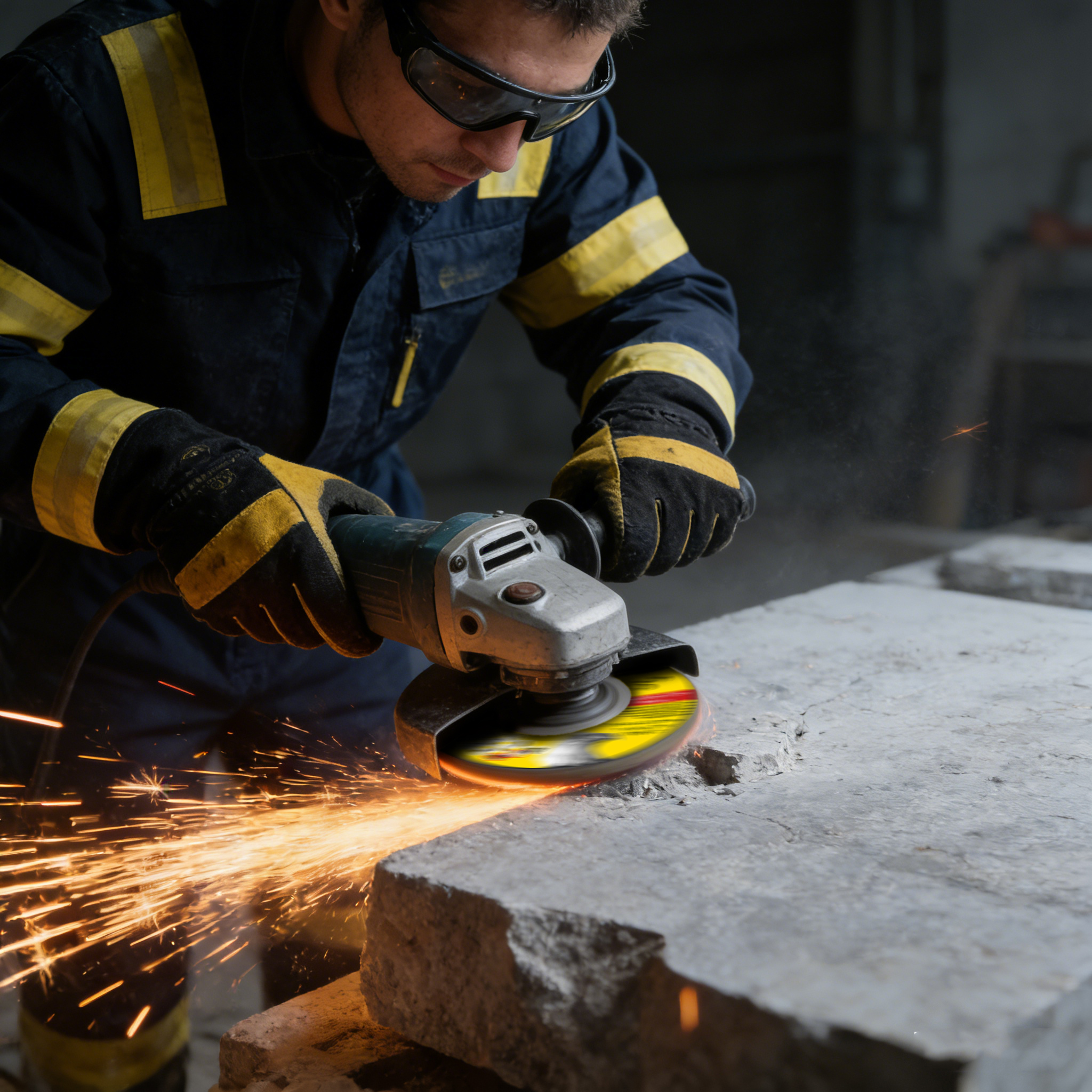
Follow RPM limits, use proper guards, wear protective clothing and footwear, secure workpieces, and inspect wheels for cracks before use.
Store dry, avoid contamination, dress wheels regularly, follow recommended speeds, and replace when worn or damaged to maintain performance and safety.

Our Blog Posts

How to clean a flap disc?

25

Mar

How to clean a flap disc?

Proper cleaning is essential to maintain the performance of flap discs. A flap disc is an accessory fitted to angle grinders for grinding, sanding, and polishing various surfaces. Over time, accumulated dust, dirt, and metal debris will clog the disc...
View More
Industrial Flap Discs: Quality Standards for Heavy-Duty Applications

10

Apr

Industrial Flap Discs: Quality Standards for Heavy-Duty Applications

Industrial flap discs play a critical role in heavy-duty metal fabrication, manufacturing, and surface preparation industries. Designed for grinding, blending, deburring, and finishing operations, high-quality flap discs provide consistent performanc...
View More
What Is a Grinding Wheel & What Are Its Types?

07

Aug

What Is a Grinding Wheel & What Are Its Types?

A grinding wheel is a very important tool in lots of industries. It help to shape, grind and polish things like metal, wood or stone. These wheels are round discs make from hard stuff and use with grinder machines. They can be really tough and cut th...
View More
How to Properly Wear and Fit a Hard Hat

11

Jul

How to Properly Wear and Fit a Hard Hat

Wearing hard hat is important for safety in many work places, specially construction or manufacturing. It protect your head from falling things, bumps and other dangers. At Falcon Global, we know that wearing it correct is just as important as having...
View More

Get a Free Quote

Our representative will contact you soon.
Email
Mobile/WhatsApp
Name
Company Name
Country
Customer Type
Estimated Order Quantity
MOQ and Free Sample Policy
Message
0/1000

Related product categories

Understanding the Advantages of Stainless Steel Grinding Wheels

Understanding the Advantages of Stainless Steel Grinding Wheels

Stainless steel grinding wheels offer numerous advantages that make them ideal for industrial applications:

Durability: These wheels are engineered to withstand the high demands of stainless steel machining, providing a longer lifespan compared to conventional grinding wheels. Their robust construction minimizes wear, reducing the frequency of replacements.

Efficiency: Stainless steel grinding wheels enable faster material removal rates, improving overall productivity. Their ability to maintain sharp cutting edges longer translates to less downtime and more efficient workflows.

Versatility: These grinding wheels can be used for various applications, including weld preparation, surface finishing, and deburring. Their adaptability across different stainless steel grades makes them a valuable addition to any shop, especially when using specific products like Grinding Discs for Metal.

Quality of Finish: The right stainless steel grinding wheel can produce a superior finish, reducing the need for additional polishing or finishing steps. This not only saves time but also enhances the aesthetic quality of the workpiece.

Safety Features: High-quality stainless steel grinding wheels are designed with safety in mind, featuring balanced construction to minimize vibrations and reduce the risk of accidents during operation.

Common Problems with Grinding Wheels and Practical Solutions

Common Problems with Grinding Wheels and Practical Solutions

Despite their advantages, users may encounter several common issues with stainless steel grinding wheels. Here are some problems and practical solutions:

Wheel Loading: This occurs when the grinding wheel becomes clogged with metal particles, reducing its effectiveness. To prevent this, consider using a wheel with a coarser grit size for heavy stock removal or applying a grinding aid to enhance performance.

Excessive Wear: Rapid wear can indicate that the wheel is not suited for the material or that the grinding parameters are incorrect. Ensure that the wheel's specifications match the application and adjust feed rates and pressure accordingly.

Chattering or Vibration: This can lead to poor surface finishes and potential damage to the workpiece. Check the mounting of the wheel for proper alignment and ensure that the machine is stable. Using a wheel with the correct balance and rigidity can also minimize vibrations.

Heat Generation: Excessive heat can cause warping or damage to both the wheel and workpiece. Use proper coolant or adjust the speed and pressure during grinding to dissipate heat effectively.

Poor Surface Finish: If the finished surface does not meet quality standards, consider switching to a different grit size or bond type. Additionally, inspect the machine setup to ensure it operates within optimal parameters.

Installation Guidance for Stainless Steel Grinding Wheels in Industrial Settings

Installation Guidance for Stainless Steel Grinding Wheels in Industrial Settings

Proper installation of stainless steel grinding wheels is crucial for safety and performance. Follow these guidelines:

Inspection: Before installation, inspect the grinding wheel for any visible defects such as cracks or chips. Do not use a damaged wheel, as it poses safety risks.

Clean Mounting Surface: Ensure that the spindle and mounting surfaces are clean and free from debris. This helps establish a secure fit and reduces the risk of vibrations during operation.

Correct Mounting: Follow the manufacturer’s instructions for mounting the wheel. Use the appropriate flanges and ensure they fit snugly against the wheel. Over-tightening can cause damage, while under-tightening can lead to wheel slippage.

Balancing: After installation, it’s essential to balance the wheel to prevent vibrations. Use a balancing tool or consult with a technician to ensure optimal performance.

Safety Guards: Always use safety guards as recommended by the manufacturer. These guards protect operators from potential hazards associated with wheel breakage or debris ejection.

Applications of Stainless Steel Grinding Wheels in Various Industries

Stainless steel grinding wheels are utilized across numerous industries due to their effectiveness and versatility. Notable applications include:

Manufacturing: In the manufacturing sector, these grinding wheels are used for cutting, shaping, and finishing stainless steel components, ensuring precision and high-quality surfaces.

Metal Fabrication: Fabricators rely on stainless steel grinding wheels for tasks such as weld preparation, where clean edges are crucial for strong joints. They are also used for deburring sharp edges, enhancing safety and usability.

Automotive: In automotive manufacturing, these wheels are essential for grinding and finishing parts made from stainless steel, including exhaust systems and various components that require high corrosion resistance.

Aerospace: The aerospace industry demands rigorous standards for materials used in aircraft. Stainless steel grinding wheels play a critical role in manufacturing parts that require exceptional surface finishes and structural integrity.

Construction: In construction, these wheels are used for cutting and finishing metal structures, ensuring that components fit together correctly and safely. For instance, the use of Pro Cutting-off Discs for Stainless Steel can be particularly advantageous.

By understanding the specifications, advantages, common problems, installation practices, and applications of stainless steel grinding wheels, B2B buyers can make informed decisions that enhance productivity and safety in their operations.

Get a Free Quote

Our representative will contact you soon.
Email
Mobile/WhatsApp
Name
Company Name
Country
Customer Type
Estimated Order Quantity
MOQ and Free Sample Policy
Message
0/1000