 EN
EN

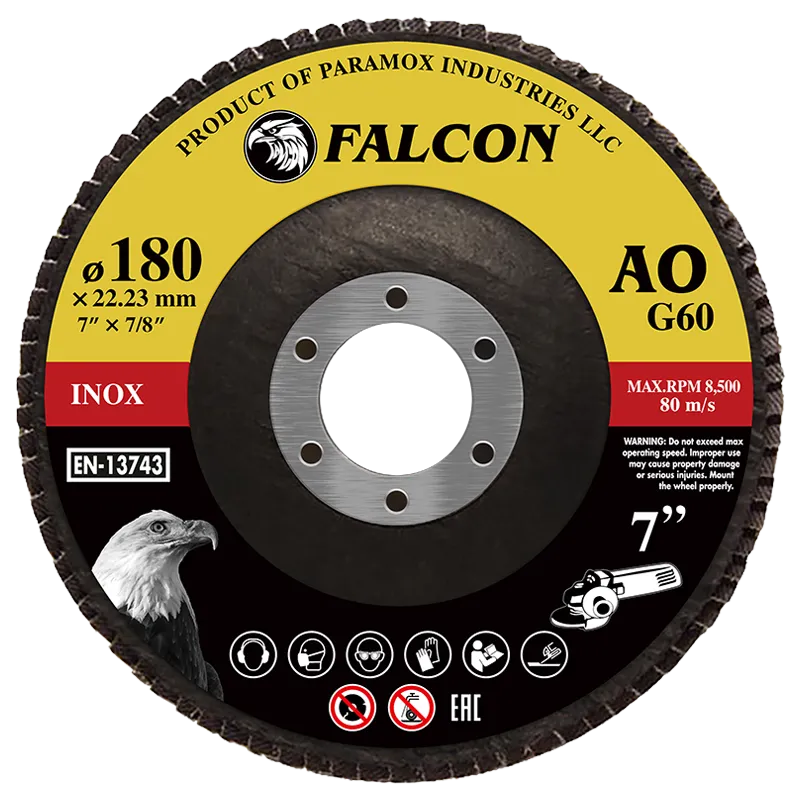
Quality tools are essential for efficient metalworking, and flap discs are among the most versatile abrasives for grinding, blending, deburring, and surface finishing. Available in different materials, grit sizes, and shapes, the right flap disc can improve productivity while delivering a smoother finish. Falcon provides reliable flap discs designed to meet the needs of both professional fabricators and DIY users.
Core Criteria for Selecting Flap Discs
Choosing the right flap disc starts with understanding several key factors.
1. Abrasive Material
Different abrasive materials are suited to different applications.
· Aluminum Oxide – Ideal for general-purpose grinding and cost-effective applications.
· Zirconia Alumina – Offers excellent durability for stainless steel and other hard metals.
· Ceramic – Provides the longest service life and the fastest material removal for demanding industrial work.
2. Grit Size
Grit size determines how aggressively the disc removes material.
· Coarse grits (40–60) remove material quickly and are ideal for heavy grinding.
· Medium grits (80) balance stock removal and surface finish.
· Fine grits (120+) are best for blending, polishing, and finishing.
Using coarse grit first and finishing with a finer grit generally produces the best results.
3. Backing Plate
Backing plates affect durability and flexibility.
· Fiberglass backing offers excellent strength for heavy-duty grinding.
· Plastic backing is lighter and suitable for lighter applications.
4. Disc Size and Compatibility
Common flap disc sizes include 4.5-inch and 7-inch models. Always select a disc that matches your angle grinder’s specifications and maximum operating speed for safe, efficient performance.
How to Choose the Right Flap Disc
Before purchasing a flap disc, consider the following:
1. Identify the material being processed. Aluminum usually works well with aluminum oxide abrasives, while stainless steel and hardened metals benefit from zirconia or ceramic discs.
2. Match the grit to your task. Use coarse grits for stock removal and finer grits for finishing.
3. Select the appropriate disc shape. Flat discs are ideal for large flat surfaces, while conical discs provide better access to edges, welds, and corners.
4. Choose products from trusted manufacturers to ensure consistent quality and longer service life.
Choosing Flap Discs for Different Metals
Different metals require different grinding approaches.
· Aluminum and other soft metals benefit from less aggressive abrasives that minimize loading and surface scratches.
· Carbon steel and stainless steel require more durable abrasives capable of handling higher grinding pressure.
Selecting the proper abrasive material and grit helps improve both efficiency and surface finish while extending disc life.
Heavy-Duty Flap Discs
Heavy-duty grinding requires flap discs built for demanding conditions.
Quality heavy-duty flap discs typically feature reinforced backing plates, durable zirconia or ceramic abrasives, and coarse grits for rapid material removal. After rough grinding, switching to a finer grit produces a cleaner, smoother finish.
Why Flap Discs Are Essential for Metal Finishing
Flap discs are more than grinding tools—they are essential for achieving professional surface finishes. They efficiently remove burrs, smooth welds, blend uneven surfaces, and prepare metal for painting or coating.
Compared with traditional grinding wheels, flap discs offer smoother operation, easier control, quick replacement, and excellent versatility across a wide range of metalworking applications. Falcon provides dependable flap disc solutions that help improve efficiency, extend tool life, and achieve consistent finishing results.