Choosing Quality Fiber Sanding Discs for Projects

Get a Free Quote

Our representative will contact you soon.
Email
Mobile/WhatsApp
Name
Company Name
Country
Customer Type
Estimated Order Quantity
MOQ and Free Sample Policy
Message
0/1000

fiber sanding disc

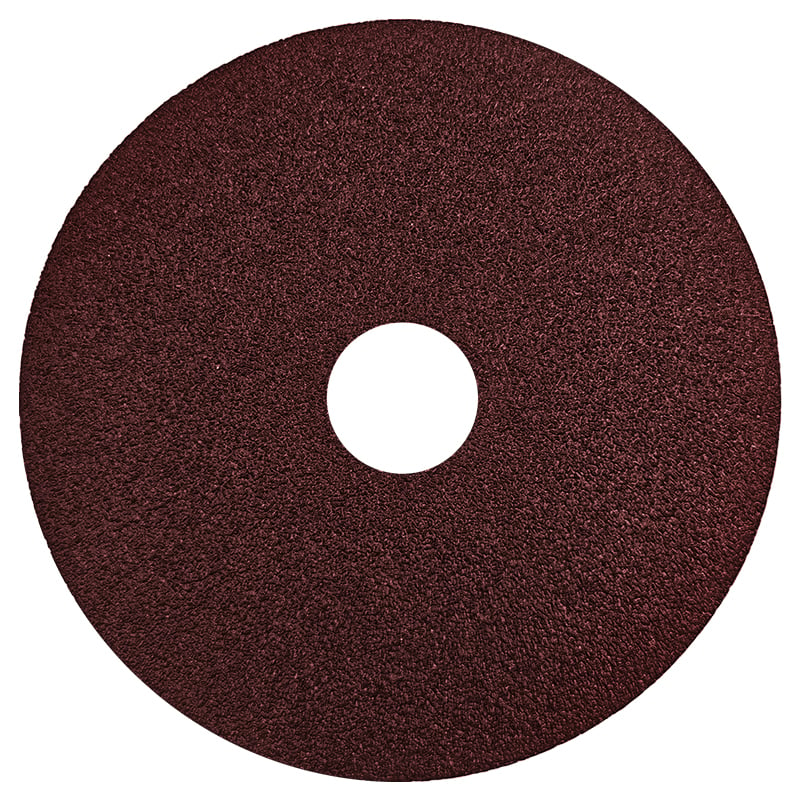
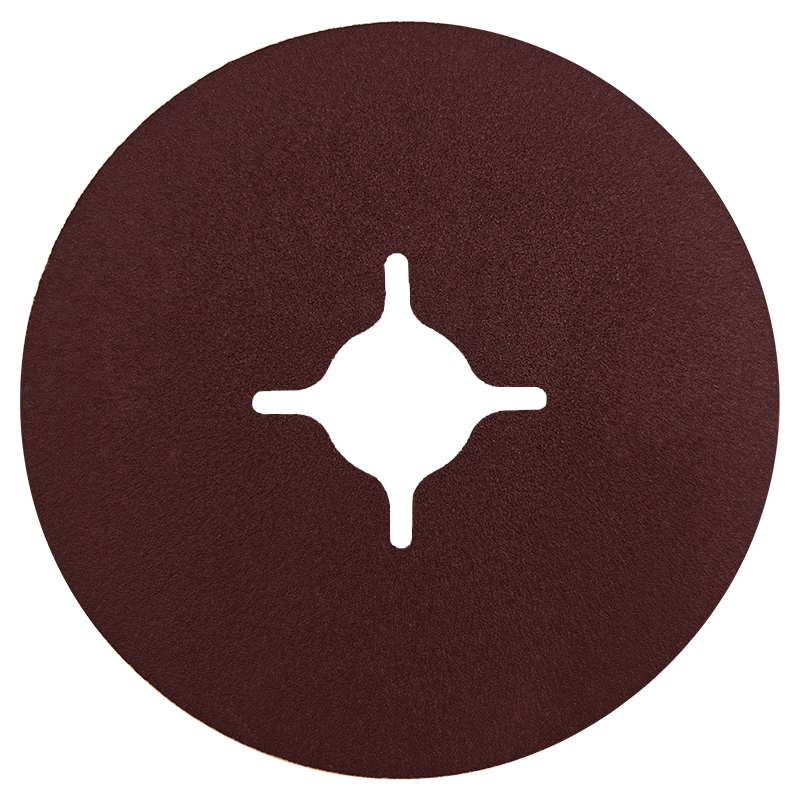
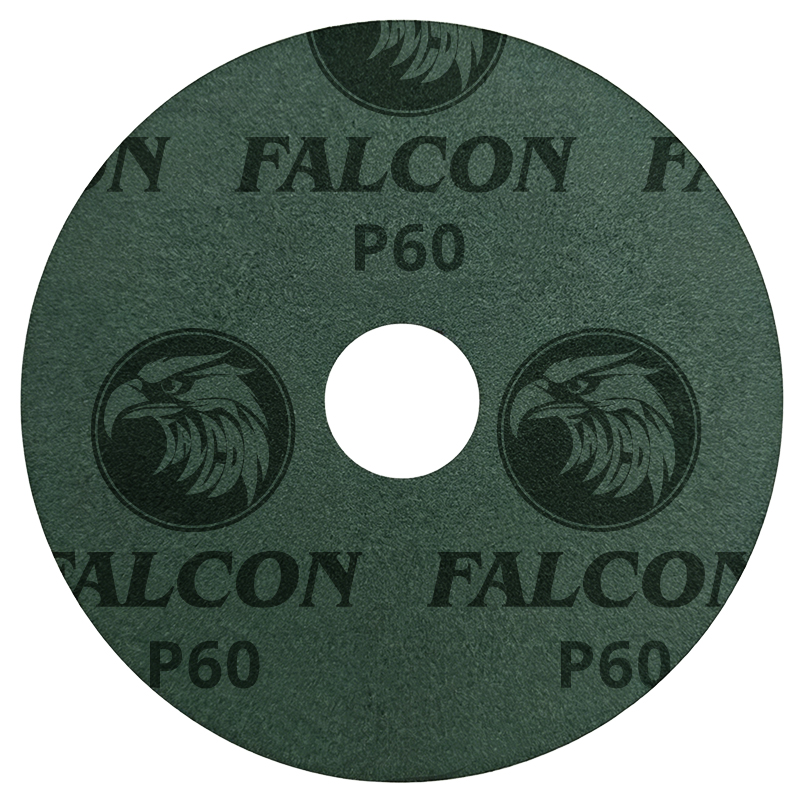
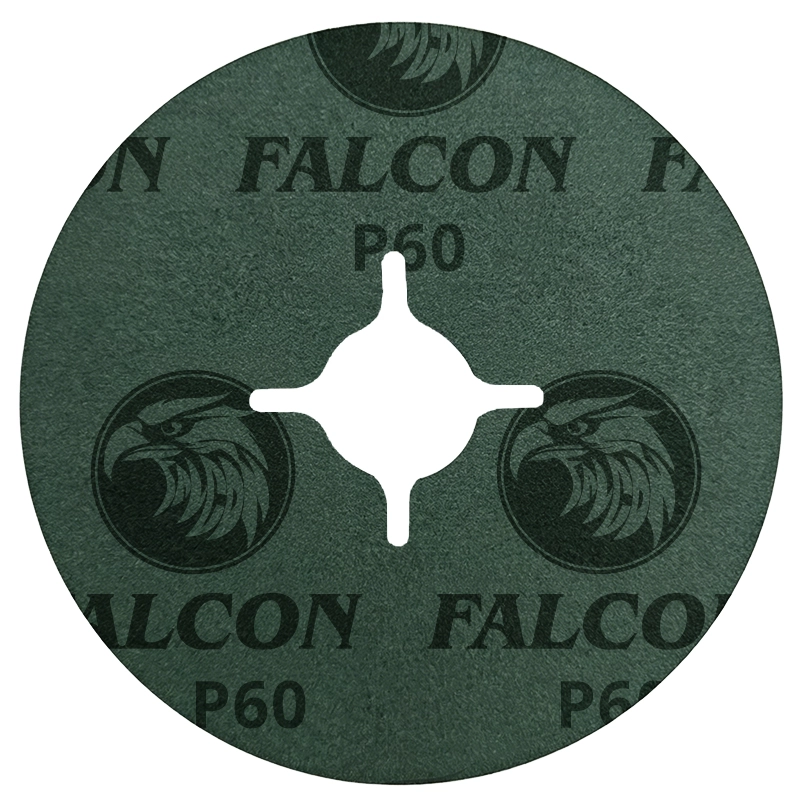
Fiber sanding discs are essential tools in the manufacturing and industrial sectors, designed for precision finishing and surface preparation. As a purchasing manager or engineer, understanding the nuances of fiber sanding discs, including their selection, quality, and application, is crucial for optimizing your projects. This article will delve into key considerations for choosing the right fiber sanding disc, evaluating their quality, understanding cost factors for bulk ordering, installation guidance, and common issues to watch out for.

Our Products

Choosing the Right Fiber Sanding Disc for Your Project Needs

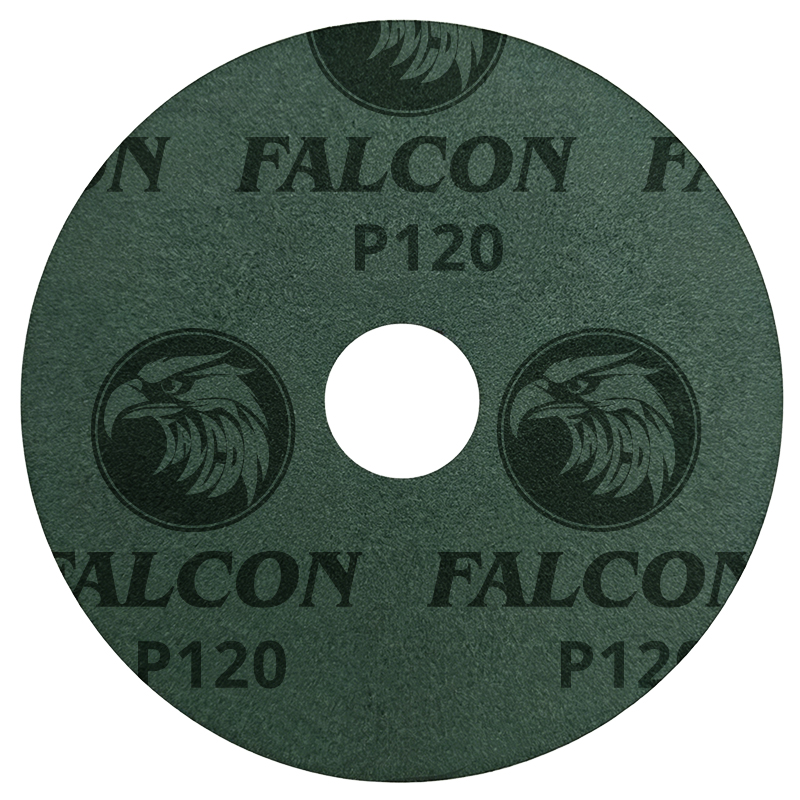
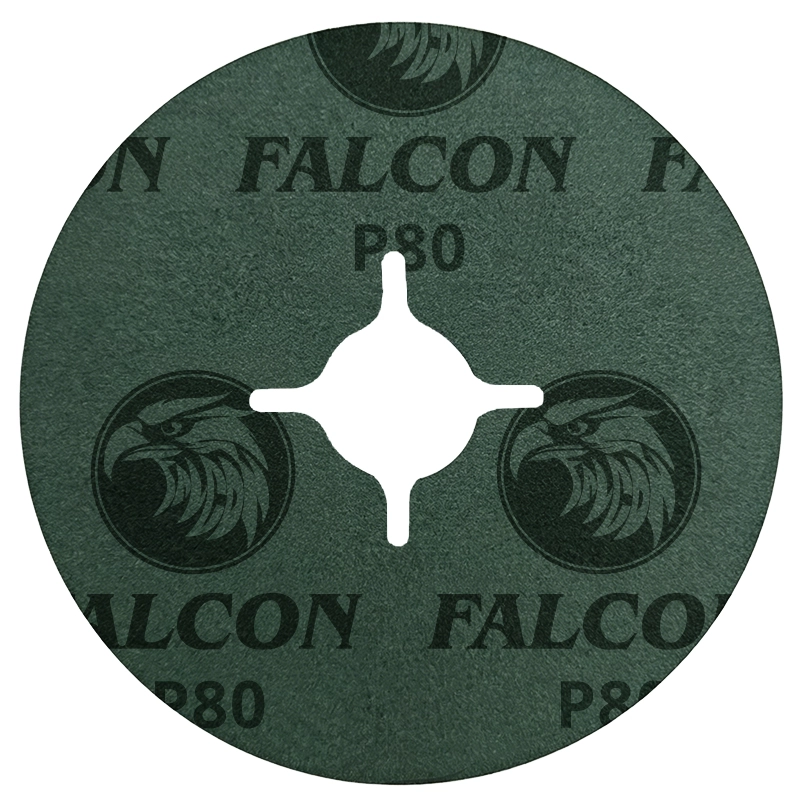
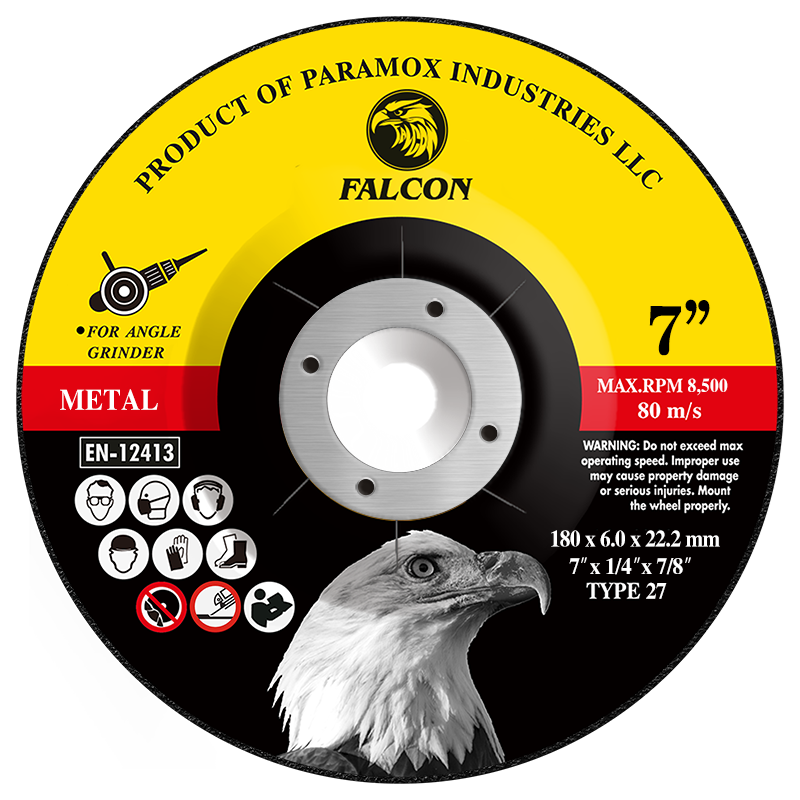
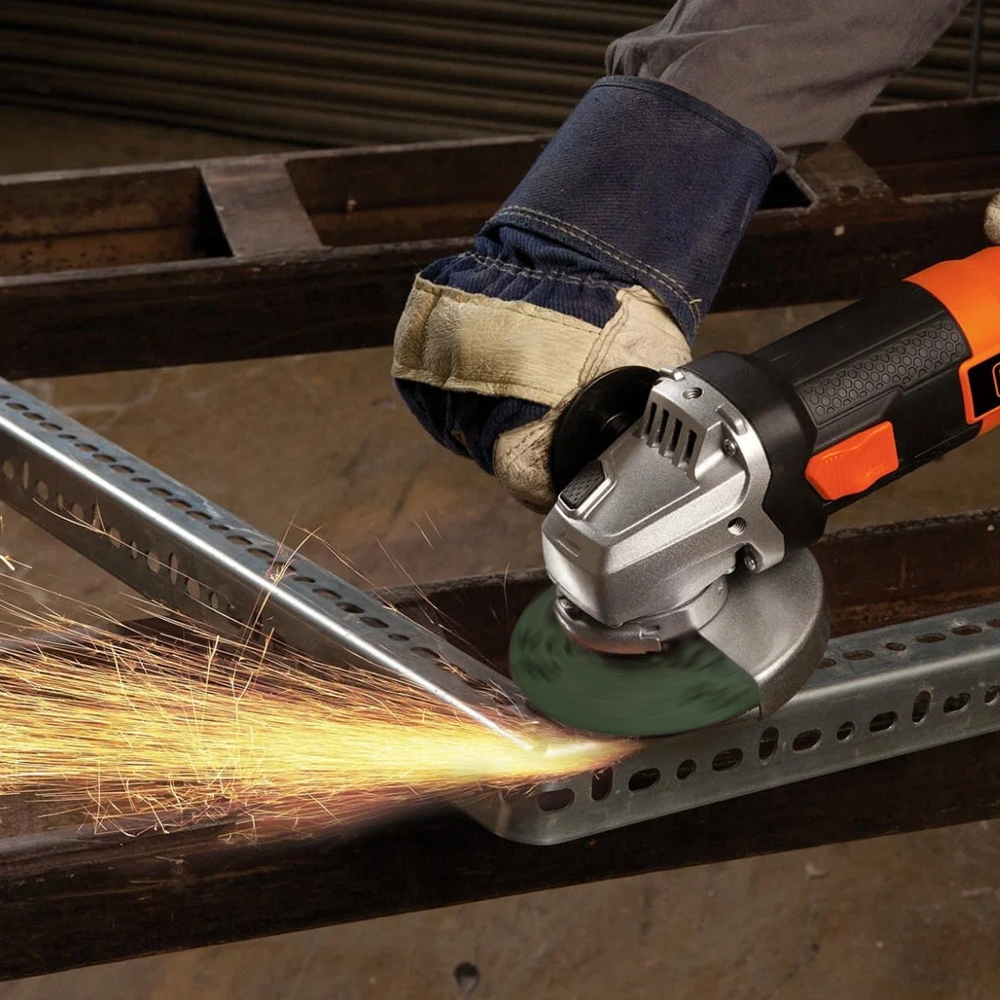
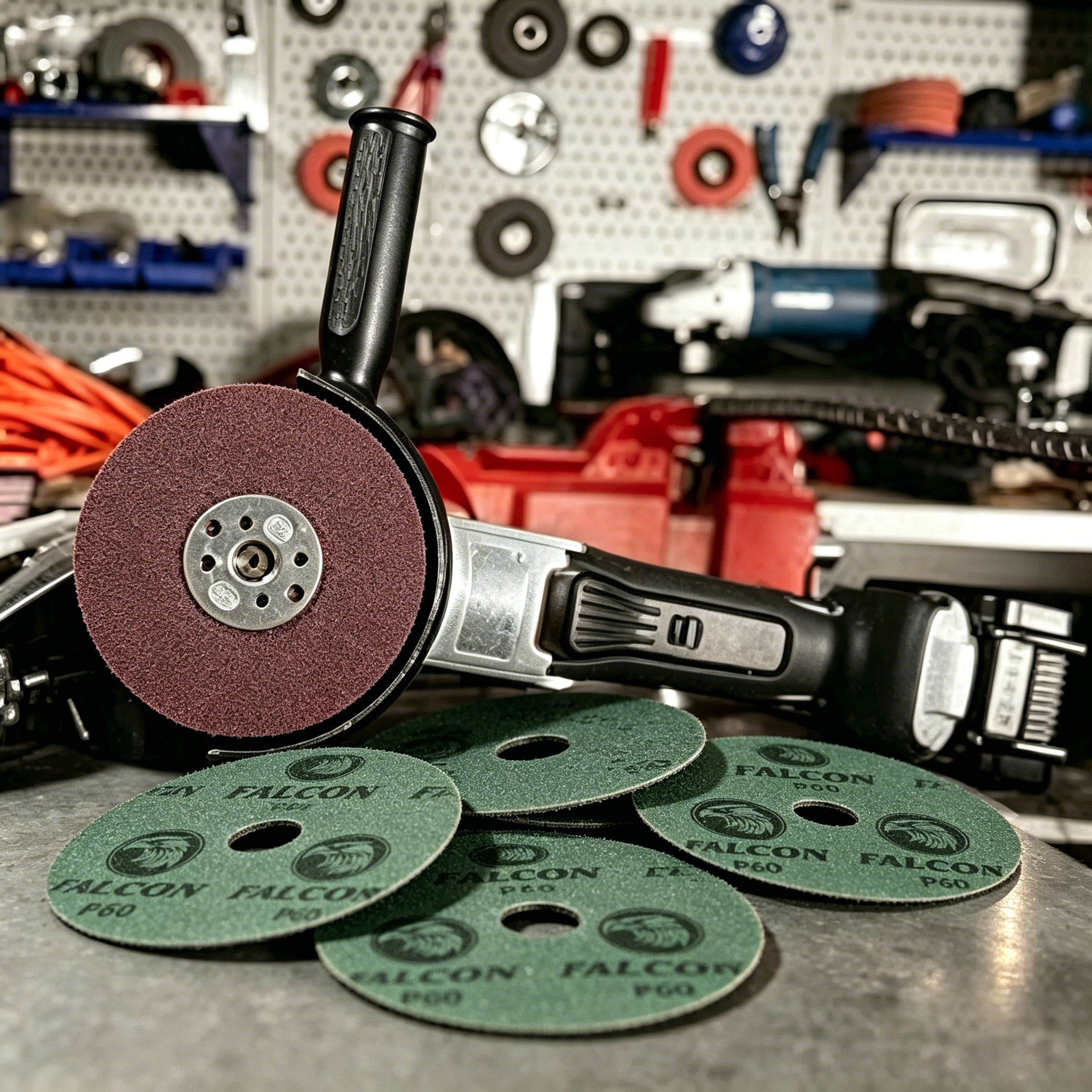
When selecting a fiber sanding disc, the first step is to consider the specific application. Fiber sanding discs are available in various grit sizes, materials, and thicknesses, each suited for different tasks. For instance, a coarse grit disc (40-60) is ideal for aggressive material removal, while a finer grit (120-240) is better for finishing work. For metalworking applications, consider using Grinding Discs for Metal for optimal results.

The material of the disc also plays a vital role in its performance. Common materials include aluminum oxide, silicon carbide, and zirconia. Aluminum oxide discs are known for their versatility and cost-effectiveness, making them suitable for a wide range of applications. Zirconia discs, on the other hand, offer superior durability and are excellent for high-pressure applications, such as stainless steel and metalworking. For such applications, you might want to explore Grinding Disc for Inox/stainless steel to ensure the best performance.

Furthermore, it’s essential to ensure compatibility with your equipment. Different machines may require specific disc attachment methods, such as hook-and-loop or adhesive backing. Confirming these details will help prevent operational inefficiencies.

Frequently Asked Questions

What is a fiber sanding disc used for?

Fiber sanding discs are abrasive discs for grinding, blending, and finishing metal, wood, and composites in industrial applications, providing consistent material removal and surface preparation.
They work on steel, stainless steel, aluminum, wood, fiberglass, and most composite materials when matched to the correct grit.
Choose coarse grits (40–80) for heavy stock removal, medium (100–180) for smoothing, and fine (220–400) for finishing; select a stronger grade for aggressive cutting vs softer for finishing.
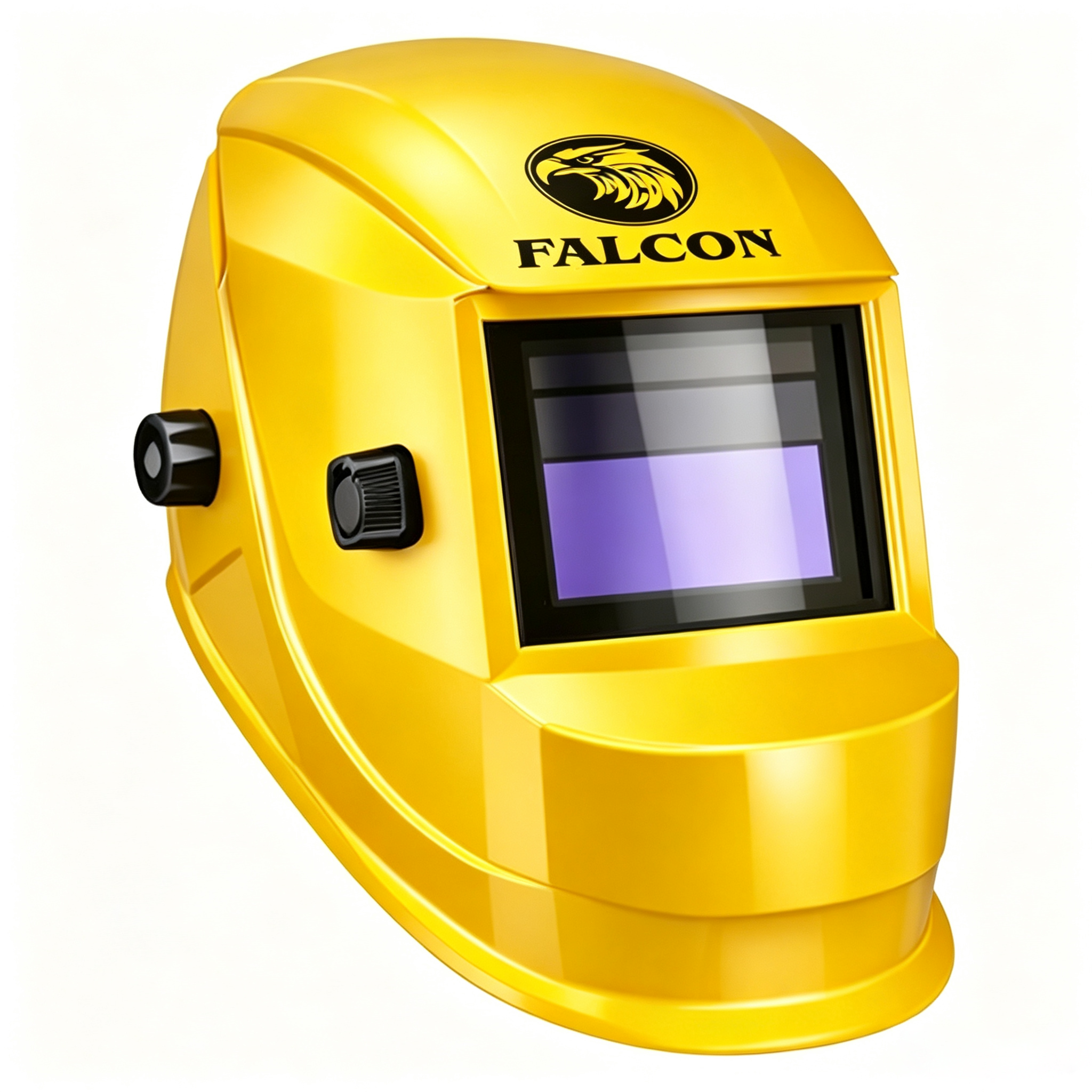
Wear protective clothing, gloves, eye and hearing protection, ensure proper guard and backing pad, follow rpm limits, and inspect discs for damage before use.
Store flat in a dry, cool area away from sunlight, keep in original packaging, avoid bending, and discard discs with cracks, delamination, or severe wear.

Our Blog Posts

Common Uses of Fiber Discs in Metalworking

01

Aug

Common Uses of Fiber Discs in Metalworking

Fiber discs are really important tools in metalworking. They are round shape discs made from strong stuff and covered with abrasive grains. These discs get used on grinders or sanders machines to smooth, shape, and polish metal surfaces. Peoples who ...
View More
What Is a Grinding Wheel & What Are Its Types?

07

Aug

What Is a Grinding Wheel & What Are Its Types?

A grinding wheel is a very important tool in lots of industries. It help to shape, grind and polish things like metal, wood or stone. These wheels are round discs make from hard stuff and use with grinder machines. They can be really tough and cut th...
View More
How to Choose Between Cut Off Wheels and Grinding Wheels

14

May

How to Choose Between Cut Off Wheels and Grinding Wheels

Choosing between cut-off wheels and grinding wheels can be confusing in the begining, but once you understand their differences it will helps you pick the right one for your project. Cut-off wheels they are thin and made to slice materials like metal...
View More
Do hard hats expire?

29

Sep

Do hard hats expire?

Hard hats are really important to keep workers safe on construction sites and other places. They protect head from falling things, bumps, and other dangers that happen during work. But many people ask, do hard hats expire? Its good question because&n...
View More

Get a Free Quote

Our representative will contact you soon.
Email
Mobile/WhatsApp
Name
Company Name
Country
Customer Type
Estimated Order Quantity
MOQ and Free Sample Policy
Message
0/1000

Related product categories

Evaluating the Quality of Fiber Sanding Discs for Durability

Evaluating the Quality of Fiber Sanding Discs for Durability

Quality is a critical factor when selecting fiber sanding discs, as it directly impacts their performance and lifespan. To assess quality, consider the manufacturing process and materials used. High-quality discs typically undergo rigorous testing and adhere to industry standards, ensuring they can withstand demanding applications without premature wear.

Look for discs that feature a consistent grit distribution and proper bonding agents. Discs with uneven grit or inferior bonding may lead to inconsistent performance and quicker breakdown. Additionally, inquire about the disc’s resistance to heat and clogging, as these factors can significantly diminish their effectiveness.

It's also advisable to request samples for testing. Before committing to a bulk order, testing the disc under actual working conditions helps verify its suitability for your specific application. This step is crucial for avoiding costly mistakes associated with purchasing subpar products.

Cost Factors When Bulk Ordering Fiber Sanding Discs

Cost Factors When Bulk Ordering Fiber Sanding Discs

When considering bulk orders of fiber sanding discs, several cost factors come into play. Pricing can vary based on the material, grit size, thickness, and overall quality. Generally, larger orders yield cost savings, but it’s essential to balance price with quality to avoid sacrificing performance for lower costs.

Additionally, consider the total cost of ownership, which includes not just the purchase price but also factors such as expected lifespan and effectiveness. A higher upfront cost for a premium disc may result in lower overall costs due to reduced replacement frequency and better performance.

Shipping and handling also influence total costs. Ensure to factor in lead times and any minimum order quantities (MOQ) set by suppliers. Understanding these aspects will enable you to negotiate better terms and make more informed purchasing decisions.

Installation Guidance for Effective Use of Fiber Sanding Discs

Installation Guidance for Effective Use of Fiber Sanding Discs

Proper installation of fiber sanding discs is crucial for achieving optimal performance. Start by ensuring your machine is compatible with the selected disc type, and follow the manufacturer's guidelines for mounting. It’s vital to check that the backing pad is clean and free from debris to ensure proper adhesion.

Before use, inspect the disc for any visible defects such as cracks or uneven surfaces. These can lead to poor performance or even damage to your equipment. During operation, maintain appropriate speed settings to match the disc type and material, as excessive speed can cause overheating and premature wear.

It's also advisable to use the disc at the correct angle and apply consistent pressure. This technique not only maximizes efficiency but also extends the life of the disc. Regularly monitoring the disc's condition during use will help identify when it’s time for replacement, thus maintaining your project’s momentum.

Common Problems with Fiber Sanding Discs and Their Solutions

Despite their effectiveness, fiber sanding discs can encounter several common problems. One frequent issue is disc clogging, which occurs when dust and debris accumulate on the surface. To mitigate this, opt for discs designed with anti-clog technology or use appropriate backing pads that promote better dust collection.

Another issue is uneven wear, which can stem from improper installation or incorrect machine settings. To counteract this, ensure that the disc is mounted correctly and that the machine operates at the recommended speeds and pressures for the specific material being worked on.

Finally, buyers should be aware of the potential for discs to degrade faster than expected. This can occur if the wrong disc type is used for a specific application or if the material being sanded is particularly abrasive. Regularly reviewing operational parameters and making adjustments as necessary will help maintain efficiency and prolong disc life.

By understanding these factors, you can make informed decisions regarding fiber sanding discs, enhancing your project's efficiency and effectiveness. Whether you are sourcing for a manufacturing plant or a commercial operation, keeping these practical insights in mind will lead to better outcomes and potentially lower costs.

Get a Free Quote

Our representative will contact you soon.
Email
Mobile/WhatsApp
Name
Company Name
Country
Customer Type
Estimated Order Quantity
MOQ and Free Sample Policy
Message
0/1000