Key Specifications for Metal Grinding Discs

Get a Free Quote

Our representative will contact you soon.
Email
Mobile/WhatsApp
Name
Company Name
Country
Customer Type
Estimated Order Quantity
MOQ and Free Sample Policy
Message
0/1000

grinding disc for metal

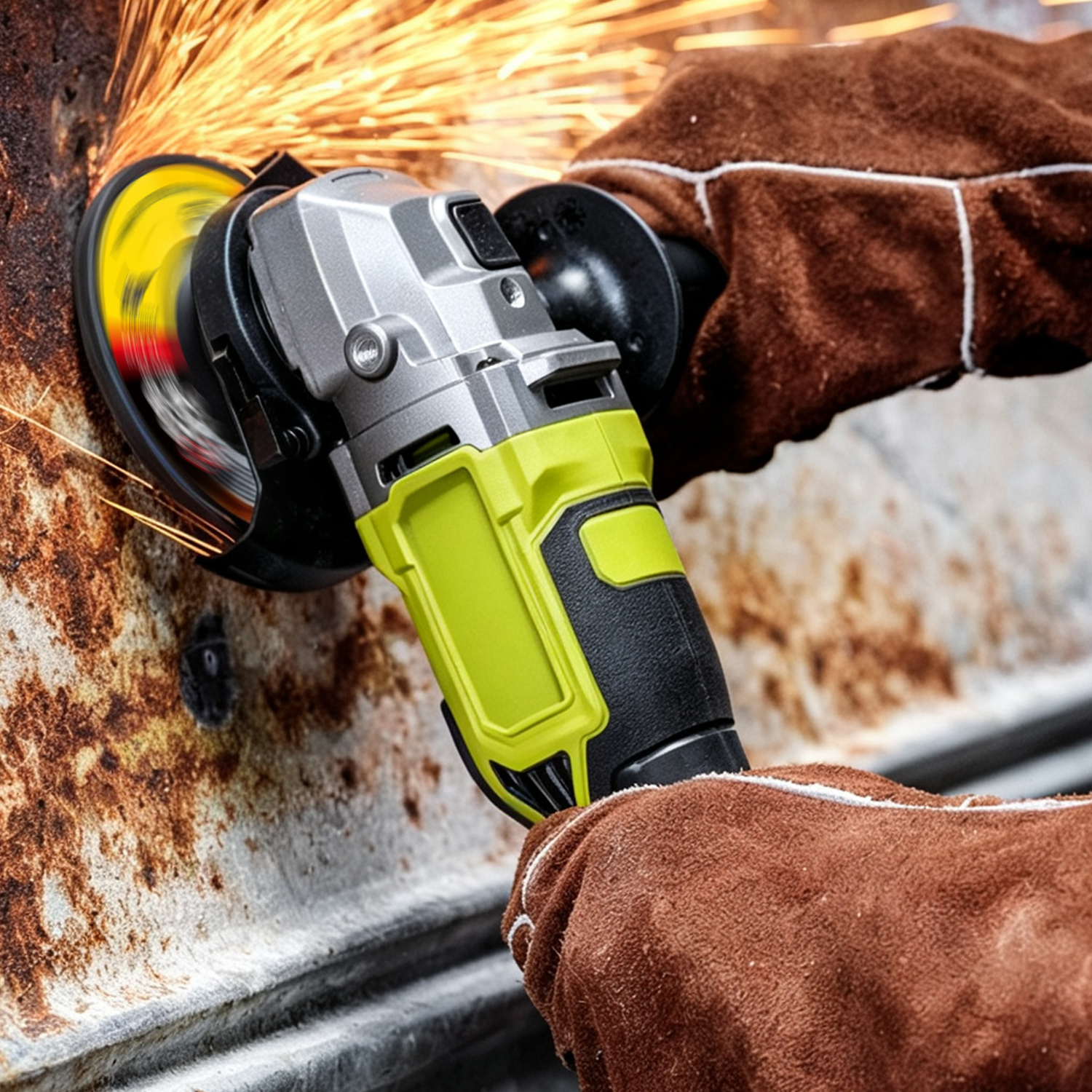
Grinding discs for metal are essential tools used in various industrial applications, providing the means to cut, grind, and finish metal surfaces effectively. As a purchasing manager or engineer, understanding the specifications and performance capabilities of grinding discs is crucial for making informed decisions. This article will delve into key factors to consider when selecting grinding discs for metal, helping you navigate buyer concerns such as performance, cost, and installation requirements.

Our Products

Key Specifications to Consider for Metal Grinding Discs

When selecting grinding discs for metal, several key specifications should be evaluated to ensure optimal performance for your specific application:

Material Composition: Grinding discs are typically made from abrasive materials such as aluminum oxide, zirconia, and silicon carbide. Each material has its strengths; for instance, aluminum oxide is suitable for general-purpose grinding, while zirconia is preferred for tougher applications due to its durability.

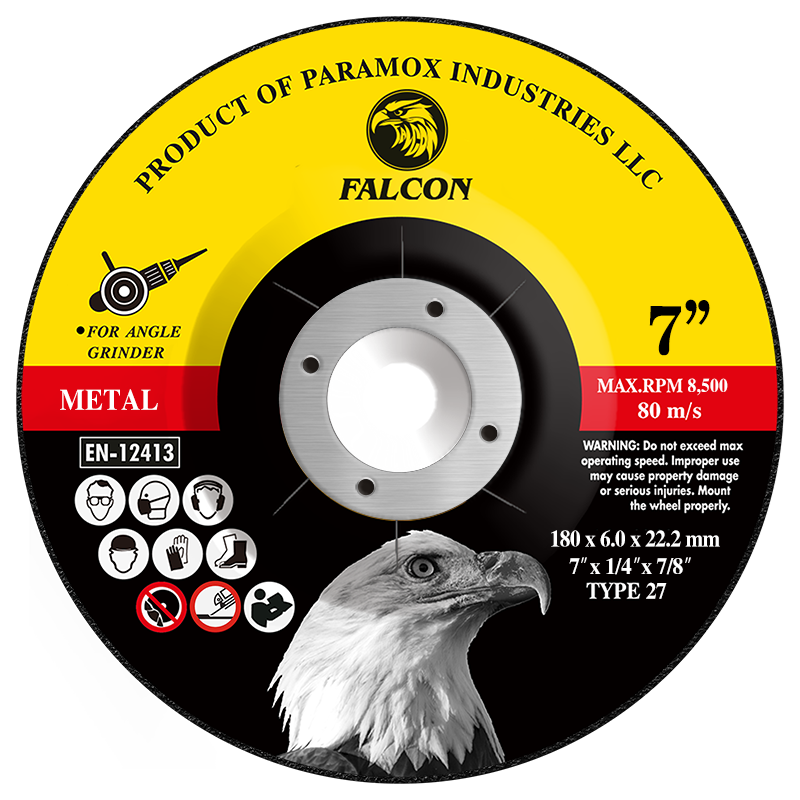
Disc Thickness: The thickness of the grinding disc influences its rigidity and durability. Thicker discs are often used for heavy-duty grinding, while thinner discs are better suited for precision work. Consider the type of metal and the intended use to determine the appropriate thickness.

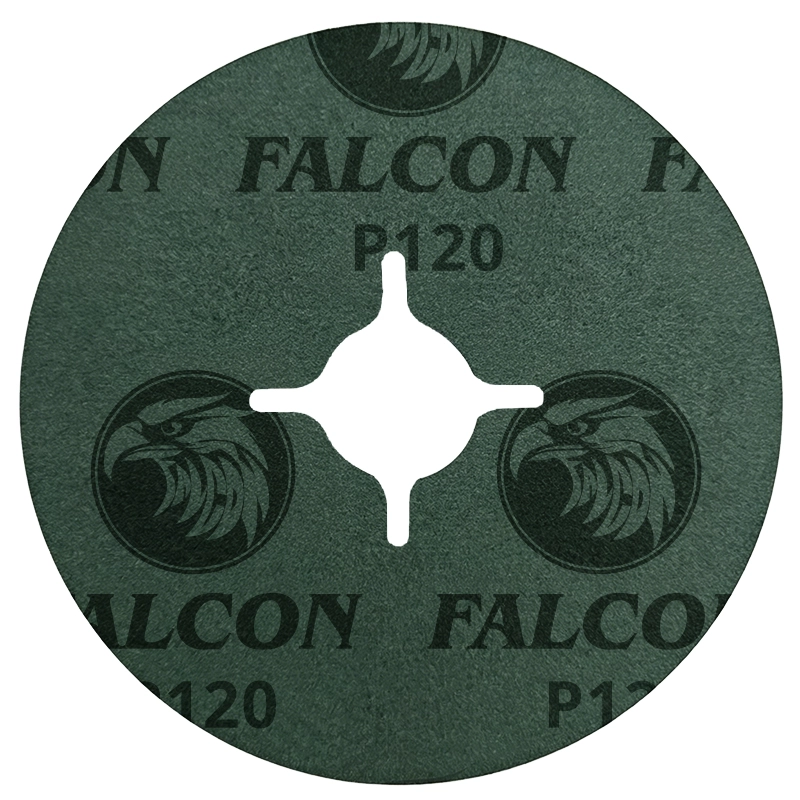
Grit Size: The grit size affects the finish of the metal surface. Finer grits provide a smoother finish but may require more time, while coarser grits remove material quickly but can leave a rougher texture. Be sure to match the grit size to your project requirements.

Diameter: The diameter of the disc should be compatible with your grinding equipment. Larger discs can cover more area quickly, while smaller discs allow for more precision. Ensure that the disc size aligns with the capabilities of your tools.

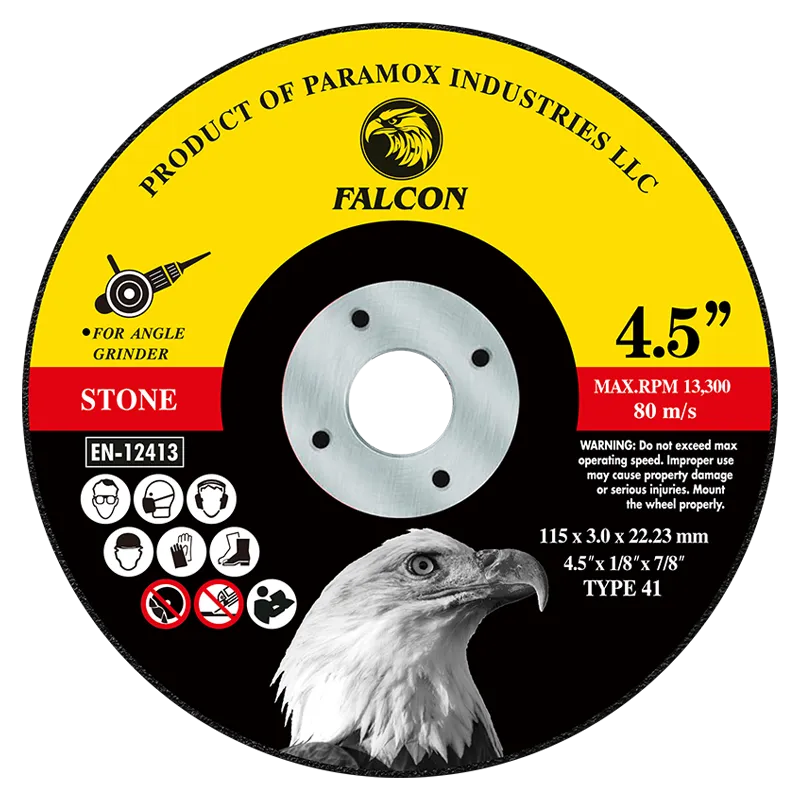
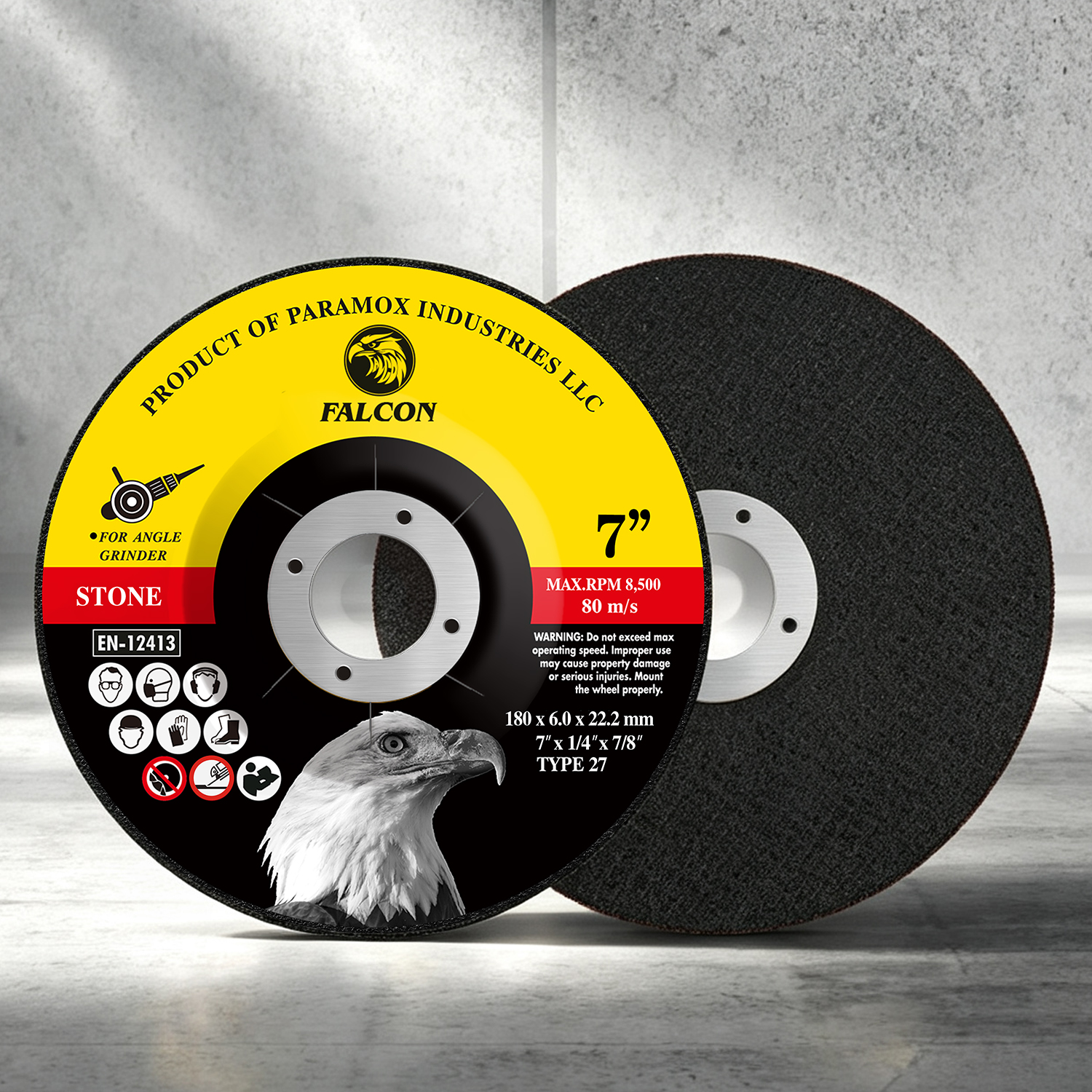
Operating Speed: Each grinding disc has a maximum operating speed, often indicated in revolutions per minute (RPM). Exceeding this speed can lead to disc failure, posing safety risks. Always check the specifications against your equipment's capabilities.

Frequently Asked Questions

What materials is the grinding disc for metal suitable for?

Our grinding disc is designed for carbon steel, stainless steel, cast iron, and other ferrous metals in industrial applications.
We offer multiple diameters and grit ranges from coarse to fine to match removal rates and surface finish requirements. Contact us for specific size availability.
Use appropriate protective clothing, safety footwear, gloves, eye and face protection, and hearing protection consistent with industrial grinding tasks.
Follow the disc label for maximum RPM and use compatible backed flanges and proper mounting hardware to ensure secure installation and safe operation.
We use advanced manufacturing and strict quality control to produce high-performance abrasive discs tested for balance, bond strength, and wear resistance.

Our Blog Posts

Notes on using cut-off wheels

17

Sep

Notes on using cut-off wheels

Cut-off wheels are indispensable tools across numerous industries. They are engineered to slice hard materials including metal, concrete, and stone. At Falcon Global, we fully understand how critical it is to select high-quality cut-off wheels for yo...
View More
How to Install a Cut Off Wheel on an Angle Grinder

12

Sep

How to Install a Cut Off Wheel on an Angle Grinder

Installing a cut-off wheel on an angle grinder may seem intimidating for beginners, but the process is simple with standard operating steps. At Falcon Global, we prioritize standardized installation practices to ensure safe operation and optimal cutt...
View More
What Is a Fiber Disc & How Does It Work?

29

Jul

What Is a Fiber Disc & How Does It Work?

Fiber discs are really important tools in lots of industries, specially manufacturing and construction. They made from strong stuff and good for sanding, grinding, or polishing surfaces. You put them on machine, they spin fast and smooth rough edges ...
View More
How to Choose Between Cut Off Wheels and Grinding Wheels

14

May

How to Choose Between Cut Off Wheels and Grinding Wheels

Choosing between cut-off wheels and grinding wheels can be confusing in the begining, but once you understand their differences it will helps you pick the right one for your project. Cut-off wheels they are thin and made to slice materials like metal...
View More

Get a Free Quote

Our representative will contact you soon.
Email
Mobile/WhatsApp
Name
Company Name
Country
Customer Type
Estimated Order Quantity
MOQ and Free Sample Policy
Message
0/1000

Related product categories

What Makes a Superior Grinding Disc for Metal?

What Makes a Superior Grinding Disc for Metal?

A superior grinding disc for metal stands out due to several performance characteristics:

Consistency and Quality Control: High-quality grinding discs are manufactured under stringent quality control processes. This includes thorough testing for balance, durability, and performance consistency. Look for manufacturers who provide clear quality assurance documentation.

Advanced Bonding Technology: Superior discs utilize advanced bonding agents that enhance the structural integrity of the disc, ensuring it maintains its shape and performance under heavy use. This is particularly important in high-demand applications.

Cooling Features: Some discs come with built-in cooling features, such as vents or specific coatings, which help dissipate heat during operation. This can prevent overheating and extend the life of both the disc and the grinding tool.

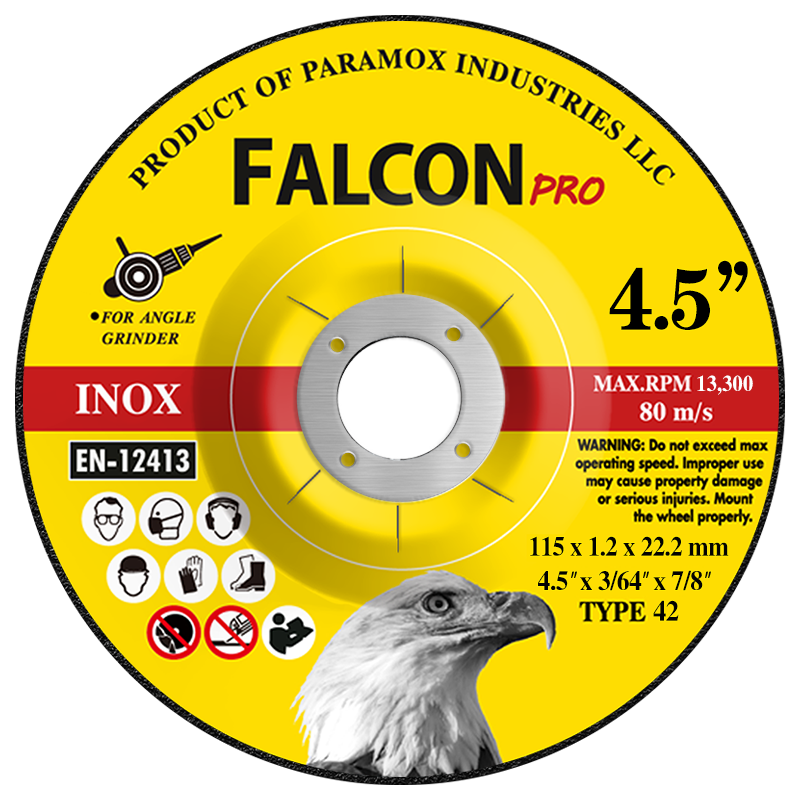
Versatility: A high-performance grinding disc should be versatile enough to handle various metals and applications, from stainless steel to aluminum. This adaptability can simplify your procurement process by reducing the need for multiple disc types. For example, grinding discs for inox/stainless steel are specifically designed for such applications.

Cost Factors in Purchasing Grinding Discs for Metal Projects

Cost Factors in Purchasing Grinding Discs for Metal Projects

When budgeting for grinding discs, several cost factors should be taken into account:

Material Type: The choice of abrasive material significantly impacts the price. Premium materials like zirconia or diamond-infused discs typically come at a higher cost but offer better longevity and performance.

Quantity and MOQ: Manufacturers often have minimum order quantities (MOQ) that can affect overall costs. Buying in bulk may reduce the unit price but consider your immediate needs and storage capabilities.

Customization: If your project requires specific dimensions or features, customized grinding discs can incur additional costs. It's essential to weigh the benefits of custom solutions against standard options.

Shipping and Handling: Don’t overlook shipping costs, especially for larger orders. Ensure to factor this into your overall budget, as it can vary significantly based on distance and shipping method.

Long-term Value: Although a higher initial investment may seem daunting, consider the long-term value of quality grinding discs. Discs that last longer and perform better can lead to reduced downtime and lower overall costs.

Installation Guidance for Optimal Performance of Grinding Discs

Installation Guidance for Optimal Performance of Grinding Discs

Proper installation is crucial to achieving the best performance from your grinding discs. Here are some essential steps:

Compatibility Check: Ensure that the grinding disc is compatible with your grinder. This includes verifying the arbor size, RPM rating, and mounting method.

Secure Mounting: When installing the disc, ensure it is mounted securely. Loose discs can create vibrations, leading to premature wear or even accidents. Follow the manufacturer's guidelines for tightening the disc.

Initial Testing: Before using the disc on the actual workpiece, conduct a test run on a scrap piece of material. This helps identify any issues with the disc or equipment and allows for adjustments to be made.

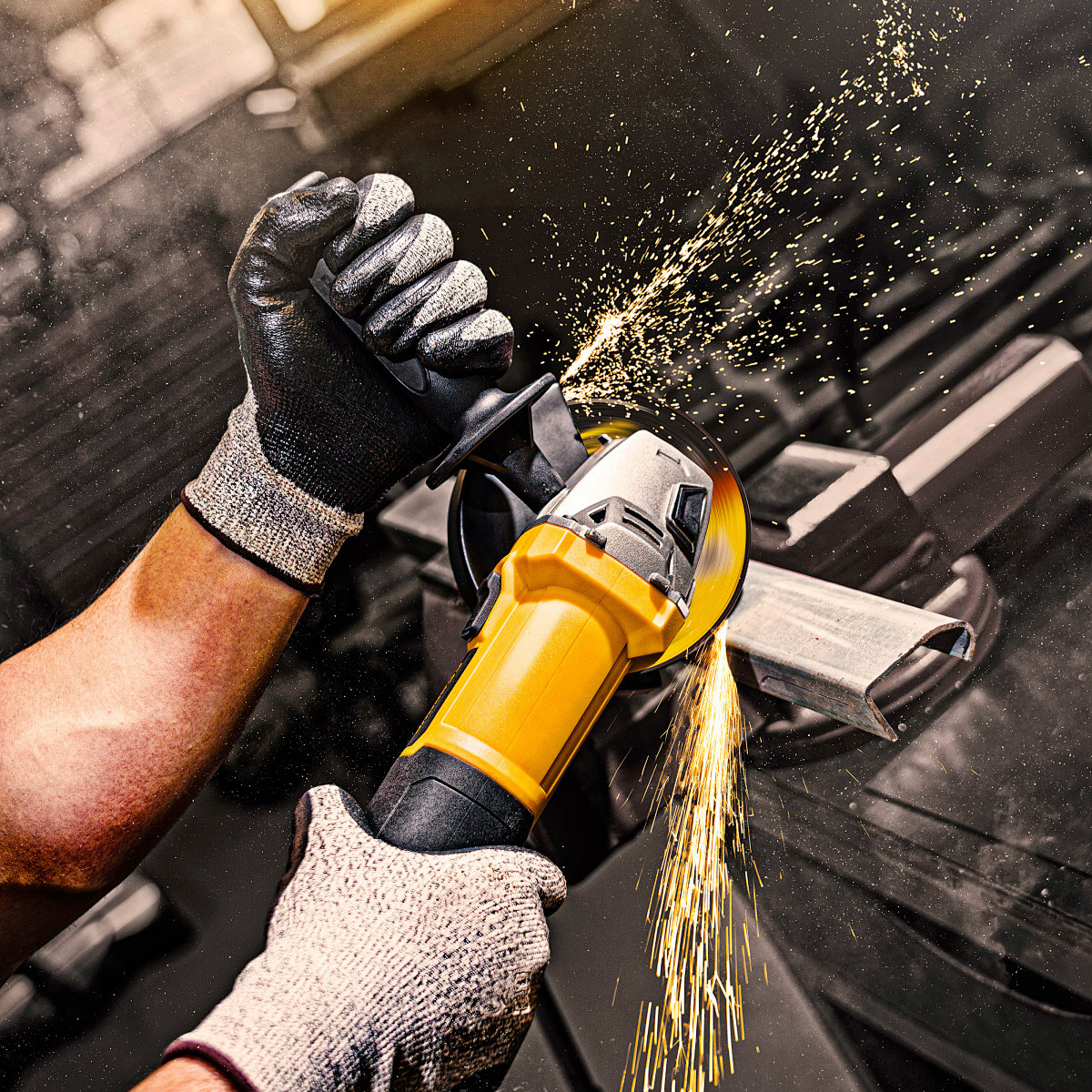
Safety Precautions: Always wear appropriate personal protective equipment (PPE) such as safety goggles, gloves, and hearing protection during operation. Additionally, ensure that the work area is clear of any unnecessary personnel or obstructions.

Common Problems with Metal Grinding Discs and Their Solutions

Despite their effectiveness, grinding discs can encounter various issues during use. Here are some common problems and their solutions:

Excessive Wear: If a disc wears out too quickly, it could be due to improper material selection or excessive pressure during operation. Ensure that the disc's grit and material are appropriate for the metal being worked on and adjust the pressure applied during grinding.

Heat Buildup: Overheating can lead to disc failure and affect the quality of the finish. To mitigate this, use discs with cooling features, reduce the pressure applied, and allow for intermittent breaks to cool the disc.

Chattering or Vibration: If you notice chattering or vibration during operation, this may indicate an improperly mounted disc or an imbalance. Check the mounting and ensure that the disc is securely attached and properly aligned.

Disc Breakage: A broken disc can result from excessive speed, improper installation, or using a disc that is unsuitable for the application. Always adhere to the specified RPM limits and inspect the disc before use for any signs of damage.

By understanding these aspects of grinding discs for metal, B2B buyers can make informed decisions that enhance their operational efficiency and product quality.

Get a Free Quote

Our representative will contact you soon.
Email
Mobile/WhatsApp
Name
Company Name
Country
Customer Type
Estimated Order Quantity
MOQ and Free Sample Policy
Message
0/1000