Wholesale Sourcing of Cutting and Grinding Discs

Get a Free Quote

Our representative will contact you soon.
Email
Mobile/WhatsApp
Name
Company Name
Country
Customer Type
Estimated Order Quantity
MOQ and Free Sample Policy
Message
0/1000

cutting and grinding discs

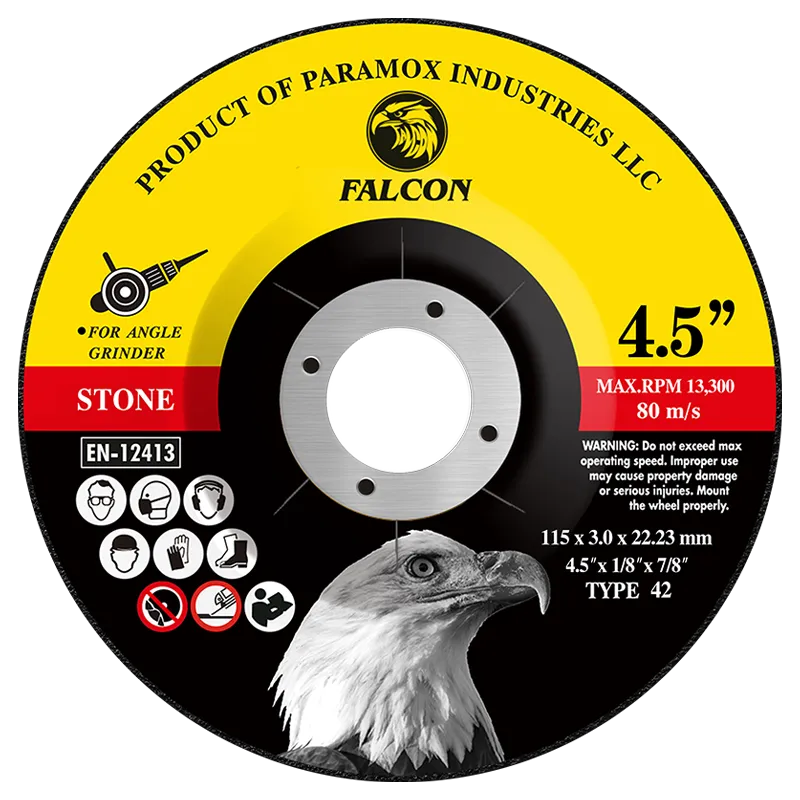
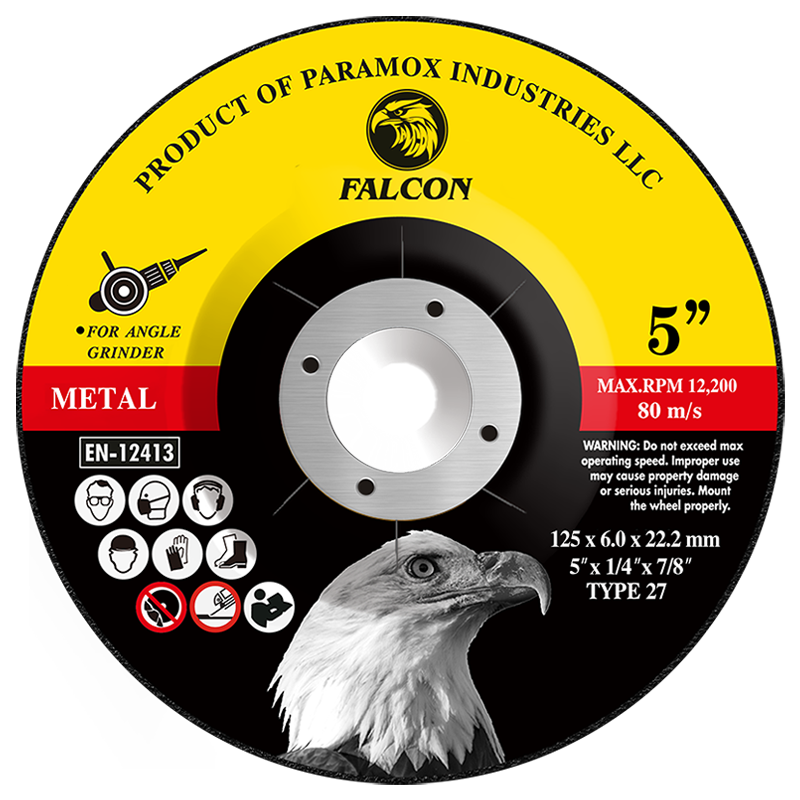
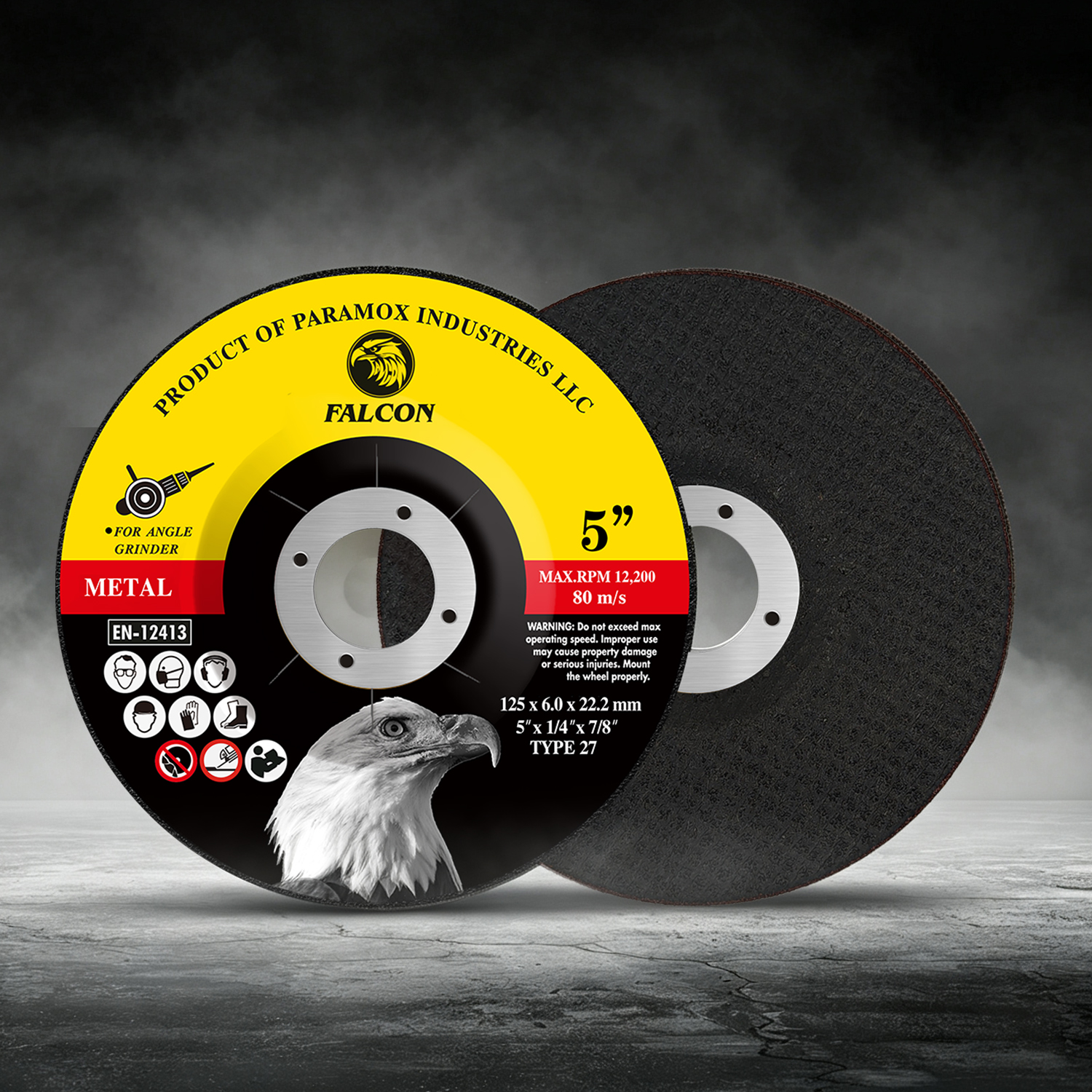
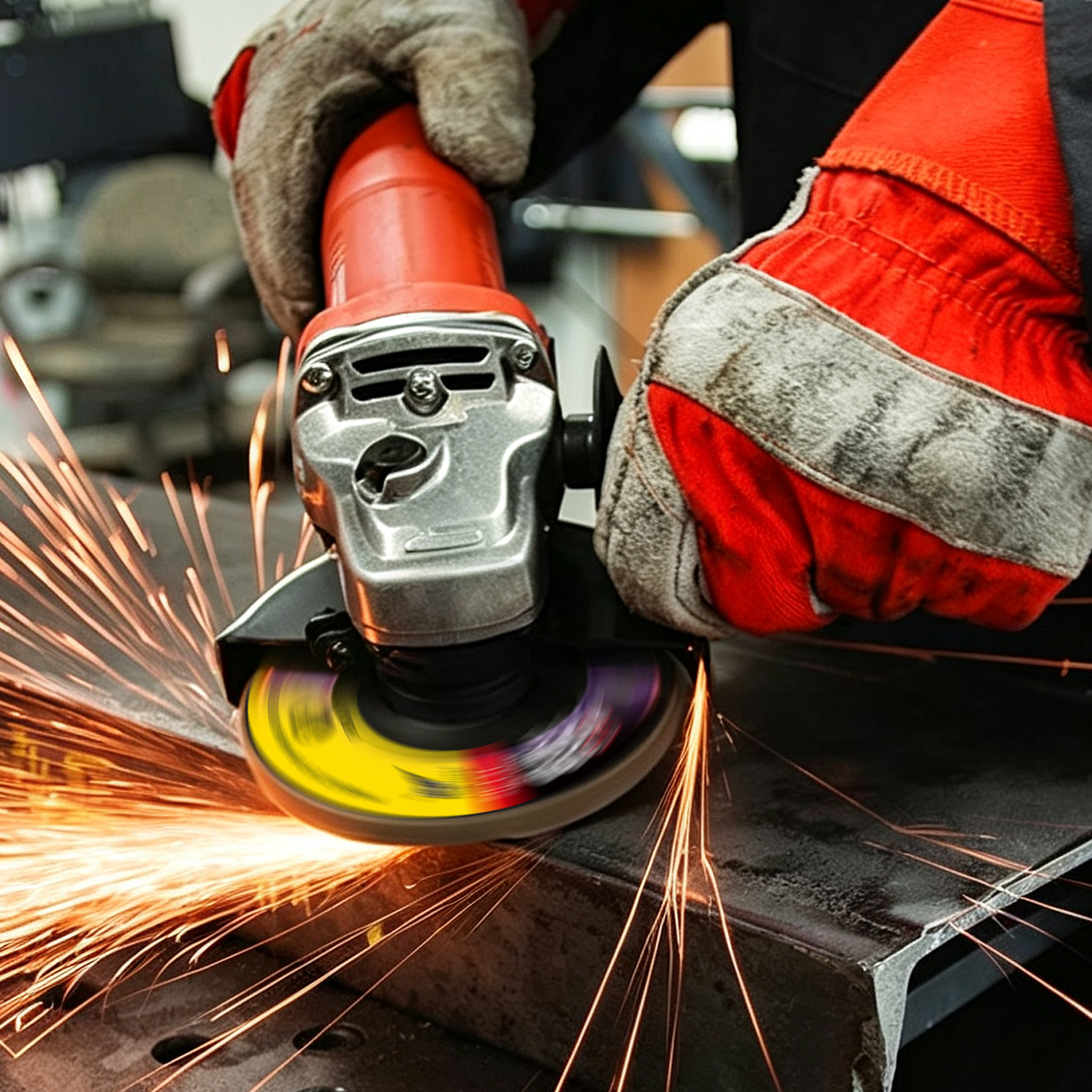
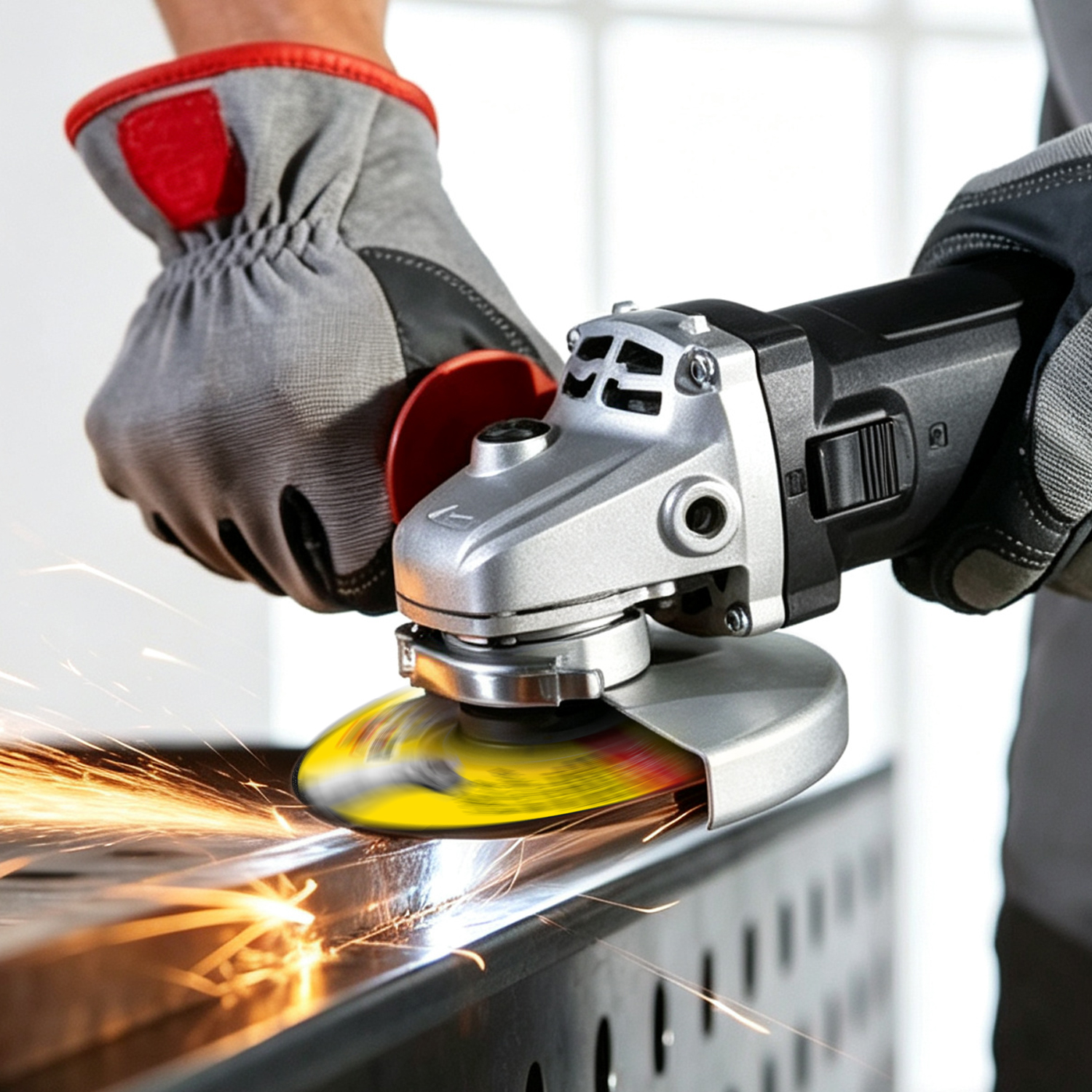
Cutting and grinding discs are essential tools in various industrial applications, used for cutting and shaping materials like metal, wood, and concrete. When sourcing these products, B2B buyers, such as purchasing managers and engineers, often have concerns about quality, material suitability, and supplier reliability. This article aims to provide insights into wholesale sourcing of cutting and grinding discs, key factors to consider, and solutions to common issues, helping buyers make informed decisions.

Our Products

Wholesale Sourcing of High-Quality Cutting and Grinding Discs

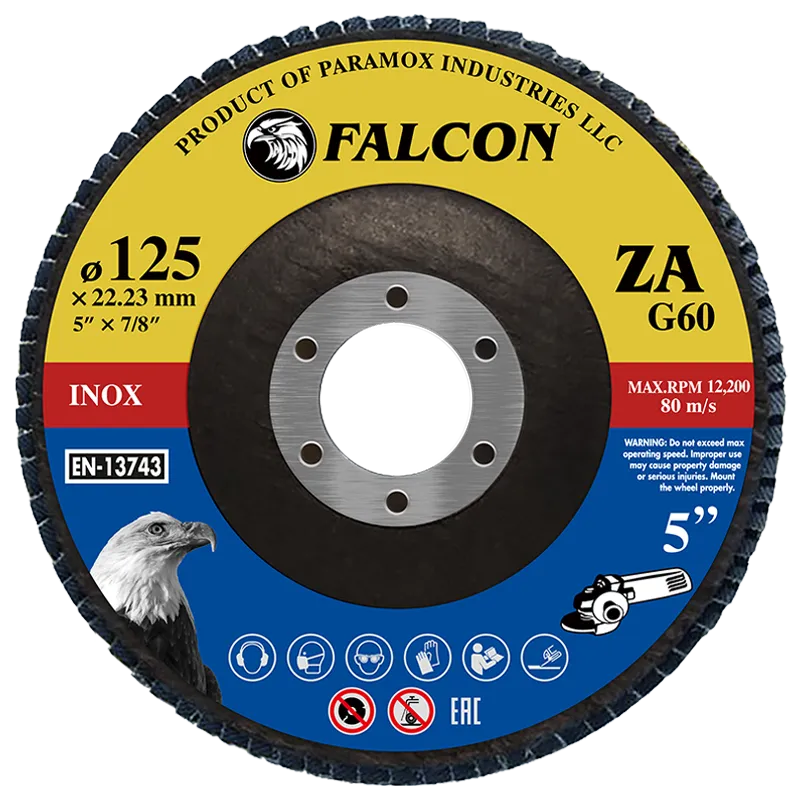
When looking for wholesale suppliers of cutting and grinding discs, buyers should prioritize finding manufacturers that specialize in high-performance abrasive tools. Companies like FALCON GLOBAL / TOOLS SAFETY are known for their advanced manufacturing processes, ensuring the production of durable and efficient discs. Key considerations include:

Certifications and Standards: Ensure the supplier complies with industry standards, which can indicate product reliability and safety.Customization Options: Many manufacturers offer customization in terms of size, material, and design to meet specific application needs, such as Grinding Disc for Inox/stainless steel.Minimum Order Quantity (MOQ): Understand the MOQ requirements, which can vary significantly among suppliers. This affects your initial investment and inventory management.Lead Times: Inquire about production and delivery timelines to align with project schedules.

Establishing a relationship with a reputable supplier can lead to better pricing and consistent quality, making it easier to source the right cutting and grinding discs.

Frequently Asked Questions

What materials do your cutting and grinding discs suit?

Our discs are engineered for steel, stainless steel, cast iron, and common non-ferrous metals, with specific grades available for stone and concrete applications.
Products are manufactured to industrial safety standards with balanced construction, reinforced materials, and clear maximum RPM markings to ensure safe operation.
Select by material type, disc diameter, thickness, grit or bond type, and required RPM compatibility. Contact us with your application for tailored recommendations.
Lifespan varies by material, usage intensity, and machine speed; heavy industrial use may reduce life. Proper mounting, correct speed, and intermittent use extend service life.
Yes. We supply complementary protective clothing and industrial footwear designed to work with our abrasive tools, enhancing operator safety in industrial environments.

Our Blog Posts

Flap Disc Grit Chart for Rust and Paint Removal

28

Apr

Flap Disc Grit Chart for Rust and Paint Removal

Rust, paint, and surface imperfections are common challenges in metalworking, repair, and maintenance projects. Removing these contaminants effectively requires more than just a powerful grinder — choosing the right abrasive tool and grit size ...
View More
What Is a Zirconia Flap Disc Used For?

08

May

What Is a Zirconia Flap Disc Used For?

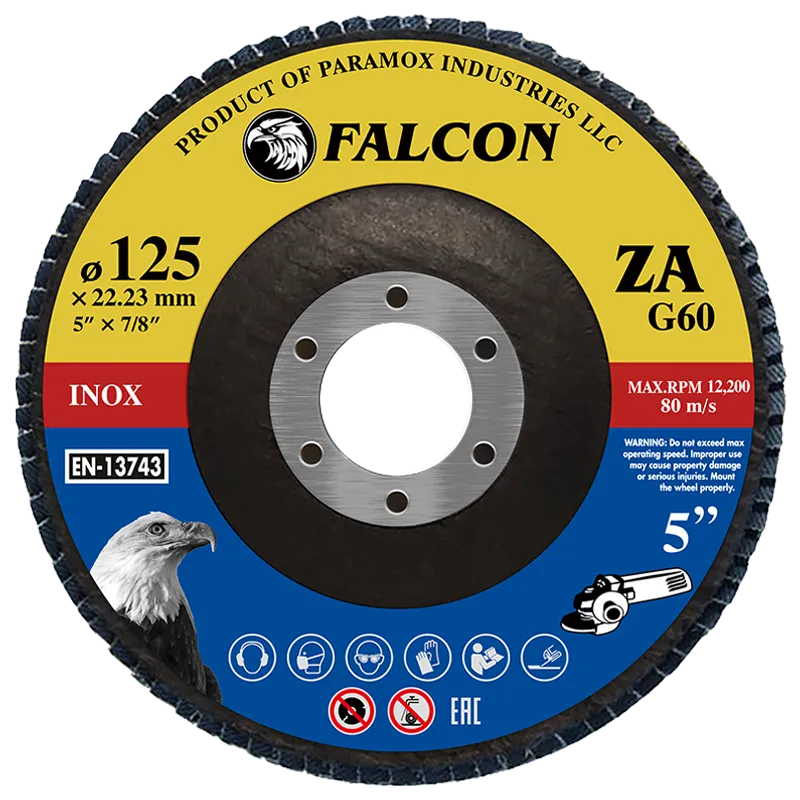
Zirconia flap discs are special tools using for grinding and polishing many kind of materials. They very popular in industries like metalworking and also woodworking. These discs got layers from zirconia abrasive that help to make surface smooth and ...
View More
What applications are different types of cut-off wheels suitable for?

22

May

What applications are different types of cut-off wheels suitable for?

Cut-off wheels is important tool for cuting through differents materials. They come in many types which makes them good for lot of tasks. You can see them used in metal work, building sites, and even in home garage. Cut-off wheels made from stuff lik...
View More
Type 1 vs Type 27 Cut Off Wheel: Full Comparison

09

Oct

Type 1 vs Type 27 Cut Off Wheel: Full Comparison

A Abrasive wheels are essential tools in metal fabrication, construction, welding, maintenance and general industrial work. When selecting an abrasive wheel, users often focus on diameter, thickness, abrasive material and RPM. However, the wheel type...
View More

Get a Free Quote

Our representative will contact you soon.
Email
Mobile/WhatsApp
Name
Company Name
Country
Customer Type
Estimated Order Quantity
MOQ and Free Sample Policy
Message
0/1000

Related product categories

Key Factors for Grinding Discs

Key Factors for Grinding Discs

When evaluating grinding discs, consider the following factors to ensure they meet your operational needs:

Material Composition: The choice of abrasive material (e.g., aluminum oxide, silicon carbide) affects performance and suitability for different applications. For example, aluminum oxide is ideal for metalworking, while silicon carbide works well for harder materials like glass.Diameter and Thickness: These specifications determine the disc's cutting ability and compatibility with your equipment. Thicker discs often provide better stability and durability but may require more power to operate. You may also want to explore Grinding Discs for Metal options.Bonding Agent: The type of resin or bonding agent used can influence the disc's performance. A stronger bond may enhance the disc's lifespan but could also affect its flexibility and cutting speed.Grain Size: Smaller grain sizes produce finer finishes, while larger grains are more aggressive. Selecting the appropriate grain size is crucial for achieving desired surface finishes.

Having a clear understanding of these factors will help ensure you select the right grinding discs for your applications.

Where to Find Reliable Suppliers for Cutting and Grinding Discs

Where to Find Reliable Suppliers for Cutting and Grinding Discs

Identifying reliable suppliers is essential for maintaining production quality. Here are some strategies to find trustworthy manufacturers:

Industry Trade Shows: Attending trade shows allows you to meet suppliers in person, examine products, and discuss your needs directly. It's an excellent opportunity to assess the quality and range of products offered.Online Marketplaces and Directories: Websites like Alibaba and ThomasNet can help you find manufacturers that specialize in cutting and grinding discs. Look for suppliers with positive reviews and verified business credentials.Referrals and Recommendations: Networking within industry circles can lead to recommendations for reputable suppliers. Colleagues may share their experiences with different manufacturers, providing insight into quality and service.Certifications and References: Always check for industry certifications and ask for references from other customers. This can provide assurance of the supplier's reliability and product quality.

By utilizing these strategies, you can connect with suppliers that align with your operational requirements and standards.

Common Problems with Grinding Discs and Effective Solutions

Common Problems with Grinding Discs and Effective Solutions

While using grinding discs, certain issues may arise that can affect performance. Here are some common problems and their solutions:

Disc Breakage: This can occur due to improper mounting, excessive pressure, or using a disc that is not suited for the machine. To avoid this, always follow the manufacturer's guidelines for mounting and usage, and ensure the disc is compatible with your equipment.Uneven Wear: If a disc wears unevenly, this may indicate misalignment or excessive vibration during operation. Regular maintenance checks on equipment alignment can help mitigate this issue.Overheating: Excessive heat can lead to disc degradation. To manage this, ensure proper cooling techniques are employed during grinding, such as using appropriate feed rates and avoiding prolonged contact with the workpiece.Poor Finish: If the finished surface does not meet quality standards, it may be due to the wrong abrasive material or grain size. Conducting tests with various discs can help identify the most suitable option for your specific application.

Implementing these solutions can significantly reduce downtime and improve grinding efficiency.

Comparing Material Advantages of Different Grinding Disc Types

There are several types of materials used in grinding discs, each with distinct advantages depending on the application:

Aluminum Oxide: Highly versatile, it is suitable for grinding ferrous metals and is known for its durability. It's commonly used in general-purpose applications.Silicon Carbide: This material is ideal for non-metallic materials like ceramics and glass. It provides excellent cutting ability and is often used in finishing applications.Zirconia Alumina: This type offers superior durability and is suitable for heavy grinding applications. It is well-suited for stainless steel and other high-tensile materials.Ceramic: Known for their longevity, ceramic discs are excellent for high-pressure applications and are often used in demanding industrial environments.

When comparing materials, consider factors like the type of material being processed, the required finish, and expected production volumes. This thorough evaluation ensures you choose the most effective grinding disc for your needs, ultimately leading to better operational efficiency.

By understanding the nuances of cutting and grinding discs, their sourcing, and their application, B2B buyers can make more informed purchasing decisions that meet their operational requirements.

Get a Free Quote

Our representative will contact you soon.
Email
Mobile/WhatsApp
Name
Company Name
Country
Customer Type
Estimated Order Quantity
MOQ and Free Sample Policy
Message
0/1000