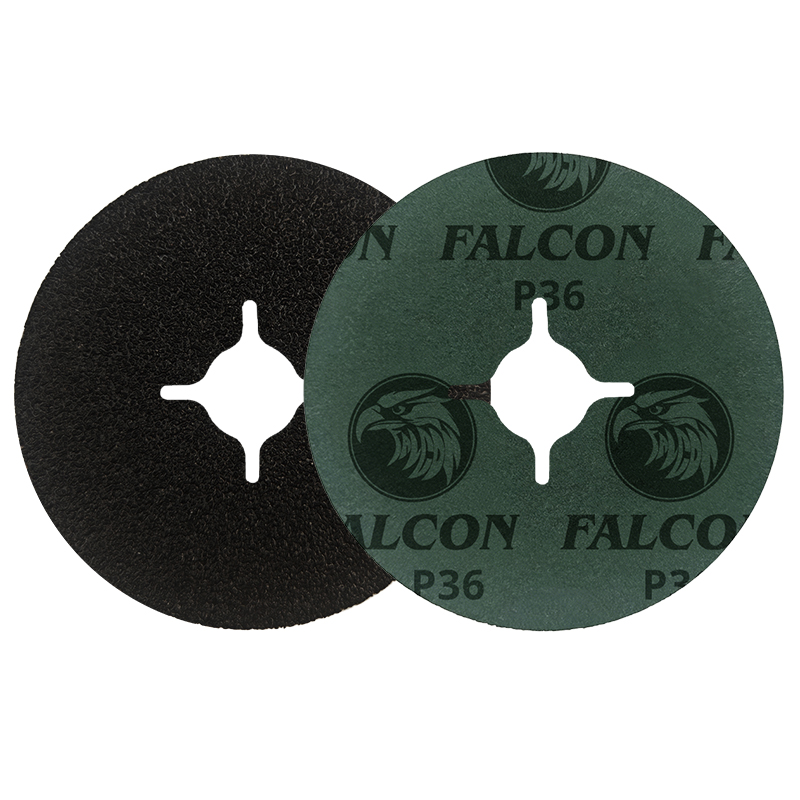
Reliable Suppliers and Installation for Fiber Disks

Get a Free Quote

Our representative will contact you soon.
Email
Mobile/WhatsApp
Name
Company Name
Country
Customer Type
Estimated Order Quantity
MOQ and Free Sample Policy
Message
0/1000

fiber disk

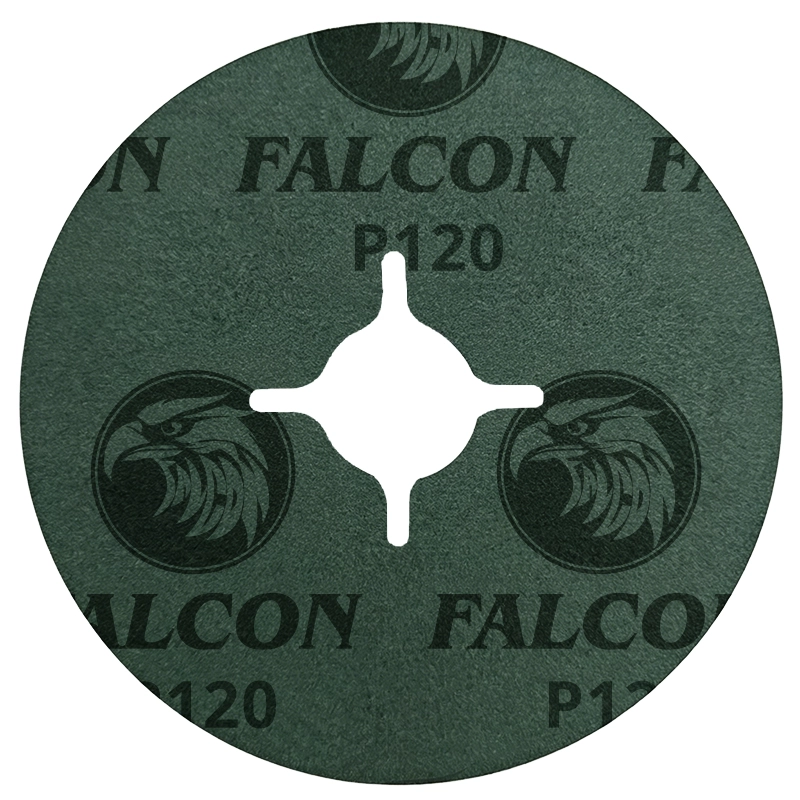
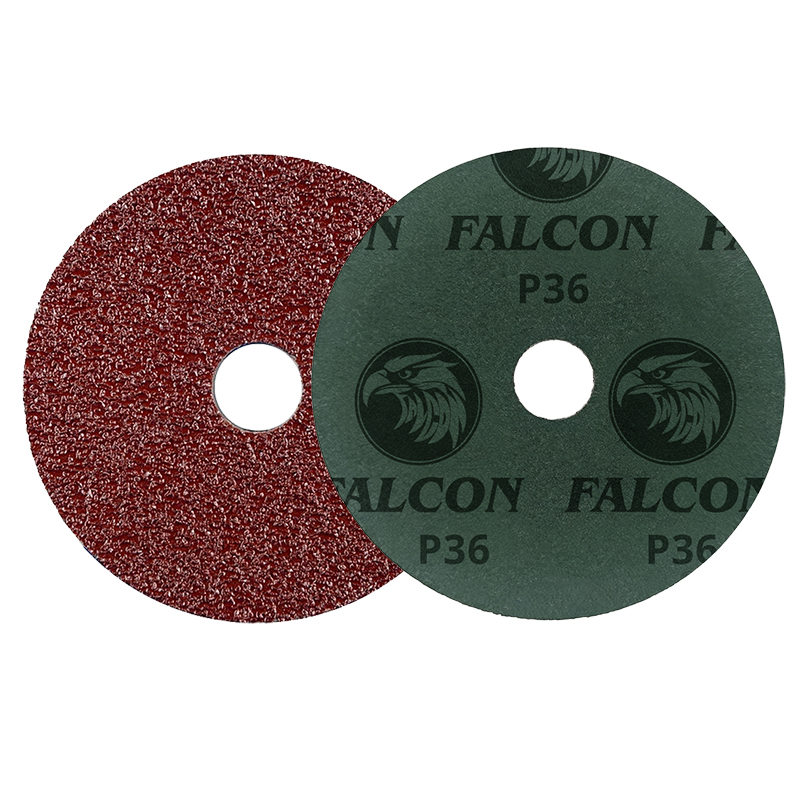
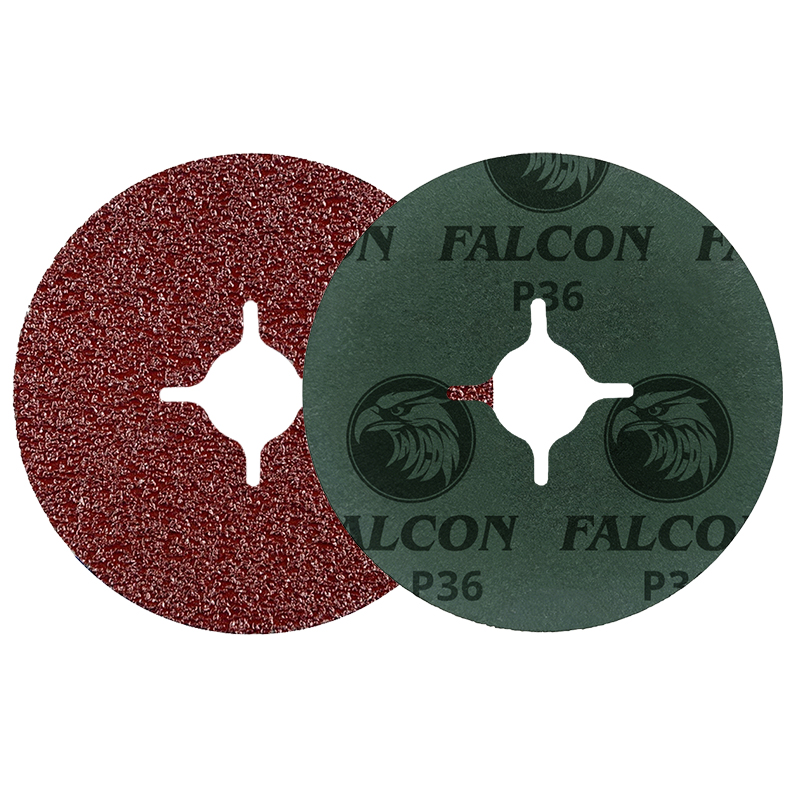
Fiber disks are essential abrasive tools designed for various industrial applications, providing effective grinding and finishing capabilities. As purchasing managers, engineers, and product managers evaluate options for fiber disks, they often have specific concerns regarding quality, compatibility, and cost. This article will guide you in finding reliable suppliers, comparing specifications, understanding cost factors, installation guidance, and troubleshooting common issues related to fiber disks.
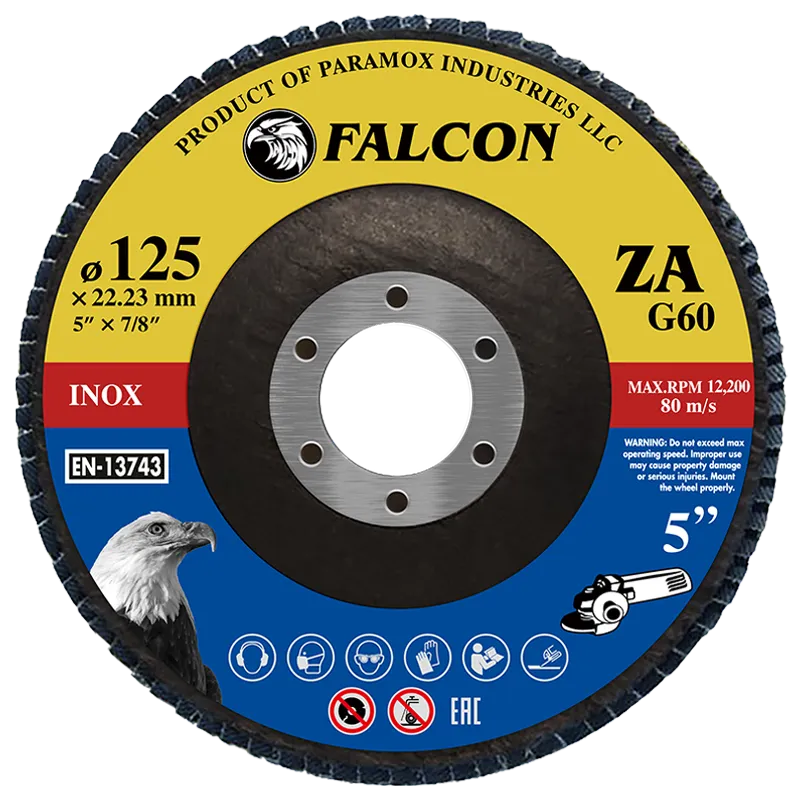
Where to Find Reliable Suppliers for Fiber Disks

When searching for reliable suppliers of fiber disks, it’s crucial to focus on manufacturers with a proven track record in the abrasive tools market. Start by exploring industry directories and trade shows, which often feature reputable manufacturers. Websites like ThomasNet or industry-specific platforms allow you to filter suppliers by product type and location. Additionally, consider reaching out to suppliers of Other Products / Custom Requirements to get a broader view of what's available.

Additionally, verify the supplier's credentials. Look for certifications related to quality management systems, such as ISO 9001, which indicates adherence to international quality standards. Engage in supplier discussions around their manufacturing processes, material sourcing, and production capabilities. Request samples to assess the quality of the fiber disks before placing a bulk order. This step can save you from future complications linked to material failures or performance issues.

Frequently Asked Questions

What is a fiber disk used for?

A fiber disk is an abrasive attachment used for grinding, blending, deburring, and surface preparation on metal and other industrial materials.
Fiber disks work well on steel, stainless steel, cast iron, and various non-ferrous metals, as well as some composites and painted surfaces.
Select grit based on finish: coarse (36–60) for aggressive stock removal, medium (80–120) for blending, fine (150+) for finishing. Match hardness to backing and application for optimal life.
Wear eye protection, gloves, long sleeves, hearing protection, and respiratory protection if dust is generated. Use appropriate footwear and follow machine guards.
Store flat in a dry, cool area away from moisture. Inspect for cracks, delamination, or damage before use; discard any compromised disks.

Our Blog Posts

How to clean a flap disc?

25

Mar

How to clean a flap disc?

Proper cleaning is essential to maintain the performance of flap discs. A flap disc is an accessory fitted to angle grinders for grinding, sanding, and polishing various surfaces. Over time, accumulated dust, dirt, and metal debris will clog the disc...
View More
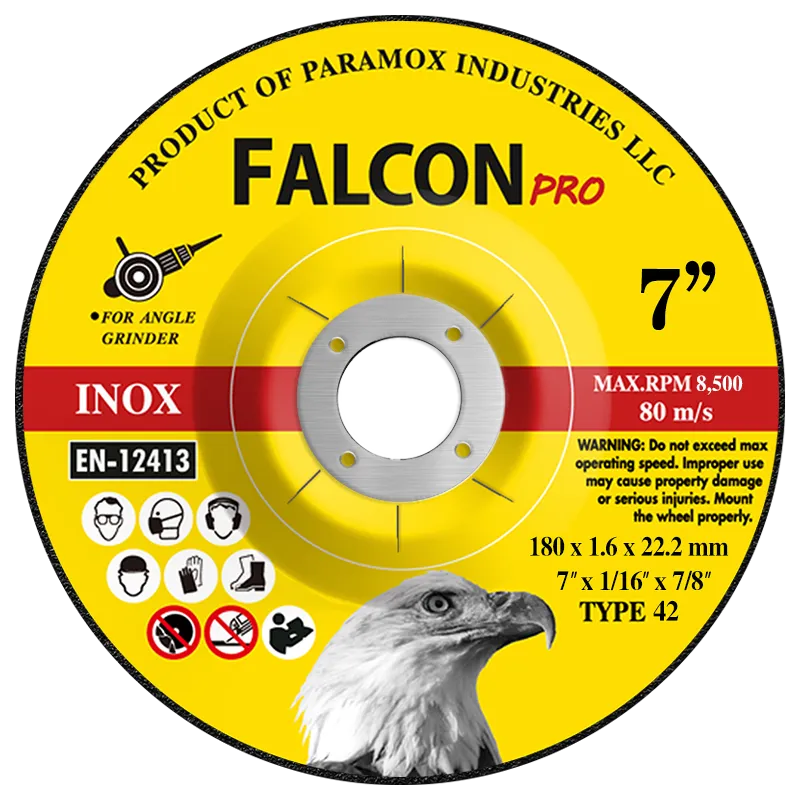
How to Extend the Lifespan of Your Cut Off Wheels

11

Oct

How to Extend the Lifespan of Your Cut Off Wheels

Cut-off wheels are essential abrasive tools for industrial cutting applications. They are widely used for cutting metal, concrete, stone, and other hard materials. However, wheel selection and operating methods have a direct impact on cutting perform...
View More
What Is a Fiber Disc & How Does It Work?

29

Jul

What Is a Fiber Disc & How Does It Work?

Fiber discs are really important tools in lots of industries, specially manufacturing and construction. They made from strong stuff and good for sanding, grinding, or polishing surfaces. You put them on machine, they spin fast and smooth rough edges ...
View More
What Is a CBN Grinding Wheel Used For?

25

Aug

What Is a CBN Grinding Wheel Used For?

CBN grinding wheels are special tools make from cubic boron nitride, which is super hard material. These wheels mostly use in factories and workshops to grind and sharp metal parts. They good for things like engine pieces, cutting tools, and other to...
View More

Get a Free Quote

Our representative will contact you soon.
Email
Mobile/WhatsApp
Name
Company Name
Country
Customer Type
Estimated Order Quantity
MOQ and Free Sample Policy
Message
0/1000

Related product categories

Comparing Fiber Disk Specifications to Meet Your Project Needs

Comparing Fiber Disk Specifications to Meet Your Project Needs

Fiber disks come in various specifications, each suited for different applications. Key specifications to evaluate include the disk's grit size, thickness, diameter, and backing material.

Grit Size: The grit size determines how aggressively the disk will cut. Finer grits (e.g., 120-300) are ideal for finishing work, while coarser grits (e.g., 36-80) are better for heavy material removal.

Thickness: Thicker disks generally offer greater durability and resistance to wear, making them suitable for heavy-duty applications. However, they may be less flexible, which can affect their performance in tight spaces.

Diameter: The diameter affects compatibility with your equipment. Ensure that the disk size matches your grinder or sander specifications to avoid operational issues.

Backing Material: Common backing materials include fiber, paper, and plastic. Choose based on the required flexibility and strength for your specific application. Understanding these specifications helps in selecting the right fiber disk for your project, ensuring optimal performance and efficiency.

Understanding the Cost Factors of Fiber Disks for Wholesale Buyers

Understanding the Cost Factors of Fiber Disks for Wholesale Buyers

The cost of fiber disks can vary significantly based on several factors. Understanding these will aid in making informed purchasing decisions.

Material Quality: Higher-quality abrasives and backing materials typically lead to increased costs. Consider the long-term value of investing in durable options that enhance productivity.

Quantity Ordered: Wholesale pricing often decreases with larger orders. Be mindful of your minimum order quantity (MOQ) requirements, as suppliers may offer better rates for bulk purchases. Additionally, if you require specific items such as Safety Gloves or other protective equipment, it’s useful to discuss those needs as well.

Customization: If your project requires customized fiber disks, expect additional costs for specific sizes or grits. Discuss your needs with suppliers to get precise quotations.

Shipping and Handling: Factor in transportation costs, especially for international orders. Shipping weight and distance can significantly impact the final price.

By considering these factors, you can better manage your budget while ensuring you receive quality products that meet your project requirements.

Installation Guidance for Fiber Disks in Various Applications

Installation Guidance for Fiber Disks in Various Applications

Proper installation of fiber disks is essential for safe and effective operation. Here are some best practices for installation in various applications:

Compatibility Check: Always ensure that the fiber disk is compatible with the tool you are using. Check the manufacturer's specifications to match the disk diameter and arbor size with your grinder or sander.

Secure Mounting: Before installation, ensure that the tool is powered off. Securely mount the fiber disk according to the manufacturer’s guidelines, using the appropriate backing pad if necessary. Improperly mounted disks can lead to vibrations and premature wear.

Safety Gear: When installing and using fiber disks, always wear appropriate safety gear, including gloves, goggles, and a dust mask, to protect against flying debris and dust.

Test Run: After installation, conduct a test run at a low speed to ensure the disk is properly seated and balanced. This step helps identify any potential issues before full operation.

Following these guidelines will help ensure optimal performance and safety when using fiber disks in various applications.

Identifying Common Problems with Fiber Disks and Solutions

Like any industrial tool, fiber disks can encounter issues during use. Here are some common problems and their solutions:

Excessive Wear: If a fiber disk wears out too quickly, it may be due to using the wrong grit size for the application. Ensure that the selected grit aligns with the material being worked on. For heavy material removal, a coarser grit should be used.

Discoloration or Burning: This can happen when excessive pressure or speed is applied. Reduce the pressure during grinding and ensure that the tool operates within the recommended speed range to prevent overheating.

Loading: Sometimes, the disk can become clogged with material, reducing its effectiveness. To combat this, select a disk designed for the specific material being processed and adjust your technique to avoid excessive build-up.

Poor Adhesion: If the abrasive material separates from the backing, it may indicate a manufacturing defect or improper storage conditions. Always inspect the disks before use and store them in a cool, dry environment to maintain their quality.

By recognizing these common issues and their solutions, you can enhance the efficiency and longevity of your fiber disks, ensuring they perform optimally throughout their intended use.

Get a Free Quote

Our representative will contact you soon.
Email
Mobile/WhatsApp
Name
Company Name
Country
Customer Type
Estimated Order Quantity
MOQ and Free Sample Policy
Message
0/1000