Key Factors for Sourcing Grinding Discs

Get a Free Quote

Our representative will contact you soon.
Email
Mobile/WhatsApp
Name
Company Name
Country
Customer Type
Estimated Order Quantity
MOQ and Free Sample Policy
Message
0/1000

grinding disc

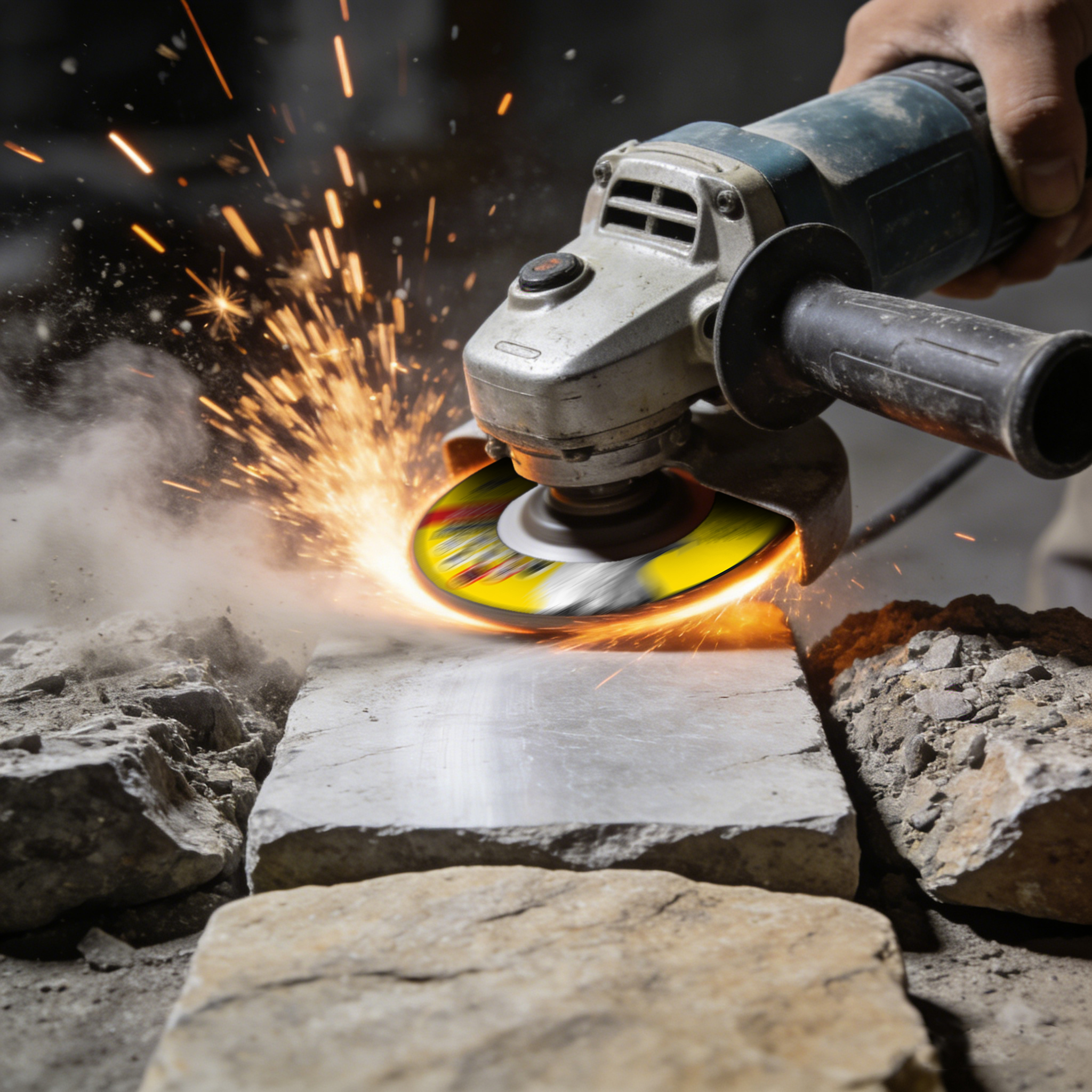
Grinding discs are essential abrasive tools used in various industrial applications, including metalworking, construction, and manufacturing. Selecting the right grinding disc can significantly impact productivity, cost-effectiveness, and the quality of the finished product. For B2B buyers, understanding the specifications, materials, installation techniques, and potential issues associated with grinding discs is crucial for making informed purchasing decisions. This article will guide you through key considerations when sourcing grinding discs to ensure optimal performance in your applications.

Our Products

Key Specifications to Evaluate When Sourcing Grinding Discs

When evaluating grinding discs, several key specifications should be considered. These include:

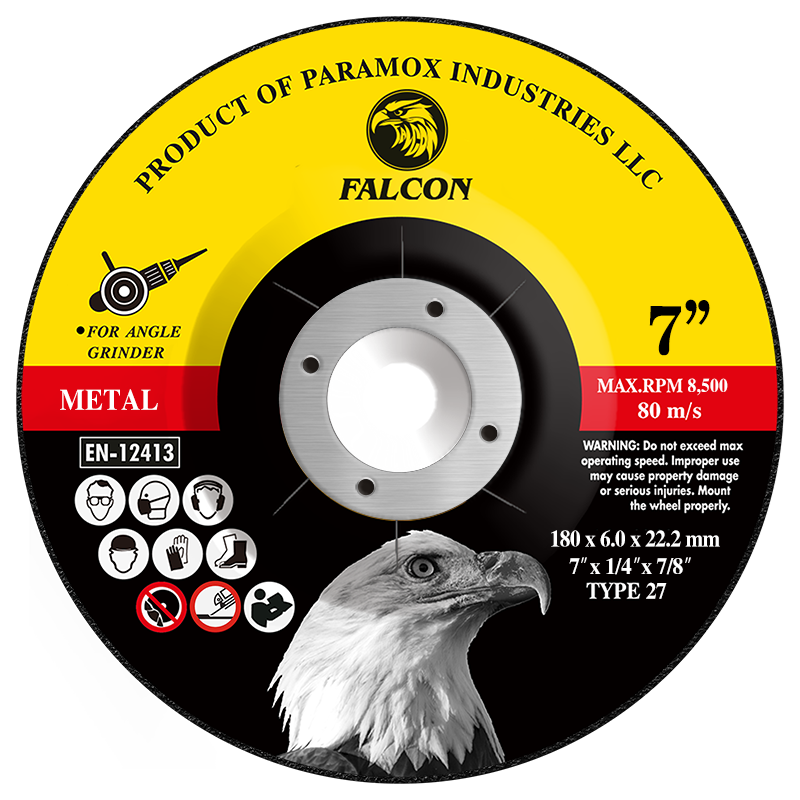
Diameter and Thickness: The size of the grinding disc dictates its compatibility with specific machines and the type of work it can perform. Typical diameters range from 4 inches to 16 inches, with thickness affecting cutting speed and material removal rates. Thicker discs are often more durable but may produce more heat.

Grit Size: Grit size indicates the coarseness of the abrasive material. Finer grits (e.g., 120-400) are suitable for finishing work, while coarser grits (e.g., 24-60) are better for heavy stock removal. Selecting the appropriate grit size is crucial for achieving the desired surface finish.

Bond Type: The bond holds the abrasive grain together and affects the disc's performance. Common bond types include vitrified, resin, and metal bonds. Each has unique properties that influence durability, heat resistance, and application suitability.

Abrasive Material: Different materials, such as aluminum oxide, silicon carbide, and diamond, offer varying levels of performance and durability. The choice of abrasive material should align with the specific application and material being worked on. For instance, Grinding Discs for Metal may utilize different materials depending on the task at hand.

RPM Rating: Ensure that the grinding disc's RPM rating matches the maximum speed of the grinding machine. Using a disc with an unsuitable RPM rating can lead to dangerous situations, including disc failure.

Buyers should verify these specifications against their specific applications and equipment to ensure compatibility and optimal performance.

Frequently Asked Questions

What types of grinding discs do you offer?

We provide cutting, grinding, flap, and diamond discs in various sizes and grits for metal, steel plate, and stone applications, engineered for high performance and durability.
Yes. Discs are designed to fit common angle grinder arbor sizes; check product specs for diameter and bore to ensure compatibility.
Choose coarse grits for rapid stock removal, finer grits for finishing. Hardness depends on material hardness; our product page lists recommended grit and hardness per application.
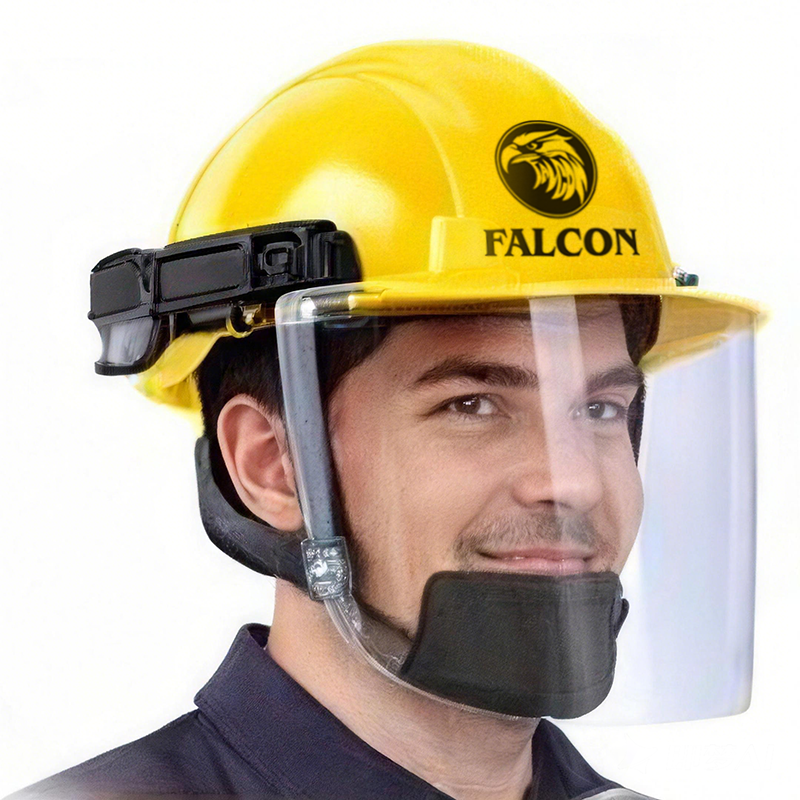
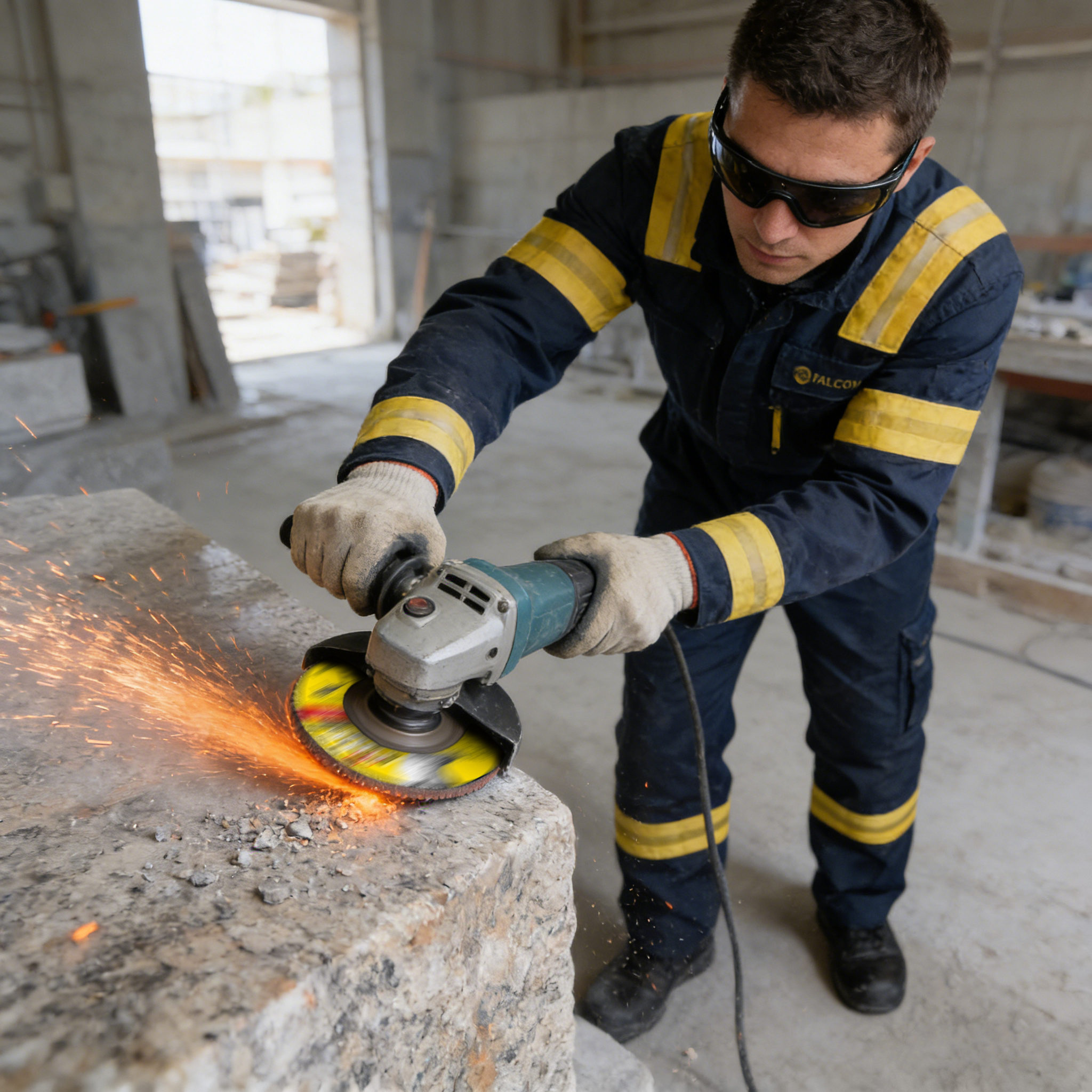
Always wear certified protective clothing, gloves, footwear, eye and face protection, and follow speed ratings. Inspect discs for damage before use and secure workpiece properly.
Yes. We support custom specifications and bulk orders for industrial clients. Contact sales with required sizes, quantities, and application details for a quote.

Our Blog Posts

Notes on using a flap disc

25

Jun

Notes on using a flap disc

Flap discs are indeed helpful in metal finishing work. They are constructed using numerous layers of sandpaper fastened together, but in a fan shape. These discs are made to grind, polish and smooth metallic surfaces to make them shiny. These are use...
View More
Common Uses of Fiber Discs in Metalworking

01

Aug

Common Uses of Fiber Discs in Metalworking

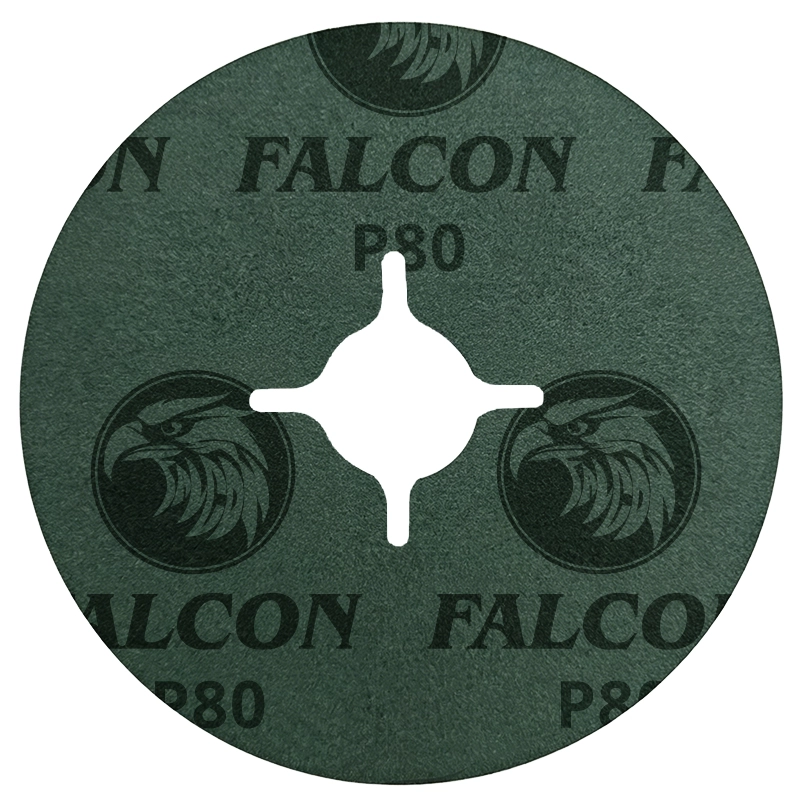
Fiber discs are really important tools in metalworking. They are round shape discs made from strong stuff and covered with abrasive grains. These discs get used on grinders or sanders machines to smooth, shape, and polish metal surfaces. Peoples who ...
View More
How to Choose Between Cut Off Wheels and Grinding Wheels

14

May

How to Choose Between Cut Off Wheels and Grinding Wheels

Choosing between cut-off wheels and grinding wheels can be confusing in the begining, but once you understand their differences it will helps you pick the right one for your project. Cut-off wheels they are thin and made to slice materials like metal...
View More
Class E, G, C Hard Hats: Electrical Safety Ratings

22

Jul

Class E, G, C Hard Hats: Electrical Safety Ratings

Hard hats are really important to keep workers safe, specially in places where things can fall on head or there is electrical danger. At Falcon Global, we understand that picking the correct Hard Hat make big difference. There is Class E, G, and C ha...
View More

Get a Free Quote

Our representative will contact you soon.
Email
Mobile/WhatsApp
Name
Company Name
Country
Customer Type
Estimated Order Quantity
MOQ and Free Sample Policy
Message
0/1000

Related product categories

How Grinding Disc Material Affects Performance and Cos

How Grinding Disc Material Affects Performance and Cos

The material of a grinding disc significantly influences its performance characteristics and cost. Common materials include:

Aluminum Oxide: This is widely used for grinding ferrous metals and is known for its durability and cost-effectiveness. Aluminum oxide discs provide a good balance between performance and price, making them suitable for general applications.

Silicon Carbide: Ideal for working with non-ferrous materials such as aluminum, brass, and glass. Silicon carbide grinding discs are typically more expensive but offer superior cutting performance on softer materials.

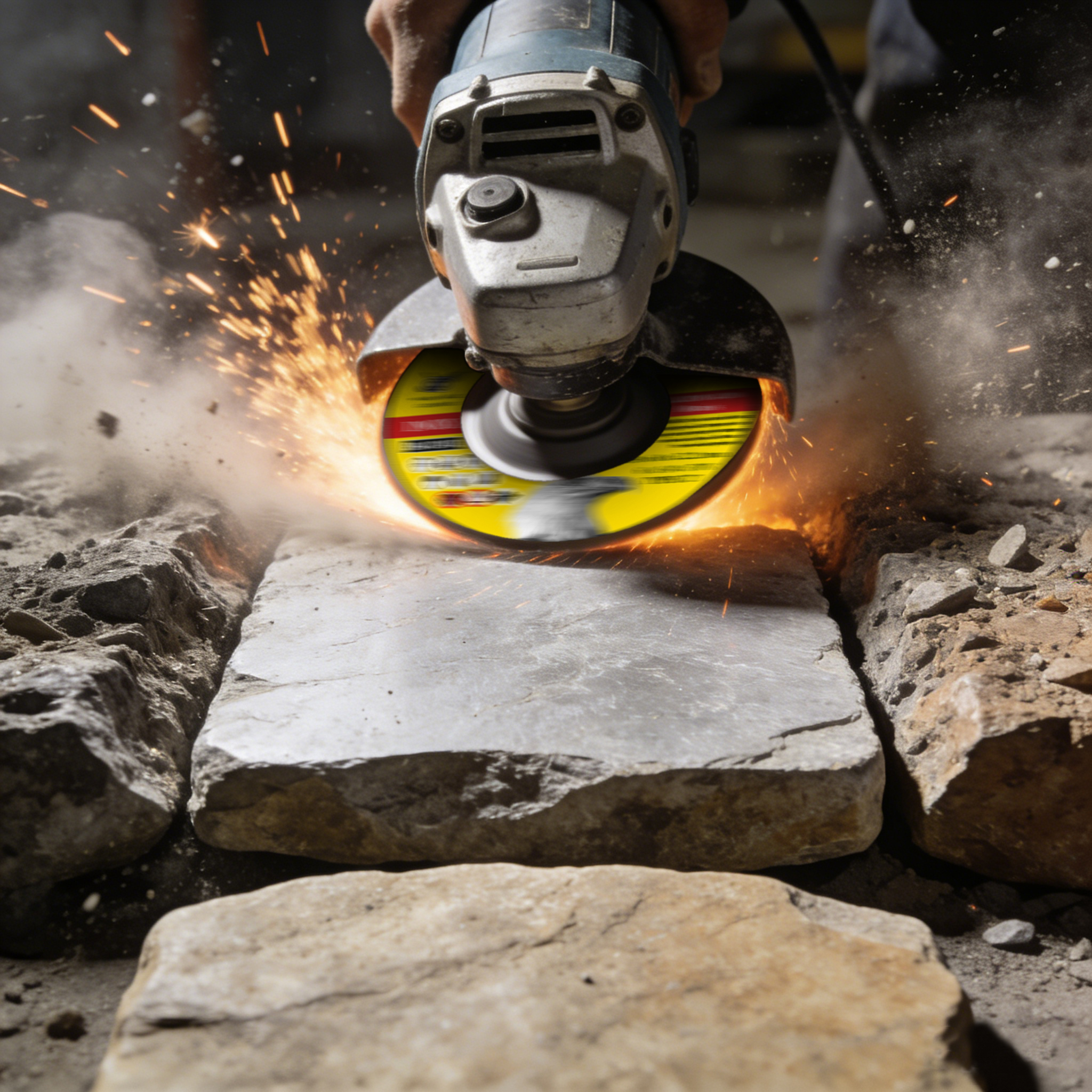
Diamond: These discs are used for specialized applications, including cutting hard materials like concrete or stone. While diamond discs are among the most expensive options, they provide exceptional durability and performance, often leading to lower costs in the long run due to reduced replacement frequency. When sourcing such high-end options, consider Pro Cutting-off Discs for Stainless Steel for enhanced results.

When selecting grinding discs, buyers should consider both the initial cost and the long-term performance to ensure value for money.

Installation Tips for Optimal Use of Grinding Discs in Projects

Installation Tips for Optimal Use of Grinding Discs in Projects

Proper installation of grinding discs is essential for safe and effective operation. Here are some tips:

Check Compatibility: Before installation, verify that the grinding disc is compatible with the grinding machine. This includes ensuring the correct diameter, thickness, and RPM rating.

Secure Mounting: Ensure the disc is mounted securely to prevent it from coming loose during operation. Use appropriate locking mechanisms and follow the manufacturer’s guidelines for installation.

Use Protective Gear: Operators should wear appropriate personal protective equipment (PPE) such as safety glasses, gloves, and hearing protection to minimize the risk of injury during grinding.

Follow Operating Instructions: Adhere to the manufacturer’s instructions regarding speed settings and operation techniques. Misuse can lead to premature wear or catastrophic failures.

Check for Damage: Inspect the grinding disc for any signs of damage, such as cracks or chips, before use. Using a damaged disc can pose serious safety hazards.

By following these installation tips, users can maximize the performance and lifespan of their grinding discs.

Common Problems with Grinding Discs and Effective Solutions

Common Problems with Grinding Discs and Effective Solutions

While grinding discs are robust tools, users may encounter several common issues:

Excessive Wear: If a grinding disc wears out too quickly, it may be due to using the wrong grit size for the application or excessive pressure during operation. To remedy this, ensure the appropriate grit size is selected and adjust the pressure applied during grinding.

Overheating: Overheating can occur if the disc is used at too high a speed or if there is insufficient cooling. This can lead to disc failure. To prevent overheating, always adhere to the recommended RPM and ensure proper cooling methods are in place.

Chatter Marks: These can occur when the disc vibrates excessively, often due to misalignment or improper mounting. To resolve this, check the alignment of the grinding machine and ensure the disc is properly secured.

Loading: This refers to the accumulation of material on the disc surface, which can impede performance. Using a coarser grit or adjusting the feed rate can help reduce loading.

By addressing these common issues proactively, users can enhance the efficiency and safety of their grinding operations.

Understanding Cost Factors in Bulk Orders of Grinding Discs

When sourcing grinding discs in bulk, several cost factors should be considered:

Material and Specifications: The choice of material and the specifications of the grinding discs will have the most significant impact on pricing. As discussed earlier, advanced materials like diamond or specialized bonds may increase costs.

Quantity Discounts: Many manufacturers offer tiered pricing based on order volume. Buyers should inquire about discounts for larger orders to maximize savings.

Customization: If specific dimensions, grit sizes, or material types are required, customization may incur additional costs. It's essential to evaluate whether the benefits of customization align with budget constraints.

Shipping and Handling: Bulk orders can lead to increased shipping costs, especially for heavy items. Buyers should consider logistics and potential shipping fees when calculating total costs.

Lead Time: The production lead time may vary based on order size and customization requirements. Understanding lead times is crucial for planning and ensuring timely delivery for projects.

By considering these cost factors, buyers can make informed decisions that align with their budget and operational needs. Sourcing the right grinding discs involves a thorough understanding of specifications, materials, installation techniques, common issues, and cost factors. By applying the knowledge presented, B2B buyers can optimize their purchasing decisions and enhance the efficiency of their industrial applications.

Get a Free Quote

Our representative will contact you soon.
Email
Mobile/WhatsApp
Name
Company Name
Country
Customer Type
Estimated Order Quantity
MOQ and Free Sample Policy
Message
0/1000