Choosing the Right Metal Cutting Wheel for Angle Grinders

Get a Free Quote

Our representative will contact you soon.
Email
Mobile/WhatsApp
Name
Company Name
Country
Customer Type
Estimated Order Quantity
MOQ and Free Sample Policy
Message
0/1000

metal cutting wheel for angle grinder

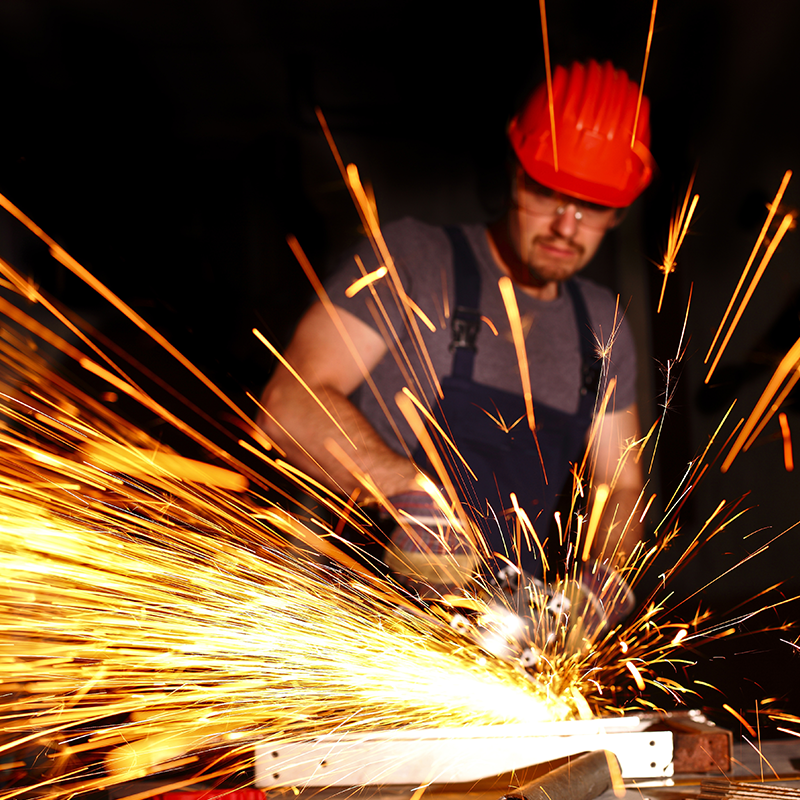
Choosing the right metal cutting wheel for angle grinders is crucial for achieving precise cuts and optimal performance in industrial applications. For B2B buyers such as purchasing managers, engineers, and product managers, understanding the key specifications, material considerations, and performance factors is essential to make informed decisions. This article will guide you through the critical aspects of selecting metal cutting wheels, ensuring that you choose products that meet your specific needs.

What to Consider When Choosing Metal Cutting Wheels for Angle Grinders

When selecting a metal cutting wheel for angle grinders, several key factors should be considered to ensure optimal performance and safety.

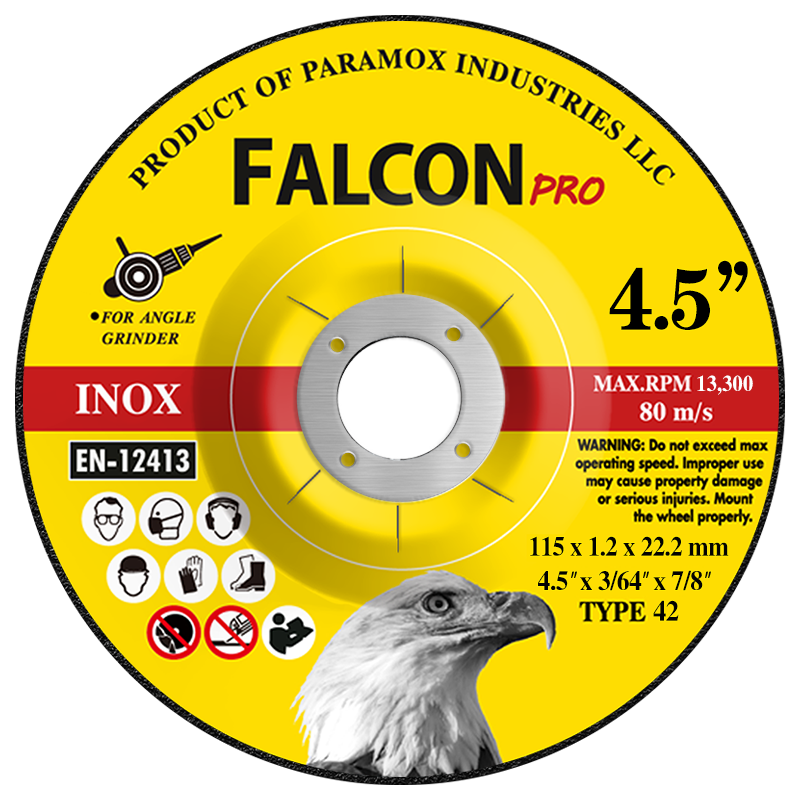
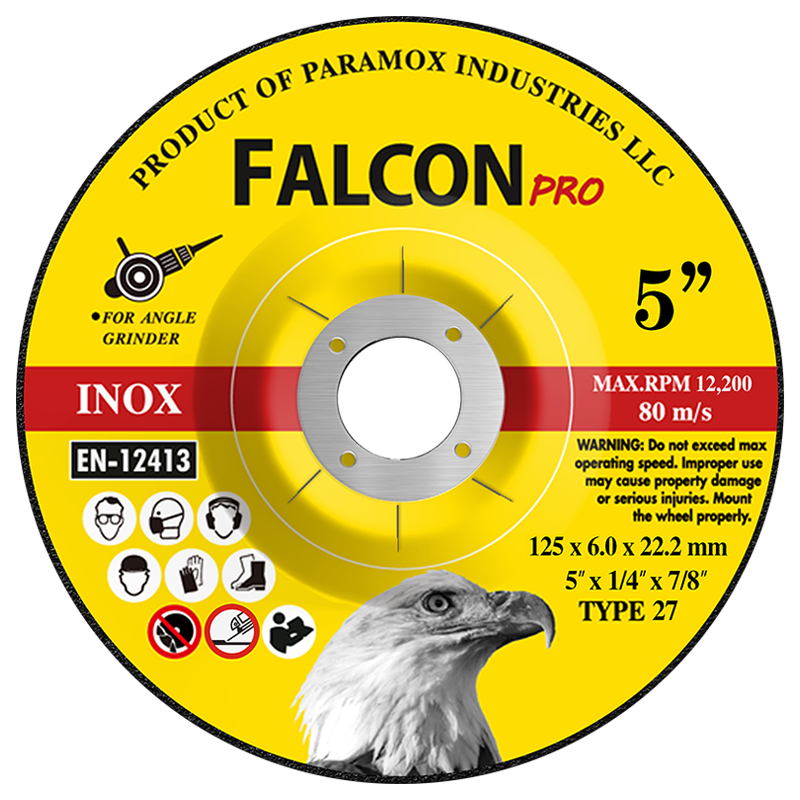
Material Composition: Metal cutting wheels are typically made from abrasive materials like aluminum oxide, zirconia, or silicon carbide. Each material has unique properties that affect durability and cutting efficiency. For example, zirconia wheels are highly effective for cutting stainless steel and harder metals due to their superior toughness and wear resistance. If you're particularly focused on stainless steel applications, consider our Grinding Disc for Inox/stainless steel.

Wheel Thickness: The thickness of the wheel significantly impacts its cutting performance. Thinner wheels (e.g., 1/16 inch) provide faster cutting speeds and less material loss, while thicker wheels (e.g., 1/4 inch) offer more durability and stability for heavy-duty applications. Consider the type of metal and the required cutting depth when selecting thickness.

Diameter and Arbor Size: Ensure that the wheel's diameter and arbor size are compatible with your angle grinder. Most angle grinders accommodate wheels ranging from 4.5 to 9 inches in diameter. Always verify that the wheel fits securely to prevent accidents during use.

RPM Rating: The wheel must be rated for the same or higher RPM than your angle grinder to avoid failure and ensure safe operation. Check the manufacturer’s specifications to confirm compatibility.

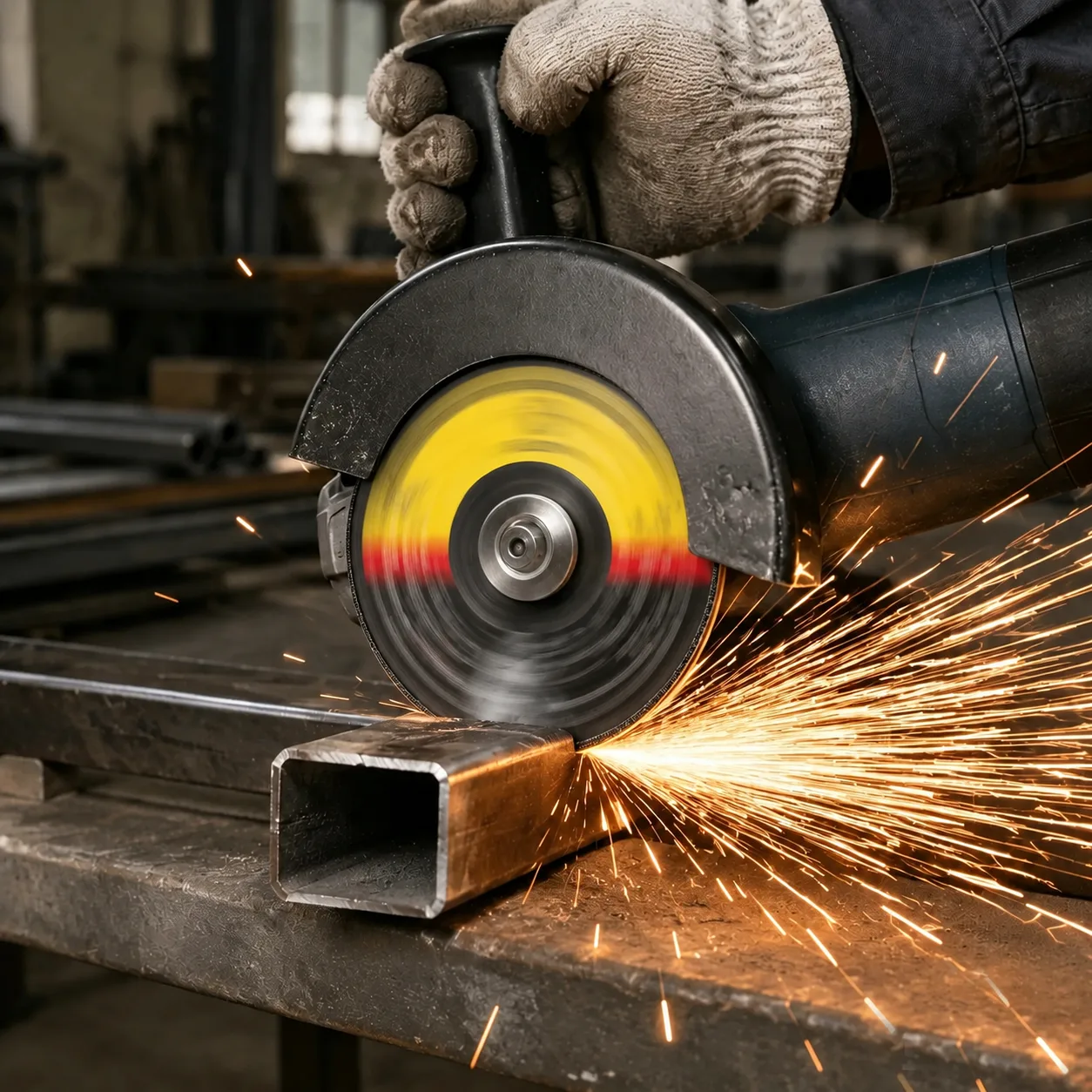
Application Suitability: Evaluate the specific applications you’ll be performing. For instance, if you’re cutting metal sheets, a wheel designed for general-purpose cutting may suffice, while more specialized wheels might be needed for intricate or structural work. For specialized cutting needs, you might want to look into Pro Cutting-off Discs for Stainless Steel.

Frequently Asked Questions

What materials can this metal cutting wheel cut?

Designed for steel, stainless steel, iron, and non-ferrous metals in industrial and maintenance applications.
Compatible with common angle grinders, typically 4.5", 5", and 7" models. Verify arbor hole and RPM rating before use.
Each wheel lists a maximum RPM and safety grade per manufacturing standards; always match wheel RPM to grinder speed and wear appropriate PPE.
Lifespan varies with material hardness and application intensity; under typical industrial use, expect consistent performance until measurable wear or decreased cutting efficiency.
Yes. We provide bulk quantities with protective packaging and can tailor orders for industrial supply needs; contact sales for lead times and pricing.

Our Blog Posts

Notes on using a flap disc

25

Jun

Notes on using a flap disc

Flap discs are indeed helpful in metal finishing work. They are constructed using numerous layers of sandpaper fastened together, but in a fan shape. These discs are made to grind, polish and smooth metallic surfaces to make them shiny. These are use...
View More
Flap Disc vs Fiber Disc: Whats the Difference?

22

Apr

Flap Disc vs Fiber Disc: Whats the Difference?

When it comes to metal grinding and surface finishing, choosing the right abrasive tool can significantly impact work efficiency, surface quality, and overall project results. Two of the most commonly used options are flap discs and fiber discs. Alth...
View More
How to Install a Cut Off Wheel on an Angle Grinder

12

Sep

How to Install a Cut Off Wheel on an Angle Grinder

Installing a cut-off wheel on an angle grinder may seem intimidating for beginners, but the process is simple with standard operating steps. At Falcon Global, we prioritize standardized installation practices to ensure safe operation and optimal cutt...
View More
What Is a CBN Grinding Wheel Used For?

25

Aug

What Is a CBN Grinding Wheel Used For?

CBN grinding wheels are special tools make from cubic boron nitride, which is super hard material. These wheels mostly use in factories and workshops to grind and sharp metal parts. They good for things like engine pieces, cutting tools, and other to...
View More

Get a Free Quote

Our representative will contact you soon.
Email
Mobile/WhatsApp
Name
Company Name
Country
Customer Type
Estimated Order Quantity
MOQ and Free Sample Policy
Message
0/1000

Related product categories

How to Compare Metal Cutting Wheels for Optimal Performance

How to Compare Metal Cutting Wheels for Optimal Performance

To effectively compare metal cutting wheels, focus on the following attributes:

Performance Characteristics: Assess the cutting speed, life expectancy, and the type of cut produced by the wheel. Manufacturers often provide performance data, which can help you gauge how a wheel will perform under your specific conditions.

User Reviews and Recommendations: Seek feedback from other users in your industry. Peer recommendations can provide insights into the reliability and performance of different wheels.

Certifications and Compliance: Check for industry certifications (such as ANSI or ISO) that indicate adherence to safety and quality standards. This ensures that the wheels have undergone rigorous testing and meet safety regulations.

Cost vs. Quality: While it might be tempting to choose the least expensive option, consider the total cost of ownership. A higher-quality wheel may have a higher upfront cost but could lead to lower replacement frequency and improved productivity.

Manufacturer Reputation: Choose wheels from reputable manufacturers like Falcon Global, known for their commitment to quality and advanced manufacturing processes. Established brands often have quality control systems in place, ensuring consistent performance.

Finding Trusted Sources for Metal Cutting Wheels

Finding Trusted Sources for Metal Cutting Wheels

Identifying reliable suppliers for metal cutting wheels is essential for maintaining quality and performance. Here are some tips for sourcing trusted products:

Supplier Research: Look for suppliers with a proven track record in the industry. Online reviews, testimonials, and case studies can provide insight into their reliability and product quality.

Direct Manufacturer Relationships: Whenever possible, source wheels directly from manufacturers rather than third-party distributors. This often provides better pricing, access to the latest products, and direct communication regarding customization options.

Request Samples: Before placing a large order, request samples of the wheels you are considering. Testing samples under actual working conditions will give you a better understanding of performance and compatibility.

Evaluate Customer Support: A supplier’s customer service can significantly impact your purchasing experience. Ensure they are responsive, knowledgeable, and willing to assist with any questions regarding product specifications or ordering procedures.

Check for Customization Options: If your applications require specific wheel configurations, ensure the supplier can accommodate custom requests. This might include variations in size, thickness, or material composition.

Installation Tips for Metal Cutting Wheels on Angle Grinders

Installation Tips for Metal Cutting Wheels on Angle Grinders

Proper installation of metal cutting wheels is vital for safety and performance. Follow these steps for effective installation:

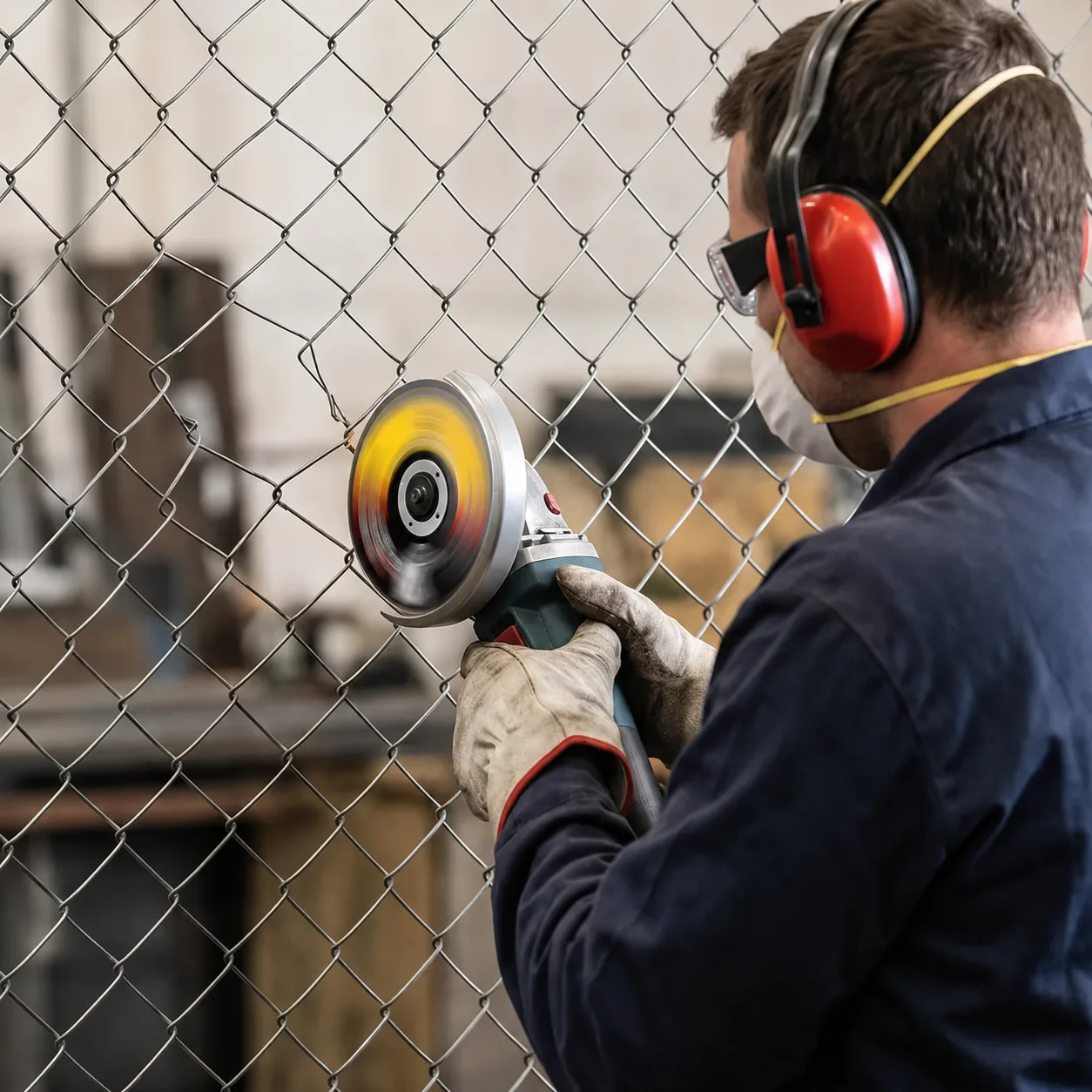
Safety Precautions: Always wear appropriate safety gear, including goggles and gloves, to protect against flying debris and dust. Ensure the angle grinder is unplugged before installation.

Wheel Inspection: Before installation, inspect the wheel for any visible defects, such as cracks or chips. Do not use damaged wheels as they can shatter during operation.

Correct Mounting: Ensure the wheel is mounted securely onto the grinder's arbor. Use the proper flanges and spacers as specified by the manufacturer to avoid misalignment.

Tighten Securely: Use the appropriate tools to tighten the wheel firmly. A loose wheel can lead to vibration and decreased cutting accuracy.

Test Run: Once installed, perform a test run at a low RPM to check for vibrations or unusual noises. If everything appears normal, gradually increase to the operational speed.

Common Problems with Metal Cutting Wheels and Effective Solutions

Understanding common issues with metal cutting wheels can help buyers mitigate problems during use. Here are some frequent challenges and their solutions:

Wheel Breakage: This can occur due to improper installation, excessive pressure, or using wheels rated for lower RPM than your grinder. Always ensure proper fit, use the correct wheel for your grinder, and avoid applying too much force during cutting.

Dull Cutting Edge: If a wheel is not cutting effectively, it may be worn out or made from an unsuitable material. Regularly assess wheel performance and replace them as needed. Choosing a wheel with the appropriate material for your specific cutting application will also help maintain sharpness.

Overheating: Excessive heat can cause wheel degradation and affect cutting performance. To prevent overheating, avoid prolonged contact with the material and use a cooling technique, such as periodic lifting of the grinder while cutting.

Dust and Debris: Excessive dust can impact visibility and safety. Use a wheel designed to minimize dust or consider employing a vacuum attachment to manage debris during cutting operations.

Inconsistent Cuts: If the cuts are not uniform, check the alignment and mounting of the wheel. Ensure the angle grinder is being operated at the correct angle and that you’re using the right technique for the material being cut.

Get a Free Quote

Our representative will contact you soon.
Email
Mobile/WhatsApp
Name
Company Name
Country
Customer Type
Estimated Order Quantity
MOQ and Free Sample Policy
Message
0/1000