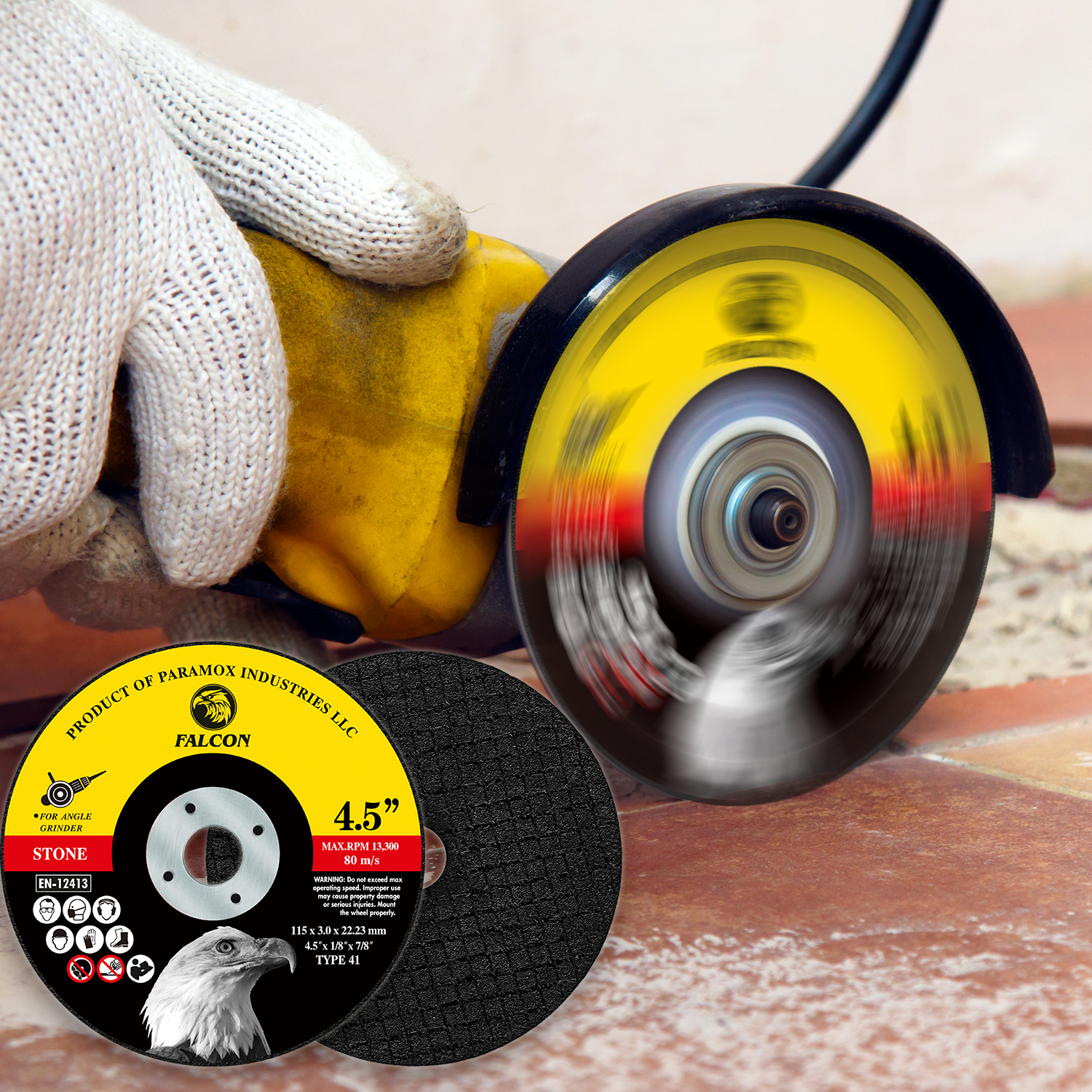
Choosing Metal Cutting Wheels for Angle Grinders

Get a Free Quote

Our representative will contact you soon.
Email
Mobile/WhatsApp
Name
Company Name
Country
Customer Type
Estimated Order Quantity
MOQ and Free Sample Policy
Message
0/1000

metal cutting wheel angle grinder

When selecting a metal cutting wheel for an angle grinder, buyers often face numerous considerations, including performance, material compatibility, and application. The right wheel can significantly enhance productivity and safety in various industrial applications. This article will address critical factors for evaluating metal cutting wheels, guiding purchasing managers and engineers in making informed decisions about their tooling needs.
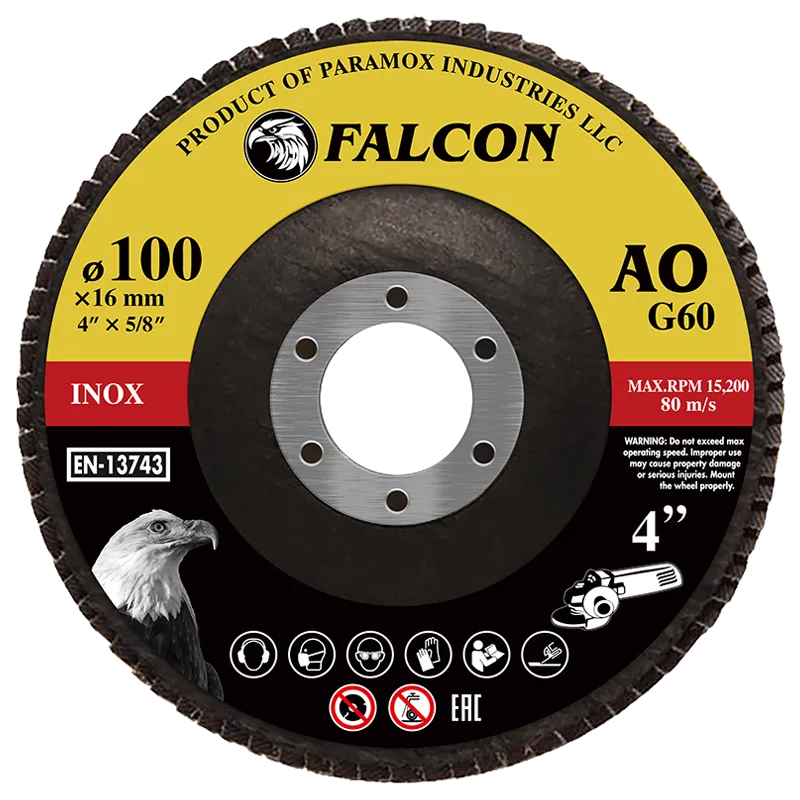
What to Consider When Choosing Metal Cutting Wheels for Angle Grinders

When selecting a metal cutting wheel for an angle grinder, several key factors come into play:

Material Composition: Different materials, such as aluminum oxide, silicon carbide, or diamond, offer varying levels of sharpness and durability. Aluminum oxide wheels are commonly used for cutting steel and other ferrous metals, while diamond wheels are preferred for harder materials like stainless steel and masonry. For more specialized applications, you may also consider our Other Products / Custom Requirements.

Wheel Thickness: Thicker wheels generally provide greater durability and are less prone to breakage, making them suitable for heavy-duty cutting tasks. However, thinner wheels allow for faster, cleaner cuts. Buyers should assess the specific cutting requirements and choose a thickness that balances durability and performance.

Diameter and Arbor Size: The diameter of the wheel must match the angle grinder's specifications, while the arbor size needs to fit securely. Ensuring compatibility is crucial for safe and effective operation.

Bonding Agent: The type of bonding agent used in the wheel affects its performance. For instance, resin-bonded wheels offer flexibility and are better suited for cutting harder materials, while vitrified bonded wheels are more rigid and provide enhanced stability.

Safety Ratings: Look for products that comply with relevant safety standards, such as those set by the American National Standards Institute (ANSI). This ensures that the wheels have undergone rigorous testing for safety and reliability.

Frequently Asked Questions

What materials can the metal cutting wheel cut?

Our metal cutting wheel is designed for mild steel, stainless steel, iron, and non-ferrous metals used in industrial fabrication and maintenance tasks.
Wheels fit standard angle grinders with 4" to 9" arbor sizes; confirm your grinder's RPM rating and arbor diameter before use.
Use the wheel below the stamped maximum RPM. Exceeding the rated speed risks failure; match wheel RPM to your grinder specifications.
Wear company-grade protective clothing, gloves, eye and face protection, secure the workpiece, use proper guards, and avoid side grinding with cutting wheels.
Products undergo advanced manufacturing and quality control; contact customer service for warranty terms, defect claims, and replacement procedures.

Our Blog Posts

How to Extend the Lifespan of Your Flap Discs

16

Apr

How to Extend the Lifespan of Your Flap Discs

Flap discs are essential abrasive tools widely used for grinding, blending, polishing, and surface preparation in metalworking applications. Whether used for weld finishing, rust removal, or general surface treatment, a high-quality flap disc can sig...
View More
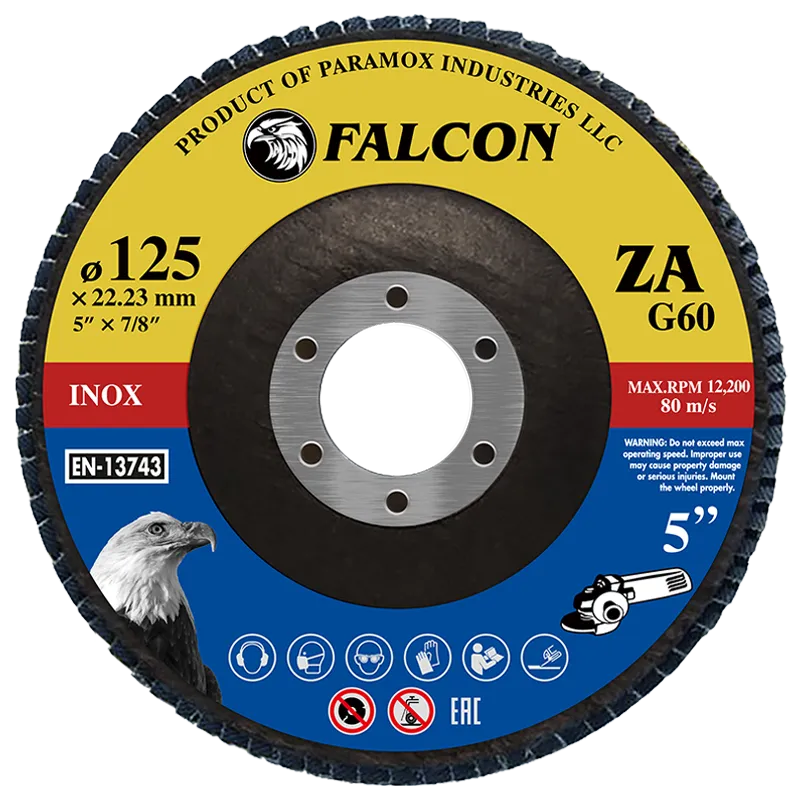
Flap Disc Grit Chart for Rust and Paint Removal

28

Apr

Flap Disc Grit Chart for Rust and Paint Removal

Rust, paint, and surface imperfections are common challenges in metalworking, repair, and maintenance projects. Removing these contaminants effectively requires more than just a powerful grinder — choosing the right abrasive tool and grit size ...
View More
How to Install a Cut Off Wheel on an Angle Grinder

12

Sep

How to Install a Cut Off Wheel on an Angle Grinder

Installing a cut-off wheel on an angle grinder may seem intimidating for beginners, but the process is simple with standard operating steps. At Falcon Global, we prioritize standardized installation practices to ensure safe operation and optimal cutt...
View More
How to Dress a Grinding Wheel for Best Performance

19

Aug

How to Dress a Grinding Wheel for Best Performance

Dressing a grinding wheel is important task that make it work better and last longer time. When you dress the wheel, you make surface smooth and clean from stuff. This help the wheel cut metal or other material more good. It like sharpen knife you wa...
View More

Get a Free Quote

Our representative will contact you soon.
Email
Mobile/WhatsApp
Name
Company Name
Country
Customer Type
Estimated Order Quantity
MOQ and Free Sample Policy
Message
0/1000

Related product categories

Evaluating Metal Cutting Wheels for Performance

Evaluating Metal Cutting Wheels for Performance

Performance evaluation of metal cutting wheels involves examining several specifications:

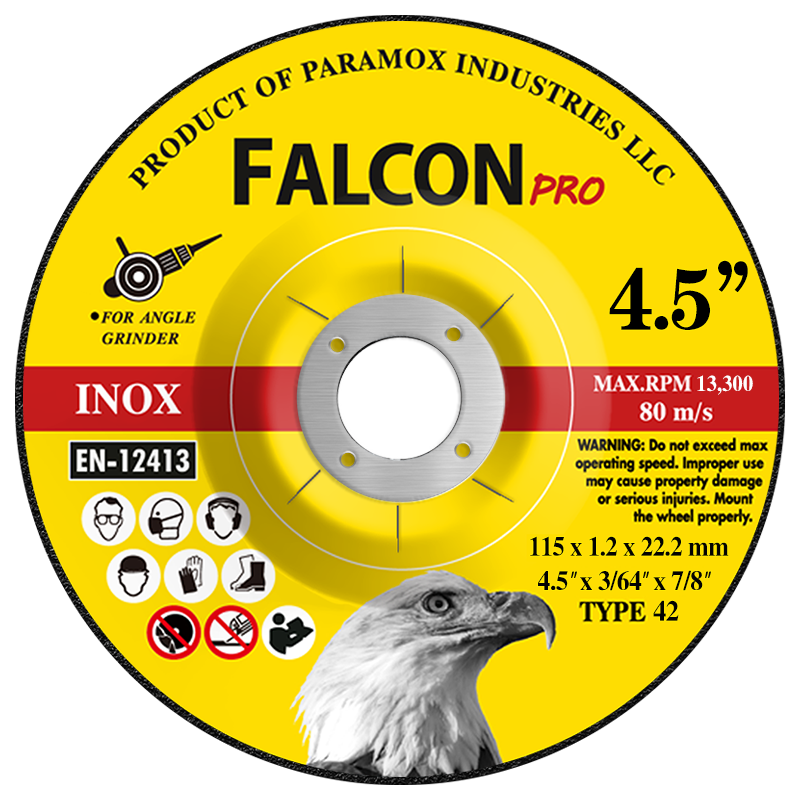
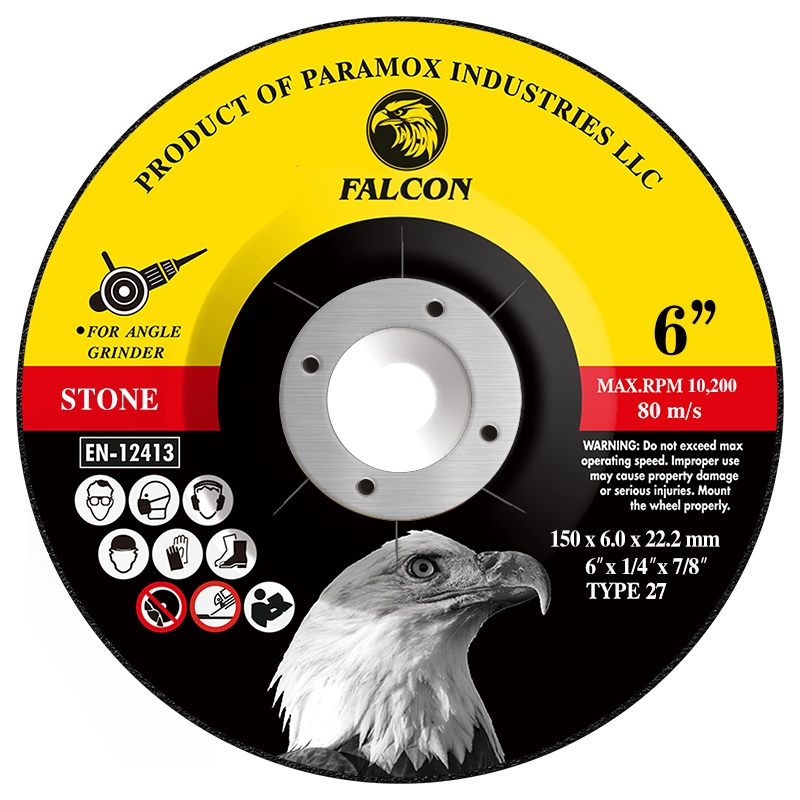
Cutting Speed: The allowable operating speed (measured in RPM) should be consistent with the angle grinder specifications. Exceeding this speed can lead to wheel failure and safety hazards.

Cutting Efficiency: Assess how quickly and effectively the wheel cuts through various materials. Some wheels are engineered for specific applications, such as high-speed cutting or precision work, which can impact overall productivity.

Wear Rate: Consider how quickly the wheel wears down during use. A slower wear rate can lead to cost savings in the long run, as it minimizes the frequency of replacements.

Vibration and Noise Levels: Some cutting wheels are designed to reduce vibration and noise, which can enhance user comfort and safety during operation. This is particularly important in environments where prolonged use is expected.

Application Suitability: Consider the specific application—whether it involves cutting metal, masonry, or composite materials. Each application may require a different wheel design and specification to achieve optimal results. Additionally, using appropriate Safety Gloves can further enhance safety during these operations.

Budgeting for Bulk Orders of Metal Cutting Wheels

Budgeting for Bulk Orders of Metal Cutting Wheels

When budgeting for bulk orders of metal cutting wheels, several financial aspects come into play:

Unit Cost vs. Total Cost: While it may be tempting to choose the cheapest option, consider the total cost of ownership, which includes durability, performance, and replacement frequency. Higher quality wheels may have a higher upfront cost but can lead to savings over time.

Minimum Order Quantities (MOQ): Many suppliers, including FALCON GLOBAL / TOOLS SAFETY, may have MOQs that can affect your purchasing strategy. Understanding these requirements is crucial for budgeting accurately.

Shipping Costs: Factor in shipping costs when ordering in bulk. Depending on the supplier's location and your facility, shipping can significantly impact the total expenditure.

Custom Pricing for Large Orders: Suppliers often provide discounts for bulk orders or long-term contracts. Engaging in negotiations can lead to favorable pricing arrangements that benefit your budget.

Budget for Quality Assurance: Allocate funds for quality inspections, especially for custom orders. Ensuring that the wheels meet all specifications before acceptance can prevent costly mistakes and downtime.

Common Problems and Solutions with Metal Cutting Wheels

Common Problems and Solutions with Metal Cutting Wheels

Despite their effectiveness, metal cutting wheels can encounter common problems that need addressing:

Wheel Breakage: This can occur due to improper mounting or exceeding the maximum RPM. To mitigate this, always follow manufacturer guidelines for installation and operation.

Dullness: Over time, wheels can lose their cutting edge. Regularly inspect wheels for wear and replace them as necessary to maintain cutting efficiency.

Chatter and Vibration: This can result from using a wheel that is not compatible with the grinder or from a poorly balanced wheel. Select wheels that are specifically designed for your grinder and ensure proper installation.

Heat Build-Up: Excessive heat can lead to wheel degradation and affect the quality of the cut. Use the correct feed rate and allow the wheel to cool between cuts to prevent overheating.

Material Binding: Sometimes, the material being cut can bind to the wheel. Using a wheel designed for specific materials and ensuring proper cutting techniques can help reduce this issue.

Applications of Metal Cutting Wheels in Various Industrial Projects

Metal cutting wheels have a wide range of applications across various industries:

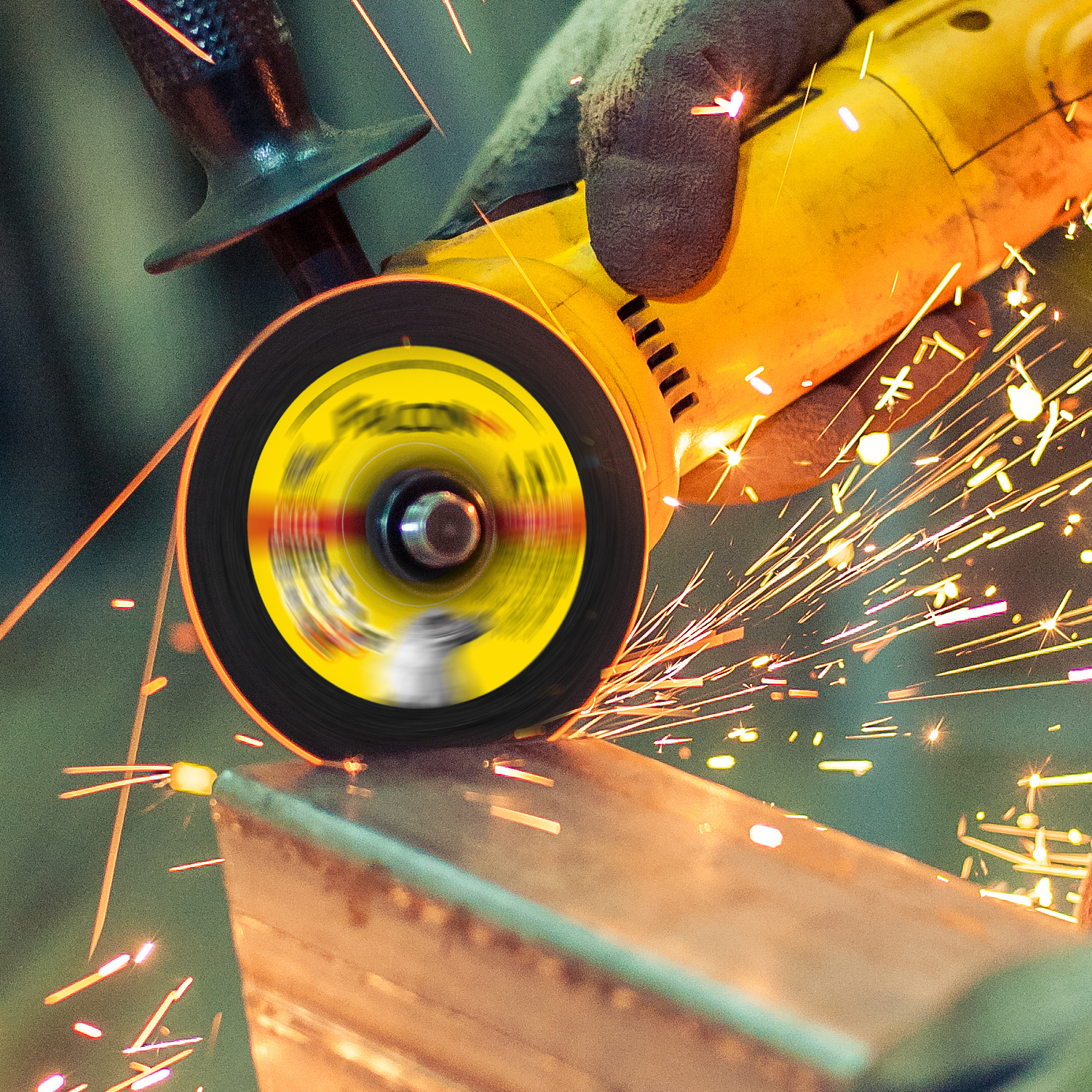
Construction: In construction, these wheels are essential for cutting rebar, steel beams, and other metal elements. Their performance directly impacts the efficiency and safety of construction projects.

Manufacturing: In manufacturing settings, metal cutting wheels are used for fabricating components, creating precise cuts in sheet metal, and preparing materials for assembly.

Automotive: The automotive industry relies on metal cutting wheels for cutting and shaping various metal parts, including frames and bodywork, ensuring that components fit together accurately.

Metalworking: Metal fabricators use cutting wheels for tasks such as creating custom parts, repairing machinery, and performing maintenance work.

Artistic Applications: Beyond industrial uses, metal cutting wheels are also employed in artistic metalworking, allowing artists and craftsmen to shape and create intricate designs in metal.

Choosing the right metal cutting wheel for an angle grinder is essential for achieving optimal performance and safety in various applications. By considering factors such as material, specifications, and application suitability, buyers can make informed decisions that enhance productivity and reduce operational risks.

Get a Free Quote

Our representative will contact you soon.
Email
Mobile/WhatsApp
Name
Company Name
Country
Customer Type
Estimated Order Quantity
MOQ and Free Sample Policy
Message
0/1000