Choosing the Right Metal Cutting Wheel for Your Needs

Get a Free Quote

Our representative will contact you soon.
Email
Mobile/WhatsApp
Name
Company Name
Country
Customer Type
Estimated Order Quantity
MOQ and Free Sample Policy
Message
0/1000

metal cutting wheel

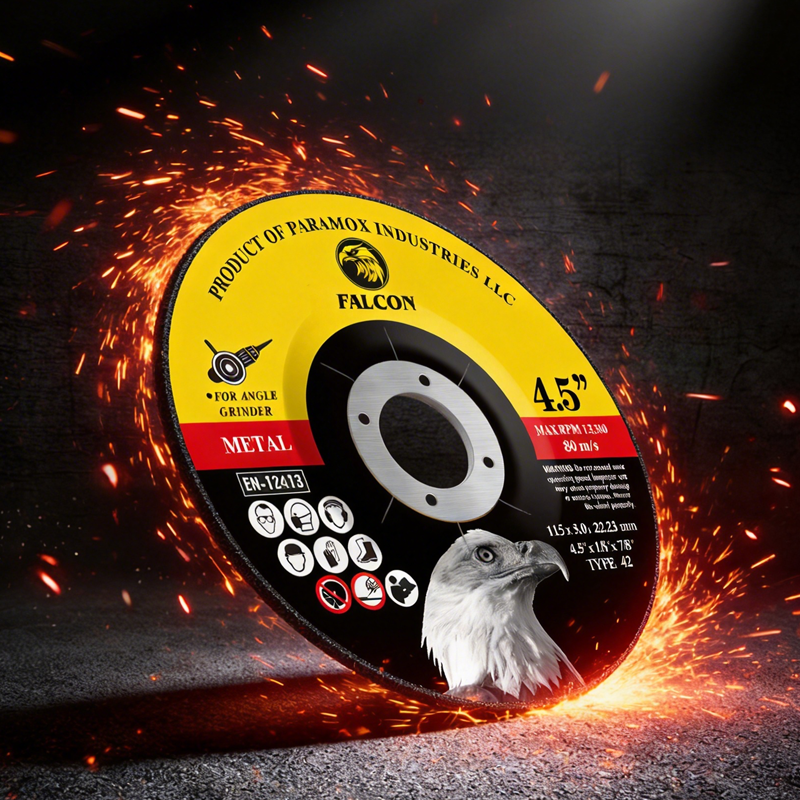
Metal cutting wheels are essential tools in various industrial applications, known for their ability to efficiently cut through metal surfaces with precision. As a B2B buyer, understanding the different specifications, materials, and applications of metal cutting wheels is crucial for making informed purchasing decisions. This article will provide insights into selecting the right metal cutting wheel for your projects, finding reliable suppliers, evaluating key specifications for bulk orders, installation guidelines, and essential tips for buyers.
What to Consider When Choosing Metal Cutting Wheels for Your Projects

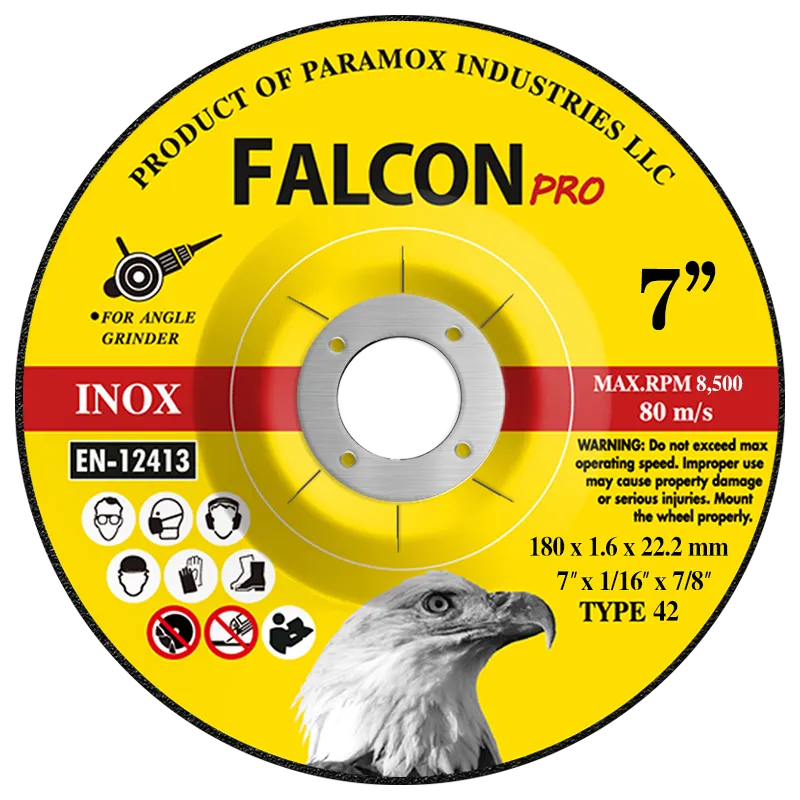
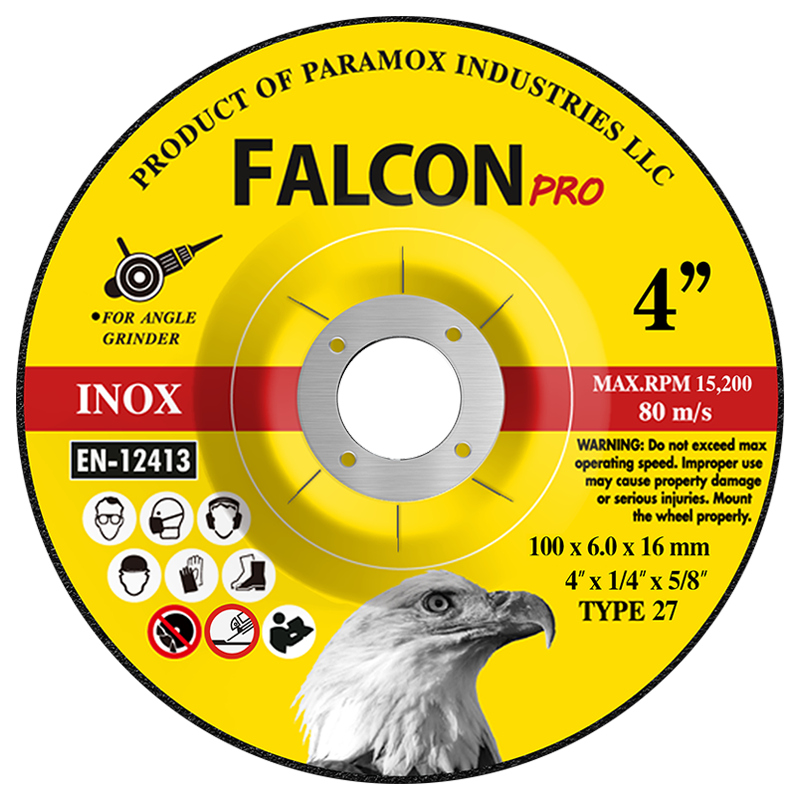
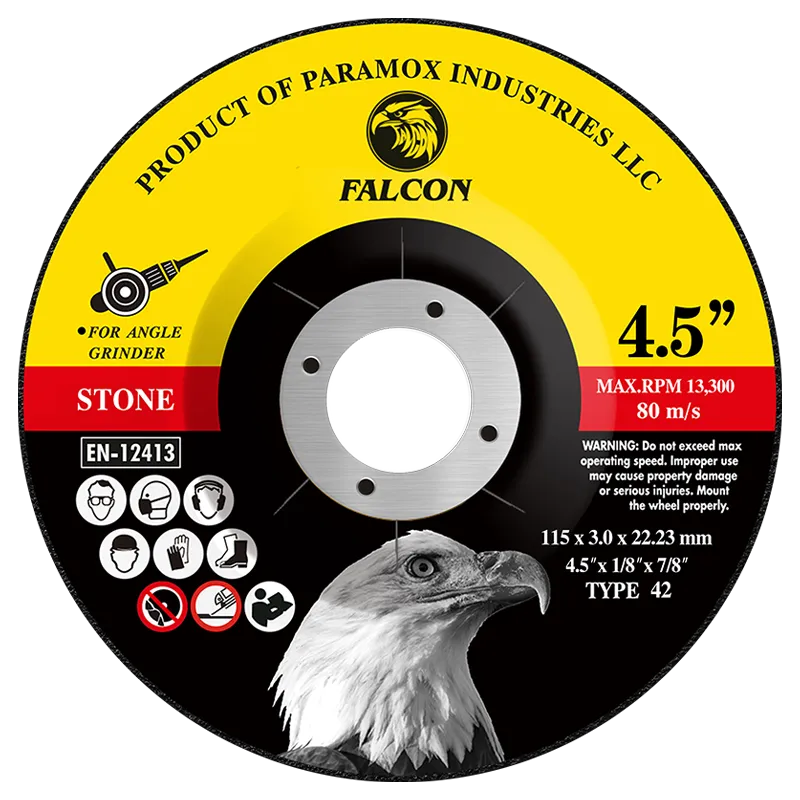
When selecting metal cutting wheels, several factors come into play. First, consider the type of metal you will be cutting. Different metals, such as steel, aluminum, or stainless steel, require specific wheel formulations to achieve optimal performance. The wheel's abrasive material is also critical; options include aluminum oxide for ferrous metals and zirconia alumina for tougher materials.

Next, assess the wheel's thickness. Thicker wheels generally offer better durability and stability, making them suitable for heavy-duty applications, while thinner wheels provide faster cutting speeds and are ideal for precision work. Additionally, consider the diameter of the wheel, as larger wheels can cover more surface area and are better suited for larger machinery.

Finally, pay attention to the speed rating of the wheel, measured in revolutions per minute (RPM). Ensure that the RPM rating of the wheel matches or exceeds the speed of the tool being used to prevent safety hazards.

Frequently Asked Questions

What materials can this metal cutting wheel cut?

Our metal cutting wheel is engineered to cut carbon steel, stainless steel, alloy steel, and non-ferrous metals like aluminum and copper in industrial applications.
We offer a range of diameters and thicknesses to suit grinders and saws; contact us for specific size availability and recommendations for your machinery.
Use appropriate protective clothing, safety footwear, gloves, eye protection, and face shields. Follow machine guards and our safety guidelines during operation.
Ensure the wheel matches machine specifications, check for cracks or damage, secure with proper flanges, and perform a spin test before use as per manufacturer instructions.
Lifespan varies by material and use. Store dry, avoid overheating, dress wheels if applicable, and replace when worn or damaged to maintain performance and safety.

Our Blog Posts

What applications are different types of cut-off wheels suitable for?

22

May

What applications are different types of cut-off wheels suitable for?

Cut-off wheels is important tool for cuting through differents materials. They come in many types which makes them good for lot of tasks. You can see them used in metal work, building sites, and even in home garage. Cut-off wheels made from stuff lik...
View More
How to Safely Use a Cut Off Wheel Without Breaking It

17

Sep

How to Safely Use a Cut Off Wheel Without Breaking It

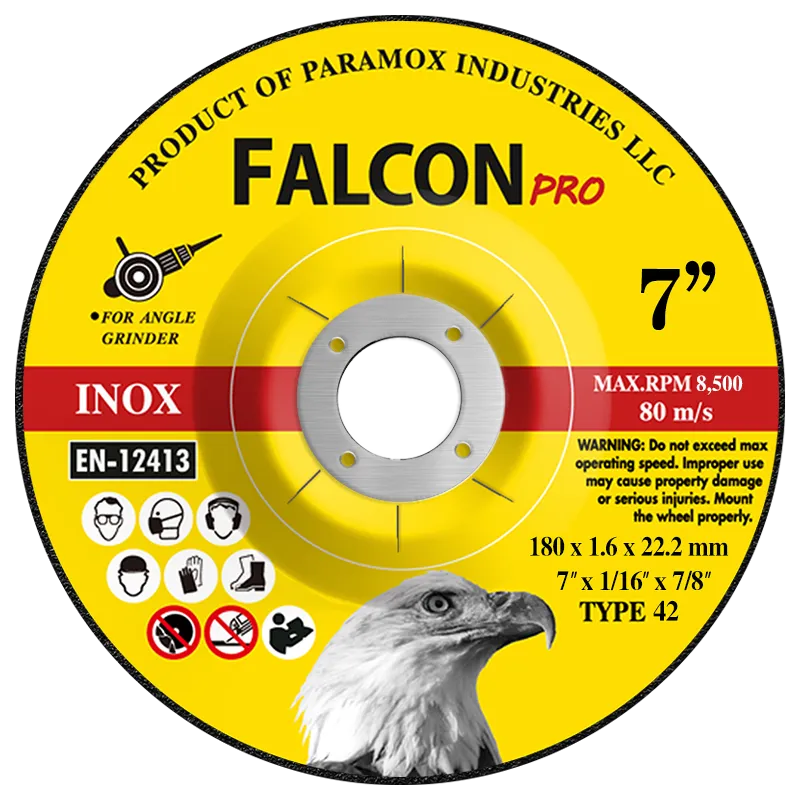
Cut-off wheels provide efficient cutting for metal, tile, and other hard materials. However, improper operation can create serious safety risks. Following standard safety guidelines helps protect the operator while maintaining the integrity of the wh...
View More
Can You Use a Cut Off Wheel on Aluminum?

08

Oct

Can You Use a Cut Off Wheel on Aluminum?

When processing metals, selecting suitable power-tool accessories is essential, and the cut-off wheel is one of the most widely-used options. These abrasive discs work across multiple materials, yet many users question whether they deliver safe, high...
View More
How to Remove a Stuck Grinding Wheel

12

Jun

How to Remove a Stuck Grinding Wheel

Sometimes when you working with machines, the grinding wheel just refuse to move. It can be really annoying, specially if you in hurry to finish job. If this ever happen to you, no need worry too much! With little patience and correct way, you can re...
View More

Get a Free Quote

Our representative will contact you soon.
Email
Mobile/WhatsApp
Name
Company Name
Country
Customer Type
Estimated Order Quantity
MOQ and Free Sample Policy
Message
0/1000

Related product categories

Where to Find Reliable Wholesale Suppliers of Metal Cutting Wheels

Where to Find Reliable Wholesale Suppliers of Metal Cutting Wheels

Finding reliable wholesale suppliers for metal cutting wheels can significantly impact your operations. Start by researching manufacturers who specialize in abrasive tools and have a proven track record in the industry. Look for suppliers with certifications that demonstrate quality assurance and adherence to industry standards.

Consider attending industry trade shows and conferences, where you can meet suppliers face-to-face, discuss your specific needs, and evaluate their product offerings. Online marketplaces and industry-specific directories can also provide a list of reputable suppliers. When evaluating potential suppliers, request product samples and references to assess their quality and reliability.

Key Specifications to Evaluate in Metal Cutting Wheels for Bulk Orders

Key Specifications to Evaluate in Metal Cutting Wheels for Bulk Orders

When placing bulk orders for metal cutting wheels, it’s essential to evaluate specific specifications to ensure product quality and compatibility with your applications. Key specifications to consider include:

Abrasive Material: Confirm the type of abrasive material used and its suitability for your specific cutting needs.Wheel Thickness: Ensure the thickness meets the requirements of your cutting applications, balancing durability with cutting speed.Bond Type: Understand the bond type (resin, vitrified, etc.) as it affects the wheel's performance and life span.Grit Size: Choose the appropriate grit size based on the finish required for your project; finer grits provide smoother finishes, while coarser grits are ideal for aggressive cutting.Compliance Standards: Verify that the wheels meet relevant safety and quality standards, such as ISO or ANSI certifications.

By carefully assessing these specifications, you can ensure that the cutting wheels will perform effectively in your operations.

Installation Guidelines for Metal Cutting Wheels in Industrial Applications

Installation Guidelines for Metal Cutting Wheels in Industrial Applications

Proper installation of metal cutting wheels is critical to ensuring safety and achieving optimal performance. Follow these guidelines for installation:

Inspect the Wheel: Before installation, inspect the wheel for any visible damage or defects. Do not use wheels with cracks or chips.

Select the Right Tool: Ensure that the cutting wheel is compatible with the tool it will be mounted on. Check the tool's RPM rating against the wheel's specifications.

Securely Mount the Wheel: Use the appropriate mounting hardware and ensure the wheel is secured tightly to minimize vibrations during operation.

Safety Gear: Always wear appropriate personal protective equipment (PPE), including safety glasses and gloves, when handling and installing cutting wheels. For additional protection, consider using safety gloves as part of your PPE.

Test Run: Perform a test run at a reduced speed to ensure the wheel is mounted correctly and functioning without vibration before proceeding to normal operating speeds.

Following these installation guidelines will help minimize risks and extend the life of the cutting wheels.

Essential Insights on Metal Cutting Wheels for Buyers

As a B2B buyer, understanding the nuances of metal cutting wheels can lead to better purchasing decisions. Here are some essential insights:

Request Samples: Always request samples before committing to bulk orders. Testing the wheels in your actual operating conditions can reveal performance characteristics, durability, and finish quality.

Check for Quality Control: Inquire about the supplier’s quality control processes. Reliable manufacturers implement rigorous testing procedures to ensure product consistency and performance.

Understanding MOQ: Familiarize yourself with the minimum order quantities (MOQ) of different suppliers. Balancing your inventory needs with MOQ requirements can help optimize costs.

Customization Options: If your cutting needs are specialized, ask suppliers about customization capabilities. Many manufacturers can provide tailored solutions, including specific dimensions or abrasive formulations. You may also explore other products or custom requirements that suit your needs.

Market Trends: Stay informed about market trends and innovations in metal cutting technologies. This knowledge can help you make proactive purchasing decisions and maintain a competitive edge in your industry.

By leveraging these insights, you can enhance your procurement strategy and ensure that you select the best metal cutting wheels for your operations.

Get a Free Quote

Our representative will contact you soon.
Email
Mobile/WhatsApp
Name
Company Name
Country
Customer Type
Estimated Order Quantity
MOQ and Free Sample Policy
Message
0/1000