Metal Cutting Wheel for Grinder: Key Insights

Get a Free Quote

Our representative will contact you soon.
Email
Mobile/WhatsApp
Name
Company Name
Country
Customer Type
Estimated Order Quantity
MOQ and Free Sample Policy
Message
0/1000

metal cutting wheel for grinder

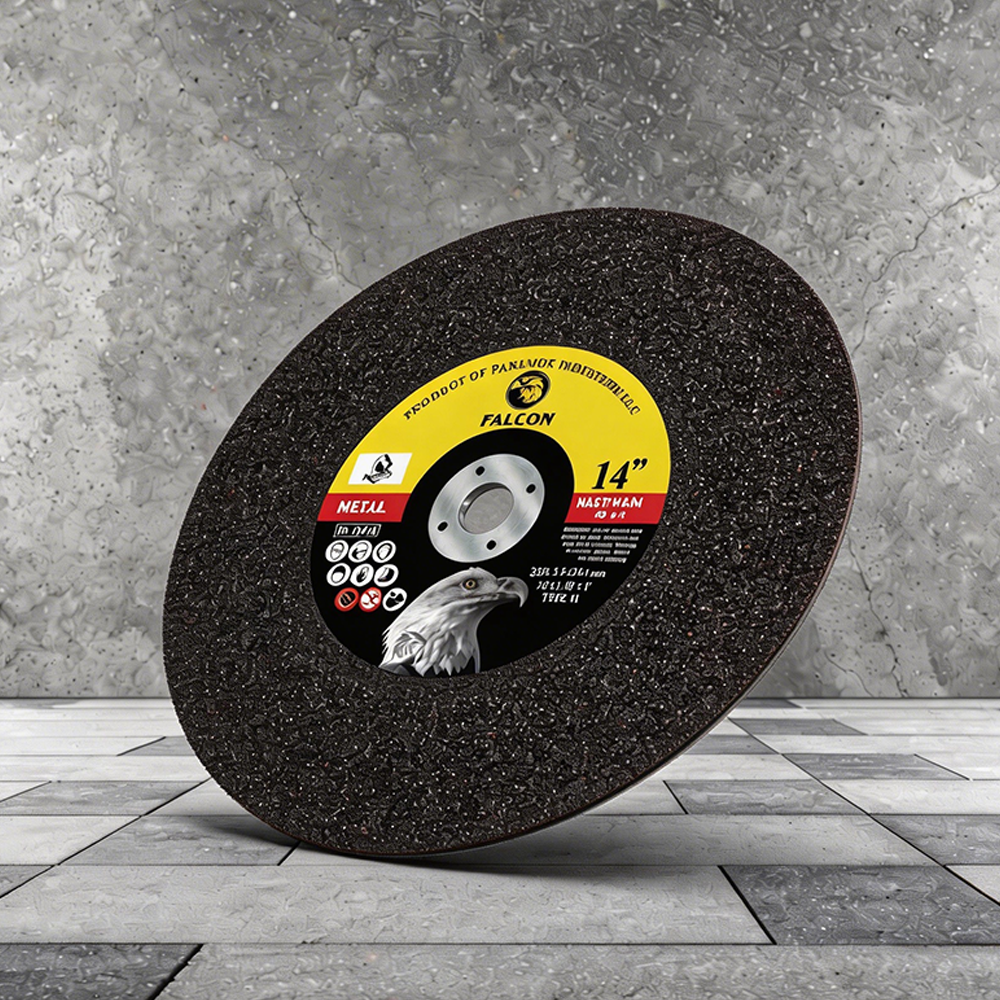
Choosing the right metal cutting wheel for your grinder can significantly influence the efficiency and quality of your cutting tasks. A metal cutting wheel for grinder is specifically designed to cut through various types of metal with precision and speed. B2B buyers, such as purchasing managers, engineers, and contractors, often look for specific performance attributes, compatibility with their grinders, and overall cost-effectiveness. This article aims to provide comprehensive insights into selecting the appropriate cutting wheel, evaluating costs, troubleshooting common problems, installation guidance, and understanding the advantages of high-performance options.
Choosing the Right Metal Cutting Wheel for Your Grinder Needs

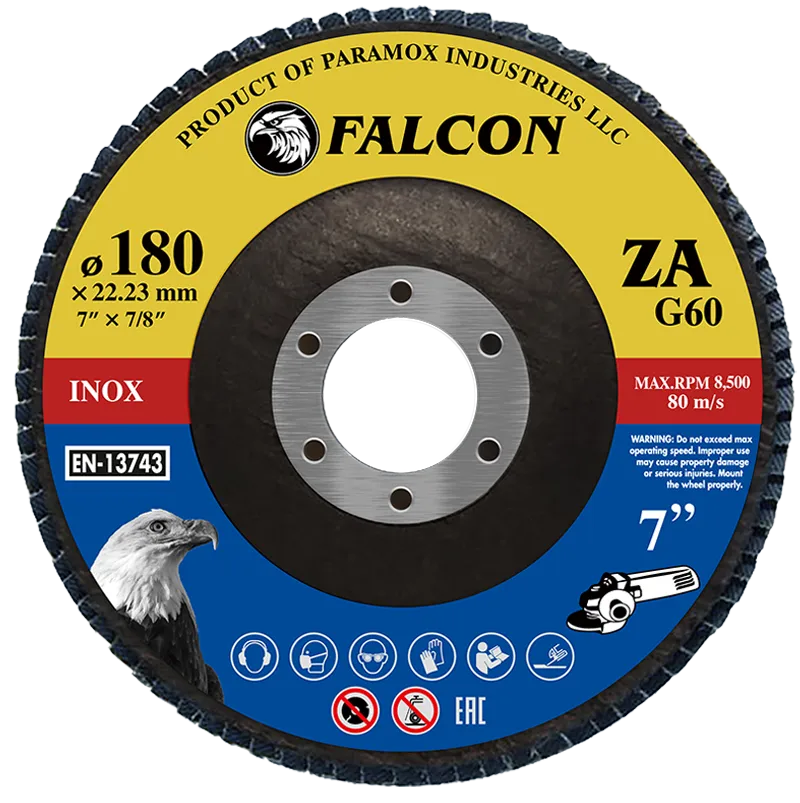
When selecting a metal cutting wheel for your grinder, consider the type of metal you will be cutting, the thickness of that metal, and the power of your grinder. Metal cutting wheels are typically made from either aluminum oxide or zirconia, with each material offering different advantages. Aluminum oxide wheels are effective for general-purpose cutting, while zirconia wheels provide better performance for tougher materials and heavier workloads.

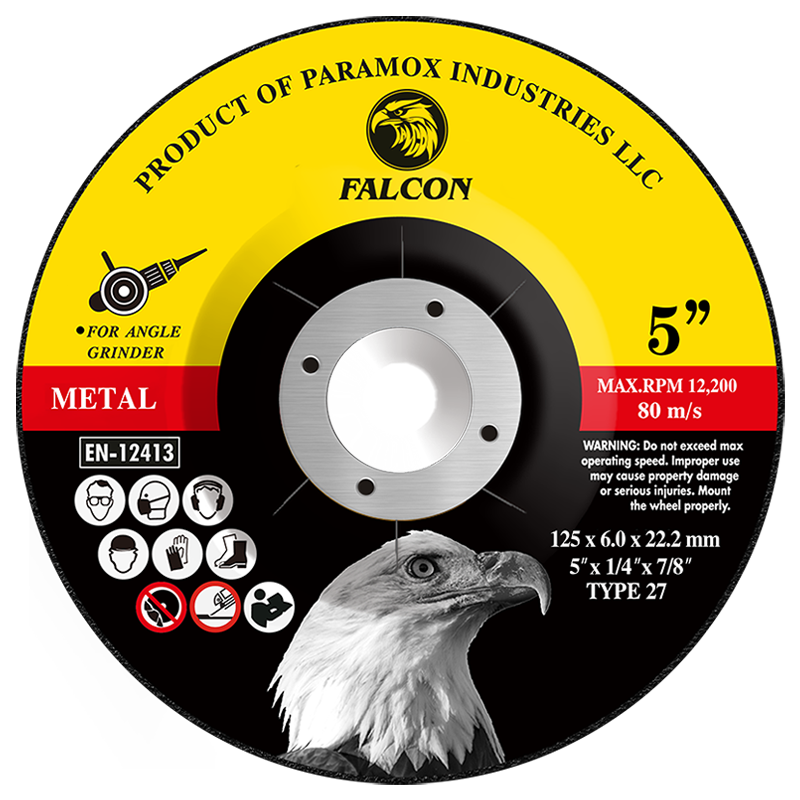
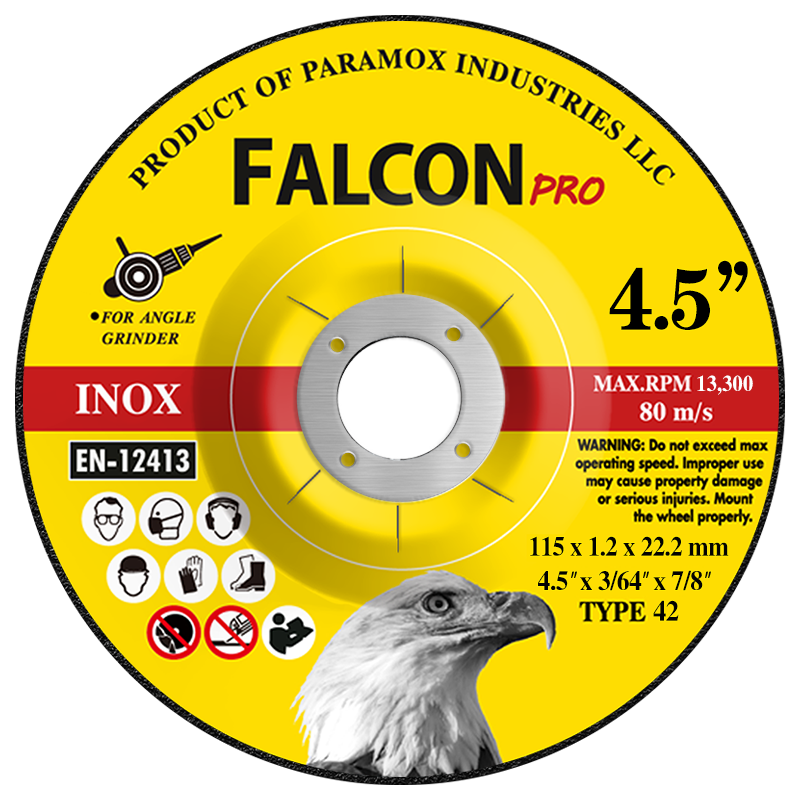
The diameter and thickness of the wheel are also critical specifications. Standard sizes range from 4 to 14 inches in diameter, while thickness can vary from 1/16 to 1/4 inch. Thicker wheels generally offer more durability and stability, which is beneficial for deeper cuts. Additionally, ensure that the arbor size of the wheel matches your grinder. A mismatch can lead to operational inefficiencies or safety hazards.

It’s also important to assess the wheel's RPM rating, as it should match or exceed the maximum RPM of your grinder. Using a wheel with a lower RPM rating can lead to dangerous breakage during operation. By understanding these specifications, buyers can make informed decisions that align with their specific cutting needs.

Frequently Asked Questions

What materials can this metal cutting wheel cut?

Our metal cutting wheel is designed for mild steel, stainless steel, alloy steel, and similar ferrous metals. It is not recommended for masonry, wood, or reinforced concrete.
Compatible with most angle grinders and bench grinders specified for cutting wheels. Check grinder RPM rating and arbor size to match the wheel's specifications.
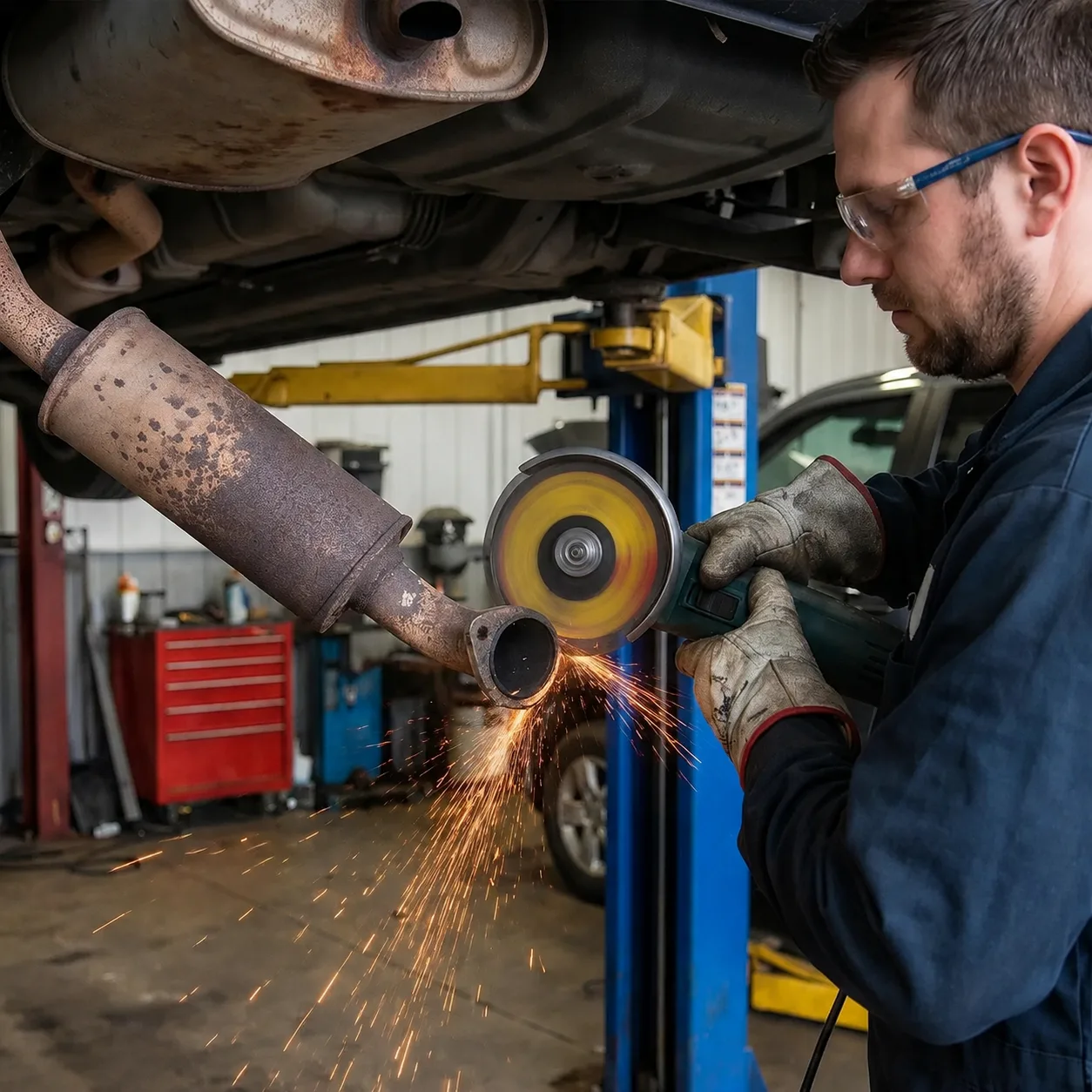
Use appropriate protective clothing, safety footwear, gloves, eye and face protection, and hearing protection. Follow safe operating procedures and machine guards.
Available in common diameters (e.g., 115mm, 125mm, 180mm) and matched maximum RPM ratings. Refer to the product label for exact speed limits and size compatibility.
Store flat in a dry, temperature-controlled area away from shocks. Handle carefully to avoid drops or impacts. Inspect before use for cracks, warping, or damage.

Our Blog Posts

Flap Disc vs Fiber Disc: Whats the Difference?

22

Apr

Flap Disc vs Fiber Disc: Whats the Difference?

When it comes to metal grinding and surface finishing, choosing the right abrasive tool can significantly impact work efficiency, surface quality, and overall project results. Two of the most commonly used options are flap discs and fiber discs. Alth...
View More
How to Safely Use a Cut Off Wheel Without Breaking It

17

Sep

How to Safely Use a Cut Off Wheel Without Breaking It

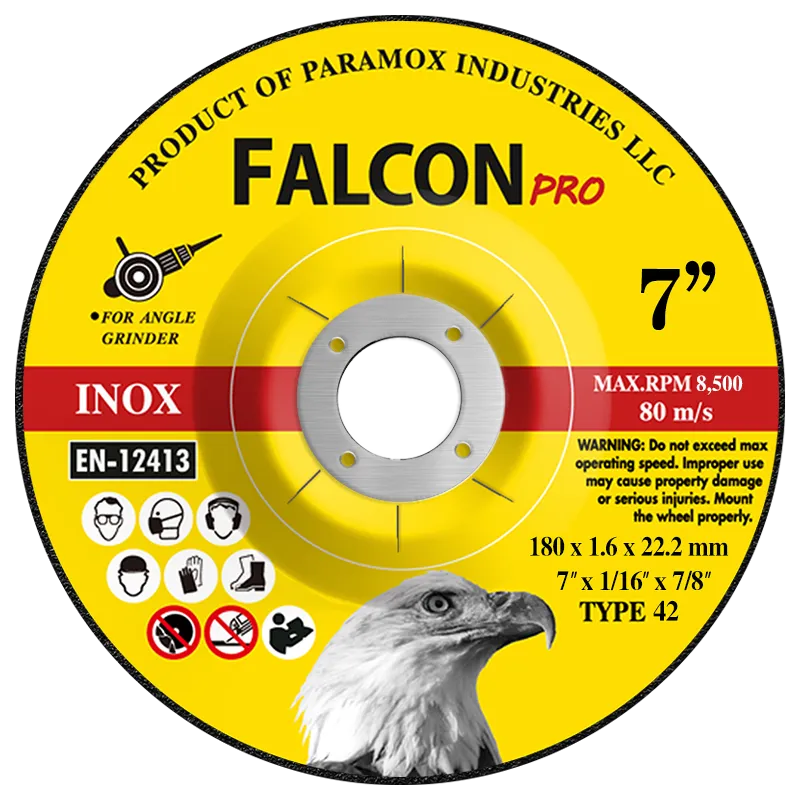
Cut-off wheels provide efficient cutting for metal, tile, and other hard materials. However, improper operation can create serious safety risks. Following standard safety guidelines helps protect the operator while maintaining the integrity of the wh...
View More
Type 1 vs Type 27 Cut Off Wheel: Full Comparison

09

Oct

Type 1 vs Type 27 Cut Off Wheel: Full Comparison

A Abrasive wheels are essential tools in metal fabrication, construction, welding, maintenance and general industrial work. When selecting an abrasive wheel, users often focus on diameter, thickness, abrasive material and RPM. However, the wheel type...
View More
How to Install a Cut Off Wheel on an Angle Grinder

12

Sep

How to Install a Cut Off Wheel on an Angle Grinder

Installing a cut-off wheel on an angle grinder may seem intimidating for beginners, but the process is simple with standard operating steps. At Falcon Global, we prioritize standardized installation practices to ensure safe operation and optimal cutt...
View More

Get a Free Quote

Our representative will contact you soon.
Email
Mobile/WhatsApp
Name
Company Name
Country
Customer Type
Estimated Order Quantity
MOQ and Free Sample Policy
Message
0/1000

Related product categories

Cost Factors to Evaluate When Purchasing Metal Cutting Wheels

Cost Factors to Evaluate When Purchasing Metal Cutting Wheels

Several cost factors should be evaluated when purchasing metal cutting wheels. First, consider the material of the wheel; higher-quality materials like zirconia tend to cost more but offer better performance and longevity. For instance, while aluminum oxide wheels may be cheaper, they typically wear out faster, resulting in more frequent replacements.

Another factor to consider is the volume of wheels needed. Suppliers often provide discounts for bulk purchases, which can significantly decrease the per-unit cost. Additionally, evaluate the total cost of ownership, which includes not only the purchase price but also the expected lifespan and performance of the wheels. A more expensive wheel that lasts longer may prove to be more economical than a cheaper option that needs frequent replacement.

Shipping and handling costs should also be factored in, especially if you're sourcing from overseas suppliers. Finally, be aware of any additional costs associated with custom specifications, as tailored solutions may incur extra fees but can provide significant efficiency gains in your operations.

Common Problems with Metal Cutting Wheels and Their Solutions

Common Problems with Metal Cutting Wheels and Their Solutions

Metal cutting wheels can encounter several common problems that impact their effectiveness. One frequent issue is wheel breakage, which can occur if the wheel is used at an RPM that exceeds its rating or if it is improperly mounted. To prevent breakage, always ensure that the wheel is compatible with the grinder and is installed correctly according to the manufacturer's guidelines.

Another common problem is uneven wear, which can lead to less efficient cutting and increased safety risks. This often results from operating the wheel at incorrect angles or applying excessive pressure during cutting. To mitigate this, operators should be trained on the proper technique for using the grinder and should regularly inspect the wheel for signs of wear.

Additionally, overheating can occur if the wheel is used for extended periods without sufficient cooling. This can lead to reduced performance and even damage to the wheel. To combat overheating, consider using coolant during operation, especially for thicker materials.

Installation Guidance for Metal Cutting Wheels on Grinders

Installation Guidance for Metal Cutting Wheels on Grinders

Proper installation of metal cutting wheels is crucial for safety and performance. First, ensure that the grinder is unplugged before attempting to change the wheel. Remove the old wheel by loosening the arbor nut, taking care not to damage the spindle.

When installing the new wheel, check that it fits snugly onto the spindle and that any washers or spacers are positioned correctly. Tighten the arbor nut securely, but avoid overtightening, as this can damage the wheel. Once installed, visually inspect the wheel for any signs of damage or misalignment before powering on the grinder.

It's also advisable to perform a test run at a lower speed to ensure that the wheel is balanced and properly mounted. Always adhere to the manufacturer's instructions for both the grinder and the wheel to ensure safe operation.

Advantages of High-Performance Metal Cutting Wheels for Contractors

High-performance metal cutting wheels are designed to provide contractors with numerous advantages that can enhance productivity and safety. One of the key benefits is their increased cutting speed. These wheels can reduce the time spent on each project, allowing contractors to complete jobs more efficiently and take on more work.

Durability is another significant advantage. High-performance wheels are constructed from advanced materials that resist wear and tear, providing longer operational life. This reduces the frequency of replacements, ultimately saving costs over time. Additionally, these wheels often provide cleaner cuts with less burr formation, which can improve the overall quality of the finished product.

Safety features are also enhanced in high-performance options. Many are engineered with better shock resistance and less risk of breakage, minimizing hazards for operators. For contractors, investing in high-performance metal cutting wheels can result in improved job site safety, reduced downtime, and higher-quality results, making them a worthwhile consideration for serious professionals in the industry.

Get a Free Quote

Our representative will contact you soon.
Email
Mobile/WhatsApp
Name
Company Name
Country
Customer Type
Estimated Order Quantity
MOQ and Free Sample Policy
Message
0/1000