 EN
EN

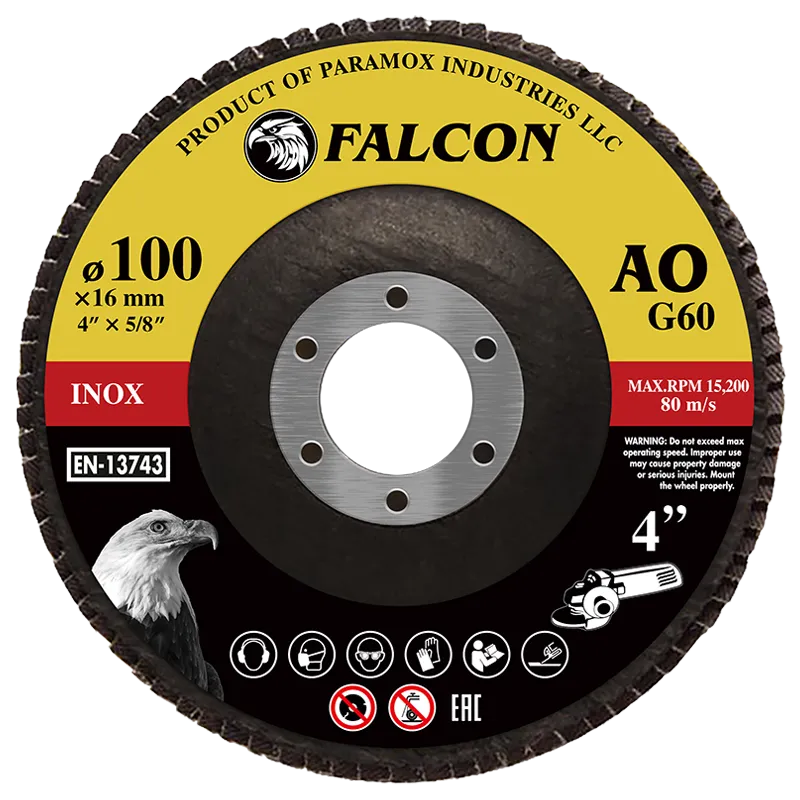
Flap discs are essential abrasive tools widely used for grinding, blending, polishing, and surface preparation in metalworking applications. Whether used for weld finishing, rust removal, or general surface treatment, a high-quality flap disc can significantly improve work efficiency and finishing results.
However, even premium flap discs can wear out quickly if they are stored improperly or used incorrectly. Proper selection, operation, and maintenance are key factors in maximizing flap disc lifespan, reducing replacement costs, and maintaining consistent grinding performance.
Falcon understands the importance of abrasive tool durability and provides professional-grade flap discs designed for stable performance in demanding working environments. The following tips can help users extend the service life of their flap discs and achieve better results.
1. Choose the Right Flap Disc for Your Application
Selecting the correct flap disc is the first step toward improving service life. Different abrasive materials are designed for different working conditions.
Common abrasive materials include:
· Aluminum oxide: Suitable for general-purpose grinding and light-duty applications. It provides reliable performance for everyday metal finishing tasks.
· Zirconia alumina: Offers excellent durability, strong cutting ability, and self-sharpening performance, making it ideal for heavy-duty grinding and weld removal.
· Ceramic abrasive: Designed for demanding applications that require fast material removal and long-lasting performance under high pressure.
Using a flap disc that matches the material being processed helps prevent excessive wear and ensures efficient grinding.
2. Store Flap Discs in Proper Conditions
Proper storage plays an important role in maintaining flap disc performance. Exposure to moisture, extreme temperatures, or improper handling can weaken abrasive materials and reduce product lifespan.
For best results:
· Store flap discs in a cool and dry environment.
· Keep unused discs in their original packaging or protective containers.
· Avoid storing discs in areas with high humidity.
· For bulk inventory, use older products first to prevent long-term storage deterioration.
Proper storage helps preserve abrasive strength and ensures reliable performance when needed.
3. Avoid Excessive Pressure During Grinding
One of the most common causes of premature flap disc wear is applying too much pressure during operation.
Flap discs are designed to work efficiently with moderate and consistent pressure. Excessive force does not necessarily improve grinding speed; instead, it can cause uneven wear, overheating, and faster abrasive breakdown.
Allow the abrasive grains to perform the cutting action naturally. Smooth and controlled movements help maintain even wear and extend disc lifespan.
4. Use the Correct Operating Speed and Grinding Angle
Every flap disc has a recommended maximum rotational speed. Operating above the rated speed can damage the disc structure and create unnecessary safety risks.
Always check the product specifications before use and ensure compatibility with the angle grinder.
The grinding angle also affects wear performance. Maintaining a proper working angle, typically around 15° to 30°, helps distribute pressure evenly across the abrasive flaps.
Avoid holding the disc in one fixed position for extended periods, as excessive heat buildup can accelerate wear.
5. Prevent Clogging and Overheating
During grinding operations, metal particles, dust, and debris can accumulate between abrasive flaps, reducing cutting efficiency and increasing heat generation.
To maintain performance:
· Clean the flap disc regularly after use.
· Avoid excessive pressure that causes abrasive clogging.
· Use continuous back-and-forth movements instead of grinding in one spot.
· Allow the disc to cool during intensive applications.
Proper operating habits reduce unnecessary wear and help maintain consistent grinding performance.
6. Inspect and Maintain Flap Discs Regularly
Routine inspection is essential for safe and efficient operation. Before each use, check the flap disc for signs of damage, uneven wear, or structural issues.
Replace discs that show severe wear or damage, as worn-out abrasives can negatively affect grinding quality and operating safety.
Regular cleaning and proper handling ensure that flap discs continue to deliver reliable performance throughout their service life.
7. Choose High-Quality Flap Discs for Long-Term Performance
The quality of a flap disc directly affects its durability and working efficiency. Premium flap discs typically feature advanced abrasive materials, strong backing plates, and precise manufacturing processes.
Falcon flap discs are engineered with durable abrasive grains and reliable construction to support professional grinding, finishing, and surface preparation applications.
By choosing the right abrasive type, maintaining proper operating methods, and following recommended storage practices, users can maximize flap disc lifespan while improving overall productivity.
Conclusion
Extending the lifespan of flap discs requires more than choosing a durable product. Proper selection, correct operation, regular cleaning, and suitable storage all contribute to longer service life and better grinding results.
Whether used for metal fabrication, welding preparation, or surface finishing, following these best practices helps users get the maximum value from every flap disc.
Falcon is committed to providing reliable abrasive solutions that help professionals achieve efficient, consistent, and long-lasting performance in demanding applications.
Table of Contents
- 1. Choose the Right Flap Disc for Your Application
- 2. Store Flap Discs in Proper Conditions
- 3. Avoid Excessive Pressure During Grinding
- 4. Use the Correct Operating Speed and Grinding Angle
- 5. Prevent Clogging and Overheating
- 6. Inspect and Maintain Flap Discs Regularly
- 7. Choose High-Quality Flap Discs for Long-Term Performance
- Conclusion