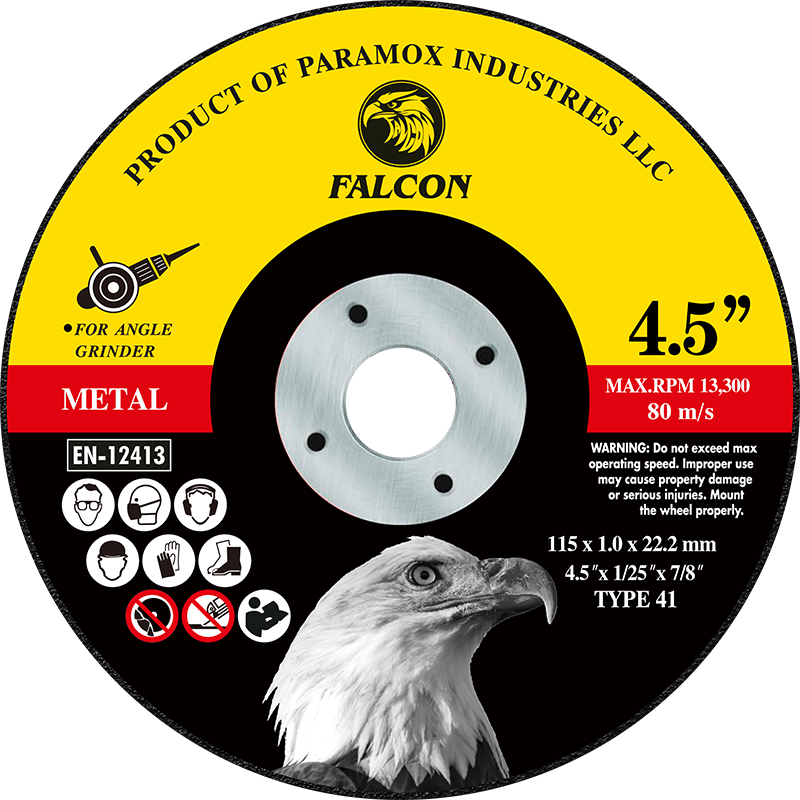
Choosing the Right Wheel Cut Off Metal for Projects

Get a Free Quote

Our representative will contact you soon.
Email
Mobile/WhatsApp
Name
Company Name
Country
Customer Type
Estimated Order Quantity
MOQ and Free Sample Policy
Message
0/1000

wheel cut off metal

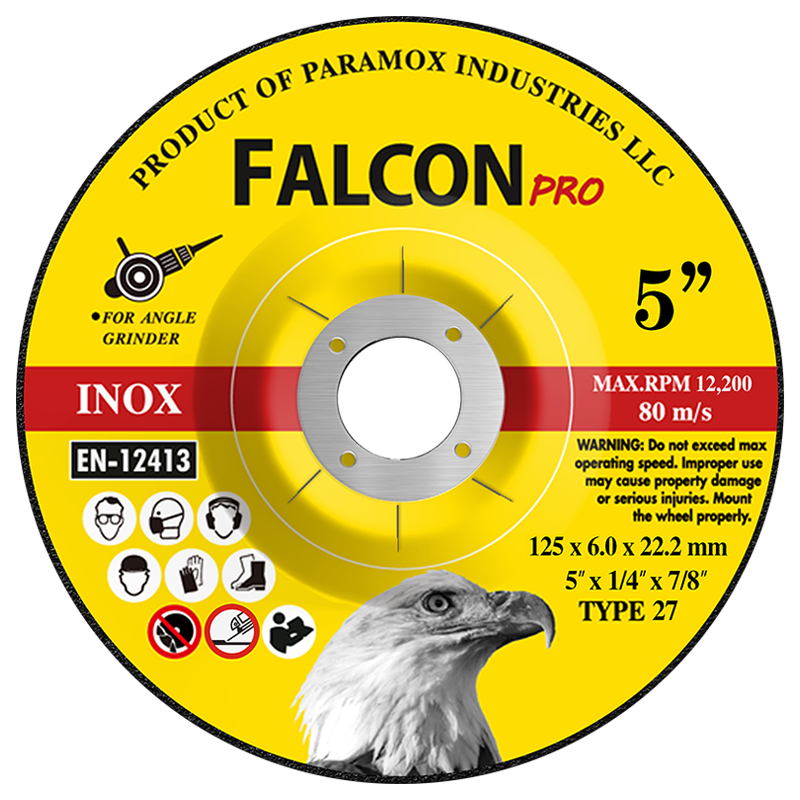
Choosing the right wheel cut off metal is crucial for ensuring efficiency and precision in various industrial applications. These specialized cutting tools are designed to handle tough materials, making them essential for manufacturers, construction teams, and metalworkers. As a B2B buyer, you may have concerns about product specifications, supplier reliability, and cost factors. This article aims to provide you with practical insights to help you make informed purchasing decisions regarding wheel cut off metal products.
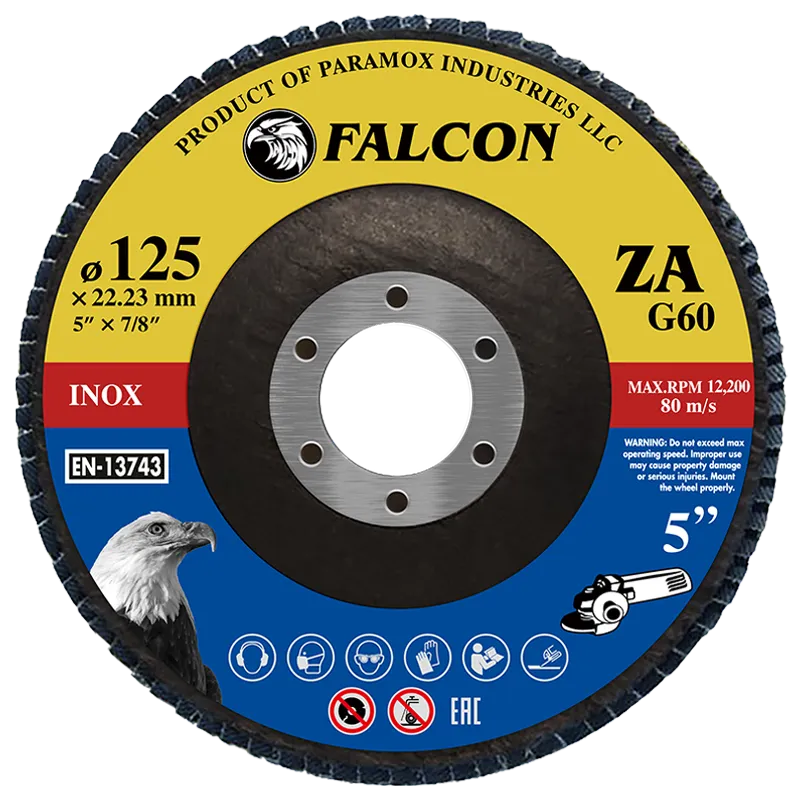
How to Choose the Right Wheel Cut Off Metal for Your Projects

Selecting the right wheel cut off metal involves understanding the specific requirements of your project, including material type, thickness, and desired finish. Key specifications to consider include:

Material Composition: The most common materials for cutting wheels are aluminum oxide and silicon carbide. Aluminum oxide is suited for cutting ferrous metals, while silicon carbide is effective for non-ferrous metals and brittle materials. Additionally, you can explore Other Products / Custom Requirements to find materials suited for your needs.

Thickness: Thinner wheels (around 1/16 inch) are best for quick cuts and minimizing kerf loss, while thicker wheels (up to 1/4 inch) provide greater durability and stability for heavy-duty applications.

Diameter: The wheel's diameter affects the cutting speed and depth. Larger wheels can cut deeper but may require more powerful machinery.

Bond Type: The bond type—either resin or vitrified—affects the wheel's strength and wear resistance. Resin bonds are often preferred for their flexibility and durability.

RPM Rating: Always check the wheel's maximum RPM rating to ensure it matches your cutting equipment to prevent accidents.

Understanding these specifications will help you select a wheel cut off metal that aligns with your operational needs and enhances productivity.

Frequently Asked Questions

What is the wheel cut off metal used for?

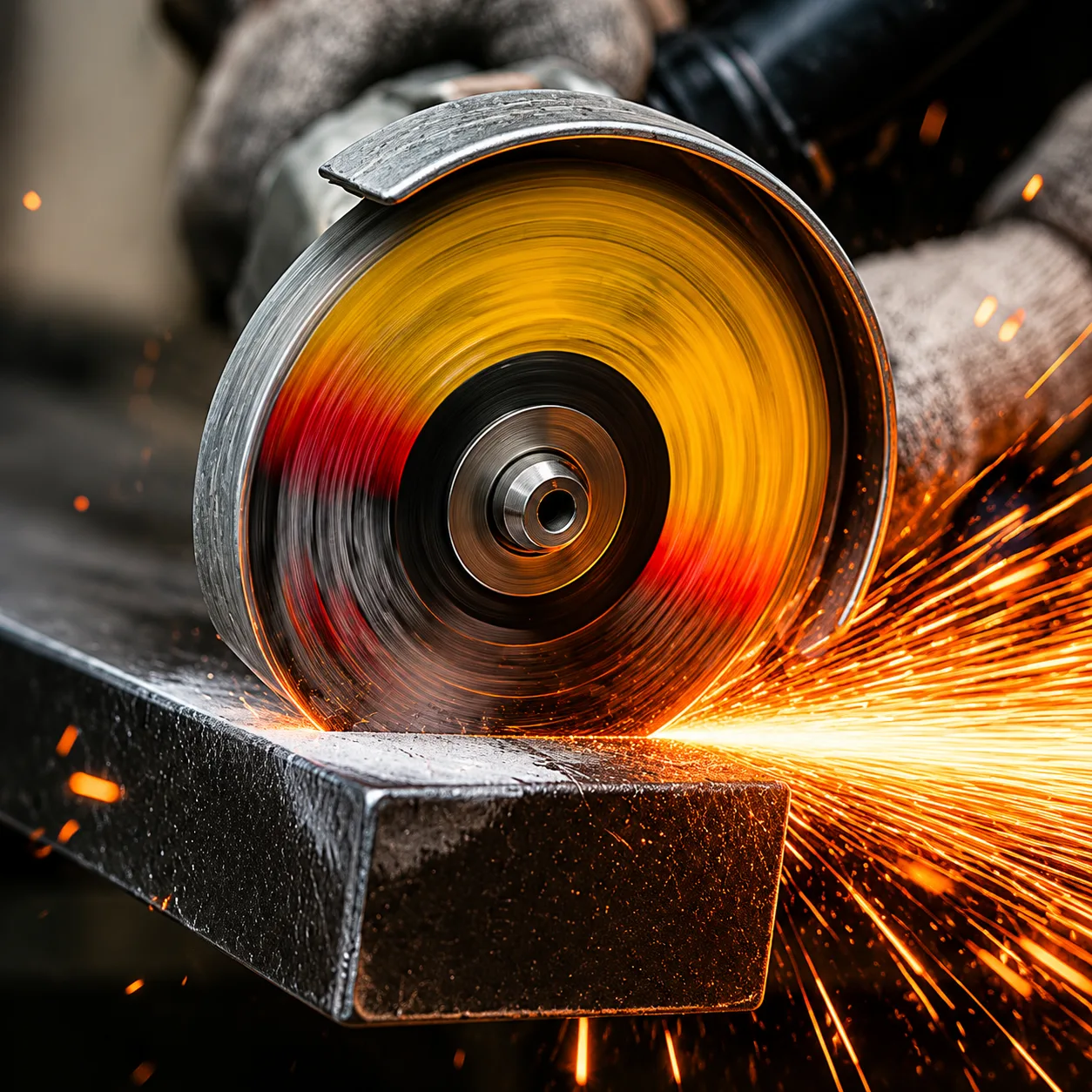
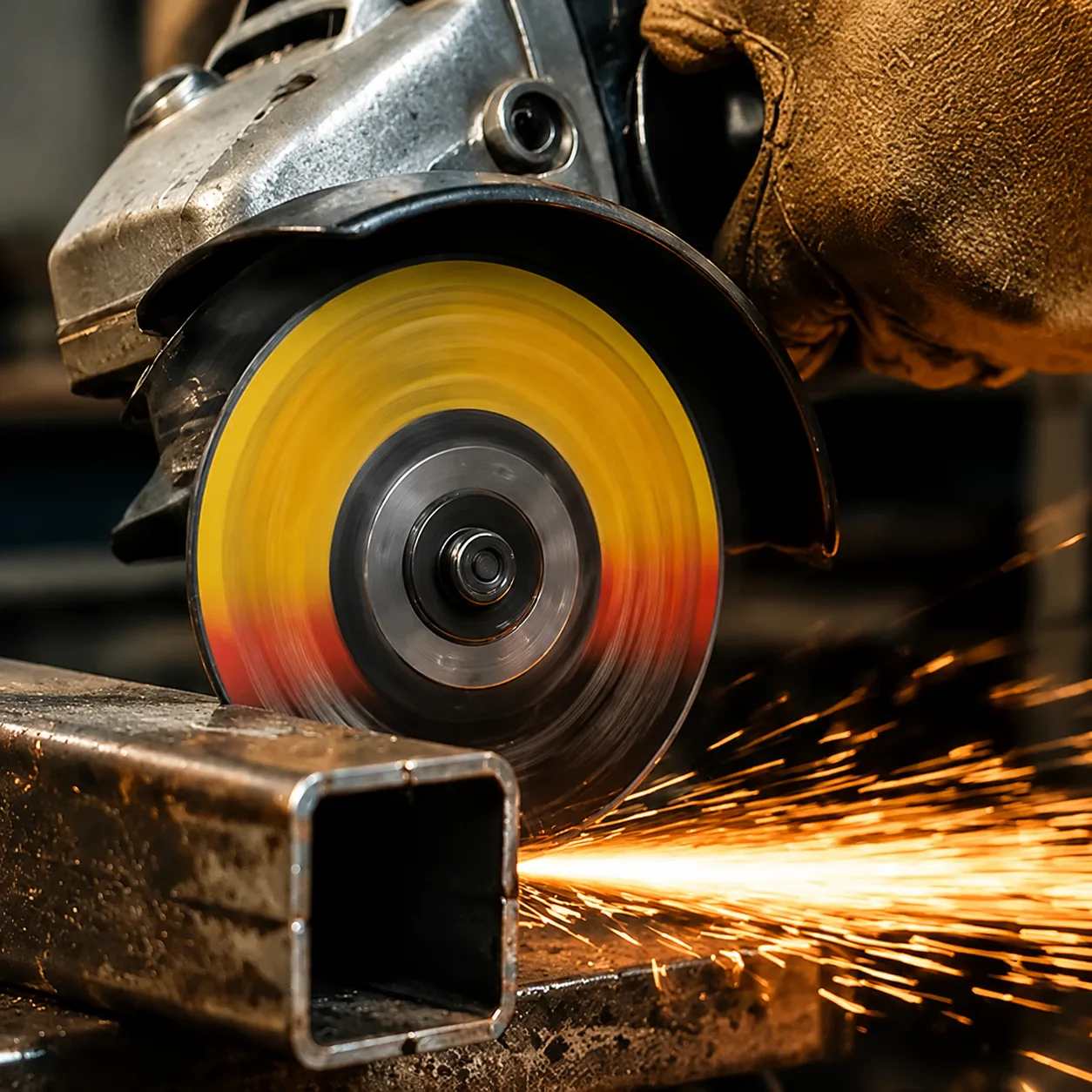
Our wheel cut off metal is designed for precision cutting of steel, stainless steel, and other metals in industrial grinding and fabrication tasks.
Available in multiple diameters and thicknesses to fit standard cut-off machines; contact us for specific dimensions and OEM requirements.
Manufactured with high-performance abrasive grains and resin bonds for durability, fast cutting, and reduced heat during metal cutting.
Always use appropriate guards, clamps, PPE, follow machine RPM limits stamped on the wheel, and inspect wheels for damage before use.
Yes. We provide custom specifications and volume pricing for industrial clients, including bespoke sizes, packaging, and safety compliance.

Our Blog Posts

How to clean a flap disc?

25

Mar

How to clean a flap disc?

Proper cleaning is essential to maintain the performance of flap discs. A flap disc is an accessory fitted to angle grinders for grinding, sanding, and polishing various surfaces. Over time, accumulated dust, dirt, and metal debris will clog the disc...
View More
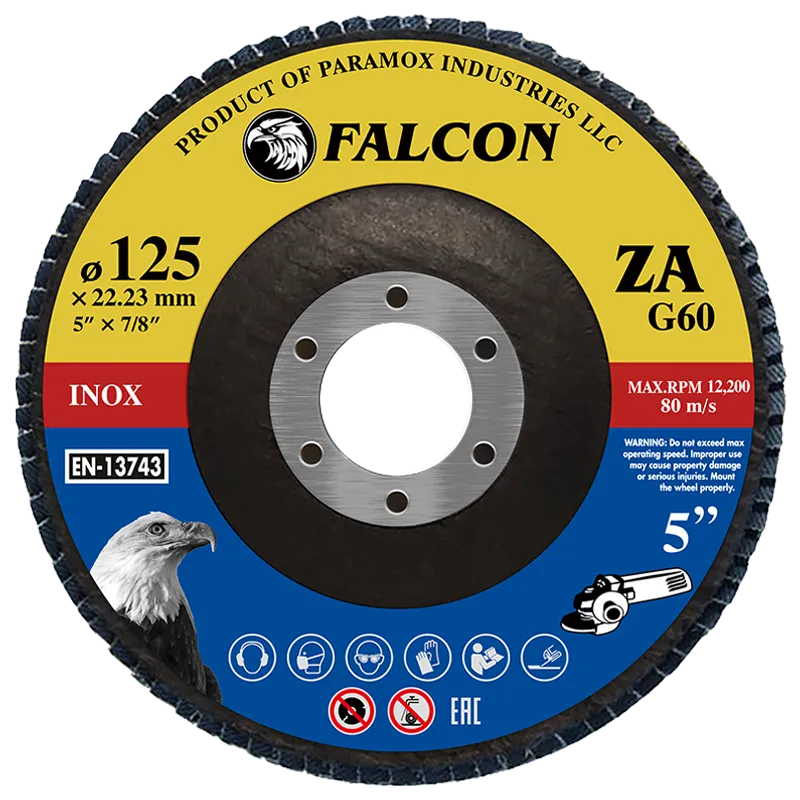
What Is a Zirconia Flap Disc Used For?

08

May

What Is a Zirconia Flap Disc Used For?

Zirconia flap discs are special tools using for grinding and polishing many kind of materials. They very popular in industries like metalworking and also woodworking. These discs got layers from zirconia abrasive that help to make surface smooth and ...
View More
What Is a CBN Grinding Wheel Used For?

25

Aug

What Is a CBN Grinding Wheel Used For?

CBN grinding wheels are special tools make from cubic boron nitride, which is super hard material. These wheels mostly use in factories and workshops to grind and sharp metal parts. They good for things like engine pieces, cutting tools, and other to...
View More
How to choose the right hard hat?

04

May

How to choose the right hard hat?

Choosing the right hard hat is really important, specially if you work in places full of dangers like construction site or factories. It protect your head from falling things, bumps and also electrical shock. When you looking for one, you should cons...
View More

Get a Free Quote

Our representative will contact you soon.
Email
Mobile/WhatsApp
Name
Company Name
Country
Customer Type
Estimated Order Quantity
MOQ and Free Sample Policy
Message
0/1000

Related product categories

What Buyers Should Know

What Buyers Should Know

Before making a purchase, it’s essential to gather relevant information to ensure you choose the right wheel cut off metal. Here are some important considerations:

Application Requirements: Different applications may demand specific wheel characteristics. For instance, if you are cutting stainless steel, a wheel with a specific abrasive type and grit size may be necessary to achieve the best results.

Performance Standards: Look for products that meet industry performance standards. Quality assurance processes during manufacturing are vital to ensure consistency and reliability in performance.

Safety Standards: Ensure that the wheels comply with safety regulations, such as ANSI or ISO certifications. This compliance can help mitigate risks associated with wheel failure during operation.

Compatibility: Verify that the wheel you choose is compatible with your cutting equipment. Incompatibility can lead to suboptimal performance or unsafe operating conditions.

By asking these questions and verifying details, you can make a more informed purchasing decision.

Finding Reliable Suppliers

Finding Reliable Suppliers

Finding a reputable supplier for wheel cut off metal is crucial for securing quality products. Here are some tips to help you evaluate potential suppliers:

Reputation: Research the supplier's reputation in the industry. Look for reviews, testimonials, and case studies from other buyers.

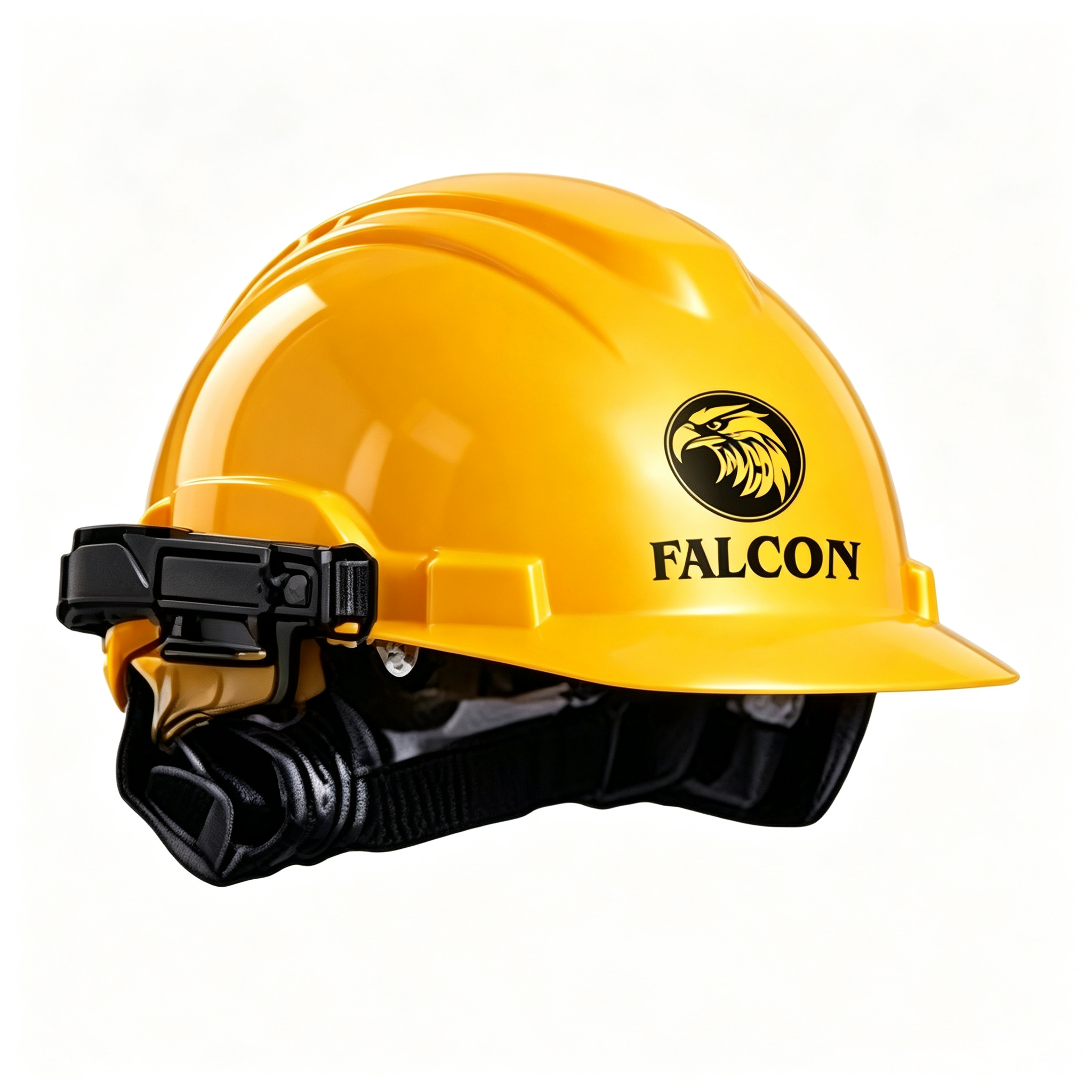
Manufacturing Capabilities: Assess the supplier's manufacturing capabilities, including their production equipment and technology. Suppliers like Falcon Global/Tools Safety, which specializes in high-performance abrasive tools, can offer insight into their production methods and quality control processes.

Product Range: A supplier that offers a wide range of products may be better equipped to meet your specific needs, whether you require standard products or customized solutions, such as Protective Workwear.

Customer Support: Strong customer support can be invaluable, especially when addressing issues or technical questions. Ensure that the supplier has a responsive customer service team.

Certifications: Verify that the supplier holds relevant industry certifications, which can indicate their commitment to quality and safety.

By carefully evaluating these factors, you can identify reliable suppliers that align with your project requirements.

Understanding the Cost Factors of Wheel Cut Off Metal Purchases

Understanding the Cost Factors of Wheel Cut Off Metal Purchases

The cost of wheel cut off metal can vary significantly based on several factors. Understanding these can help you budget effectively:

Material Costs: The type of abrasive material used in manufacturing the wheel will significantly influence the price. Higher-grade materials typically command higher prices due to their enhanced performance characteristics.

Production Volume: Bulk purchases often lead to cost savings. Understanding the minimum order quantity (MOQ) and how it affects pricing can be key to managing expenses.

Customization: If you require specific sizes or specifications, customization may increase costs. Evaluate whether custom features are essential for your application.

Shipping and Handling: Consider shipping costs and lead times when evaluating your total costs. Some suppliers may offer free shipping on large orders, which can help offset expenses.

Quality Assurance: Investing in higher-quality products may lead to lower total costs over time due to reduced replacement frequency and improved performance. Products like Safety Gloves can also be considered for added protection during operations.

By factoring in these cost elements, you can optimize your purchasing strategy and potentially save money in the long run.

Best Practices

To ensure successful procurement and use of wheel cut off metal, consider implementing the following best practices:

Sample Approval: Always request samples before placing bulk orders. Testing a sample can help confirm the product's compatibility with your equipment and suitability for your applications.

Quality Inspection: Establish a quality control process to inspect the wheels upon receipt. Check for defects, including cracks or inconsistencies, to prevent issues during operation.

Proper Storage: Store wheels in a cool, dry place to prevent damage from moisture or extreme temperatures, which could affect performance.

Regular Maintenance: Implement a routine maintenance schedule for your cutting equipment to ensure optimal performance and longevity. This includes checking for wear on the wheel and replacing it as necessary.

Training: Ensure that your operators are trained in the proper use of cutting tools, including safety protocols and best practices for changing and storing wheels.

By following these best practices, you can enhance operational efficiency and maintain a safer work environment while using wheel cut off metal products.

Get a Free Quote

Our representative will contact you soon.
Email
Mobile/WhatsApp
Name
Company Name
Country
Customer Type
Estimated Order Quantity
MOQ and Free Sample Policy
Message
0/1000