Choosing the Right Bench Grinder Wheels for Efficiency

Get a Free Quote

Our representative will contact you soon.
Email
Mobile/WhatsApp
Name
Company Name
Country
Customer Type
Estimated Order Quantity
MOQ and Free Sample Policy
Message
0/1000

bench grinder wheels

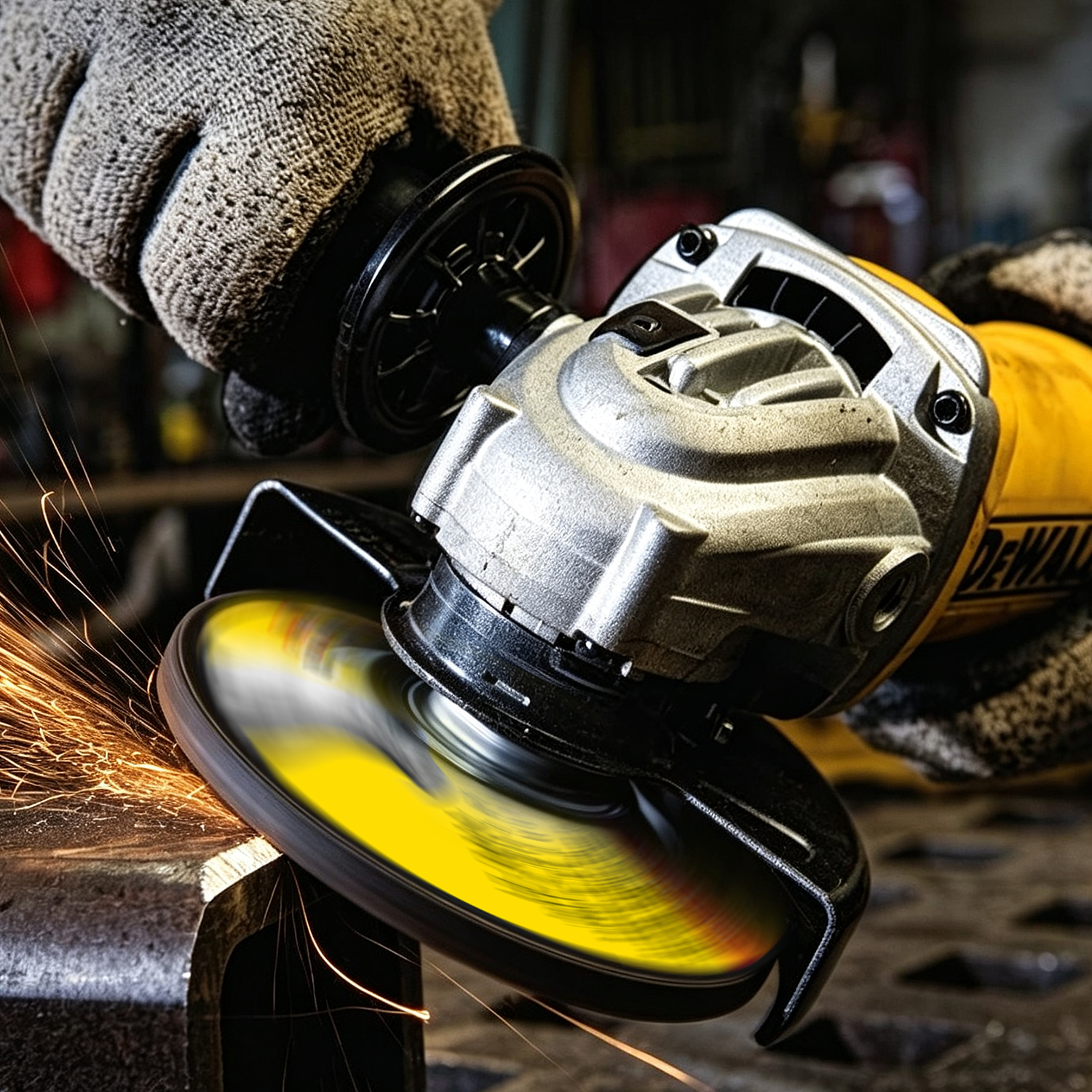
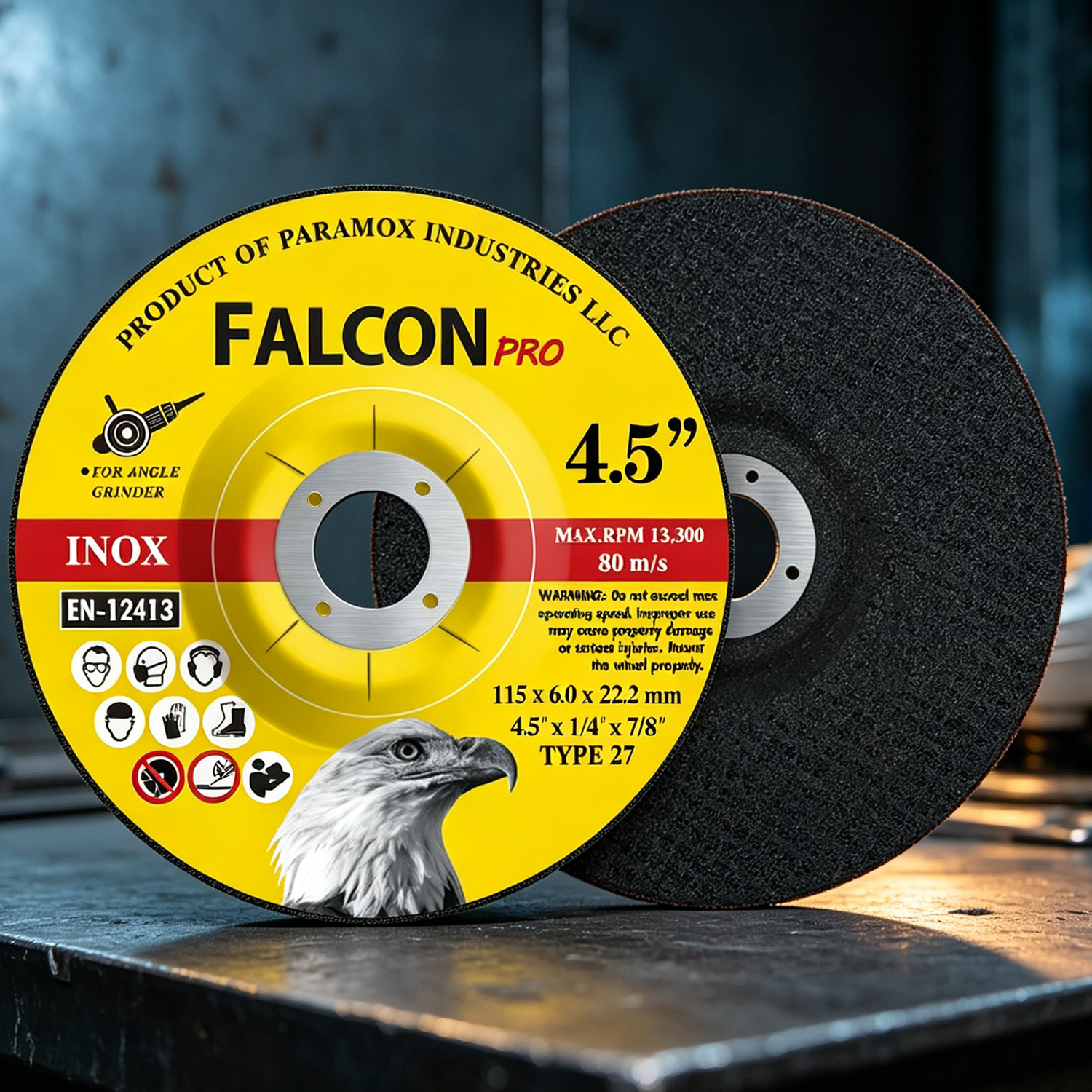
Choosing the right bench grinder wheels is crucial for maximizing efficiency and safety in industrial applications. These essential abrasive tools come in various materials and specifications, and understanding them can significantly impact your operations. This article will address key considerations for purchasing bench grinder wheels, from selecting reliable suppliers to troubleshooting common issues, helping you make an informed decision for your business needs.

Our Products

What to Consider When Choosing Bench Grinder Wheels for Bulk Orders

When purchasing bench grinder wheels in bulk, several factors should be evaluated to ensure the chosen wheels meet your operational requirements. First, consider the material composition of the wheels, as this affects performance and longevity. Common materials include aluminum oxide, silicon carbide, and diamond, each suited for specific applications. For instance, aluminum oxide wheels are ideal for general-purpose grinding, while diamond wheels excel in precision grinding of hard materials.

Next, assess the wheel specifications such as diameter, thickness, and grit size. The wheel’s diameter should match the grinder’s specifications, while thickness influences the grinding depth and stability. Grit size determines the finish quality; finer grits yield smoother surfaces, while coarser grits are better for rapid material removal. Understanding these parameters helps prevent compatibility issues and ensures optimal performance.

Additionally, consider customization options. Some suppliers offer tailored solutions to meet specific grinding requirements, such as custom diameters or specialized abrasive materials. Ensure your supplier can accommodate these needs and discuss the minimum order quantities (MOQs) to align with your purchasing strategy.

Frequently Asked Questions

What types of bench grinder wheels do you offer?

We supply high-performance abrasive wheels including aluminum oxide, silicon carbide, and specialized grit bonds for grinding, sharpening, and surface preparation in industrial settings.
Wheels are available in common diameters (6", 8", 10") and a range of grits from coarse (36–60) to fine (120–600) to match various material and finish needs.
Our wheels meet standard mounting hole and RPM specifications. Check wheel diameter, bore size, and max RPM against your grinder before ordering for safe compatibility.
Manufactured with balanced construction and high-quality bonds to reduce vibration and breakage risk; use with appropriate guards, PPE, and rated tool speeds for optimal safety.
Yes. We provide technical support on selecting grit, bond type, and dressing procedures, plus recommendations for storage, mounting, and safe operating speeds.

Our Blog Posts

Notes on using a flap disc

25

Jun

Notes on using a flap disc

Flap discs are indeed helpful in metal finishing work. They are constructed using numerous layers of sandpaper fastened together, but in a fan shape. These discs are made to grind, polish and smooth metallic surfaces to make them shiny. These are use...
View More
How to Extend the Lifespan of Your Cut Off Wheels

11

Oct

How to Extend the Lifespan of Your Cut Off Wheels

Cut-off wheels are essential abrasive tools for industrial cutting applications. They are widely used for cutting metal, concrete, stone, and other hard materials. However, wheel selection and operating methods have a direct impact on cutting perform...
View More
What Is a Fiber Disc & How Does It Work?

29

Jul

What Is a Fiber Disc & How Does It Work?

Fiber discs are really important tools in lots of industries, specially manufacturing and construction. They made from strong stuff and good for sanding, grinding, or polishing surfaces. You put them on machine, they spin fast and smooth rough edges ...
View More
What types of hard hats are there?

23

May

What types of hard hats are there?

Hard hats are very important safety thing in many work places, like construction areas, factories and warehouses. They protect workers head from injuries by falling objects, bumps or even electric shocks. There is different types of hard hats made fo...
View More

Get a Free Quote

Our representative will contact you soon.
Email
Mobile/WhatsApp
Name
Company Name
Country
Customer Type
Estimated Order Quantity
MOQ and Free Sample Policy
Message
0/1000

Related product categories

Where to Find Reliable Suppliers of Quality Bench Grinder Wheels

Where to Find Reliable Suppliers of Quality Bench Grinder Wheels

Finding trustworthy suppliers for bench grinder wheels requires thorough research and evaluation. Start by identifying manufacturers known for producing high-performance abrasive tools, like Falcon Global / Tools Safety, which specializes in premium grinding wheels. Look for suppliers with a proven track record in the industry, strong quality control processes, and certifications that demonstrate adherence to international standards.

Online platforms and trade shows can also be valuable resources for discovering potential suppliers. Networking with industry peers and seeking recommendations can lead you to reputable companies. Once you have a shortlist, evaluate each supplier’s production capabilities, lead times, and customer service responsiveness. Request samples to assess quality before placing a bulk order, ensuring the wheels meet your specific performance expectations.

Common Problems with Bench Grinder Wheels and Effective Solutions

Common Problems with Bench Grinder Wheels and Effective Solutions

Despite their robustness, bench grinder wheels can encounter several issues during use. One common problem is wheel wobbling, which can lead to uneven grinding and safety hazards. This is often caused by improper mounting or misalignment. To address this, ensure that wheels are mounted correctly according to the manufacturer’s guidelines, and regularly check the grinder's spindle for wear or damage.

Another frequent issue is wheel glazing, where the surface becomes smooth and shiny, reducing grinding efficiency. Glazing can occur when using excessive pressure or a wheel that’s too fine for the application. To prevent this, use the appropriate grit size for your material and apply consistent, moderate pressure during grinding. If glazing occurs, dressing the wheel with a diamond tool can restore its effectiveness.

Lastly, overheating is a significant concern, which can lead to thermal damage to the workpiece or the wheel itself. To mitigate this risk, ensure proper coolant application and avoid prolonged grinding on the same spot. Regular monitoring of wheel temperature during operation can help prevent overheating issues.

Cost Factors Influencing Bulk Purchases of Bench Grinder Wheels

Cost Factors Influencing Bulk Purchases of Bench Grinder Wheels

The cost of bench grinder wheels can vary significantly based on multiple factors, making it essential for buyers to understand what influences pricing. First, consider the material type; premium materials like diamond and cubic boron nitride typically come at a higher cost but offer superior performance and longevity compared to standard aluminum oxide wheels.

Production methods can also affect pricing. Wheels produced through advanced manufacturing techniques, such as precision molding or high-temperature sintering, may have higher upfront costs due to the technology and materials involved. However, these methods often result in better quality and performance, potentially lowering long-term operational costs.

Other cost factors include order volume and shipping logistics. Bulk orders may qualify for discounts, but buyers should also account for shipping fees, especially for international orders. Understanding these cost elements allows for better budgeting and aids in developing a comprehensive purchasing strategy.

Understanding Material Advantages of Different Bench Grinder Wheels

Selecting the right material for bench grinder wheels is paramount for achieving the desired grinding results. Each type of abrasive material offers distinct advantages based on the application:

Aluminum Oxide: Commonly used for general-purpose grinding, aluminum oxide wheels are versatile and cost-effective. They work well on a variety of metals and are suitable for both roughing and finishing applications.

Silicon Carbide: Ideal for grinding non-ferrous materials such as aluminum and brass, silicon carbide wheels provide a sharper cutting action. They are also effective for hard materials but may wear faster compared to aluminum oxide.

Diamond: For precision grinding of hard materials like ceramics, glass, and hardened steel, diamond wheels are unmatched. They maintain their cutting edge longer and provide superior surface finishes, making them suitable for high-precision applications.

Cubic Boron Nitride (CBN): CBN wheels are perfect for grinding ferrous materials and can withstand higher temperatures. They are commonly used in the automotive and aerospace industries for sharpening tools and machining hardened steels.

Understanding these material characteristics allows buyers to select the most appropriate bench grinder wheels for their specific applications, ultimately enhancing productivity and product quality.

In summary, selecting the right bench grinder wheels involves careful consideration of material, specifications, supplier reliability, and cost factors. By understanding these elements, businesses can make informed purchasing decisions that enhance their operational efficiency and safety.

Get a Free Quote

Our representative will contact you soon.
Email
Mobile/WhatsApp
Name
Company Name
Country
Customer Type
Estimated Order Quantity
MOQ and Free Sample Policy
Message
0/1000