 EN

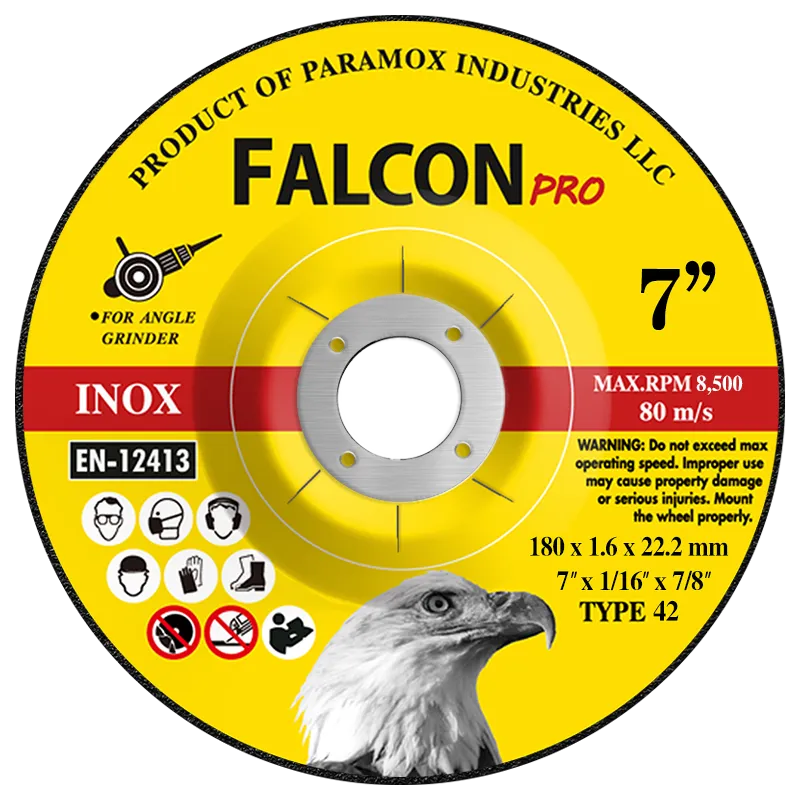
Cut-off wheels are essential abrasive tools for industrial cutting applications. They are widely used for cutting metal, concrete, stone, and other hard materials. However, wheel selection and operating methods have a direct impact on cutting performance, service life, and workplace safety.
At Falcon Global, we understand that reliable abrasive tools are essential for efficient industrial operations. Choosing the right cut-off wheel for the material, tool, and working conditions can help improve cutting efficiency and reduce premature wear. This guide explains the key factors to consider when selecting cut-off wheels and provides practical tips for extending their service life.
1. How to Choose the Right Cut-Off Wheel
Selecting the correct cut-off wheel is the first step toward achieving stable cutting performance and longer service life.
Consider the Workpiece Material
Different materials require different types of cut-off wheels. Before selecting a wheel, identify the material being cut and choose a product designed for the intended application.
Using an unsuitable wheel can result in poor cutting performance, excessive wear, or wheel damage. Falcon Global cut-off wheels are manufactured with aluminum oxide abrasive grains and a resin bond for industrial cutting applications.
Consider Workpiece Thickness
The thickness of the workpiece also affects wheel selection. Thick or heavy materials place greater loads on the wheel and may require a wheel with suitable strength and structural design.
Selecting the appropriate specification for the material and cutting conditions can help maintain stable performance and reduce premature wear.
Match the Wheel Size to the Tool
Wheel diameter and bore size must be compatible with the cutting tool. Larger wheels can provide greater cutting depth, while smaller wheels can be more suitable for compact tools and confined working areas.
Always select a wheel that matches the tool manufacturer's specifications. An incorrectly sized wheel can affect cutting stability and increase safety risks.
Check the Rated Operating Speed
Always check the maximum operating speed marked on the cut-off wheel before use. The tool must be operated within the wheel's rated speed.
Exceeding the specified speed can increase the risk of wheel failure and create serious safety hazards. Correct speed selection is therefore an essential part of safe wheel operation.
Consider Product Quality
Wheel quality affects cutting performance, durability, and service life. High-quality cut-off wheels can provide more consistent performance and help reduce unnecessary replacement.
For industrial buyers, it is also important to consider product consistency, available specifications, manufacturing capability, and supplier support rather than focusing only on unit price.
2. What Wholesale Buyers Should Consider
For wholesalers and industrial distributors, selecting a suitable supplier is just as important as selecting the right wheel.
Product Quality and Consistency
Large-volume buyers need consistent product quality from one order to the next. A standardized manufacturing process and quality control system can help maintain consistent wheel performance.
When evaluating a supplier, buyers can review product specifications, production capabilities, quality management practices, and customer feedback.
Falcon Global focuses on standardized abrasive production and provides cut-off wheels for different industrial cutting requirements.
Materials and Manufacturing Process
The abrasive grains and bonding system are important components of a cut-off wheel. Falcon Global cut-off wheels use aluminum oxide abrasive grains and a resin bond for industrial cutting applications.
Buyers should also consider whether the supplier can maintain consistent specifications and production quality for long-term orders.
Total Cost of Ownership
The lowest unit price does not always result in the lowest overall cost. Wheels with short service life or inconsistent performance may require more frequent replacement, increasing long-term purchasing and operating costs.
Wholesale buyers should consider product price together with service life, cutting performance, replacement frequency, and order consistency.
Product Range
A supplier with multiple sizes and specifications can simplify purchasing for distributors and industrial users. A broader product range also allows buyers to select products according to different tools, workpieces, and applications.
For customers sourcing industrial abrasive products, Falcon Global provides a range of cut-off wheel specifications to support different cutting requirements.
Technical and After-Sales Support
Reliable technical support is valuable for long-term cooperation. Suppliers should be able to provide product information, selection guidance, and assistance with common product-related questions.
Falcon Global supports industrial and wholesale customers with product information and technical assistance to help them select suitable abrasive products.
3. Factors That Affect Cut-Off Wheel Service Life
Cut-off wheel service life is affected by both product characteristics and operating conditions.
Abrasive and Bond System
The abrasive material determines how the wheel interacts with the workpiece, while the bond holds the abrasive grains in place during operation.
Falcon Global cut-off wheels use aluminum oxide abrasive grains with a resin bond. This combination is used for industrial cutting applications and provides a balance of cutting performance and durability.
Workpiece Hardness and Thickness
Harder and thicker workpieces generally place greater loads on the wheel. Cutting demanding materials under unsuitable conditions can accelerate wear and reduce service life.
Selecting a wheel appropriate for the material and application helps reduce unnecessary loading.
Cutting Pressure
Excessive pressure is a common cause of premature wheel wear. Pressing the wheel too hard increases friction and places additional load on both the wheel and the tool.
Operators should use steady and controlled pressure and allow the abrasive wheel to perform the cutting work rather than forcing it through the material.
Operating Speed
Operating speed has a direct effect on wheel performance. Using a speed above the wheel's rated limit can generate excessive friction and heat and may result in premature damage.
Always follow the manufacturer's recommended operating speed and the specifications provided with the Falcon Global cut-off wheel.
Cutting Angle and Alignment
Incorrect cutting angles or poor wheel alignment can create uneven stress. This may lead to uneven wear, edge chipping, or other damage.
Keeping the wheel properly aligned and maintaining a controlled cutting position can help achieve more stable operation.
4. Safety and Efficiency Tips for Using Cut-Off Wheels
Proper operation is essential for extending wheel life while maintaining workplace safety.
Inspect the Wheel Before Use
Before every operation, visually inspect the wheel for cracks, chips, excessive wear, or other visible damage.
Do not use a damaged wheel. Replace it before starting the next cutting operation.
Use the Correct Tool and Wheel Combination
Make sure the wheel diameter, bore size, and rated speed are compatible with the cutting tool.
Never modify a wheel to force it to fit an unsuitable tool. Always follow the applicable instructions provided by the manufacturer.
Apply Controlled Pressure
Hold the tool securely and apply consistent pressure during cutting. Avoid excessive force, as this can increase friction, accelerate wear, and reduce cutting stability.
Allow Appropriate Cooling Intervals
For long-duration cutting applications, appropriate operating intervals can help reduce heat buildup in the wheel and tool.
Allowing the equipment to cool when necessary can help reduce thermal stress and maintain stable performance.
Follow the Product Instructions
Always read and follow the manufacturer's instructions before using a cut-off wheel.
The recommended application, operating speed, installation method, and other product information should be followed throughout the operation.
Wear Appropriate Personal Protective Equipment
Appropriate personal protective equipment should be used when operating cut-off wheels. Safety goggles, gloves, hearing protection, and other suitable protective equipment should be selected according to the working environment and applicable safety requirements.
5. Maintenance Tips to Extend Cut-Off Wheel Lifespan
Regular inspection and proper maintenance can help maintain consistent cutting performance.
Clean the Wheel and Equipment
After use, remove dust, metal particles, and other debris from the wheel and surrounding equipment using an appropriate soft cloth or brush.
Keeping the equipment clean can help reduce residue buildup and support stable operation.
Inspect the Wheel Regularly
Inspect the wheel before each use for cracks, edge damage, chips, or abnormal wear.
If any damage is found, stop using the wheel and replace it with a suitable new product.
Maintain the Cutting Tool
The condition of the cutting tool also affects wheel performance. Worn or loose tool components can cause vibration and misalignment, which may result in uneven wheel wear.
Make sure all tool components are properly secured and the wheel is correctly installed before operation.
Store Wheels Properly
Cut-off wheels should be stored according to the manufacturer's recommendations. Keeping abrasive products in suitable storage conditions can help protect them from unnecessary environmental exposure and physical damage.
Common Mistakes That Shorten Cut-Off Wheel Life
Several common operating mistakes can significantly reduce wheel service life.
Using the wrong wheel: A wheel designed for one material or application should not automatically be used for another. Always check the intended application.
Applying excessive pressure: Forcing the wheel through the workpiece increases friction and wear and can affect cutting stability.
Exceeding the rated speed: Operating above the maximum specified speed can create serious safety risks and may damage the wheel.
Ignoring visible damage: Cracks, chips, and abnormal wear should never be ignored. Damaged wheels should be replaced immediately.
Using an unsuitable tool: The wheel must be compatible with the tool in terms of diameter, bore size, and operating speed.
Neglecting maintenance: Poorly maintained tools can cause vibration, misalignment, and uneven wheel wear.
Conclusion
Extending the service life of cut-off wheels depends on both product selection and correct operating practices.
Choosing the appropriate wheel for the workpiece, matching the wheel to the cutting tool, operating within the rated speed, applying controlled pressure, and inspecting the wheel regularly can all help reduce premature wear.
For wholesale buyers and industrial users, product consistency, suitable specifications, manufacturing capabilities, and technical support should also be considered when selecting a long-term abrasive supplier.
With its range of industrial cut-off wheels and abrasive solutions, Falcon Global supports customers in selecting suitable products for different cutting applications and long-term industrial use.