EN

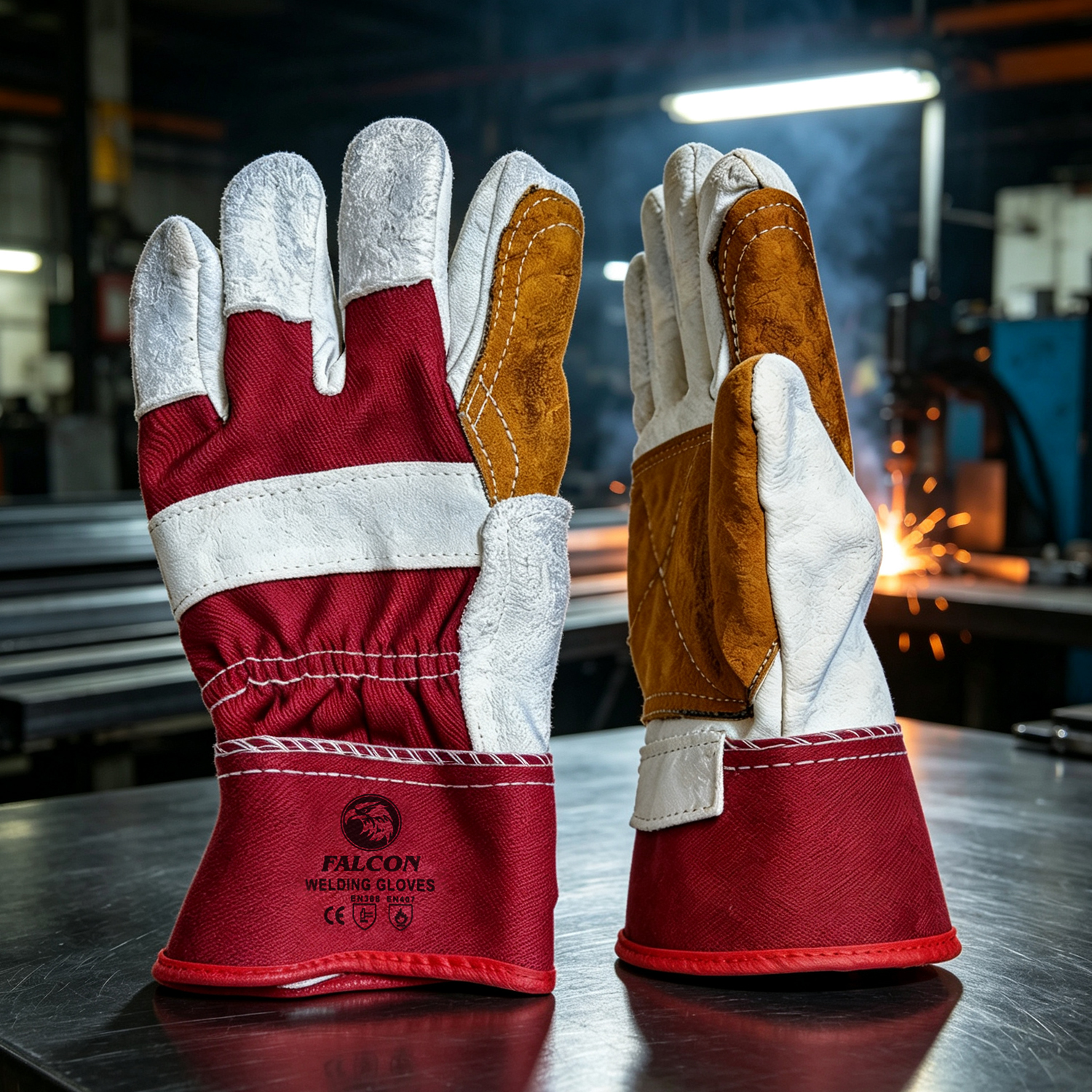
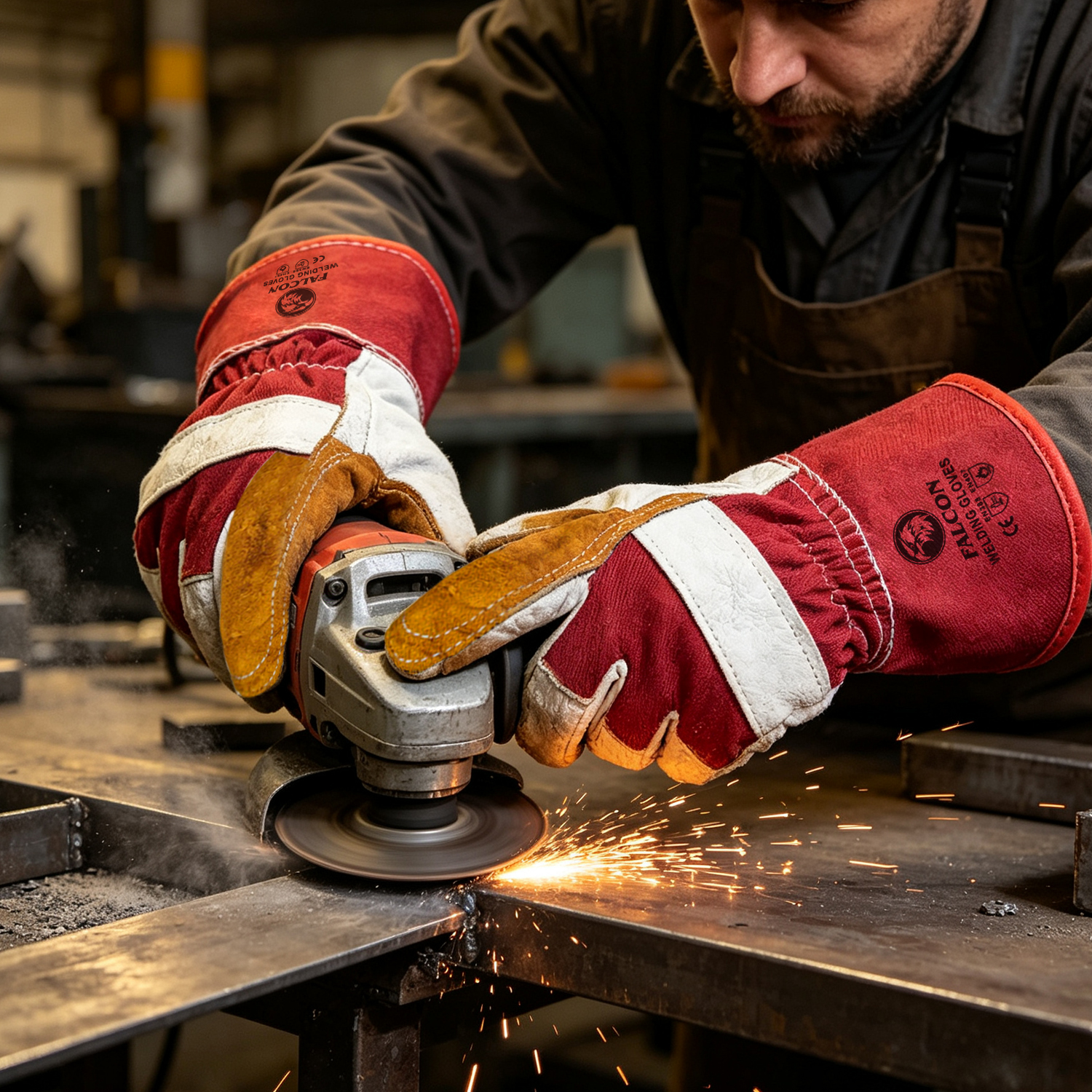
When it comes to sourcing work gloves for men, buyers face several critical considerations that can impact safety, comfort, and overall productivity in industrial environments. These gloves are essential for protecting hands from abrasions, cuts, and chemicals while ensuring dexterity and grip. , we will explore where to source quality work gloves for men in bulk, outline important specifications and standards, provide tips for maximizing their lifespan, discuss common problems and solutions, and evaluate supplier reliability.
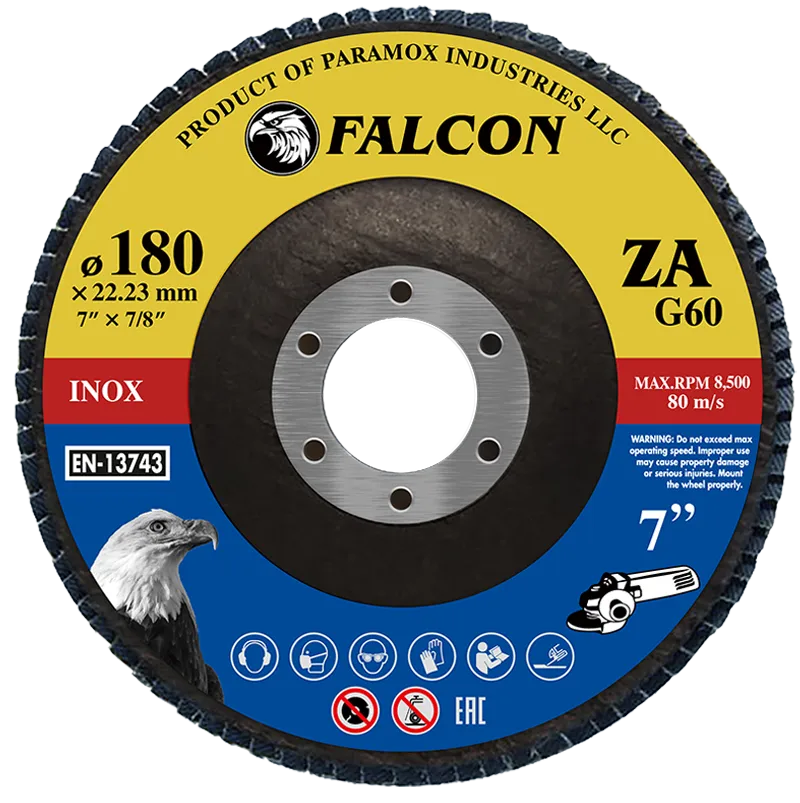
Flap Disc vs Fiber Disc: Whats the Difference?
When it comes to metal grinding and surface finishing, choosing the right abrasive tool can significantly impact work efficiency, surface quality, and overall project results. Two of the most commonly used options are flap discs and fiber discs.
Alth...
View More