 EN

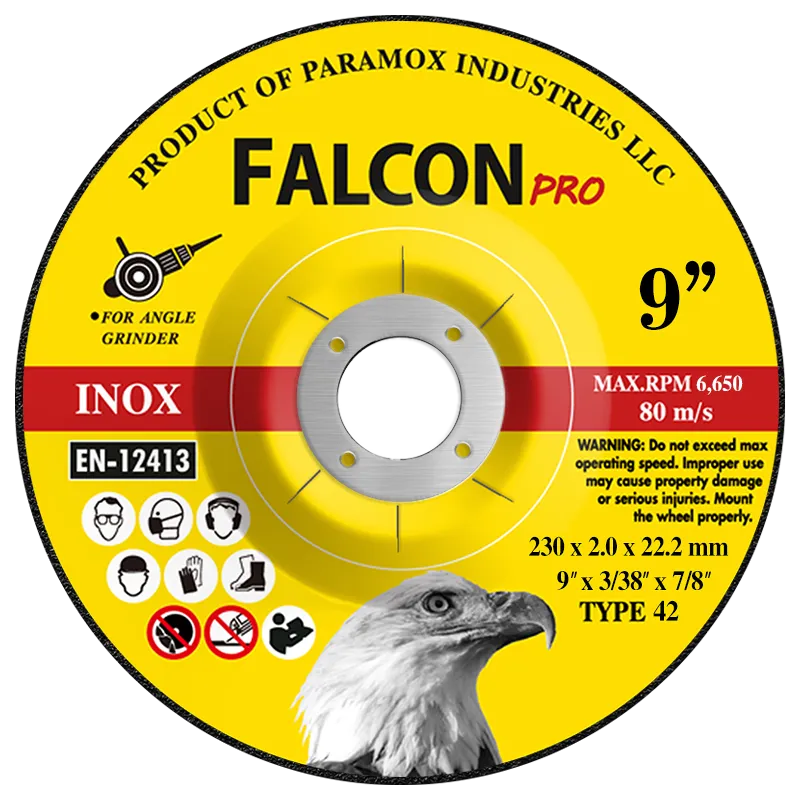
Cut-off wheels are essential tools for many applications, particularly in construction and metalworking. They are designed to make clean cuts through hard materials such as metal and concrete. However, cut-off wheels gradually wear with repeated use and may lose their cutting performance over time. Knowing when to replace a cut-off wheel is essential for maintaining workplace safety and cutting efficiency.
Falcon Global supplies high-quality cut-off wheels designed for demanding applications. Recognizing the right time to replace a worn wheel can help prevent accidents and ensure proper tool performance.
How to Identify Worn Cut-Off Wheels for Optimal Performance
To maintain safe and efficient operations, you should know how to identify signs of wear on cut-off wheels. First, inspect the wheel for visible physical damage. If you notice cracks or chips on the wheel surface, replace it immediately. These defects can cause the wheel to break during operation and create serious safety hazards.
Also, check for excessive dust or debris buildup on the wheel surface. If the wheel no longer produces clean cuts or leaves unwanted marks on the workpiece, this may indicate that it has reached the end of its service life.
Excessive material loss is another important warning sign. A significant reduction in wheel thickness may indicate that the wheel is approaching the end of its usable life. Pay attention to the wheel's performance during cutting. Excessive vibration or uneven operation can indicate wear or other problems.
Sound can also provide useful information about wheel condition. A properly functioning wheel should run smoothly and consistently. Unusual or irregular sounds may indicate that the wheel needs to be inspected or replaced.
Always follow the manufacturer's instructions and safety guidelines regarding wheel inspection and replacement. Monitoring these warning signs can help keep your operations safe and productive. When you are unsure about the condition of a cut-off wheel, replacing it is safer than continuing to use a potentially damaged or worn wheel.
What Are the Best Practices for Replacing Cut-Off Wheels?
Follow these best practices whenever you replace a cut-off wheel.
First, wear appropriate personal protective equipment (PPE), including safety goggles and work gloves, to protect yourself from sparks and flying fragments.
Before replacing the wheel, switch off the tool and disconnect it from the power source to prevent accidental startup. After removing the old wheel, inspect the tool spindle and clean away any dirt or residue. A dirty or contaminated spindle can cause installation and fitting problems with the new wheel.
Carefully unpack the new cut-off wheel and inspect it for any damage that may have occurred during transportation. If no defects are found, position the wheel correctly on the spindle and secure it firmly. Avoid over-tightening the fastener, as excessive force may damage the wheel.
After installation, run the tool without a load for several seconds in a safe position. This test helps confirm that the wheel is installed correctly and runs smoothly. Always follow the manufacturer's instructions for tool-specific installation and operating procedures.
Keep your workspace clean and organized. A tidy working environment can improve both safety and work efficiency. Following these steps helps ensure reliable cut-off wheel performance and safer operation.
Where to Buy High-Quality Cut-Off Wheels Wholesale
If you regularly source cut-off wheels for industrial or commercial applications, choosing a reliable supplier is important. Wholesale purchasing can be a cost-effective solution for businesses with large-volume requirements.
Falcon Global supplies cut-off wheels for a wide range of applications. Made with premium aluminum oxide abrasive grains and a durable resin bond, our cut-off wheels are designed to provide reliable cutting performance and extended service life.
Falcon Global offers cut-off wheels compatible with various power tools and cutting applications. Our product range covers metal, tile, and concrete cutting applications. Working with one supplier can simplify procurement and help businesses manage their abrasive-tool requirements more efficiently.
Wholesale purchasing can also help reduce the cost per unit, making it suitable for large-scale projects and buyers with ongoing product requirements.
When selecting cut-off wheels, product quality should be a key consideration. High-quality wheels can provide consistent cutting performance and longer service life, helping reduce the frequency of replacement.
Falcon Global focuses on manufacturing durable abrasive products with clear product specifications. These specifications indicate the materials and applications each wheel is designed for, helping buyers select the right product for their specific requirements.
Customer reviews and professional recommendations can also provide useful information when comparing products and selecting wheels for different applications.
How to Extend the Life of Your Cut-Off Wheels
Proper use, handling, and storage can help maximize the service life of your cut-off wheels. The following practices can help reduce premature wear.
First, always use the correct wheel for the material and application. Using a wheel for an unsuitable application can accelerate wear and may increase the risk of wheel damage or breakage. For example, using a metal-cutting wheel on concrete can quickly wear the wheel and may make it unsuitable for further use.
Keep the wheel clean after use. Remove accumulated dust and debris to prevent uneven buildup that could affect wheel performance. Store cut-off wheels in a dry, secure location where they are protected from impacts, moisture, and accidental drops.
Your operating technique also has a significant effect on wheel service life. Apply steady, moderate pressure and allow the abrasive wheel to perform the cutting work. Excessive force can accelerate wear and may increase the risk of wheel damage.
Always operate the tool within its rated rotational speed. Exceeding the recommended speed can generate excessive heat and shorten wheel life. Follow the manufacturer's speed and usage recommendations to keep the wheel operating safely and effectively.
Common Usage Issues with Cut-Off Wheels and When to Replace Them
Even with proper use and maintenance, cut-off wheels can develop problems over time. One common issue is wheel dulling. A dull wheel may slow cutting performance. If you need to apply significantly more force or make repeated passes to complete a cut, the wheel may need to be replaced.
Visible cracks and chips are another clear reason to replace a cut-off wheel. Perform a visual inspection before each use. Never operate a damaged wheel, as cracks or chips can increase the risk of wheel breakage and serious injury.
Falcon Global cut-off wheels are designed for reliable performance and durability. Made with premium aluminum oxide abrasive grains and a durable resin bond, our wheels are built to provide consistent cutting performance.
Even with a high-quality wheel, however, regular inspection and proper replacement remain essential for safe and efficient cutting. Checking the wheel's condition before use and replacing worn or damaged wheels can help support safer and more productive operations.