EN

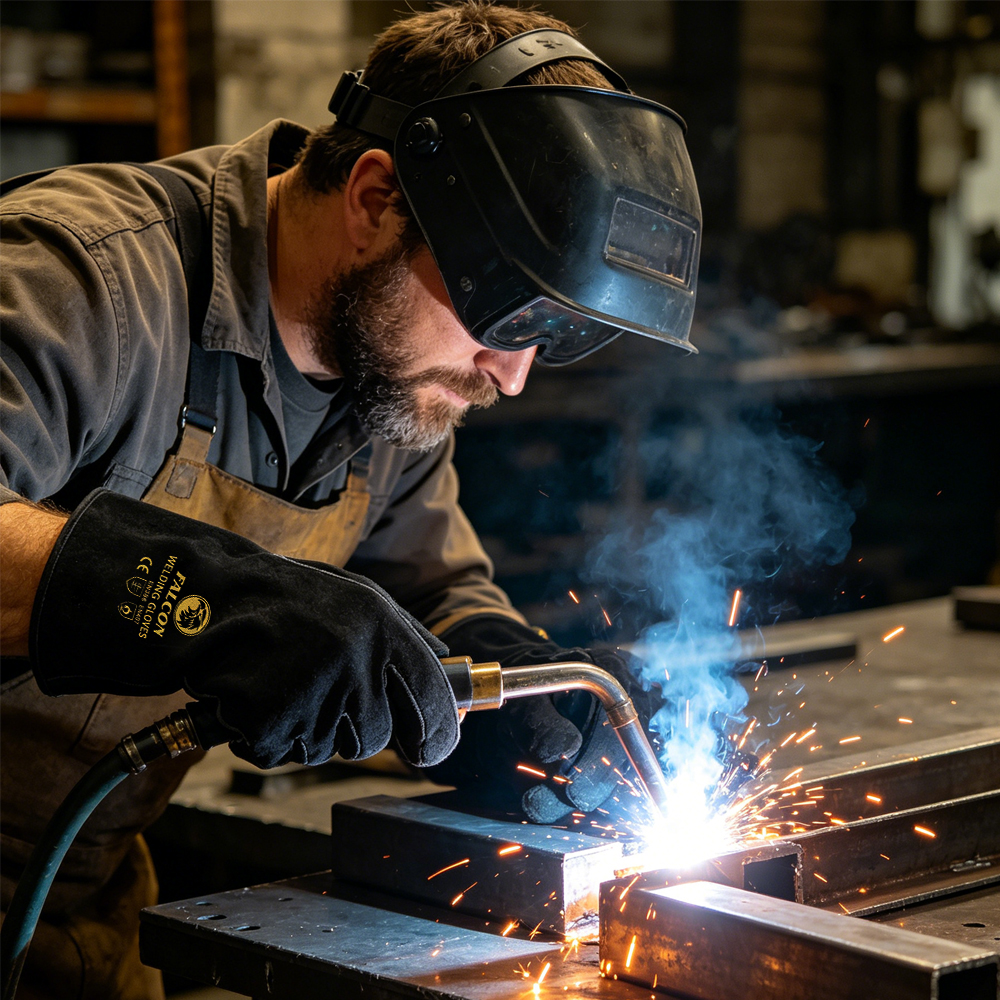
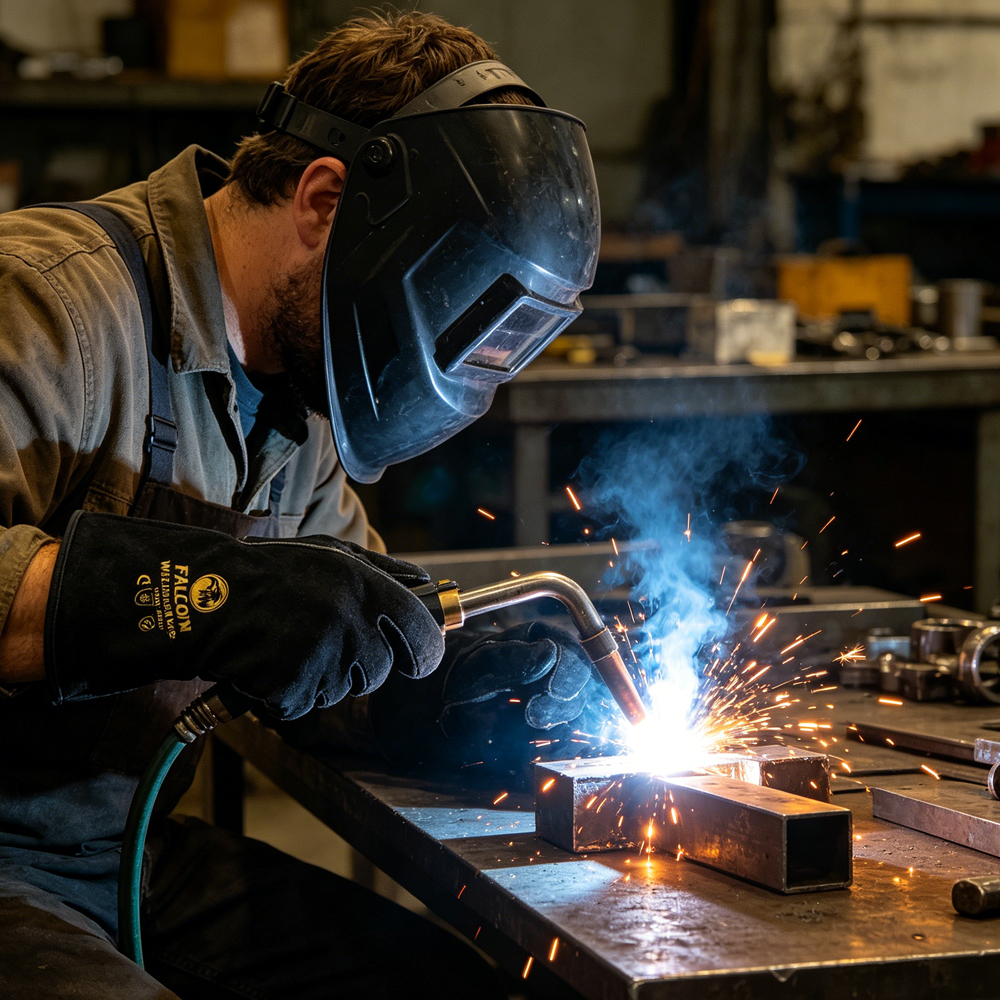
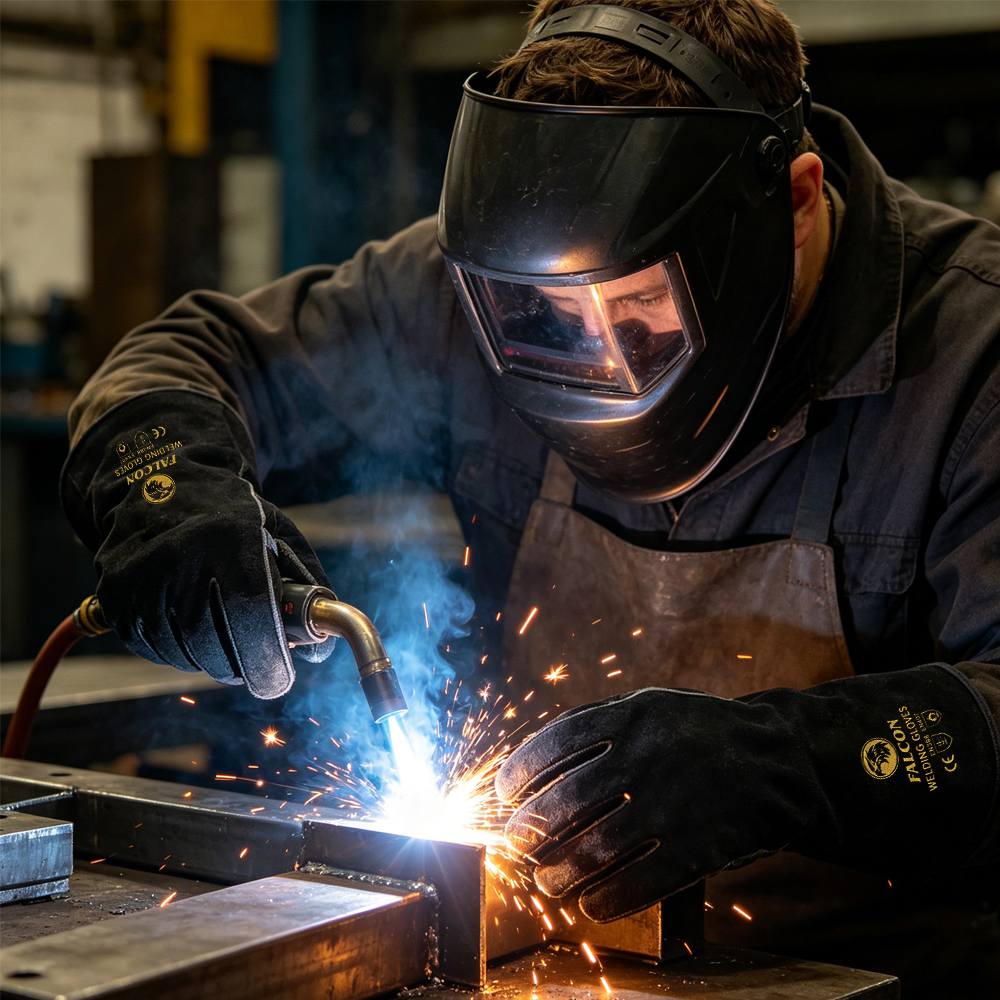
In industrial applications, the right gloves for men at work are essential for ensuring safety, comfort, and efficiency. These gloves are designed to provide protection against various hazards, enhance grip, and improve overall performance on the job. As a purchasing manager or distributor, your primary concerns likely include durability, compliance with safety standards, and cost-effectiveness. This article will guide you through the key factors to consider when sourcing men's work gloves, helping you make informed decisions that align with your operational needs.

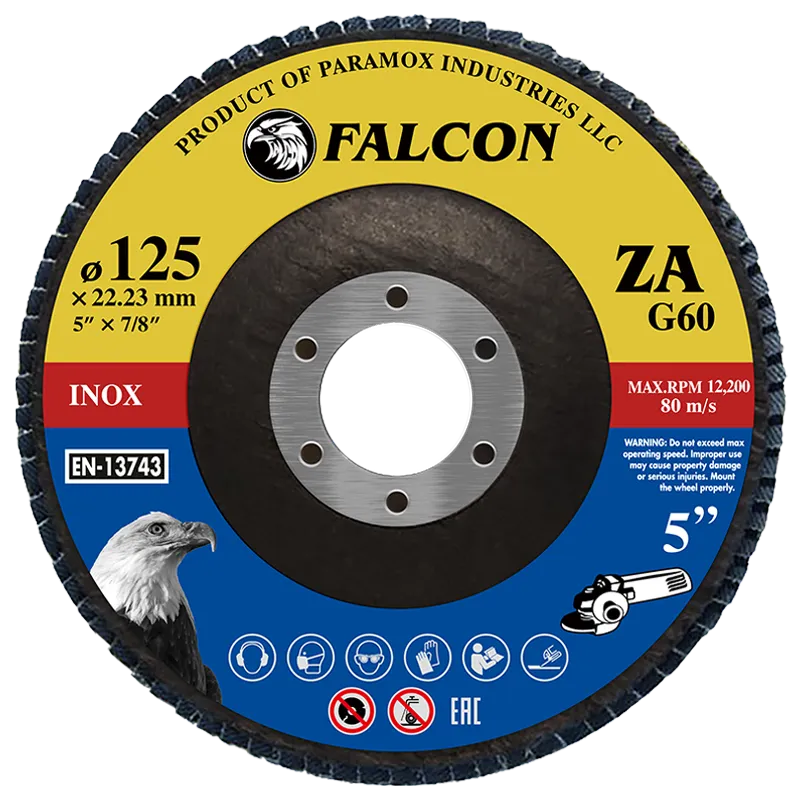
When is a flap disc worn out?
A flap disc is an essential abrasive tool used for grinding, blending, and finishing a variety of surfaces. Commonly installed on angle grinders, flap discs are made with multiple layers of abrasive cloth that gradually wear away during use while mai...
View More