Choosing High-Performance Gloves for Workers

Get a Free Quote

Our representative will contact you soon.
Email
Mobile/WhatsApp
Name
Company Name
Country
Customer Type
Estimated Order Quantity
MOQ and Free Sample Policy
Message
0/1000

gloves for workers

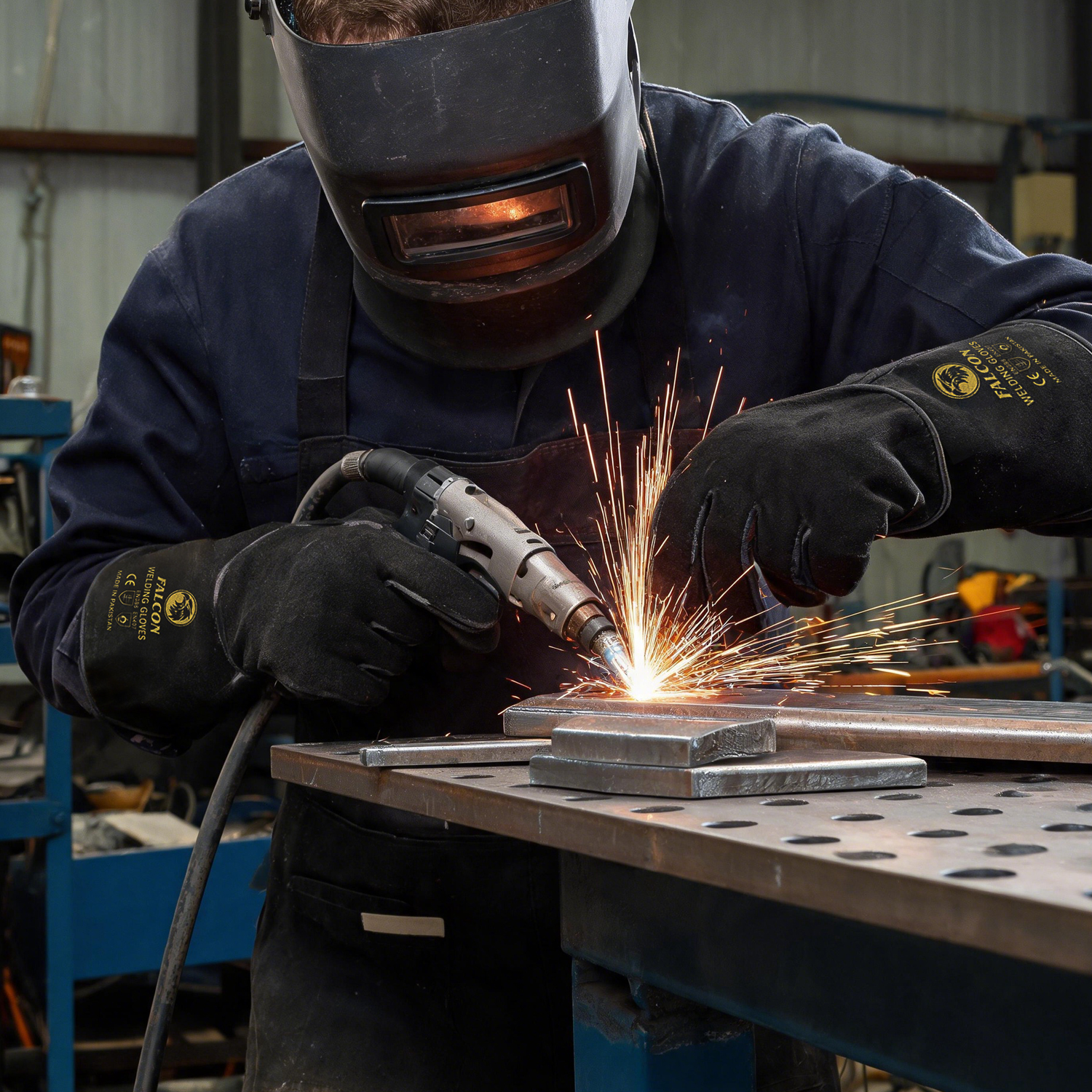
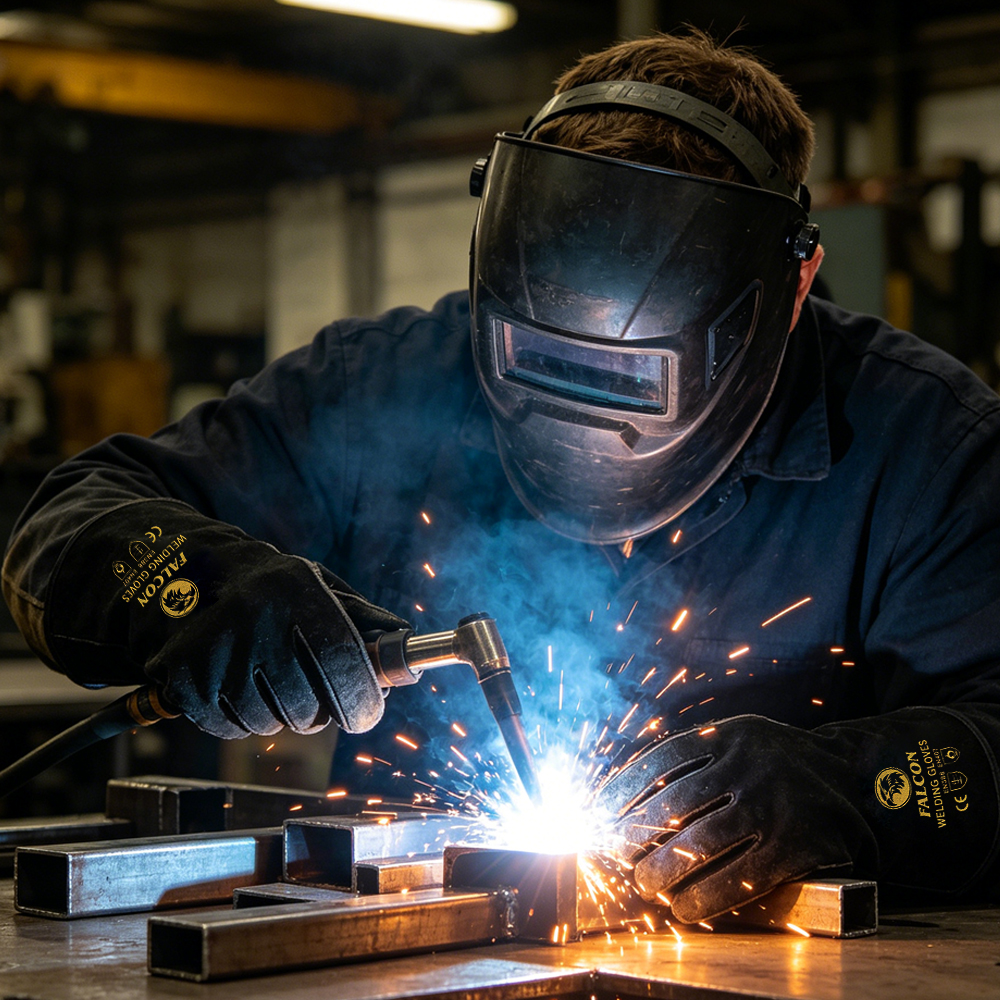
Choosing the right gloves for workers is essential for ensuring safety and productivity in any industrial environment. With various applications and hazards present in the workplace, it’s crucial for purchasing managers and safety officers to understand the specific requirements for gloves that provide optimal protection without compromising performance. This article will address key considerations when selecting gloves for workers, including their specifications, materials, and sourcing strategies, enabling you to make informed decisions that enhance workplace safety.
What to Consider When Choosing Gloves for Workers' Safety

When selecting gloves for workers, several critical factors must be considered to ensure maximum protection and functionality. First, identify the primary hazards present in your work environment—this could include cuts, abrasions, chemical exposure, or heat. Each type of hazard necessitates specific glove characteristics, such as cut resistance ratings or chemical compatibility.

Next, consider the fit and comfort of the gloves. Ill-fitting gloves can hinder dexterity and lead to accidents. For optimal safety, gloves should fit snugly without being too tight, allowing for both protection and freedom of movement. Additionally, think about the glove's durability. High-performance gloves should withstand the rigors of the job while maintaining their protective qualities over time.

Lastly, ensure that the gloves meet relevant safety standards and certifications. This not only guarantees a level of quality but also helps in compliance with workplace safety regulations.

Frequently Asked Questions

What types of worker gloves do you offer?

We provide cut-resistant, impact-resistant, heat-resistant, chemical-resistant, and general-purpose work gloves designed for industrial applications and compatibility with abrasive tool use.
Materials include high-strength HPPE fibers, leather, nitrile, PVC, Kevlar, and reinforced synthetic blends for durability, grip, and protection against cuts and abrasion.
Measure the widest part of your hand (excluding thumb). Compare measurement to the sizing chart. Gloves should fit snugly without restricting movement or circulation.
Yes. We design specific gloves with abrasion and cut resistance plus impact protection and grip features suitable for grinding, cutting, and handling abrasive materials.
Follow label instructions: clean according to material (washable or wipeable), air dry, store away from direct heat/chemicals, inspect regularly for wear, and replace if damage or reduced protection appears.

Our Blog Posts

How to Extend the Lifespan of Your Flap Discs

16

Apr

How to Extend the Lifespan of Your Flap Discs

Flap discs are essential abrasive tools widely used for grinding, blending, polishing, and surface preparation in metalworking applications. Whether used for weld finishing, rust removal, or general surface treatment, a high-quality flap disc can sig...
View More
What Is a Zirconia Flap Disc Used For?

08

May

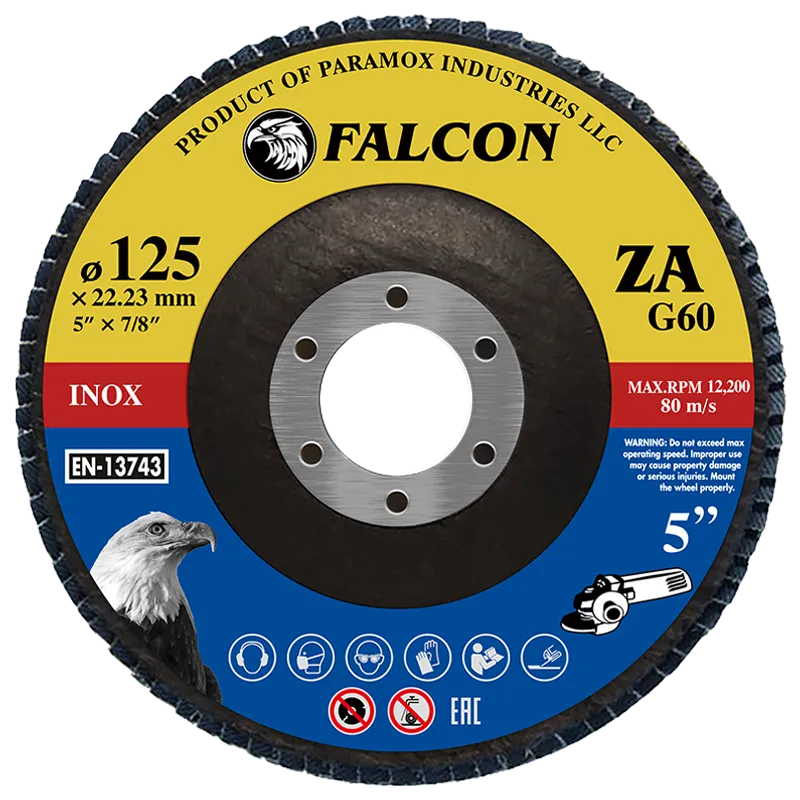
What Is a Zirconia Flap Disc Used For?

Zirconia flap discs are special tools using for grinding and polishing many kind of materials. They very popular in industries like metalworking and also woodworking. These discs got layers from zirconia abrasive that help to make surface smooth and ...
View More
Diamond vs CBN Grinding Wheels: Which to Choose?

17

Jun

Diamond vs CBN Grinding Wheels: Which to Choose?

When it comes to grinding wheels, there is two main kinds: diamond and CBN wheels. Each one got its own good points and bad points, and picking the right one depend on what material you working with. Falcon Global sell both diamond and CBN grinding w...
View More
Class E, G, C Hard Hats: Electrical Safety Ratings

22

Jul

Class E, G, C Hard Hats: Electrical Safety Ratings

Hard hats are really important to keep workers safe, specially in places where things can fall on head or there is electrical danger. At Falcon Global, we understand that picking the correct Hard Hat make big difference. There is Class E, G, and C ha...
View More

Get a Free Quote

Our representative will contact you soon.
Email
Mobile/WhatsApp
Name
Company Name
Country
Customer Type
Estimated Order Quantity
MOQ and Free Sample Policy
Message
0/1000

Related product categories

Key Specifications of High-Performance Gloves for Industrial Use

Key Specifications of High-Performance Gloves for Industrial Use

High-performance gloves for industrial applications come with specific specifications that significantly impact their effectiveness. Key specifications to consider include:

Material Composition: Different materials offer varying levels of protection and comfort. For instance, leather provides excellent abrasion resistance, while synthetic materials like Kevlar offer high cut resistance. For those in need of high cut resistance, Grinding Disc for Inox/stainless steel options are available.

Cut Resistance Rating: Measured according to the EN 388 standard, the cut resistance rating indicates how well a glove can protect against cuts. A higher rating signifies better protection.

Grip and Dexterity: The glove’s surface texture affects grip. Textured palms enhance grip in both dry and wet conditions, while dexterity is essential for tasks requiring precise movements.

Thermal Resistance: For environments with high temperatures, gloves should be rated for thermal resistance to prevent burns.

Chemical Resistance: If workers are exposed to hazardous substances, gloves should have a chemical resistance rating appropriate for the specific chemicals handled. For example, gloves suitable for chemical handling might be similar to Grinding Discs for Metal.

Understanding these specifications helps ensure that the gloves chosen are suitable for the intended application and compliant with safety standards.

Sourcing Quality Gloves for Your Workforce

Sourcing Quality Gloves for Your Workforce

Sourcing high-quality gloves for workers involves a strategic approach to supplier evaluation and procurement. Start by assessing potential suppliers based on their manufacturing capabilities and reputation in the industry. A manufacturer with advanced production techniques and stringent quality control processes will likely produce gloves that meet the necessary safety standards.

Request samples before placing large orders to evaluate the glove’s fit, comfort, and performance under actual working conditions. Ensure to conduct quality inspections to confirm that the gloves meet the agreed-upon specifications.

Consider the minimum order quantities (MOQ) and lead times when negotiating with suppliers. Establishing a good relationship with a manufacturer like Falcon Global / Tools Safety can lead to better pricing and customization options tailored to your workforce's unique needs.

Understanding Material Advantages in Industrial Safety Gloves

Understanding Material Advantages in Industrial Safety Gloves

The material used in safety gloves significantly impacts their performance and suitability for various applications. Common materials include:

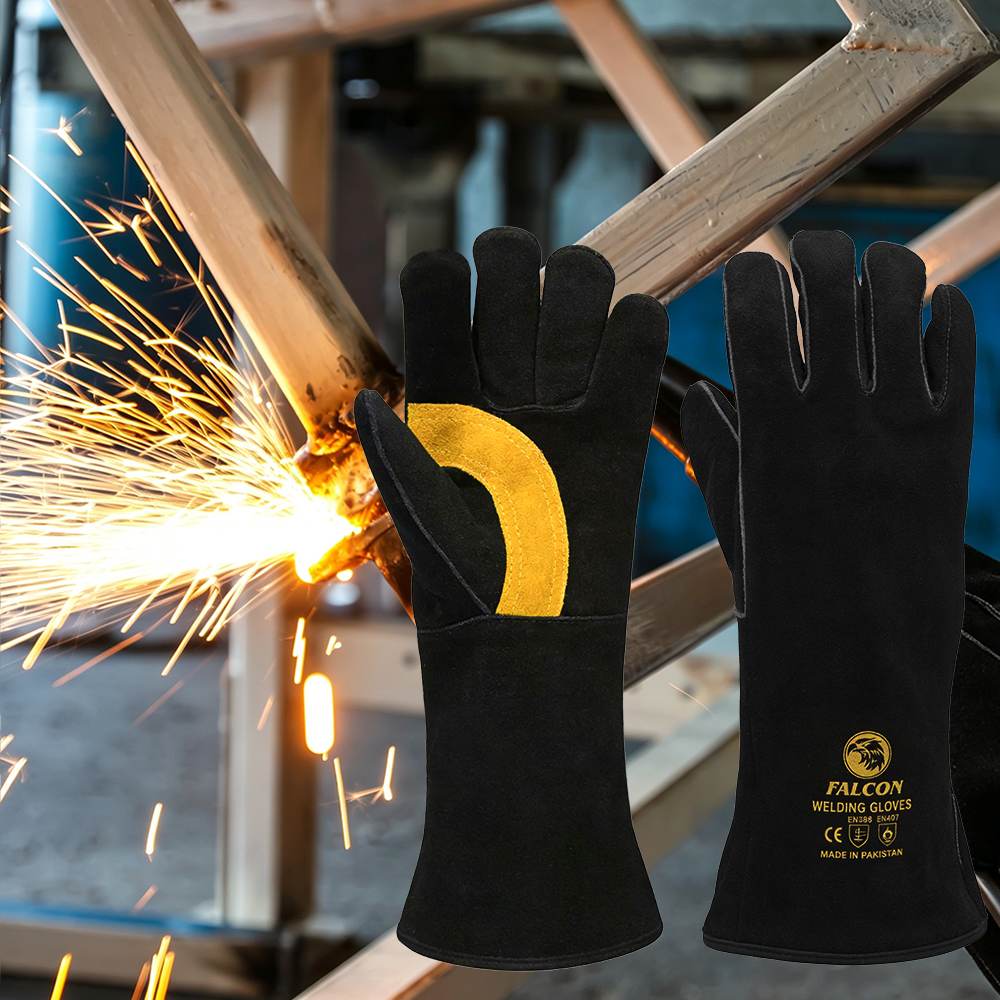
Leather: Known for its durability, leather gloves offer excellent abrasion resistance and are ideal for heavy-duty applications. However, they may lack flexibility compared to synthetic options.

Nitrile: This synthetic rubber provides great chemical resistance and is ideal for handling oils and solvents. Nitrile gloves also offer good puncture resistance.

Latex: While latex gloves are known for their elasticity and comfort, they may not be suitable for workers with latex allergies. They provide a good barrier against biological hazards.

Kevlar: This high-performance material is designed for cut resistance and is often used in gloves intended for environments with sharp objects.

Selecting the right material depends on the specific hazards present in the workplace. Buyers should verify that the material chosen matches the required performance characteristics for the application.

Applications of Gloves for Various Industrial Environments

Gloves play a vital role in protecting workers across numerous industrial environments. Here are some common applications:

Construction: Workers in construction often wear gloves for protection against cuts, abrasions, and impacts. Look for gloves with high cut resistance and durable materials.

Manufacturing: In manufacturing settings, gloves should provide dexterity and grip, especially when handling small parts. Multi-purpose gloves with a balance of protection and flexibility are ideal.

Chemical Handling: For workers dealing with hazardous chemicals, gloves made from materials such as nitrile or vinyl are essential. These gloves should be tested for compatibility with specific chemicals used.

Food Processing: In the food industry, gloves made from latex or polyethylene are commonly used to maintain hygiene. It's crucial to select gloves that comply with food safety regulations.

Understanding the specific requirements for each application ensures that the right gloves are selected to protect workers effectively.

By taking into account the factors outlined, purchasing managers and safety professionals can make informed decisions when sourcing gloves for workers. Ensuring that gloves meet necessary specifications and are suited to the specific industrial environment protects workers and enhances overall productivity. Additionally, using reliable products such as Pro Cutting-off Discs for Stainless Steel can further enhance safety measures in the workplace.

Get a Free Quote

Our representative will contact you soon.
Email
Mobile/WhatsApp
Name
Company Name
Country
Customer Type
Estimated Order Quantity
MOQ and Free Sample Policy
Message
0/1000