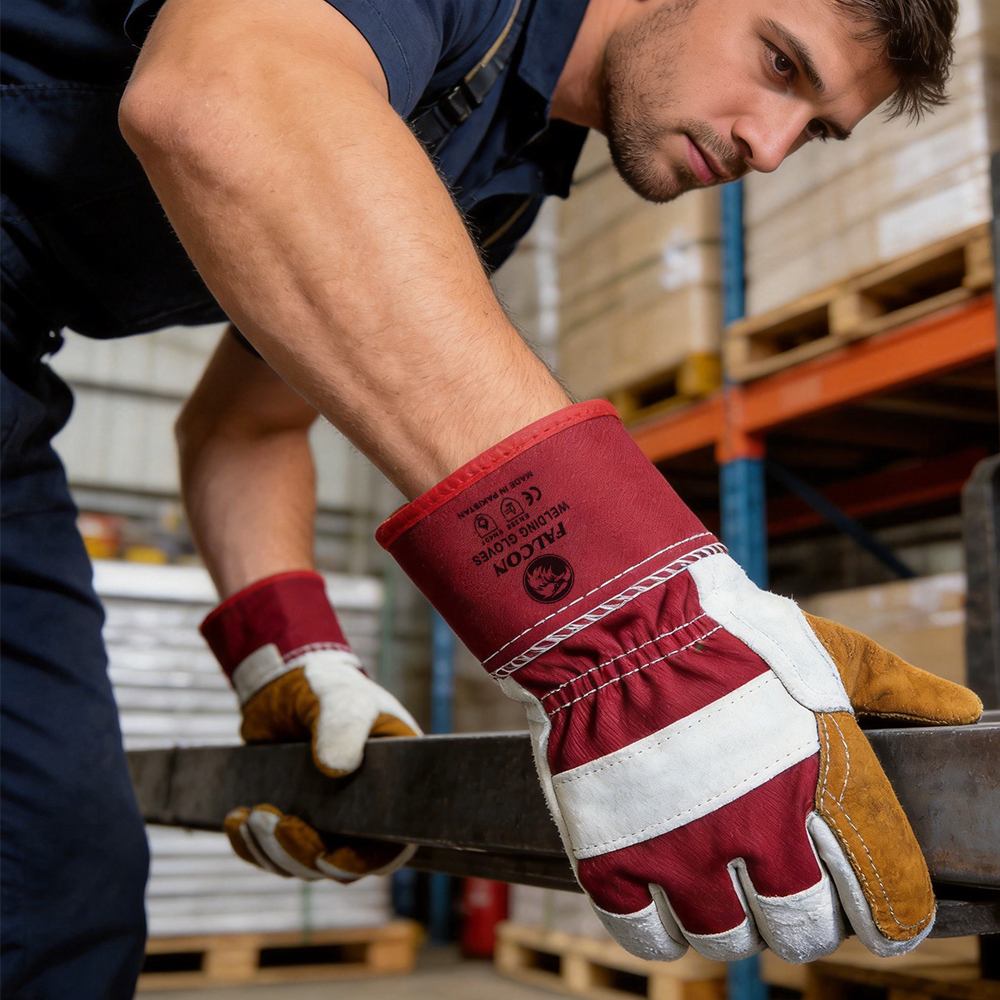
Choosing Quality Safety Gloves for Industrial Use

Get a Free Quote

Our representative will contact you soon.
Email
Mobile/WhatsApp
Name
Company Name
Country
Customer Type
Estimated Order Quantity
MOQ and Free Sample Policy
Message
0/1000

safety gloves

Safety gloves are essential protective gear widely used in various industrial applications to safeguard workers from potential hazards. When selecting safety gloves, buyers often prioritize quality, comfort, durability, and the specific protection they offer against different risks. This article will guide you through evaluating the quality of safety gloves, finding reliable suppliers, understanding their applications, comparing material advantages, and installation guidance for optimal use in the field.

How to Evaluate the Quality of Safety Gloves for Your Projects

Evaluating the quality of safety gloves involves assessing several key factors, including material composition, construction quality, certification standards, and user comfort.

Material Composition: Safety gloves are made from various materials, including latex, nitrile, leather, and PVC. Each material offers different levels of protection, flexibility, and durability. For example, nitrile gloves are resistant to chemicals and punctures, making them suitable for hazardous environments, while leather gloves provide excellent abrasion resistance for heavy-duty tasks.

Construction Quality: Look for gloves with reinforced seams and sturdy stitching. This is crucial for ensuring that the gloves withstand wear and tear in demanding environments. Additionally, check for features like grip patterns and ergonomic designs, which enhance user comfort and functionality.

Certification Standards: Safety gloves should meet relevant safety standards, such as the EN 388 for mechanical risks or the EN 374 for chemical risks. These certifications provide assurance that the gloves have undergone rigorous testing and meet industry benchmarks for protection.

User Comfort: Comfort is essential for prolonged use. Gloves should fit snugly without being too tight, allowing for dexterity and tactile sensitivity. Consider gloves with features such as breathable materials or moisture-wicking linings for added comfort during extended wear.

Frequently Asked Questions

What protections do these safety gloves offer?

Our safety gloves provide cut, abrasion, and impact resistance tailored for industrial grinding and handling, with reinforced palms and seams for extended durability during heavy-duty tasks.
Gloves use high-performance textiles and engineered leather with protective liners and abrasion-resistant coatings formulated for industrial applications.
Yes. They are designed to protect against sparks, abrasive debris, and mechanical hazards common when using grinding wheels and discs.
Measure palm circumference and hand length, then consult our sizing chart. A snug fit ensures dexterity while preventing slippage and maximizing protection.
Clean according to label instructions—typically wipe or gentle wash, air dry, and inspect regularly for wear. Replace gloves when protective layers or seams are compromised.

Our Blog Posts

What is a flap disc used for?

11

Mar

What is a flap disc used for?

A flap disc is a versatile abrasive tool designed for grinding, blending, and finishing different types of surfaces. Commonly used with angle grinders, flap discs are made with multiple layers of abrasive cloth attached to a backing plate. These over...
View More
Type 1 vs Type 27 Cut Off Wheel: Full Comparison

09

Oct

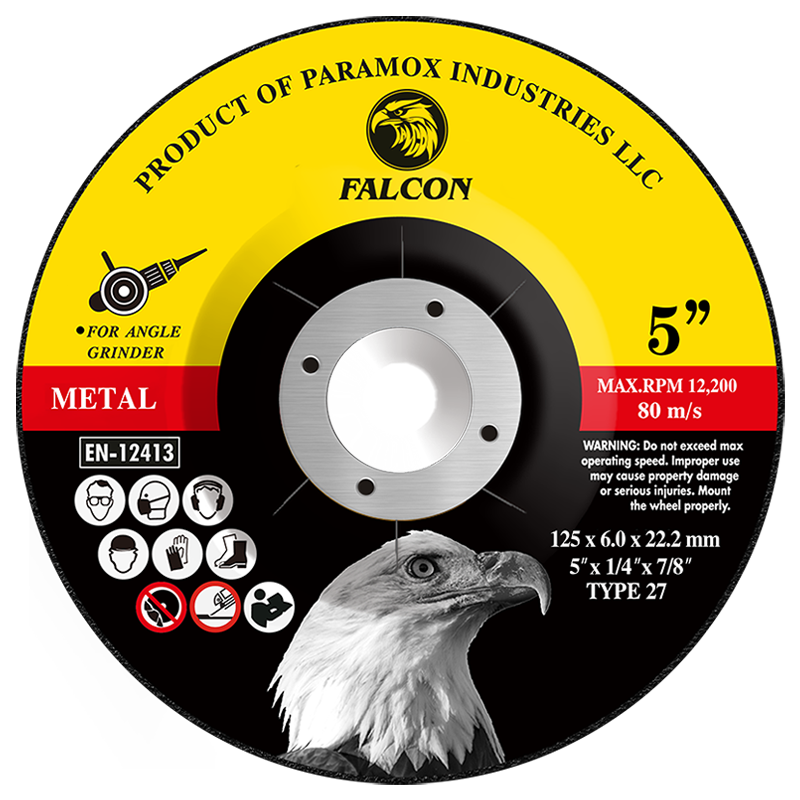
Type 1 vs Type 27 Cut Off Wheel: Full Comparison

A Abrasive wheels are essential tools in metal fabrication, construction, welding, maintenance and general industrial work. When selecting an abrasive wheel, users often focus on diameter, thickness, abrasive material and RPM. However, the wheel type...
View More
Can You Use a Cut Off Wheel on Aluminum?

08

Oct

Can You Use a Cut Off Wheel on Aluminum?

When processing metals, selecting suitable power-tool accessories is essential, and the cut-off wheel is one of the most widely-used options. These abrasive discs work across multiple materials, yet many users question whether they deliver safe, high...
View More
What Are Grinding Wheels Made Of?

13

Aug

What Are Grinding Wheels Made Of?

Grinding wheels are special tools using in many industry. They help grind, cut and polish various material. But what they made of?  Usually grinding wheels comes from mix of things. The main part is abrasive, which can be diamond, aluminum oxide...
View More

Get a Free Quote

Our representative will contact you soon.
Email
Mobile/WhatsApp
Name
Company Name
Country
Customer Type
Estimated Order Quantity
MOQ and Free Sample Policy
Message
0/1000

Related product categories

Where to Find Reliable Suppliers for Safety Gloves in Bulk

Where to Find Reliable Suppliers for Safety Gloves in Bulk

Finding reliable suppliers for safety gloves in bulk involves thorough research and evaluation.

Industry Directories: Utilize online B2B directories like ThomasNet or Alibaba to find manufacturers and suppliers specializing in safety gloves. These platforms often provide supplier reviews and ratings to help assess credibility.

Trade Shows and Expos: Attend industry trade shows and expos, such as the National Safety Council Expo, where you can meet suppliers in person, examine their products, and discuss your specific requirements directly.

Referrals and Recommendations: Seek recommendations from industry peers or colleagues who have experience sourcing safety gloves. Their insights can help identify trustworthy suppliers with a proven track record.

Request Samples: Before committing to a bulk order, request samples from potential suppliers to evaluate the quality and performance of their safety gloves. This step is vital to ensure they meet your project's specific needs.

Safety Gloves for Industrial Applications

Safety Gloves for Industrial Applications

Safety gloves play a crucial role in various industrial applications, protecting workers from a range of hazards.

Construction: In construction settings, gloves must provide excellent grip and cut resistance. Options like leather or composite material gloves are ideal due to their durability and protective features against sharp objects.

Manufacturing: Workers in manufacturing often handle machinery and tools, requiring gloves that offer both dexterity and protection from mechanical risks. Nitrile or rubber gloves are popular choices for their chemical resistance and tactile sensitivity.

Chemical Handling: For tasks involving hazardous materials, gloves must meet specific chemical resistance standards. Nitrile gloves are a common choice for handling oils and solvents, while specialized chemical-resistant gloves are necessary for more toxic substances.

Food Processing: In food processing environments, disposable gloves made from latex or polyethylene are frequently used to maintain hygiene and prevent contamination. It's essential that these gloves meet food safety standards.

Compare Material Advantages of Different Safety Gloves for Contractors

Compare Material Advantages of Different Safety Gloves for Contractors

When selecting safety gloves for contractors, understanding the advantages of different materials is vital to match the gloves to the intended application.

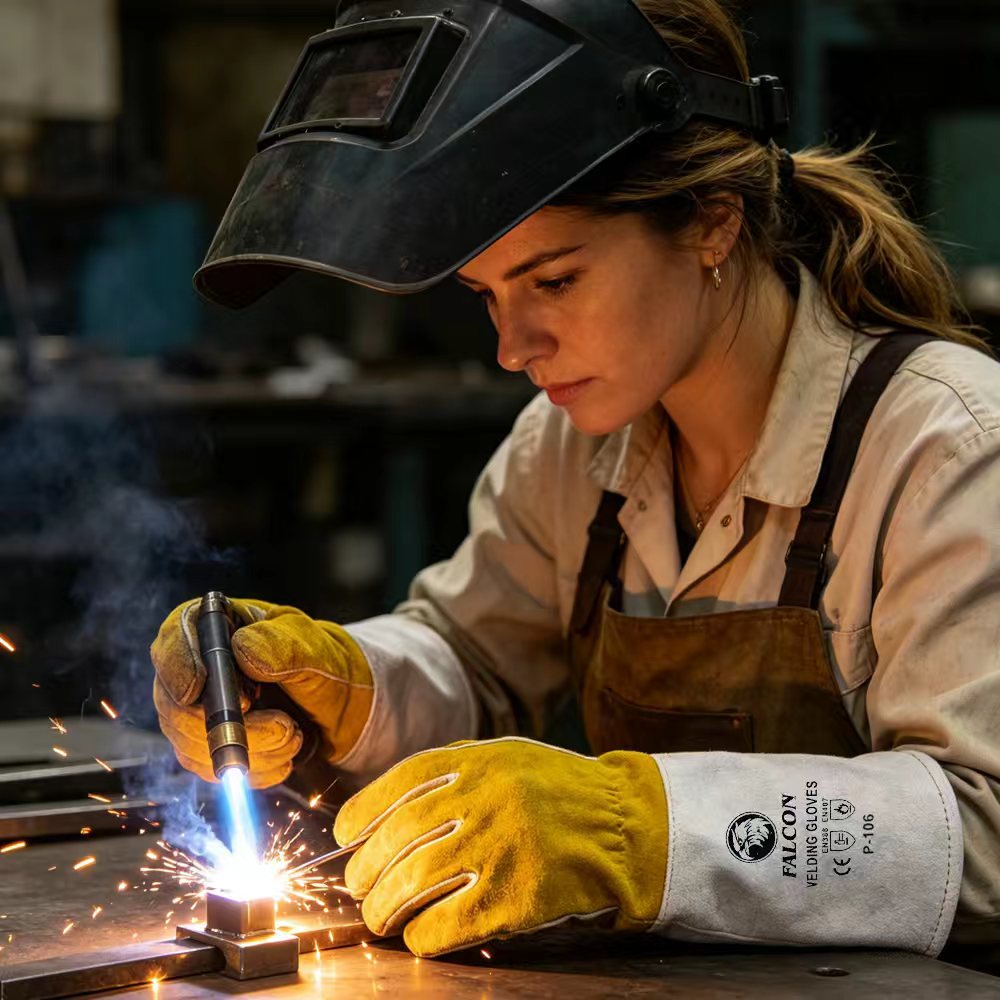
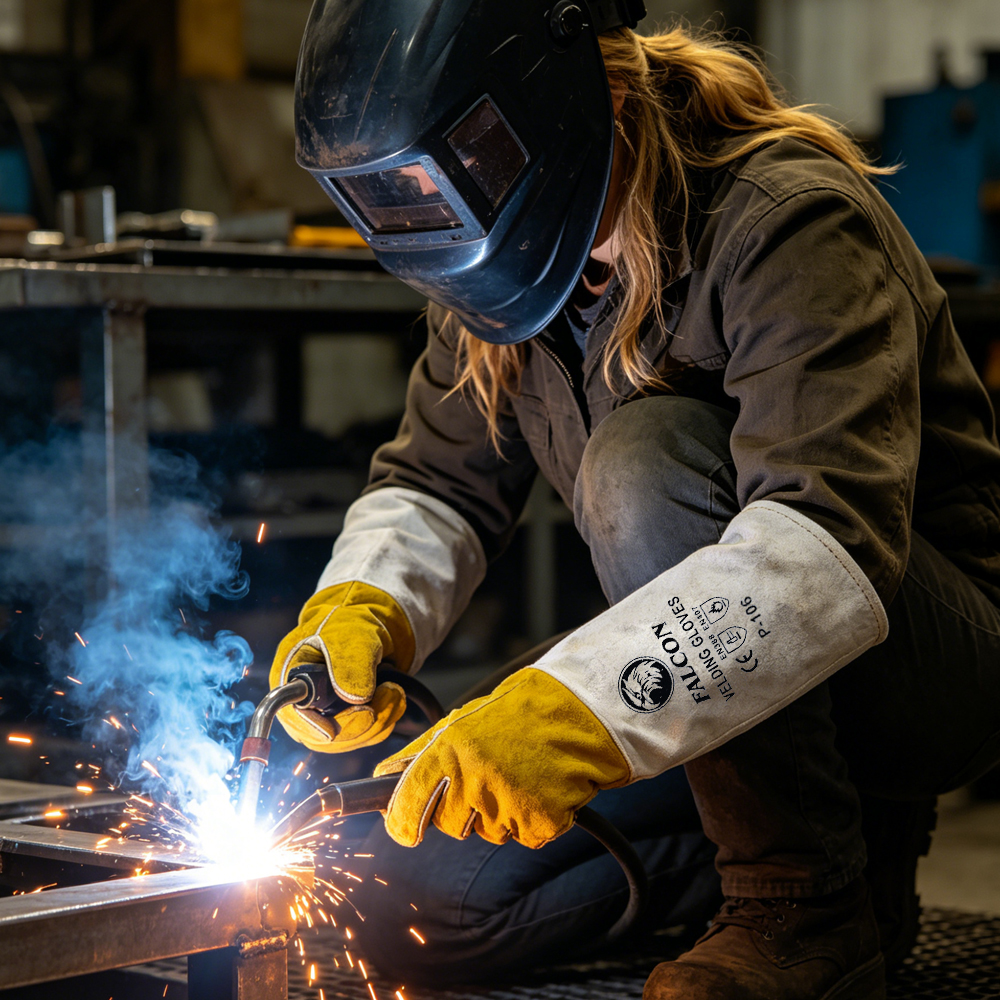
Leather Gloves: Known for their durability and excellent abrasion resistance, leather gloves are ideal for heavy-duty tasks. They provide good grip and protection against cuts, making them suitable for construction and metalwork.

Nitrile Gloves: Nitrile offers outstanding chemical resistance, puncture resistance, and is often preferred for tasks involving oil and solvents. They are also latex-free, making them suitable for workers with latex allergies.

Latex Gloves: Latex gloves provide excellent elasticity and comfort but may not be suitable for all applications due to potential allergic reactions. They offer good protection against biological hazards but are less durable than nitrile or leather.

PVC Gloves: PVC gloves are budget-friendly and provide adequate resistance to chemicals and oils. They are suitable for light-duty tasks but may not offer the same level of protection as nitrile or leather.

Specialty Gloves: Depending on the application, there are specialty gloves available that offer unique features, such as cut-resistant fibers or thermal insulation for extreme temperatures.

Installation Guidance for Optimal Use of Safety Gloves in the Field

To ensure optimal use of safety gloves in the field, adherence to proper installation and usage guidelines is essential.

Correct Fit: Prior to use, ensure that gloves fit properly. A snug fit allows for better dexterity and prevents the gloves from slipping off during use. If you're unsure about the size, refer to the supplier's sizing guide or try on samples.

Inspect Before Use: Always inspect gloves for any signs of damage, wear, or defects before use. Look for punctures, tears, or degraded materials that could compromise safety.

Follow Manufacturer Instructions: Each type of glove may come with specific usage instructions regarding the level of exposure to chemicals or heat. Familiarize yourself with these guidelines to maximize protection.

Proper Donning and Doffing: When putting on and taking off gloves, avoid touching the outer surface to minimize contamination. Use proper techniques to ensure that the gloves do not become a source of hazard.

Storage: Store gloves in a cool, dry place away from direct sunlight, which can degrade materials over time. Proper storage extends the lifespan of the gloves and ensures they remain effective when needed.

By understanding these critical aspects of safety gloves, you can make informed decisions that enhance workplace safety and compliance with industry standards. Additionally, consider exploring Other Products / Custom Requirements that can complement your safety gear.

Get a Free Quote

Our representative will contact you soon.
Email
Mobile/WhatsApp
Name
Company Name
Country
Customer Type
Estimated Order Quantity
MOQ and Free Sample Policy
Message
0/1000