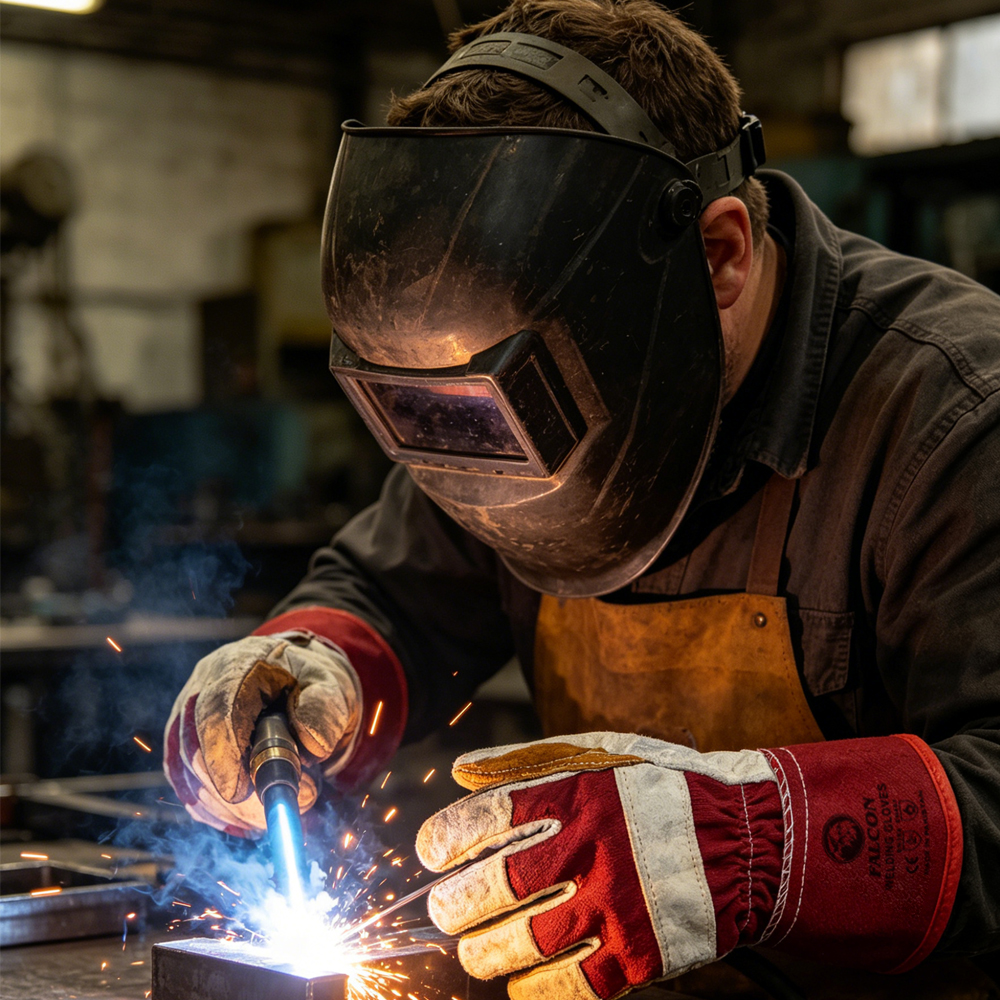
Choosing the Right Work Gloves for Safety

Get a Free Quote

Our representative will contact you soon.
Email
Mobile/WhatsApp
Name
Company Name
Country
Customer Type
Estimated Order Quantity
MOQ and Free Sample Policy
Message
0/1000

work gloves

Choosing the right work gloves is crucial for ensuring safety and efficiency in various industrial applications. As a B2B buyer, understanding the specifications, materials, and features that differentiate work gloves can significantly influence your purchasing decision. This article will provide insights into selecting suitable work gloves, evaluating quality factors, sourcing from reliable suppliers, and understanding the advantages of different materials.
Choosing the Right Work Gloves for Your Industrial Applications

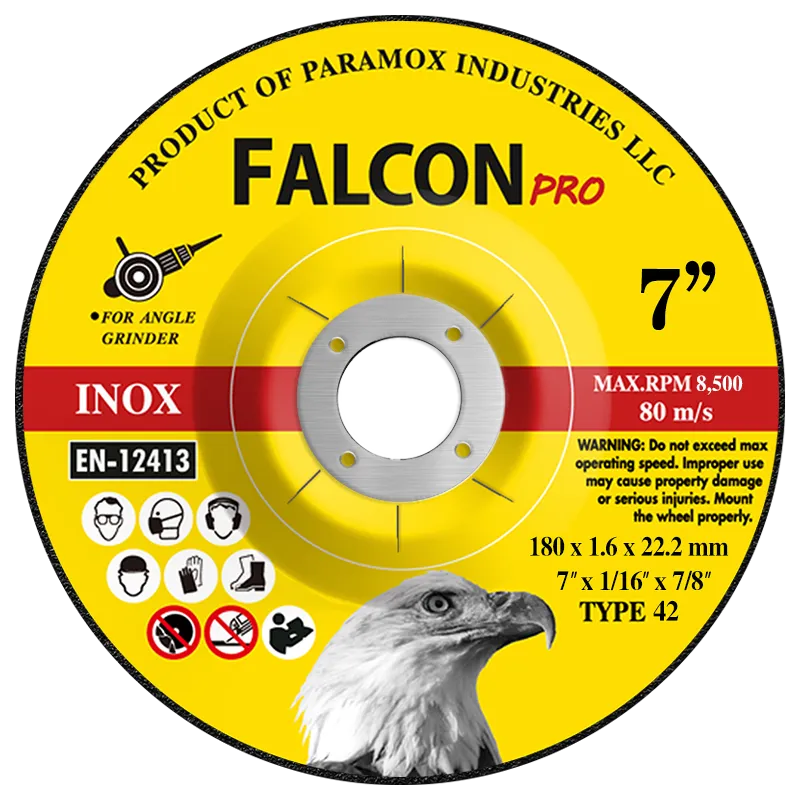
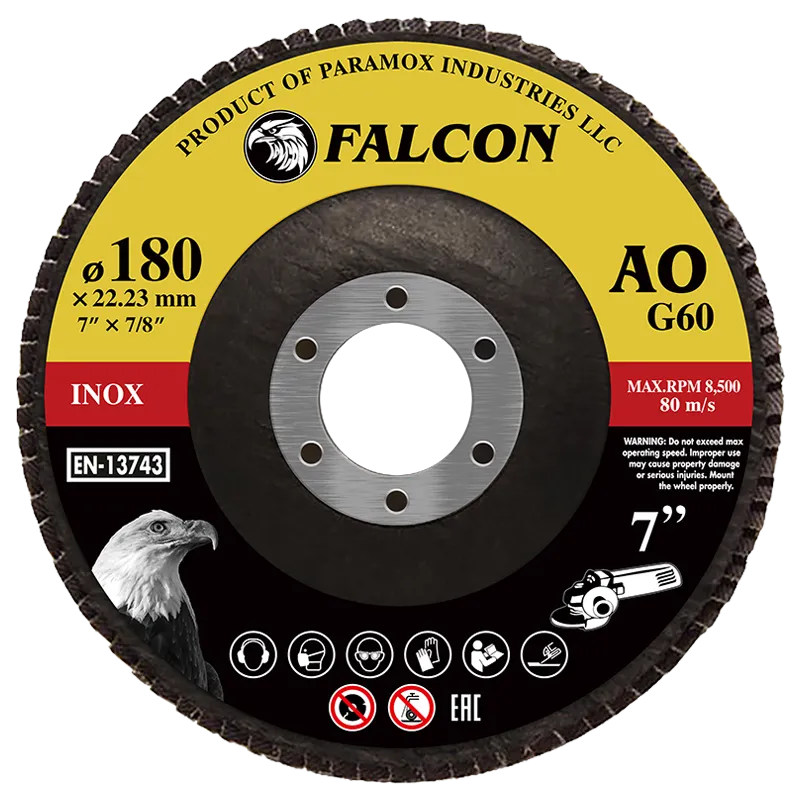
Selecting the appropriate work gloves involves considering the specific requirements of the tasks at hand. Factors such as the type of materials handled, the presence of chemicals, and the risk of abrasions or cuts should guide your choice. For instance, if your operations involve heavy machinery or sharp tools, gloves with enhanced cut resistance and grip, such as those made with Grinding Disc for Inox/stainless steel, will be necessary. Alternatively, tasks involving fine dexterity, like assembly work, may call for thinner, more flexible gloves.

It's also essential to consider the glove's compliance with industry standards and regulations, which can vary by application. Ensuring that the gloves meet relevant safety certifications can help mitigate workplace hazards and ensure worker safety. Before making a decision, assess the typical environments in which the gloves will be used, such as wet or oily conditions, to select gloves with the appropriate grip and waterproofing features.

Frequently Asked Questions

What materials are used in your work gloves?

Our work gloves use durable materials such as reinforced leather, cut-resistant fibers, nitrile or PU coatings, and breathable textiles to balance protection, dexterity, and comfort for industrial tasks.
Yes. We offer gloves with abrasion and cut resistance, reinforced palms, and heat-resistant options designed for high-performance abrasive and grinding applications.
Measure the circumference of your dominant hand at the knuckles. Compare to our size chart for a snug fit that preserves dexterity while ensuring full coverage and protection.
We provide variants with oil-resistant coatings, chemical-resistant linings, and spark-resistant materials. Select gloves labeled for the specific hazard you face in your workplace.
Clean per material: wipe coated gloves, hand-wash textile gloves with mild detergent, air-dry, and inspect regularly for wear or damage. Replace gloves when protective properties are compromised.

Our Blog Posts

A Complete Guide to Choosing the Right Flap Disc for Metal Fabrication

04

Apr

A Complete Guide to Choosing the Right Flap Disc for Metal Fabrication

Quality tools are essential for efficient metalworking, and flap discs are among the most versatile abrasives for grinding, blending, deburring, and surface finishing. Available in different materials, grit sizes, and shapes, the right flap disc can ...
View More
How to Select High-Performance Cut Off Wheels for Industrial Use

05

Sep

How to Select High-Performance Cut Off Wheels for Industrial Use

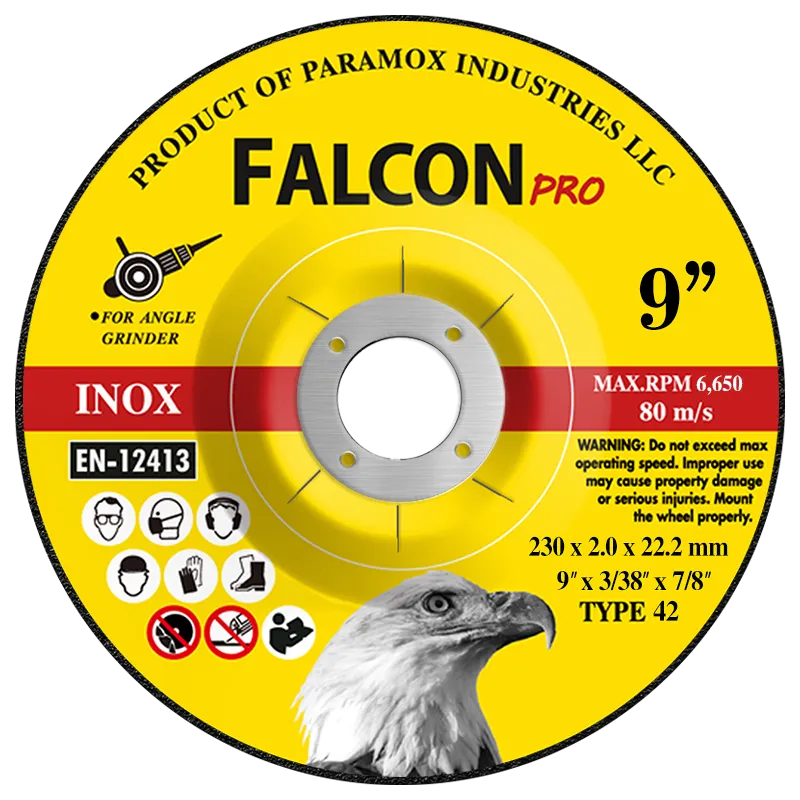
Selecting the right high-performance cut-off wheels for industrial applications is a critical decision. Cut-off wheels are essential industrial consumables widely used for cutting metal, stainless steel and other hard materials. Choosing a suitable c...
View More
How to Extend the Lifespan of Your Cut Off Wheels

11

Oct

How to Extend the Lifespan of Your Cut Off Wheels

Cut-off wheels are essential abrasive tools for industrial cutting applications. They are widely used for cutting metal, concrete, stone, and other hard materials. However, wheel selection and operating methods have a direct impact on cutting perform...
View More
What Are Grinding Wheels Made Of?

13

Aug

What Are Grinding Wheels Made Of?

Grinding wheels are special tools using in many industry. They help grind, cut and polish various material. But what they made of?  Usually grinding wheels comes from mix of things. The main part is abrasive, which can be diamond, aluminum oxide...
View More

Get a Free Quote

Our representative will contact you soon.
Email
Mobile/WhatsApp
Name
Company Name
Country
Customer Type
Estimated Order Quantity
MOQ and Free Sample Policy
Message
0/1000

Related product categories

Specifications and Quality Factors

Specifications and Quality Factors

When evaluating work gloves, there are several specifications and quality factors that buyers should consider:

Material Composition: Common materials include leather for durability, nitrile for chemical resistance, and cotton for comfort. The choice of material affects not only protection but also breathability and comfort.

Thickness and Fit: The glove's thickness can impact protection levels; however, thicker gloves may reduce dexterity. A proper fit is crucial for minimizing slippage and maximizing control during use.

Cuff Style: Cuff styles vary from knit wrist to safety cuffs, impacting how well the gloves stay on during use. A secure cuff can prevent debris from entering the glove and enhance safety.

Certifications: Look for gloves that comply with safety standards such as ANSI/ISEA 105 for cut resistance or EN388 for abrasion resistance. These certifications provide assurance of the gloves' protective capabilities.

Quality Control Processes: Understanding the manufacturer’s quality control measures is vital. Reliable producers often have stringent testing protocols to ensure that their gloves meet specified standards consistently.

Where to Source Reliable Wholesale Work Gloves for Distributors

Where to Source Reliable Wholesale Work Gloves for Distributors

For distributors looking to source work gloves, establishing relationships with reputable manufacturers is critical. Here are some ways to ensure you are partnering with reliable suppliers:

Industry Reputation: Research manufacturers with a strong track record in the safety gear sector. Look for reviews and testimonials from other businesses to gauge reliability.

Certifications and Compliance: Ensure that suppliers hold relevant certifications for their products. This not only reflects the quality of their gloves but also their commitment to safety standards.

Customization Capabilities: Many industries require custom solutions. Inquire about a manufacturer’s ability to provide tailored products, including branding options or specific material combinations.

Minimum Order Quantities (MOQ): Understand the MOQ policies of potential suppliers. This can vary significantly and may impact your purchasing decisions, especially for smaller operations.

Lead Times and Shipping: Discuss lead times and shipping arrangements upfront. Reliable suppliers should provide clear timelines for order fulfillment to help manage inventory effectively.

Material Advantages and Performance

Material Advantages and Performance

The material of work gloves plays a vital role in their performance and suitability for specific tasks. Here are some common materials and their advantages:

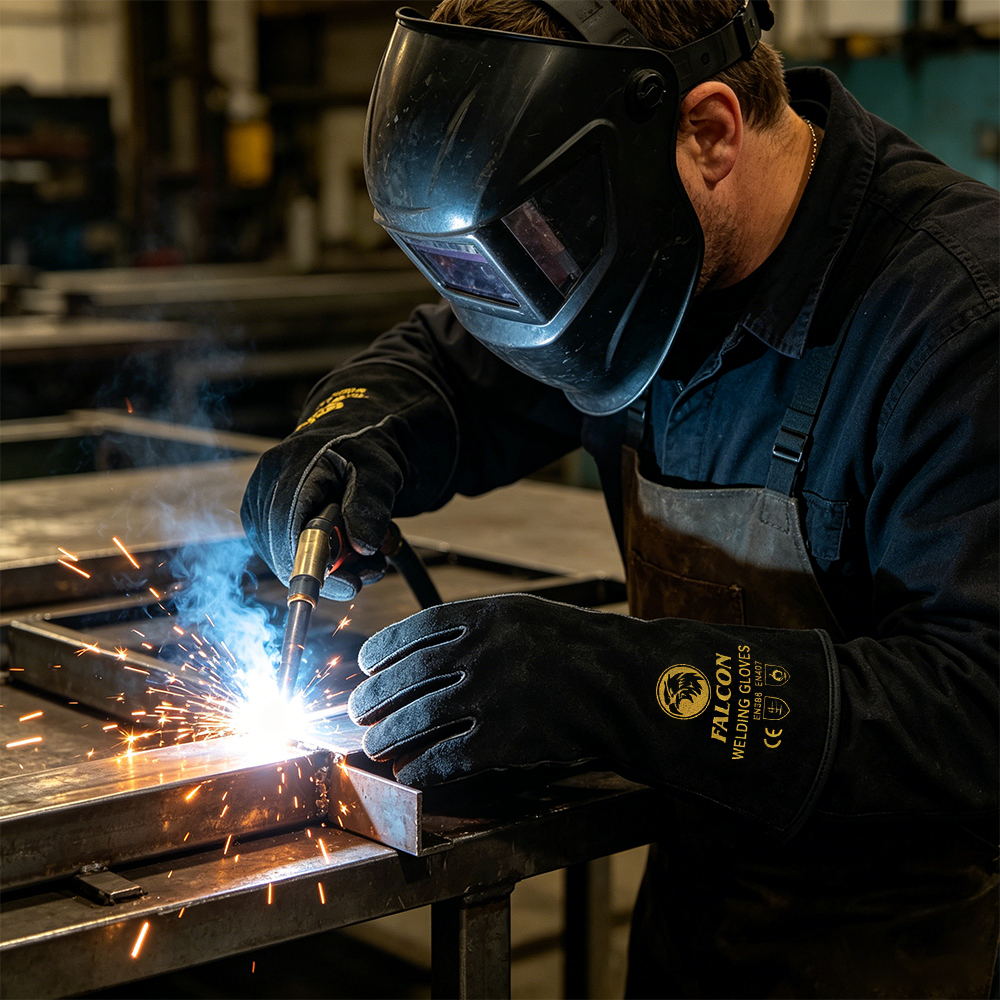
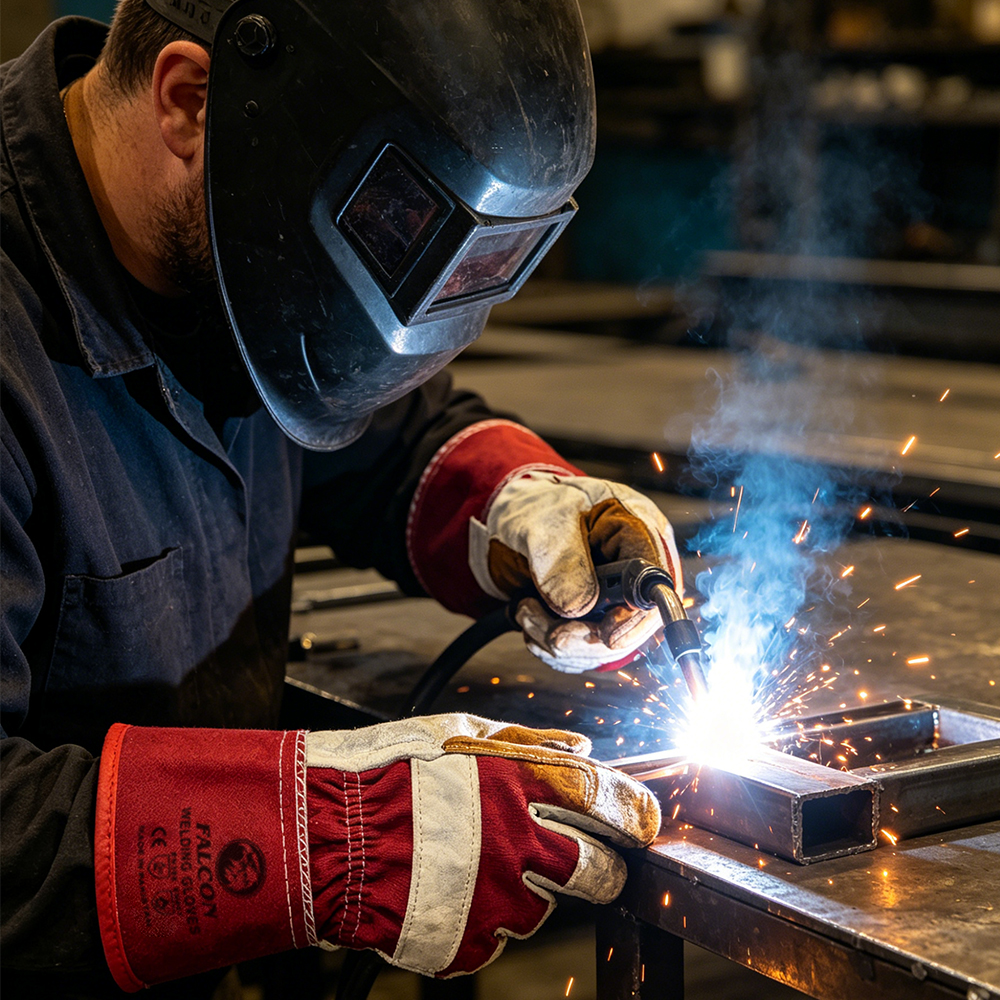
Leather: Known for its durability and abrasion resistance, leather gloves are ideal for heavy-duty applications, such as construction and metal fabrication.

Nitrile: This synthetic rubber offers excellent resistance to oils, chemicals, and punctures, making it suitable for tasks in automotive and manufacturing settings.

Cotton: Often used in lighter applications, cotton gloves provide comfort and breathability. They are commonly used for general handling tasks but may not offer adequate protection against cuts or chemicals.

Polyurethane: This material is lightweight and offers a good grip while maintaining dexterity, making it suitable for tasks requiring precision, such as electronics assembly. Additionally, consider gloves that utilize Grinding Discs for Metal for enhanced performance.

Buyers should evaluate the expected working conditions and select materials that not only provide the necessary protection but also enhance comfort and usability for workers.

Key Features for Industrial Buyers

When purchasing work gloves, certain features can significantly impact their effectiveness and user satisfaction. Here are key features to consider:

Grip: Look for gloves with textured surfaces, which can enhance grip in both dry and wet conditions. Improved grip reduces the risk of accidents and increases operational efficiency.

Flexibility: The ideal glove should allow for free movement of the fingers and hands. This is particularly important in tasks requiring fine motor skills, where flexibility can greatly affect performance.

Puncture Resistance: For industries dealing with sharp materials, puncture-resistant gloves are critical. Ensure that the gloves meet appropriate testing standards for puncture resistance.

Water Resistance: In wet environments, water-resistant gloves can protect hands from moisture and cold, reducing the risk of injuries related to exposure.

Comfort and Breathability: Gloves that incorporate breathable materials can enhance comfort during extended wear, reducing fatigue and improving worker satisfaction.

When evaluating potential glove options, consider conducting wear tests or requesting samples to ensure that the selected gloves meet the specific needs of your application. This approach can help identify any performance issues before committing to a larger order.

By understanding the essential factors related to work gloves, B2B buyers can make informed purchasing decisions that enhance safety and productivity in their operations. For example, using Pro Cutting-off Discs for Stainless Steel can also improve the overall safety of the working environment.

Get a Free Quote

Our representative will contact you soon.
Email
Mobile/WhatsApp
Name
Company Name
Country
Customer Type
Estimated Order Quantity
MOQ and Free Sample Policy
Message
0/1000