EN

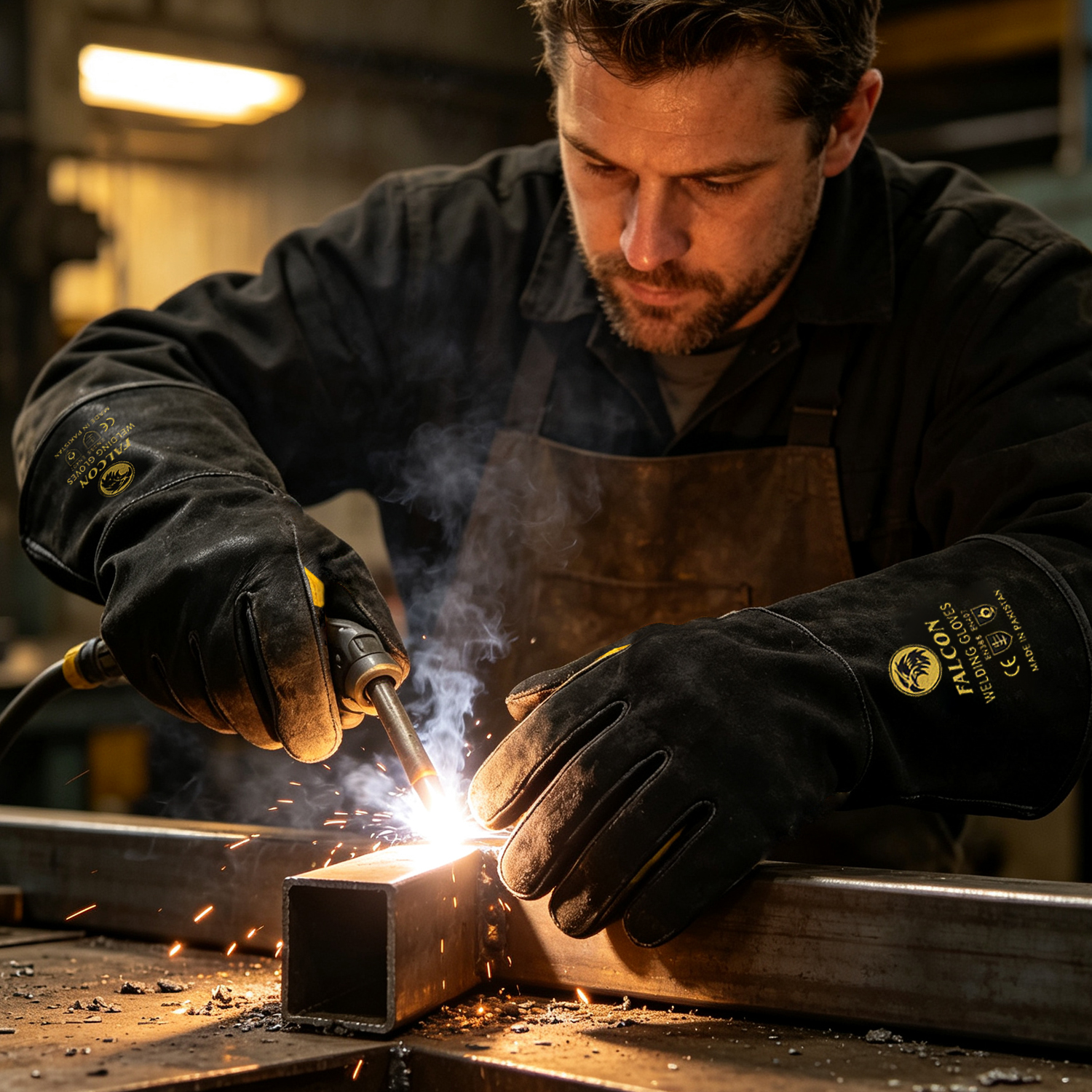
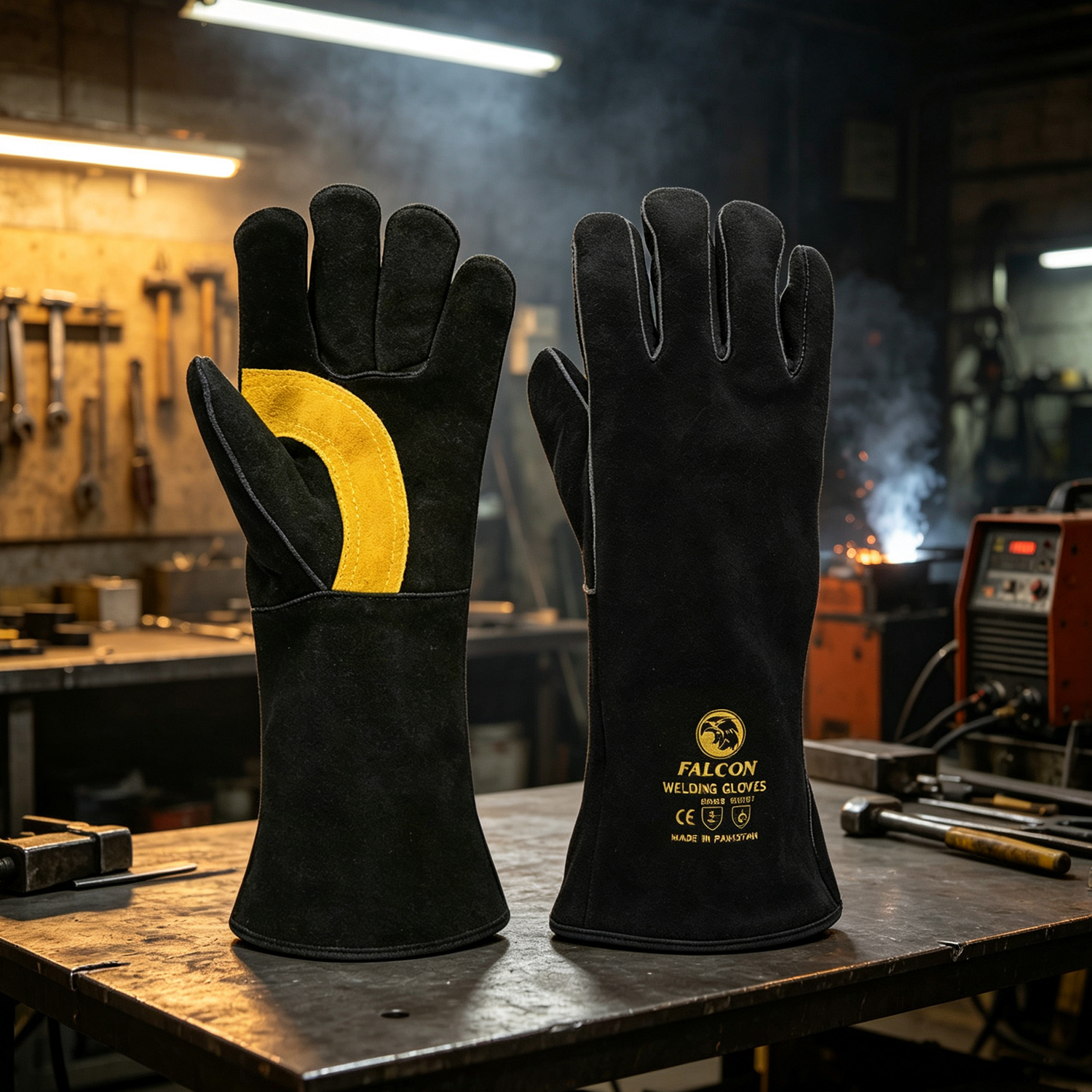
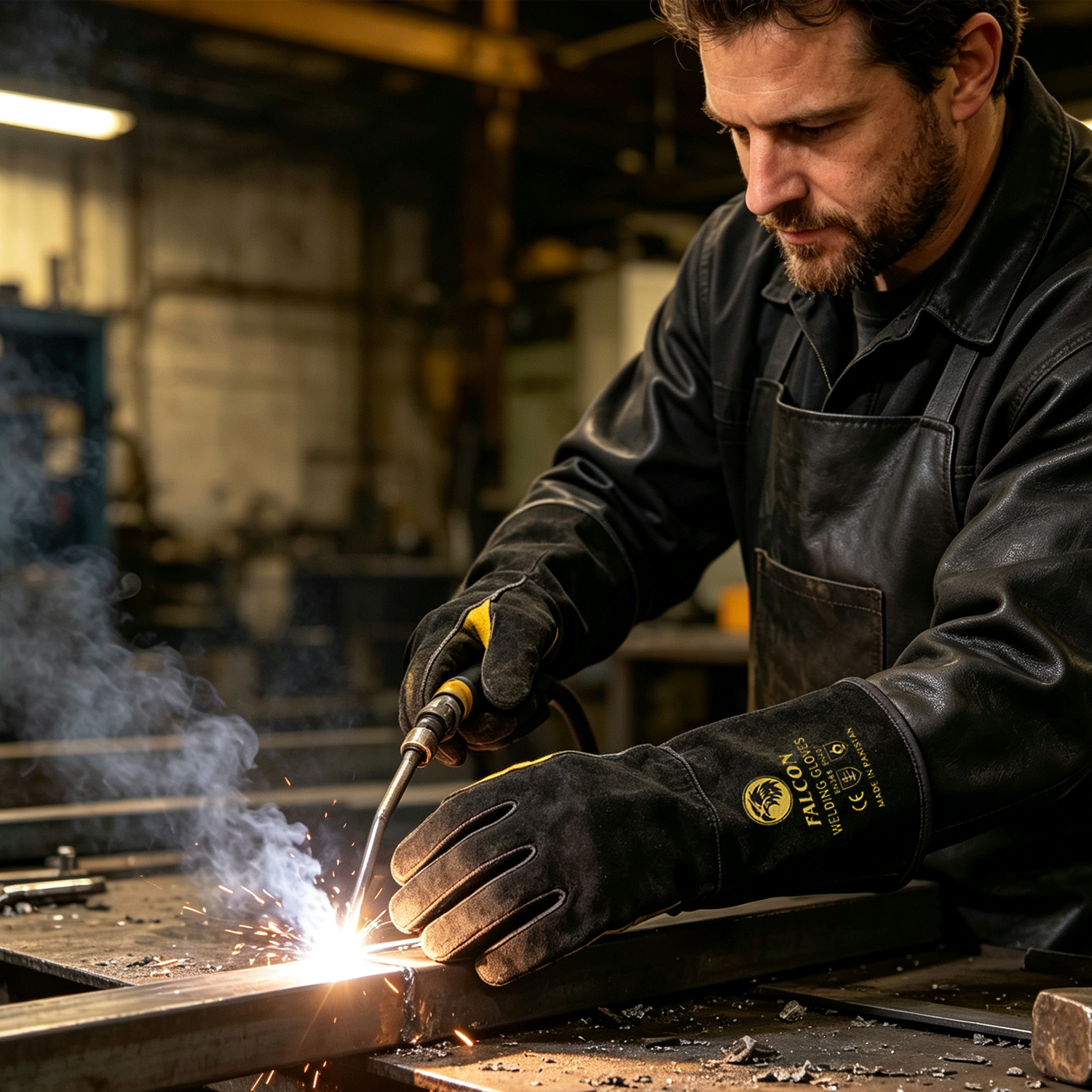
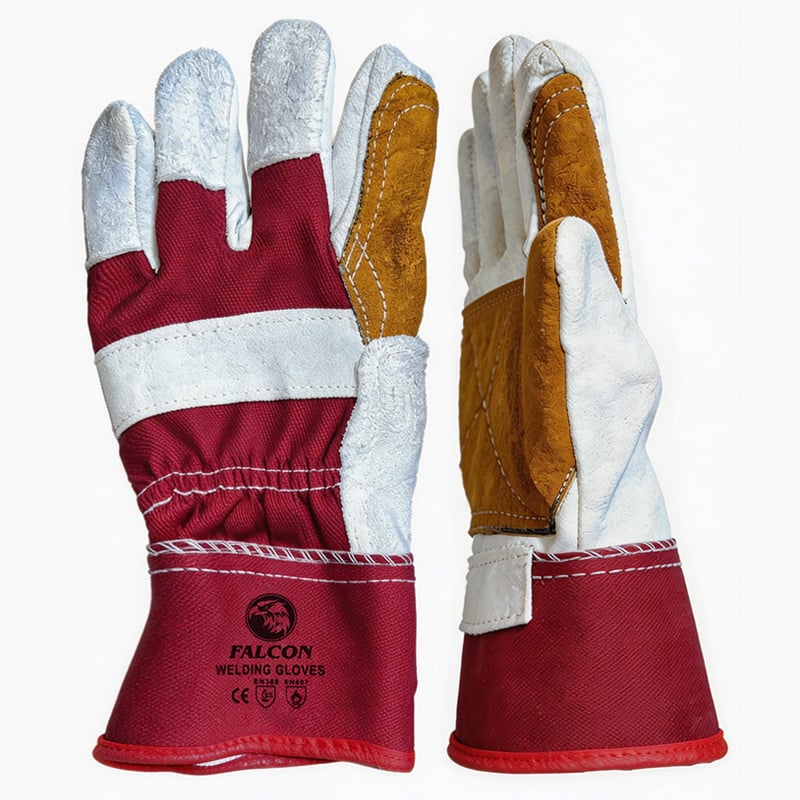
Heat resistant safety gloves are essential protective gear designed to safeguard workers from thermal hazards in various industrial applications. When selecting gloves for high-temperature environments, purchasing managers and safety officers must consider factors such as material composition, performance specifications, and application-specific requirements. This article will provide insights into choosing the right heat resistant safety gloves, key specifications to look for, their benefits, quality evaluation for wholesale, and installation guidance to ensure optimal safety and performance.



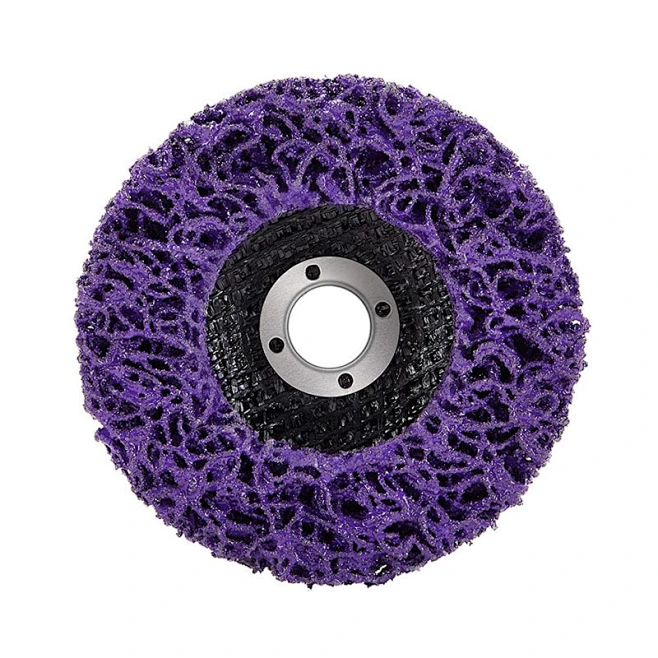

What types of flap discs are there?
Flap discs are one of the most versatile abrasive tools used for grinding, blending, and finishing different materials. Commonly installed on angle grinders, flap discs are made with overlapping abrasive flaps attached to a backing plate. This unique...
View More