Choosing the Best Safety Shoes for Men in B2B

Get a Free Quote

Our representative will contact you soon.
Email
Mobile/WhatsApp
Name
Company Name
Country
Customer Type
Estimated Order Quantity
MOQ and Free Sample Policy
Message
0/1000

Safety shoes for men

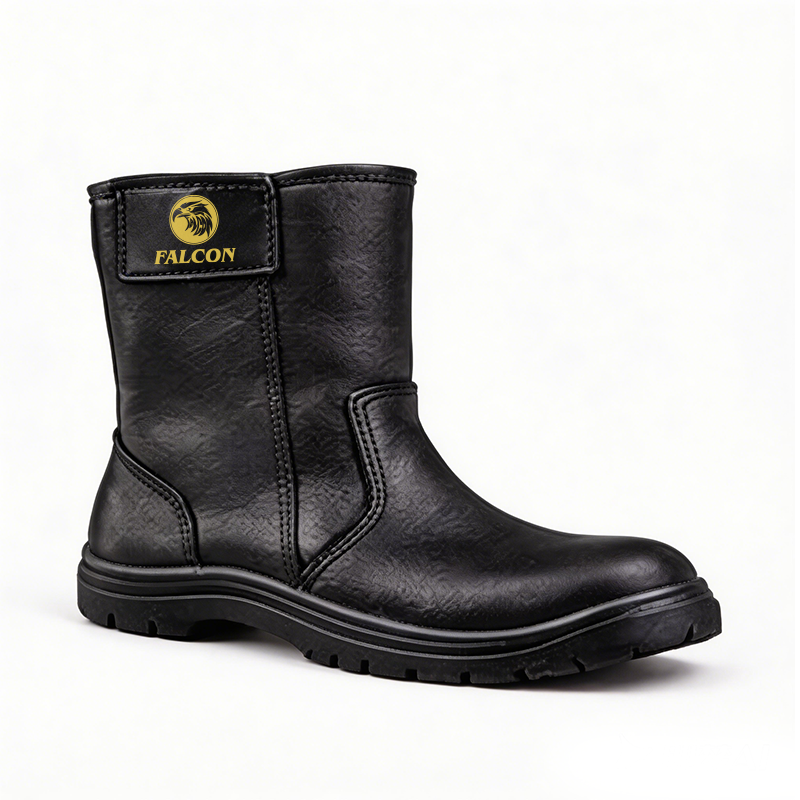
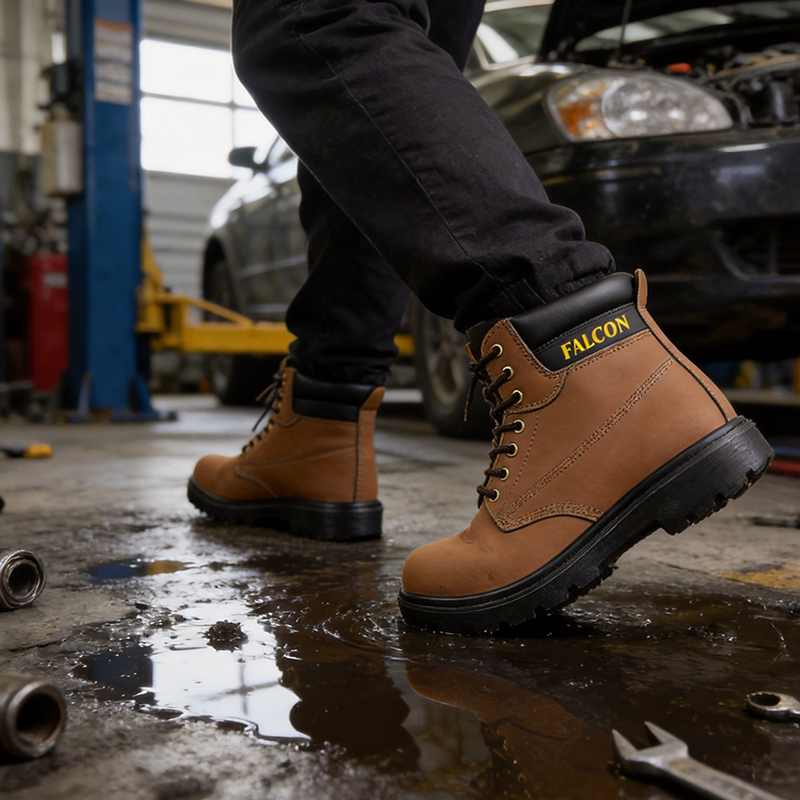
Safety shoes for men are a crucial component of personal protective equipment (PPE) in various industrial applications. They are designed to provide protection against workplace hazards, ensuring that professionals can perform their tasks safely and effectively. Key concerns for B2B buyers typically include compliance with safety standards, durability, comfort, and suitability for specific job environments. This article will guide you through how to evaluate safety shoes, the advantages of different materials, ensuring a proper fit, common issues, and how to choose the best safety helmet for your projects.

Our Products

How to Evaluate Safety Shoes for Men

When evaluating safety shoes for men, begin by checking for compliance with safety standards relevant to your industry, such as ASTM or ISO certifications. These certifications indicate that the shoes have been tested for specific safety features, like impact resistance and slip resistance. 

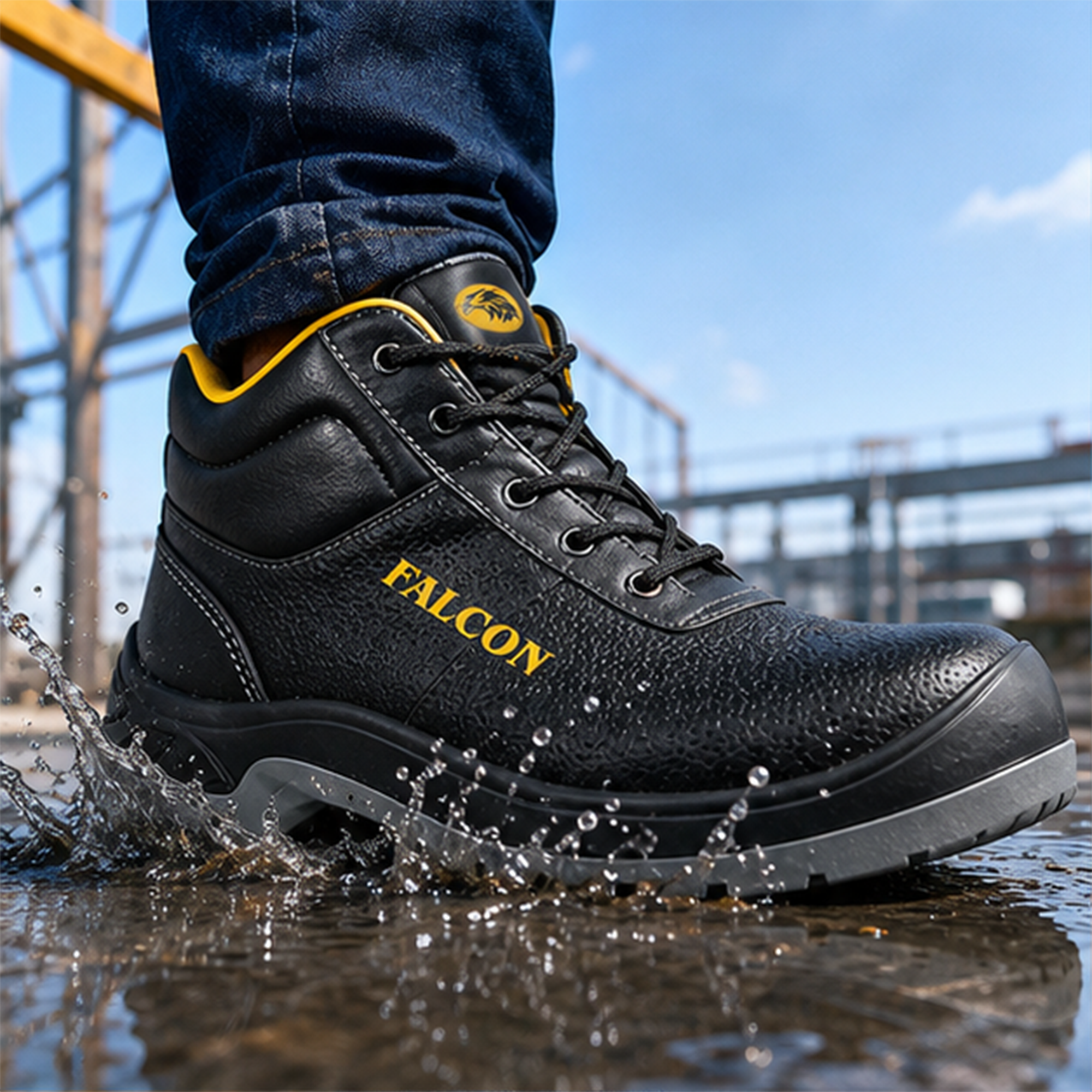
Next, assess the shoe's construction. Look for features such as steel or composite toe caps for impact protection, puncture-resistant soles, and waterproof materials if applicable for your working environment. Additionally, consider the sole's slip resistance, which is critical in environments where wet or oily floors are common. 

Finally, pay attention to the brand’s reputation and customer reviews, as they can provide insights into the shoe's performance and durability over time. Engaging with suppliers who specialize in safety footwear can also provide valuable information on the latest innovations and trends in safety shoe technology.

Frequently Asked Questions

What protection level do these safety shoes offer?

Our safety shoes provide impact-resistant toe protection, slip-resistant soles, and puncture-resistant midsoles designed for industrial environments to meet common workplace safety standards.
Constructed from durable leather, breathable textiles, steel or composite toe caps, anti-perforation midsoles, and oil- and abrasion-resistant outsoles for long-lasting industrial use.
Yes. They are engineered for industrial tasks including grinding and workshop operations, offering heat- and slip-resistant soles plus toe and puncture protection for tool-intensive environments.
Measure foot length and width, consult our size chart, allow room for thicker socks, and choose a snug heel fit to prevent slippage. Contact our support for specific fit guidance.
Clean regularly with a damp cloth, remove debris from soles, apply suitable leather conditioner or waterproofing as recommended, and inspect protective elements periodically for wear.

Our Blog Posts

Can a Masonry Cut Off Wheel Cut Metal?

19

Sep

Can a Masonry Cut Off Wheel Cut Metal?

When selecting an abrasive cutting wheel, it is important to choose a product that is suitable for the material and application. Masonry cut-off wheels are mainly designed for cutting masonry materials such as brick, concrete, stone, and other simila...
View More
What Are Grinding Wheels Made Of?

13

Aug

What Are Grinding Wheels Made Of?

Grinding wheels are special tools using in many industry. They help grind, cut and polish various material. But what they made of?  Usually grinding wheels comes from mix of things. The main part is abrasive, which can be diamond, aluminum oxide...
View More
How to Remove a Stuck Grinding Wheel

12

Jun

How to Remove a Stuck Grinding Wheel

Sometimes when you working with machines, the grinding wheel just refuse to move. It can be really annoying, specially if you in hurry to finish job. If this ever happen to you, no need worry too much! With little patience and correct way, you can re...
View More
Do hard hats expire?

29

Sep

Do hard hats expire?

Hard hats are really important to keep workers safe on construction sites and other places. They protect head from falling things, bumps, and other dangers that happen during work. But many people ask, do hard hats expire? Its good question because&n...
View More

Get a Free Quote

Our representative will contact you soon.
Email
Mobile/WhatsApp
Name
Company Name
Country
Customer Type
Estimated Order Quantity
MOQ and Free Sample Policy
Message
0/1000

Related product categories

Understanding Material Advantages in Safety Shoes for Men

Understanding Material Advantages in Safety Shoes for Men

The materials used in Falcon Global safety shoes significantly impact their performance, comfort, and longevity. Common materials include leather, synthetic fabrics, rubber, and EVA (ethylene-vinyl acetate). 

Leather: Known for its durability and protective qualities, leather is often used in safety shoes for its ability to resist abrasions and cuts. It also provides good insulation against cold and heat, making it suitable for various work environments. 

Synthetic fabrics: These are increasingly popular due to their lightweight nature and breathability. Materials like nylon or polyester can be treated for water resistance and are often less expensive than leather. 

Rubber: Typically used for outsoles, rubber provides excellent traction and is resistant to oils and chemicals, making it ideal for industrial settings. 

EVA: This lightweight material is often found in midsoles, offering cushioning and shock absorption, which enhances comfort during long hours of wear. 

Understanding these material advantages allows buyers to select safety glasses that best match their specific workplace conditions and personal comfort preferences.

Ensuring Proper Fit and Use

Ensuring Proper Fit and Use

A proper fit is essential for maximizing the protective features of safety shoes. To ensure the best fit, consider the following steps: 

Measure foot size: Different brands may have variations in sizing, so always measure your feet and consult the sizing chart provided by the manufacturer.  

Consider sock thickness: When trying on safety shoes, wear the same type of socks you intend to use at work. This will affect the fit and comfort level.  

Check for comfort: Walk around in the shoes to ensure they do not pinch or rub in any areas. The heel should fit snugly without slipping, and the toes should have enough room to move without being cramped. 

Break-in period: Some safety shoes may require a break-in period. It's advisable to wear them for shorter periods initially to allow the material to adjust to the shape of your feet. 

Ensuring a proper fit can significantly reduce the risk of discomfort and foot injuries, allowing workers to focus on their tasks.

Common Problems with Safety Shoes for Men and Their Solutions

Common Problems with Safety Shoes for Men and Their Solutions

Despite their protective features, Falcon Global safety shoes can encounter several common issues: 

Discomfort and Blisters: This often occurs when shoes are not properly fitted or broken in. Solution: Ensure shoes are correctly sized and gradually acclimate your feet to new footwear. 

Wear and Tear: Heavy use can lead to visible wear on soles and materials. Solution: Regularly inspect shoes for signs of damage and replace them as needed to maintain safety standards. 

Moisture and Odor: Shoes can retain moisture, leading to unpleasant odors. Solution: Look for breathable materials and consider using moisture-wicking insoles. Regular cleaning and drying can also help mitigate this issue. 

Insufficient Protection: Sometimes, shoes may not provide adequate protection against specific hazards. Solution: Clearly communicate the work environment's risks to your supplier to ensure you select shoes designed for those conditions. 

By proactively addressing these common problems, buyers can enhance the lifespan and effectiveness of safety shoes.

How to Choose the Best Safety Shoes for Men for Your Projects

Choosing the best Falcon Global safety shoes for men involves several key steps:   

Identify workplace hazards: Understand the specific risks present in your work environment, such as electrical hazards, heavy machinery, or slippery surfaces. 

Determine necessary features: Based on the identified hazards, select shoes with appropriate safety features. For example, if working in an environment where heavy objects are handled, opt for shoes with reinforced toe protection. 

Evaluate comfort and fit: As previously discussed, ensure the shoes fit well and are comfortable for extended use. 

Consider aesthetics and branding: If branding is important for your company, consider shoes that can be customized with your logo or meet your company's color scheme. 

Request samples: Before making a bulk purchase, request samples to test for comfort and fit in actual working conditions. This step can help mitigate risks associated with large orders. 

Consult suppliers: Engage with suppliers who have experience in safety footwear. They can provide tailored recommendations based on your project's specific needs and help streamline the procurement process. 

By following these steps, you can ensure that the safety eye glasses chosen not only comply with necessary safety standards but also support the comfort and productivity of your workforce.

Get a Free Quote

Our representative will contact you soon.
Email
Mobile/WhatsApp
Name
Company Name
Country
Customer Type
Estimated Order Quantity
MOQ and Free Sample Policy
Message
0/1000