Key Considerations for Safety Boots in Industries

Get a Free Quote

Our representative will contact you soon.
Email
Mobile/WhatsApp
Name
Company Name
Country
Customer Type
Estimated Order Quantity
MOQ and Free Sample Policy
Message
0/1000

Safety boots

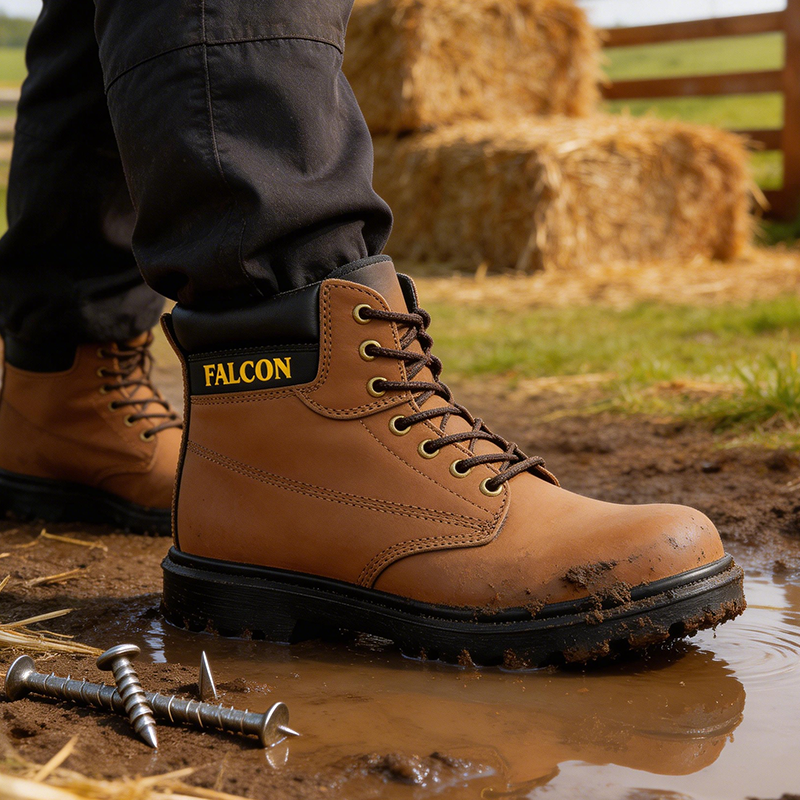
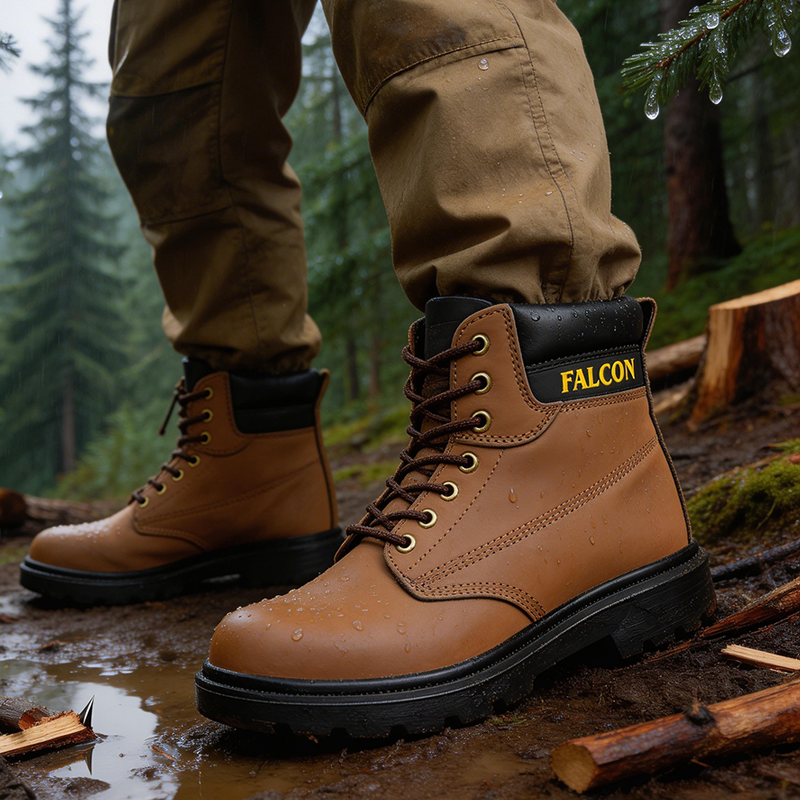
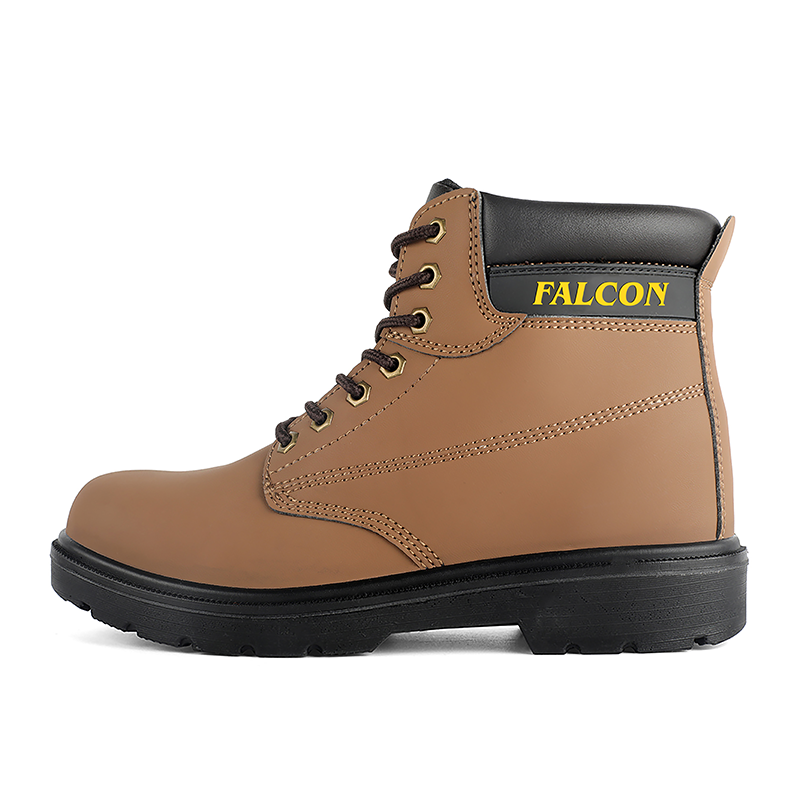
Safety boots are essential protective footwear designed to safeguard workers in various industrial environments. The selection of appropriate safety boots is critical for purchasing managers and safety officers, as these boots not only protect against physical hazards but also enhance comfort during long working hours. This article will address key considerations for selecting safety boots, focusing on specifications, materials, installation guidance, cost factors for bulk purchases, and their applications across diverse industries.

Our Products

Key Specifications to Consider in Safety Boot Selection

When evaluating safety boots or construction work boots, several specifications are vital to ensuring they meet workplace safety standards and user needs. Key specifications include:

Toe Protection: Safety boots often feature reinforced toe caps made from steel, aluminum, or composite materials. The choice of material can impact weight, comfort, and protection level. Steel caps provide maximum protection but are heavier, while composite options are lightweight and non-conductive, making them suitable for electrical work.

Sole Construction: The outsole material affects slip resistance, durability, and shock absorption. Rubber soles offer excellent grip on various surfaces, while polyurethane soles provide lightweight comfort and flexibility. Consider the working environment when selecting sole materials, as some may be better suited for slippery or rugged terrains.

Water Resistance: Depending on the application, a waterproof or water-resistant upper material is crucial. Look for boots with breathable membranes to prevent moisture buildup while keeping feet dry.

Height and Fit: Safety boots come in various heights (ankle, mid-calf, etc.) and fits. Ensure the selected height provides adequate protection for the specific job. A proper fit is essential for comfort and mobility, so consider trying different sizes or styles.

Electrical Hazard Protection: For jobs involving electrical hazards, choose boots with electrical hazard (EH) ratings to ensure safety against electrical shocks.

These specifications should be validated against the specific risks associated with the intended work environment.

Frequently Asked Questions

What protection do these safety boots provide?

Our safety boots offer toe impact protection, puncture-resistant soles, slip resistance, and electrical hazard insulation tailored for industrial environments.
We use high-grade leather, reinforced composites or steel toes, anti-penetration mid-soles, and durable rubber outsoles manufactured to industrial performance standards.
Yes. They are engineered for abrasive and heavy-duty workshop conditions with heat, oil and slip resistance to complement grinding and tooling operations.
Select your usual work shoe size, allow room for socks, and consult our size chart. For narrow or wide feet, consider one size up or our width options for secure fit.
Clean regularly, remove debris, apply conditioner for leather, dry at room temperature, inspect soles and safety components, and replace if protective elements are compromised.

Our Blog Posts

What types of flap discs are there?

14

Mar

What types of flap discs are there?

Flap discs are one of the most versatile abrasive tools used for grinding, blending, and finishing different materials. Commonly installed on angle grinders, flap discs are made with overlapping abrasive flaps attached to a backing plate. This unique...
View More
How to Select High-Performance Cut Off Wheels for Industrial Use

05

Sep

How to Select High-Performance Cut Off Wheels for Industrial Use

Selecting the right high-performance cut-off wheels for industrial applications is a critical decision. Cut-off wheels are essential industrial consumables widely used for cutting metal, stainless steel and other hard materials. Choosing a suitable c...
View More
Common Uses of Fiber Discs in Metalworking

01

Aug

Common Uses of Fiber Discs in Metalworking

Fiber discs are really important tools in metalworking. They are round shape discs made from strong stuff and covered with abrasive grains. These discs get used on grinders or sanders machines to smooth, shape, and polish metal surfaces. Peoples who ...
View More
What Is a Grinding Wheel & What Are Its Types?

07

Aug

What Is a Grinding Wheel & What Are Its Types?

A grinding wheel is a very important tool in lots of industries. It help to shape, grind and polish things like metal, wood or stone. These wheels are round discs make from hard stuff and use with grinder machines. They can be really tough and cut th...
View More

Get a Free Quote

Our representative will contact you soon.
Email
Mobile/WhatsApp
Name
Company Name
Country
Customer Type
Estimated Order Quantity
MOQ and Free Sample Policy
Message
0/1000

Related product categories

Understanding Material Advantages in Safety Boot Manufacturing

Understanding Material Advantages in Safety Boot Manufacturing

The choice of materials in safety boot manufacturing can significantly influence performance, comfort, and durability. Common materials include:

Leather: A traditional choice for durability and comfort, leather offers excellent abrasion resistance. However, it may require additional treatments for water resistance.

Synthetic Fabrics: Materials like nylon or polyester are often used for lightweight and breathable designs. They can be treated for waterproofing and are typically easier to clean, making them popular in many industries.

Rubber and Thermoplastic Polyurethane (TPU): These materials are commonly used for outsoles due to their excellent traction and durability. TPU, in particular, is noted for its flexibility and resistance to oil and chemicals.

Composite Materials: Used in reinforcing toe caps and midsoles, composite materials provide lightweight protection while being non-metallic, which is advantageous in environments with metal detectors.

Understanding these material properties helps buyers select safety boots that not only meet safety requirements but also enhance worker comfort and performance.

Installation Guidance for Effective Use of Safety Boots

Installation Guidance for Effective Use of Safety Boots

Proper installation and usage of safety boots or  composite safety shoes are critical for maximizing their protective capabilities. Here are some practical guidelines:

Breaking Them In: New safety boots may require a break-in period. Encourage users to wear them in a safe environment to adjust to the fit and feel before deploying them in high-risk areas.

Lacing and Adjustments: Ensure boots are laced correctly for a snug fit without being overly tight. Proper lacing techniques can help prevent blisters and provide better ankle support.

Regular Inspection: Users should inspect their boots regularly for signs of wear, such as cracks in the sole or damage to the upper material. Regular maintenance can extend the life of the footwear and maintain protective features.

Cleaning and Care: Depending on the material, cleaning methods will vary. Leather boots should be conditioned periodically, while synthetic materials might require simple soap and water cleaning. Proper care enhances longevity and performance over time.

Replacement Schedule: Establish a schedule for replacing safety boots based on usage and wear. Boots that show significant signs of wear or damage should be replaced promptly to ensure ongoing safety.

Cost Factors to Consider When Buying Safety Boots in Bulk

Cost Factors to Consider When Buying Safety Boots in Bulk

When purchasing safety boots in bulk, several cost factors need to be considered:

Volume Discounts: Many suppliers offer discounts for large orders. Buyers should inquire about tiered pricing structures based on quantity to maximize savings.

Customization Costs: Custom safety boots may incur additional costs. Factors such as logos, specific color requirements, or specialized features can impact the price. Clear communication of needs during the quotation process can help manage expectations.

Shipping and Handling: Bulk orders often have specific shipping requirements. Understand the shipping costs involved and consider the total landed cost, which includes shipping, handling, and any applicable tariffs.

Quality Assurance: Investing in higher-quality safety boots may lead to lower replacement rates and better employee satisfaction. While initial costs may be higher, the long-term savings from reduced injury claims and enhanced productivity can outweigh the upfront expenses.

Warranty and After-Sale Support: Evaluate the warranty offered by the manufacturer. A robust warranty can provide peace of mind regarding the quality and durability of the boots.

By considering these factors, purchasing managers can make informed decisions that balance upfront costs with long-term value.

Applications of Safety Boots Across Various Industries

Safety boots are utilized in numerous industries, each presenting unique challenges and requirements. Some common applications include:

Construction: In this sector, safety boots are essential for protecting against falling objects and sharp materials. Reinforced toe caps and slip-resistant soles are crucial for worker safety on job sites.

Manufacturing: Workers in manufacturing environments often face exposure to heavy machinery and potential hazards. Safety boots with steel toe protection and heat-resistant materials are frequently required.

Oil and Gas: Personnel in the oil and gas industry often work in harsh conditions where specialized safety boots with chemical resistance and electrical hazard protection are necessary.

Warehousing and Logistics: In warehouses, safety boots must provide comfort for long hours of standing while also offering protection from heavy items and potential slips.

Food Processing: In food and beverage industries, safety boots must comply with hygiene standards and often require features like waterproofing and easy cleaning.

Understanding the specific applications and the associated risks allows buyers to select safety boots or casual work shoes tailored to their industry, ensuring optimal protection and comfort for employees.

Get a Free Quote

Our representative will contact you soon.
Email
Mobile/WhatsApp
Name
Company Name
Country
Customer Type
Estimated Order Quantity
MOQ and Free Sample Policy
Message
0/1000