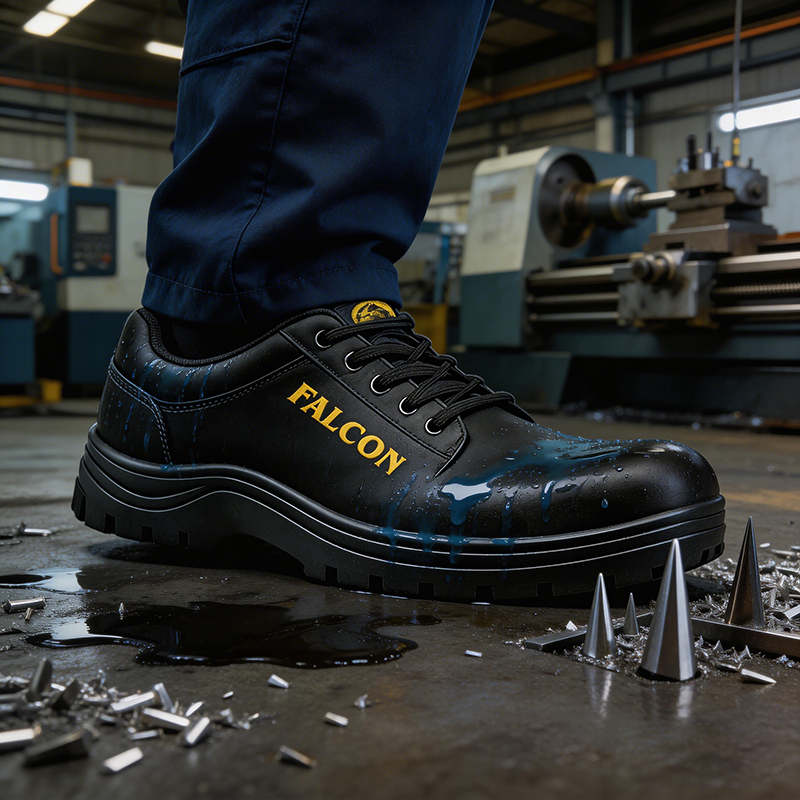
Essential Considerations for Sourcing Work Shoes

Get a Free Quote

Our representative will contact you soon.
Email
Mobile/WhatsApp
Name
Company Name
Country
Customer Type
Estimated Order Quantity
MOQ and Free Sample Policy
Message
0/1000

Work shoes

Work shoes are essential safety gear in industrial environments, providing necessary protection and comfort for employees. When purchasing work shoes in bulk, B2B buyers must consider various factors, including material quality, compliance with safety standards, and the specific needs of their workforce. This article will guide purchasing managers, distributors, and other industry professionals through essential considerations when sourcing work shoes, ensuring a well-informed decision that enhances workplace safety and employee satisfaction. 
Key Considerations for Bulk Buyers

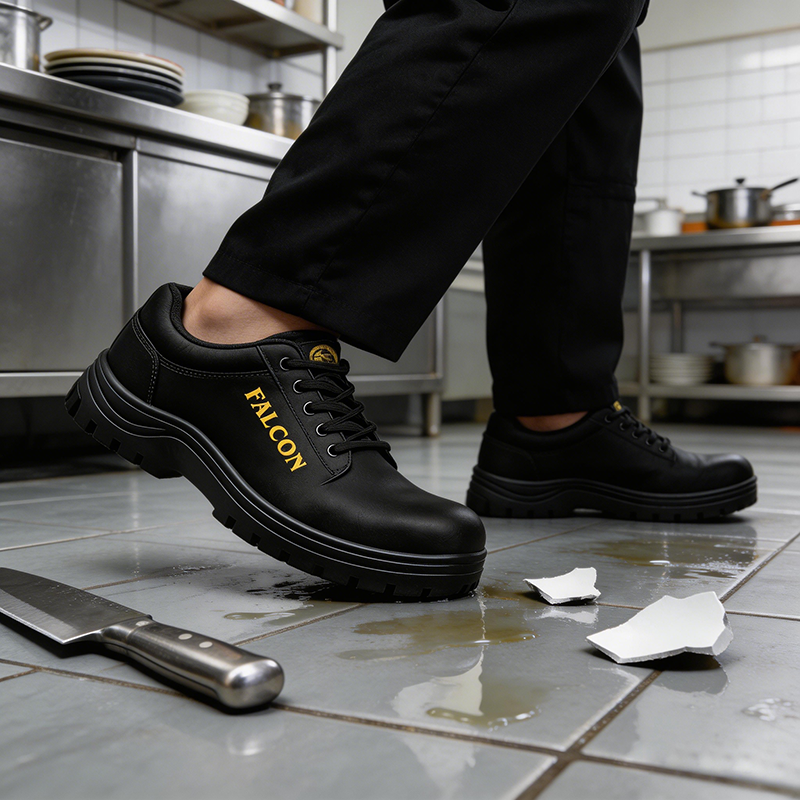
When buying work shoes in bulk, several key factors should be considered to ensure the right choice for your team. First, assess the specific needs of your workforce, including the types of hazards they face and their work environment. For example, if employees are exposed to wet conditions, waterproof materials might be essential. 

Next, consider the certifications that the work shoes must meet. Look for compliance with relevant industry safety standards, such as ASTM or ISO specifications, which ensure that the Workwear shoes provide adequate protection against slips, punctures, and electrical hazards. Additionally, understanding the minimum order quantities (MOQ) and lead times can help you plan your procurement process effectively. 

Lastly, evaluate the supplier’s customization capabilities. Customizing work shoes, whether through specific sizing, branding, or additional protective features, can enhance employee comfort and company branding. A reliable supplier, like Falcon Global / Tools Safety, can provide insights into customization options based on their manufacturing capabilities. 

Frequently Asked Questions

What safety features do your work shoes include?

Our work shoes feature steel toe caps, anti-puncture midsoles, oil- and slip-resistant outsoles, and heat-resistant materials to protect against common industrial hazards.
Yes. Our footwear is designed to meet major industrial safety standards for impact, compression, and slip resistance used in manufacturing and construction.
We use reinforced leather or synthetic uppers, breathable linings, steel or composite toes, puncture-resistant midsoles, and durable rubber or polyurethane outsoles.
Certain models use heat-resistant soles and materials rated for elevated temperatures; check the model specifications for exact temperature limits.
We provide full sizing charts and suggest ordering true size with protective socks. Clean with mild soap, air dry, and apply conditioner for leather to extend lifespan.

Our Blog Posts

Can You Use a Cut Off Wheel on Aluminum?

08

Oct

Can You Use a Cut Off Wheel on Aluminum?

When processing metals, selecting suitable power-tool accessories is essential, and the cut-off wheel is one of the most widely-used options. These abrasive discs work across multiple materials, yet many users question whether they deliver safe, high...
View More
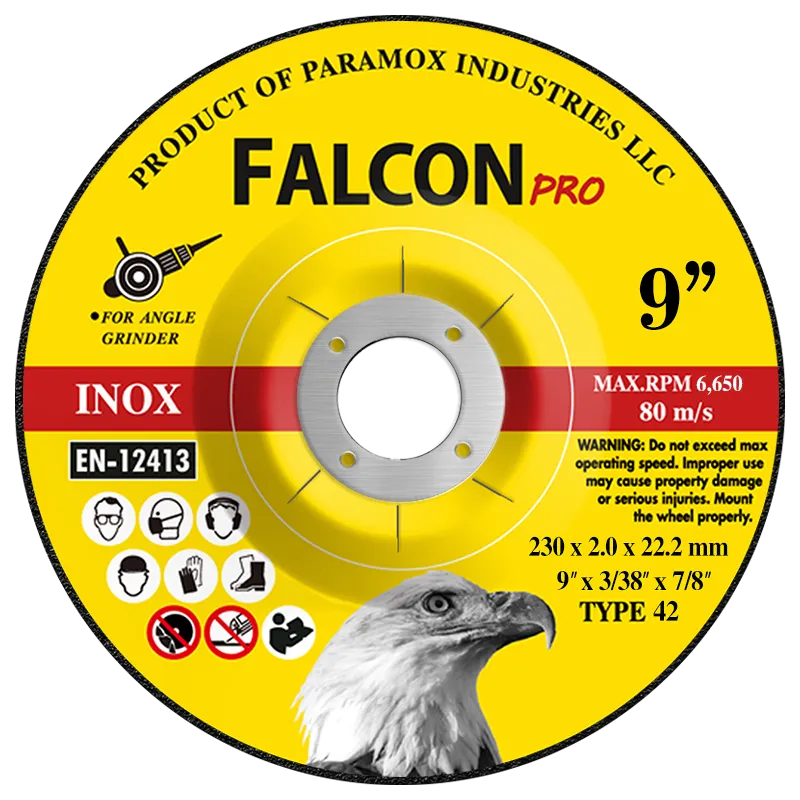
How to Select High-Performance Cut Off Wheels for Industrial Use

05

Sep

How to Select High-Performance Cut Off Wheels for Industrial Use

Selecting the right high-performance cut-off wheels for industrial applications is a critical decision. Cut-off wheels are essential industrial consumables widely used for cutting metal, stainless steel and other hard materials. Choosing a suitable c...
View More
What Is a Fiber Disc & How Does It Work?

29

Jul

What Is a Fiber Disc & How Does It Work?

Fiber discs are really important tools in lots of industries, specially manufacturing and construction. They made from strong stuff and good for sanding, grinding, or polishing surfaces. You put them on machine, they spin fast and smooth rough edges ...
View More
How to Choose Between Cut Off Wheels and Grinding Wheels

14

May

How to Choose Between Cut Off Wheels and Grinding Wheels

Choosing between cut-off wheels and grinding wheels can be confusing in the begining, but once you understand their differences it will helps you pick the right one for your project. Cut-off wheels they are thin and made to slice materials like metal...
View More

Get a Free Quote

Our representative will contact you soon.
Email
Mobile/WhatsApp
Name
Company Name
Country
Customer Type
Estimated Order Quantity
MOQ and Free Sample Policy
Message
0/1000

Related product categories

How to Evaluate the Quality of Work Shoes for Your Team

How to Evaluate the Quality of Work Shoes for Your Team

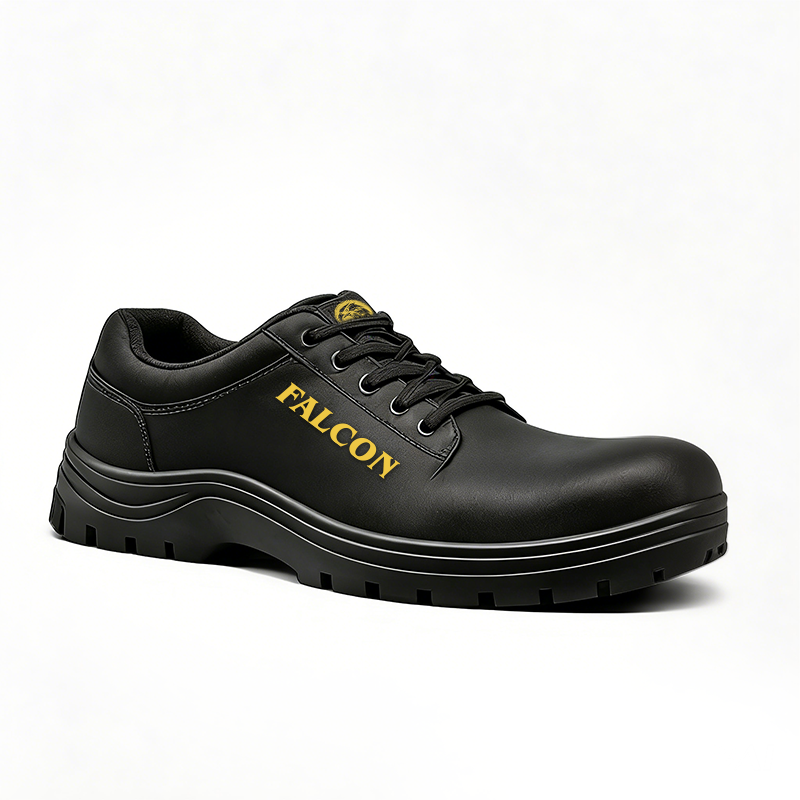
Quality evaluation of work shoes involves inspecting several critical specifications. Start by examining the materials used in the shoe's construction. High-quality leather or synthetic materials often provide durability and comfort, while specialized soles made from rubber or composite materials can offer better slip resistance and grip. 

Another crucial aspect is the shoe's construction method. Goodyear-welted shoes, for example, allow for resoling, which can extend the life of the footwear and provide better overall value. Look for detailed product descriptions that include information on breathability, cushioning, and shock absorption, as these features significantly impact comfort during long hours of wear. 

It's also advisable to request samples before placing a large order. Testing samples in real working conditions can reveal how well the shoes perform and whether they meet your team’s specific requirements. This step is vital in avoiding common pitfalls, such as selecting Silicon Carbide shoes that look good on paper but do not perform well in practice. 

Installation Guidance for Optimal Use of Work Shoes in the Field

Installation Guidance for Optimal Use of Work Shoes in the Field

While work shoes do not require extensive installation, proper fitting and usage are essential for optimal performance in the field. Begin by ensuring that all employees are fitted correctly. A poor fit can lead to discomfort, reduced productivity, and even injury. Encourage employees to try on various sizes and styles, as different brands may have varying sizing standards. 

Educate your team about the importance of maintaining their work shoes. Regular cleaning and conditioning of leather shoes, for example, can prolong their life and maintain their protective qualities. Provide guidance on when to replace shoes, especially if there are visible signs of wear such as sole separation, reduced tread, or compromised waterproofing. 

Lastly, implement a routine inspection process. Encourage employees to report any issues with their footwear promptly. Addressing problems early can prevent accidents and ensure that all team members are equipped with reliable protective gear. 

Comparing Material Advantages of Work Shoes for Safety and Comfor

Comparing Material Advantages of Work Shoes for Safety and Comfor

The material used in work shoes greatly influences both safety and comfort. Leather is known for its durability and ability to mold to the foot over time, providing a comfortable fit. It also offers good protection against cuts and abrasions. However, it may not be the best choice for wet environments unless treated for waterproofing. 

Synthetic materials, on the other hand, can be engineered for specific applications, offering benefits such as increased breathability and lighter weight. These materials often incorporate features like moisture-wicking linings or padded insoles that enhance comfort during prolonged wear. Composite materials, commonly used in safety toe caps, provide excellent protection without the added weight of steel, making them ideal for workers who require lightweight footwear. 

When selecting materials, consider the specific application and environment of your workforce. For instance, if employees work in hot conditions, breathable mesh panels might be advantageous. Conversely, if the work environment involves exposure to chemicals, look for shoes made from chemical-resistant materials. 

Application Scenarios for Work Shoes in Various Industrial Settings

Different industrial environments require specific types of work shoes tailored to their unique challenges. In construction and manufacturing, steel-toed boots are often necessary to protect against heavy objects and falling debris. Shoes with slip-resistant soles are essential in environments where spills may occur, such as food processing or maintenance operations. 

In healthcare settings, non-slip shoes are crucial to prevent accidents on slippery floors. Furthermore, these shoes should be easy to clean and resistant to microbial growth. In contrast, the automotive industry may prioritize shoes with puncture-resistant soles to protect workers from sharp objects in the workshop. 

For outdoor work, such as landscaping or utility maintenance, waterproof and insulated footwear is essential to keep workers comfortable in varying weather conditions. Identifying the specific needs of your industry will help you choose the most suitable Work Shoes for your team, enhancing safety and productivity. 

By understanding these key aspects of work shoes, B2B buyers can make informed decisions that not only meet safety standards but also support employee comfort and satisfaction in various industrial settings. 

Get a Free Quote

Our representative will contact you soon.
Email
Mobile/WhatsApp
Name
Company Name
Country
Customer Type
Estimated Order Quantity
MOQ and Free Sample Policy
Message
0/1000