EN

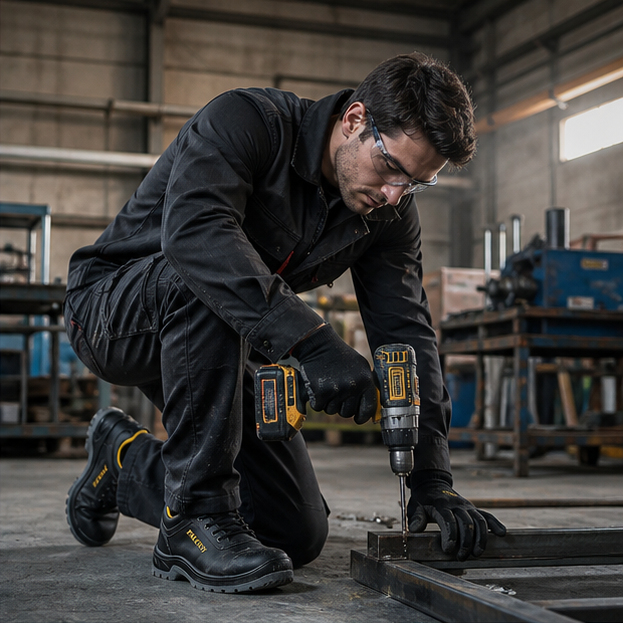
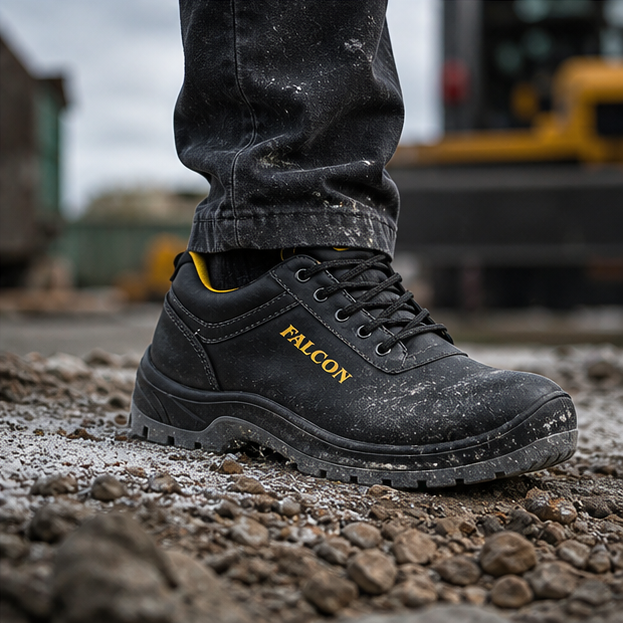
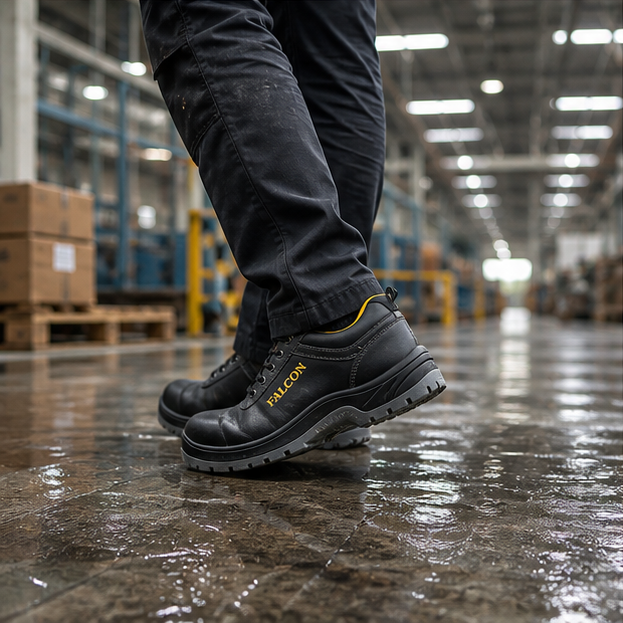
When considering the procurement of sports safety shoes for industrial or athletic applications, it's essential to understand their unique features, specifications, and the contexts in which they will be used. Work Shoes safety shoes are designed to provide protection, comfort, and performance, addressing various buyer concerns such as durability, compliance with safety standards, and suitability for specific work environments. This article will guide purchasing managers, distributors, and product managers through the critical aspects of sourcing sports safety shoes effectively.


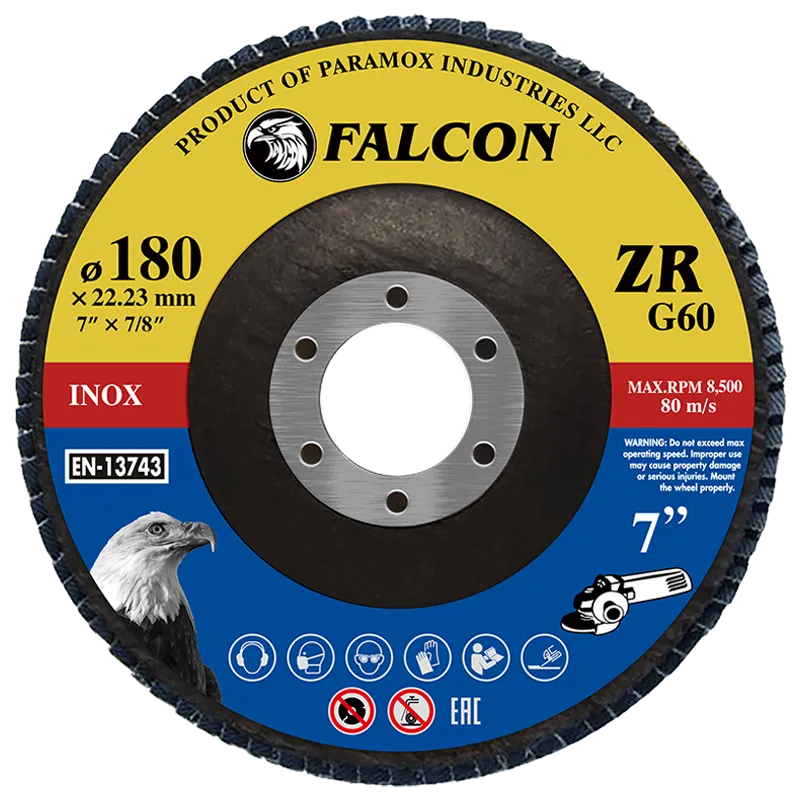
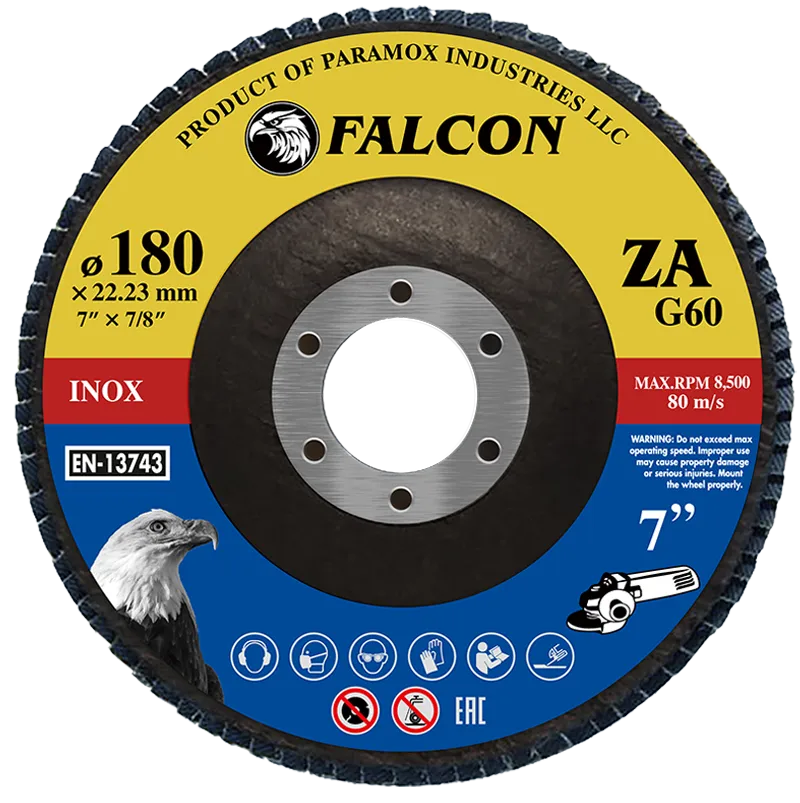
Industrial Flap Discs: Quality Standards for Heavy-Duty Applications
Industrial flap discs play a critical role in heavy-duty metal fabrication, manufacturing, and surface preparation industries. Designed for grinding, blending, deburring, and finishing operations, high-quality flap discs provide consistent performanc...
View More