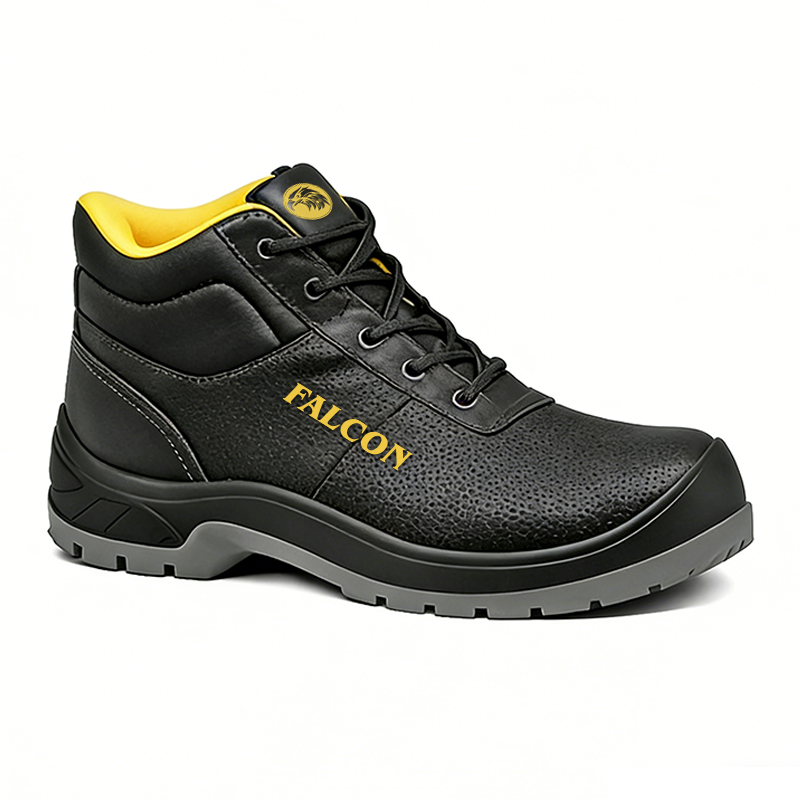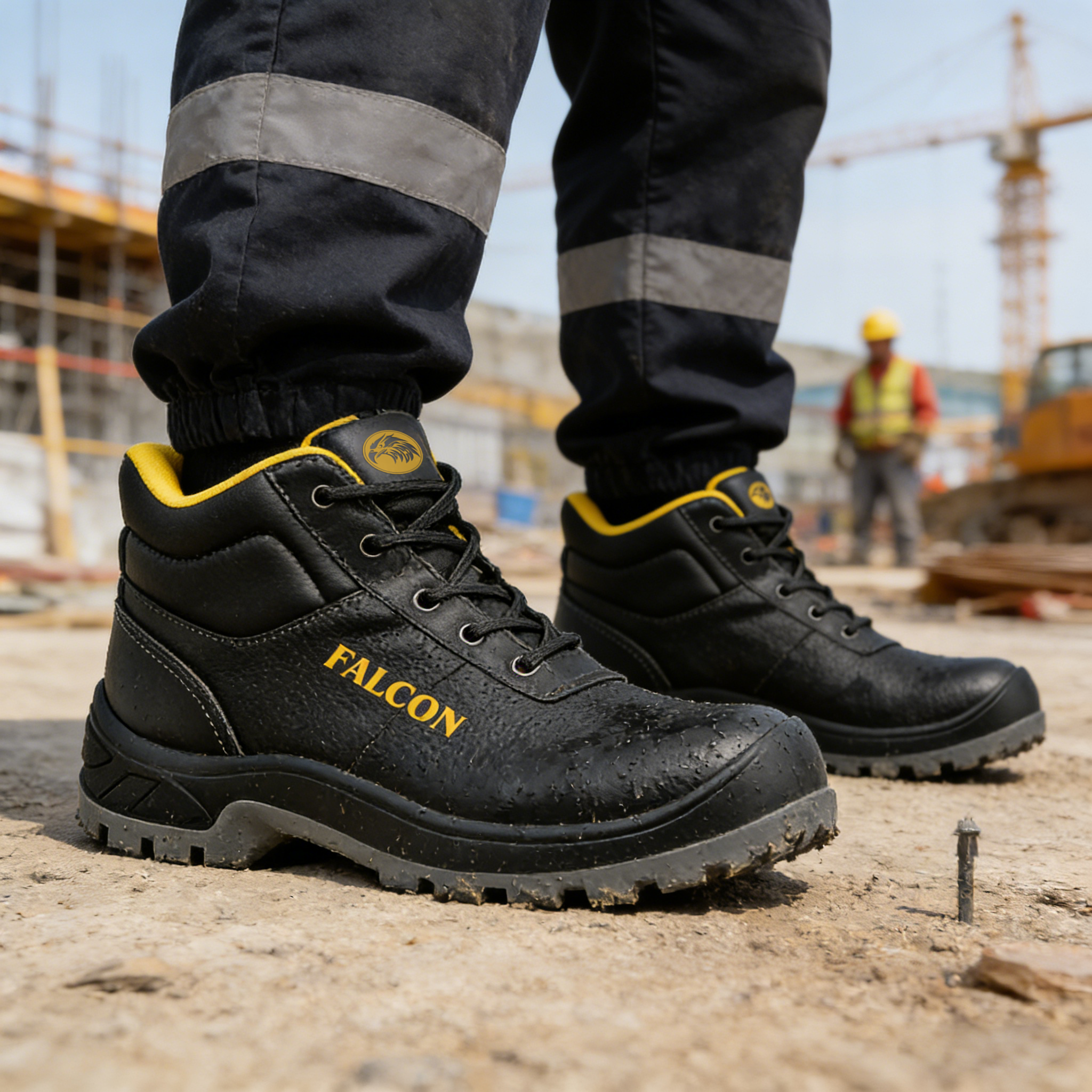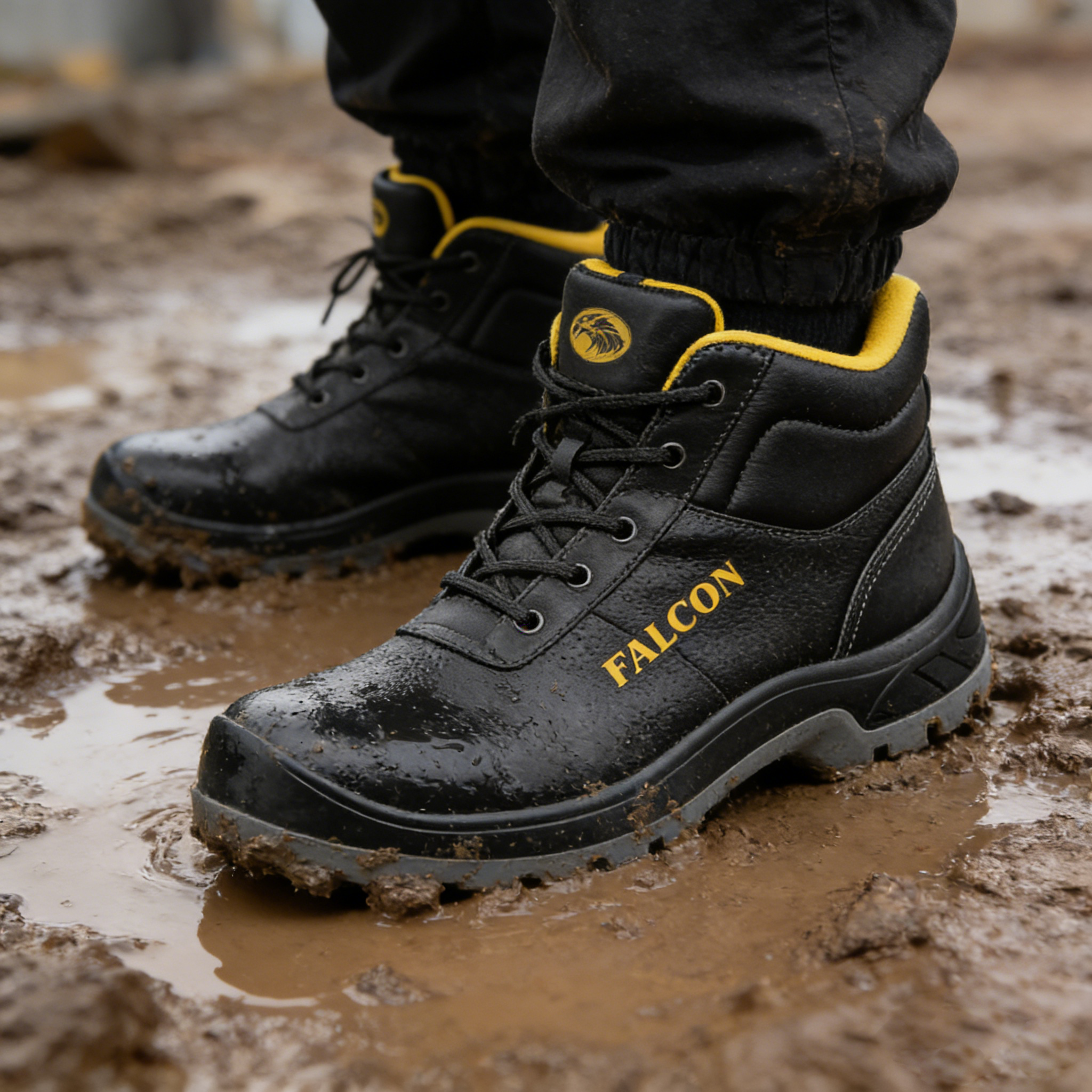
High-Quality Composite Safety Shoes for Industry

Get a Free Quote

Our representative will contact you soon.
Email
Mobile/WhatsApp
Name
Company Name
Country
Customer Type
Estimated Order Quantity
MOQ and Free Sample Policy
Message
0/1000

Composite safety shoes

Composite safety shoes are essential protective footwear designed to safeguard workers in various industrial environments. Unlike traditional safety shoes that often incorporate steel in their construction, composite safety shoes utilize lighter materials such as Kevlar, carbon fiber, or plastic, providing workers with both comfort and protection. B2B buyers, including purchasing managers and safety officers, are primarily concerned with the durability, weight, comfort, and safety standards of these shoes. This safety helmet article aims to provide a comprehensive overview of composite safety shoes, including their specifications, how to compare different options, common problems, installation guidelines, and the benefits of composite materials in their manufacturing.

Our Products

Key Specifications of High-Quality Composite Safety Shoes for Industry

When evaluating composite safety shoes, several key specifications should be considered: 

Material Composition: The primary materials used in composite safety shoes include Kevlar, carbon fiber, and various plastics. These materials not only reduce weight but also provide excellent resistance to punctures and impacts. Buyers should ensure that the chosen materials meet the required safety standards for their specific industrial applications. 

Toe Protection: Composite safety shoes typically feature a non-metallic toe cap that protects against impact while being lighter than steel caps. It is crucial to verify that the toe cap complies with relevant safety standards, such as ASTM F2413 in the United States, which outlines performance requirements for protective footwear. 

Slip Resistance: The construction hat outsoles of composite safety shoes should offer superior traction to prevent slips and falls, which are common workplace hazards. Look for shoes with rubber or other high-friction materials that provide good grip on various surfaces. 

Comfort and Fit: A well-fitted shoe is essential for maintaining comfort during long hours of wear. Features such as padded collars, breathable linings, and cushioned insoles can enhance comfort levels. Consider requesting sizing samples for employees to ensure a proper fit. 

Weight: One of the primary advantages of composite safety shoes is their lightweight nature. Weighing significantly less than traditional steel-toed shoes, they can enhance mobility and reduce fatigue. Buyers should compare the weight of different models when making selections. 

Frequently Asked Questions

What are composite safety shoes made of?

Composite safety shoes use non-metallic toe caps (fiberglass or composite resin) with durable midsoles, slip-resistant soles, and protective uppers designed for industrial hazards.
Yes. Composite toes are non-conductive and combined with insulated soles can reduce electrical hazard risk; confirm product electrical rating before use.
Our shoes are manufactured to comply with relevant industrial safety standards; check the specific product label or datasheet for exact certifications and ratings.
Yes. Composite materials are lighter than steel, offering improved comfort and reduced fatigue while maintaining toe protection for long shifts.
Clean with a damp cloth, air dry away from heat, inspect regularly for wear, replace soles or shoes when protection or fit degrades to ensure safety performance.

Our Blog Posts

What types of cut-off wheels are there?

15

May

What types of cut-off wheels are there?

Cut-off wheels are really important tools in lots work, specially metalworking stuff. Falcon Global have different kinds of cut-off wheels which helps people cut many materials easy. These wheels get attached to machines like angle grinders and they ...
View More
What Are Grinding Wheels Made Of?

13

Aug

What Are Grinding Wheels Made Of?

Grinding wheels are special tools using in many industry. They help grind, cut and polish various material. But what they made of?  Usually grinding wheels comes from mix of things. The main part is abrasive, which can be diamond, aluminum oxide...
View More
How to Dress a Grinding Wheel for Best Performance

19

Aug

How to Dress a Grinding Wheel for Best Performance

Dressing a grinding wheel is important task that make it work better and last longer time. When you dress the wheel, you make surface smooth and clean from stuff. This help the wheel cut metal or other material more good. It like sharpen knife you wa...
View More
How to choose the right hard hat?

04

May

How to choose the right hard hat?

Choosing the right hard hat is really important, specially if you work in places full of dangers like construction site or factories. It protect your head from falling things, bumps and also electrical shock. When you looking for one, you should cons...
View More

Get a Free Quote

Our representative will contact you soon.
Email
Mobile/WhatsApp
Name
Company Name
Country
Customer Type
Estimated Order Quantity
MOQ and Free Sample Policy
Message
0/1000

Related product categories

How to Compare Composite Safety Shoes for Your Industrial Needs

How to Compare Composite Safety Shoes for Your Industrial Needs

When comparing composite safety shoes, it’s important to evaluate several factors: 

Safety Standards Compliance: Confirm that the shoes meet industry-specific safety regulations. For example, some industries may require compliance with additional standards beyond ASTM, such as ISO certifications for international markets. 

Performance Features: Identify the specific performance features required for your work environment, such as chemical resistance, electrical hazard protection, or waterproof properties. These construction helmet features can significantly impact the safety and longevity of the footwear. 

Brand Reputation and Reviews: Research the reputation of different brands and models. Reviews from other industrial users can provide insight into the performance and durability of various composite safety shoes.

Customization Options: Some manufacturers offer customization options, allowing you to tailor shoes to specific requirements, such as company branding or specific color schemes. This can be beneficial for team identification and morale. 

Pricing and MOQ: Consider the pricing structure and minimum order quantities (MOQ) of different suppliers. While it's tempting to choose the cheapest option, evaluating the overall cost of ownership—including durability and replacement frequency—is crucial. 

Common Problems with Safety Shoes and Effective Solutions for Buyers

Common Problems with Safety Shoes and Effective Solutions for Buyers

Buyers often encounter common issues when purchasing safety shoes. Understanding these problems and their solutions can help in making informed decisions: 

Sizing Issues: Improper sizing can lead to discomfort or inadequate protection. To avoid this, always refer to the manufacturer’s sizing chart and, if possible, order samples for testing before committing to a bulk purchase. 

Durability Concerns: Some composite safety shoes may not hold up well in harsh environments. Buyers should inquire about the expected lifespan of the shoes and request information on wear testing results if available. 

Moisture and Breathing Issues: In humid environments, moisture accumulation can lead to discomfort. Look for shoes with moisture-wicking properties and breathable materials to enhance comfort during prolonged use. 

Inadequate Toe Protection: While composite toe caps are lighter, they may not provide the same level of protection as steel caps in extreme conditions. Buyers should evaluate the specific risks present in their work environment to determine the appropriate level of toe protection. 

Poor Traction: Shoes that do not provide adequate slip resistance can lead to accidents. Always check the traction ratings and test the shoes on relevant surfaces before finalizing your order. 

How to Ensure Proper Installation of Composite Safety Shoes for Safety

How to Ensure Proper Installation of Composite Safety Shoes for Safety

Proper installation and usage of composite safety shoes can significantly enhance their effectiveness: 

Fit Verification: Before employees start wearing new safety shoes, it’s essential to verify that they fit properly. Shoes should not be too tight or loose, and there should be enough room to wiggle the toes. 

Usage Guidelines: Provide employees with clear guidelines on when and how to wear the safety shoes. This may include instructions for specific environments or tasks where the shoes are required. 

Routine Inspections: Establish a routine for inspecting the shoes for wear and tear. Regular checks can help identify issues early, ensuring that employees always use adequately protective footwear. 

Replacement Policies: Develop a policy for replacing safety shoes based on usage and wear patterns. Shoes that show signs of damage or excessive wear should be replaced immediately to maintain safety standards. 

Training and Awareness: Conduct training sessions to educate employees about the importance of wearing safety shoes and the specific risks associated with their work environments. 

Benefits of Choosing Composite Materials in Safety Shoe Manufacturing

Opting for composite materials in safety shoe manufacturing presents various benefits: 

Lightweight and Comfortable: Composite materials significantly reduce the overall weight of safety shoes, leading to improved comfort and mobility, especially during long shifts. 

Corrosion Resistance: Unlike metal components, composite materials do not corrode, enhancing the longevity of the shoes when used in industrial environments with exposure to moisture or chemicals. 

Thermal Insulation: Composite materials often provide better thermal insulation compared to metal, protecting workers' feet from extreme temperatures, whether hot or cold. 

Non-Metallic Properties: Being non-metallic, composite safety shoes do not trigger metal detectors, making them ideal for environments like food processing, security-sensitive areas, or certain manufacturing settings. 

Versatile Applications: Composite safety shoes are suitable for a wide range of industrial applications, from construction to manufacturing, making them a versatile choice for companies looking to standardize their safety gear. 

By understanding the specifications, comparing options, addressing common problems, ensuring proper installation, and recognizing the benefits of composite materials, B2B buyers can make informed decisions when selecting composite safety shoes that best meet their industrial needs. 

Get a Free Quote

Our representative will contact you soon.
Email
Mobile/WhatsApp
Name
Company Name
Country
Customer Type
Estimated Order Quantity
MOQ and Free Sample Policy
Message
0/1000