Key Factors for Purchasing Safety Helmets

Get a Free Quote

Our representative will contact you soon.
Email
Mobile/WhatsApp
Name
Company Name
Country
Customer Type
Estimated Order Quantity
MOQ and Free Sample Policy
Message
0/1000

Safety helmet

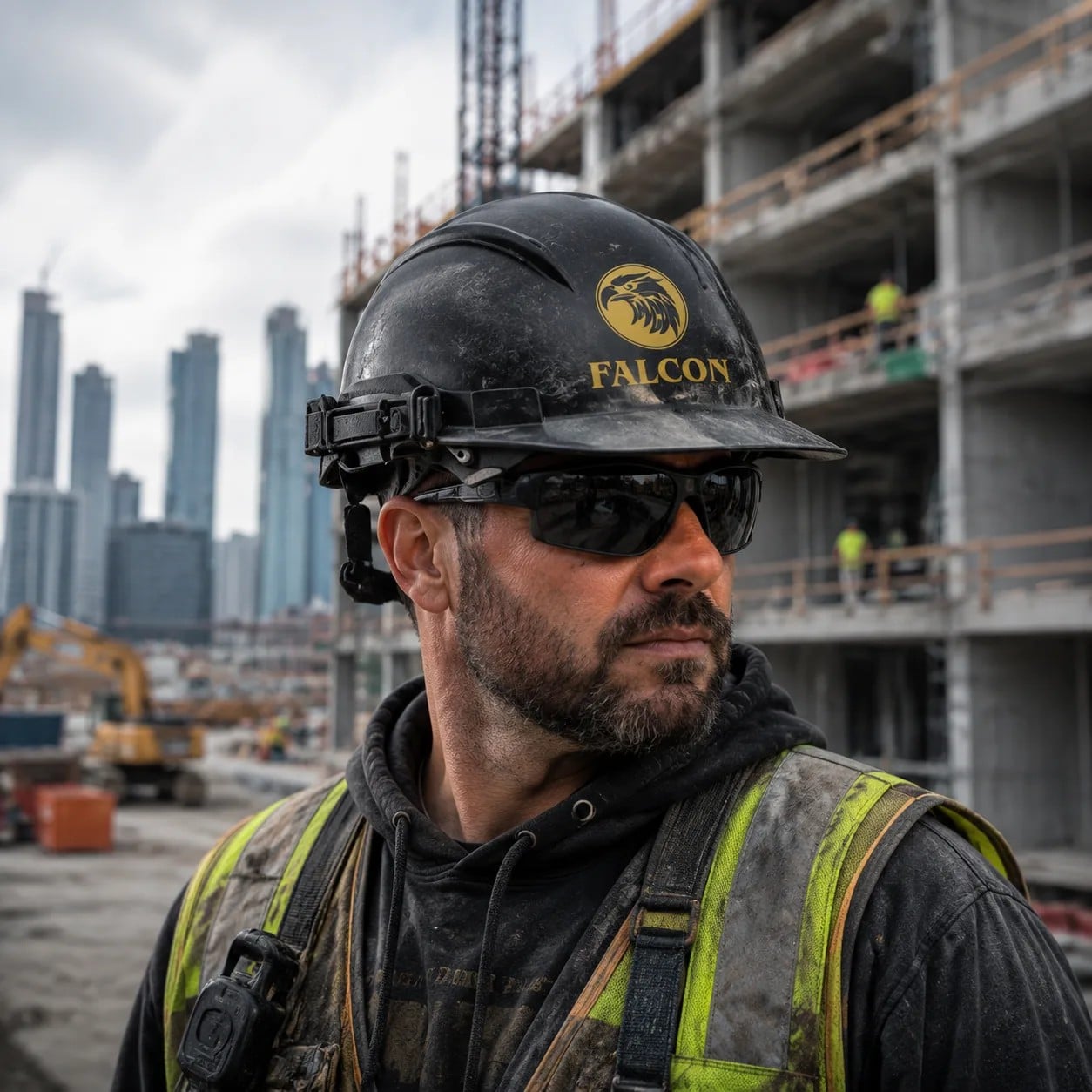
Safety helmets are essential personal protective equipment (PPE) designed to shield workers from head injuries in various industrial settings. As a B2B buyer, it’s crucial to understand the specifications, compliance standards, and practical considerations for selecting the right safety helmet for your workforce. This article will guide you through key factors for bulk purchasing, the significance of safety helmet specifications, reliable suppliers, best practices, and common issues faced by users, equipping you with the knowledge to make informed purchasing decisions. 
Key Factors for Bulk Purchasing

When sourcing safety helmets, bulk purchasing can lead to significant cost savings and streamlined procurement processes. Key factors to consider include: 

Minimum Order Quantity (MOQ): Establish the supplier's MOQ to ensure it aligns with your project needs. Larger orders often result in better pricing and discounts. 

Customization Options: Many manufacturers offer customization, such as color, logo placement, and additional features (like chin straps or visors). Ensure that the customization aligns with your branding and functional requirements. 

Lead Times: Understanding the lead time is essential for planning purposes. Discuss the production timeline with potential suppliers to avoid delays in your projects. 

Bulk Pricing: Negotiate pricing based on the quantities you intend to purchase. Suppliers may have tiered pricing structures that reward larger orders. 

Shipping and Packaging: Evaluate the supplier's shipping methods and packaging standards to ensure that the hard hat are delivered safely and in good condition. Proper packaging can help mitigate damage during transit. 

Quality Assurance: Confirm the supplier's quality control processes, including inspection protocols and compliance with safety standards, to ensure the helmets meet necessary regulations 

Frequently Asked Questions

What protection does the safety helmet provide?

Our safety helmet offers impact resistance, penetration protection, and side and rear coverage to reduce head injury risk in industrial settings.
Constructed from high-strength polymer shell with energy-absorbing inner foam and durable straps for reliable industrial performance.
Yes. It features an adjustable suspension system and chin strap to fit a wide range of head sizes and ensure secure positioning.
Yes. The design allows compatibility with ear protection, face shields, goggles, and welding accessories without compromising safety.
Regularly clean with mild soap, inspect for cracks, dents, or degraded components, replace after impact or per manufacturer lifespan guidelines.

Our Blog Posts

How to Extend the Lifespan of Your Flap Discs

16

Apr

How to Extend the Lifespan of Your Flap Discs

Flap discs are essential abrasive tools widely used for grinding, blending, polishing, and surface preparation in metalworking applications. Whether used for weld finishing, rust removal, or general surface treatment, a high-quality flap disc can sig...
View More
Flap Disc Grit Chart for Rust and Paint Removal

28

Apr

Flap Disc Grit Chart for Rust and Paint Removal

Rust, paint, and surface imperfections are common challenges in metalworking, repair, and maintenance projects. Removing these contaminants effectively requires more than just a powerful grinder — choosing the right abrasive tool and grit size ...
View More
What types of cut-off wheels are there?

15

May

What types of cut-off wheels are there?

Cut-off wheels are really important tools in lots work, specially metalworking stuff. Falcon Global have different kinds of cut-off wheels which helps people cut many materials easy. These wheels get attached to machines like angle grinders and they ...
View More
What Is a CBN Grinding Wheel Used For?

25

Aug

What Is a CBN Grinding Wheel Used For?

CBN grinding wheels are special tools make from cubic boron nitride, which is super hard material. These wheels mostly use in factories and workshops to grind and sharp metal parts. They good for things like engine pieces, cutting tools, and other to...
View More

Get a Free Quote

Our representative will contact you soon.
Email
Mobile/WhatsApp
Name
Company Name
Country
Customer Type
Estimated Order Quantity
MOQ and Free Sample Policy
Message
0/1000

Related product categories

Understanding Safety Helmet Specifications and Compliance Standards

Understanding Safety Helmet Specifications and Compliance Standards

Safety helmets come with various specifications that can significantly impact their performance in protecting workers. Understanding these specifications is crucial: 

Material: Safety helmets are typically made from polycarbonate, fiberglass, or high-density polyethylene (HDPE). Each material offers different levels of impact resistance, weight, and durability. For instance, polycarbonate helmets are lightweight and provide excellent impact resistance, making them suitable for diverse applications. 

Compliance Standards: Safety helmets must comply with industry standards such as ANSI/ISEA Z89.1 in the United States or EN 397 in Europe. These standards dictate the helmet's performance characteristics, including impact resistance, penetration resistance, and electrical insulation properties. Always verify that the helmets you consider are certified according to the relevant standards for your industry. 

Weight and Fit: The weight of the helmet can affect comfort during long-term wear. Additionally, proper fit is essential for effective Workwear protection. Look for adjustable suspension systems that allow for a secure and comfortable fit. 

Additional Features: Some helmets come equipped with features such as vents for airflow, earmuff attachments, or face shields. Determine which features are necessary for your specific application to enhance worker safety and comfort. 

Where to Source Reliable Safety Helmet Suppliers for Your Business

Where to Source Reliable Safety Helmet Suppliers for Your Business

Finding trustworthy safety helmet suppliers is crucial for ensuring product quality and reliability. Here are some strategies to identify reputable suppliers: 

Industry References: Seek recommendations from other businesses in your industry. Peer reviews can provide valuable insights into suppliers’ reliability and product quality. 

Trade Shows and Expos: Attend industry trade shows to meet suppliers, examine products firsthand, and gather information about their offerings. This face-to-face interaction can foster better relationships and facilitate negotiations. 

Online Marketplaces and Directories: Utilize B2B marketplaces and directories to find suppliers. Look for those with positive reviews and a proven track record in the industry. 

Certifications and Compliance: Confirm that potential suppliers have the necessary certifications and compliance with safety standards associated with their products. This can serve as a quality assurance measure.  

Request Samples: Before making a bulk purchase, request samples from potential suppliers to evaluate the quality and fit of the Hard Hat. This step can help identify any potential issues before committing to a larger order  

Best Practices and Tips

Best Practices and Tips

To ensure a successful purchasing process for safety helmets, consider the following best practices: 

Conduct a Risk Assessment: Understand the specific risks associated with your work environment to choose the right type of helmet. This assessment should guide your decisions regarding features, materials, and compliance needs. 

Involve Workers in the Selection Process: Engaging employees in the selection of safety helmets can help ensure that the chosen product meets their comfort and usability requirements. Their feedback can be invaluable in making an informed decision. 

Regularly Inspect Helmets: Implement a regular inspection routine to check for wear, damage, or contamination. Helmets should be replaced immediately if they show signs of significant wear or damage. 

Educate Employees: Conduct training sessions on the proper use and care of safety helmets. Ensure that workers understand the importance of wearing them correctly to maximize protection. 

Review Supplier Performance: After procurement, continuously monitor supplier performance regarding delivery times, product quality, and customer service. This ongoing evaluation can help strengthen your supply chain and inform future purchasing decisions. 

Common Safety Helmet Problems and Effective Solutions for Users

Despite their effectiveness, safety helmets can present challenges. Here are common issues and practical solutions: 

Discomfort and Poor Fit: Workers may experience discomfort if helmets do not fit properly. To solve this, ensure that the helmets have adjustable suspension systems and encourage employees to customize the fit according to their head size. 

Inadequate Ventilation: In hot environments, helmets can become uncomfortable due to heat buildup. Consider helmets with ventilation holes or designs that promote airflow to enhance comfort during prolonged use. 

Visibility Issues: Some helmets may obstruct peripheral vision. If this is a concern, opt for designs that maximize visibility without compromising safety. 

Wear and Tear: Over time, helmets can degrade due to exposure to UV light, chemicals, or physical impacts. Establish a replacement schedule based on usage and environmental conditions to ensure continued protection. 

Compatibility with Other PPE: Ensure that the selected helmets are compatible with other personal protective equipment, such as goggles or face shields, to create a comprehensive safety solution without sacrificing comfort or functionality. 

By understanding these aspects of safety helmets, B2B buyers can make informed decisions that enhance worker safety while optimizing their procurement processes.  

Get a Free Quote

Our representative will contact you soon.
Email
Mobile/WhatsApp
Name
Company Name
Country
Customer Type
Estimated Order Quantity
MOQ and Free Sample Policy
Message
0/1000