Choosing the Right Safety Glasses for Industrial Use

Get a Free Quote

Our representative will contact you soon.
Email
Mobile/WhatsApp
Name
Company Name
Country
Customer Type
Estimated Order Quantity
MOQ and Free Sample Policy
Message
0/1000

Safety glasses

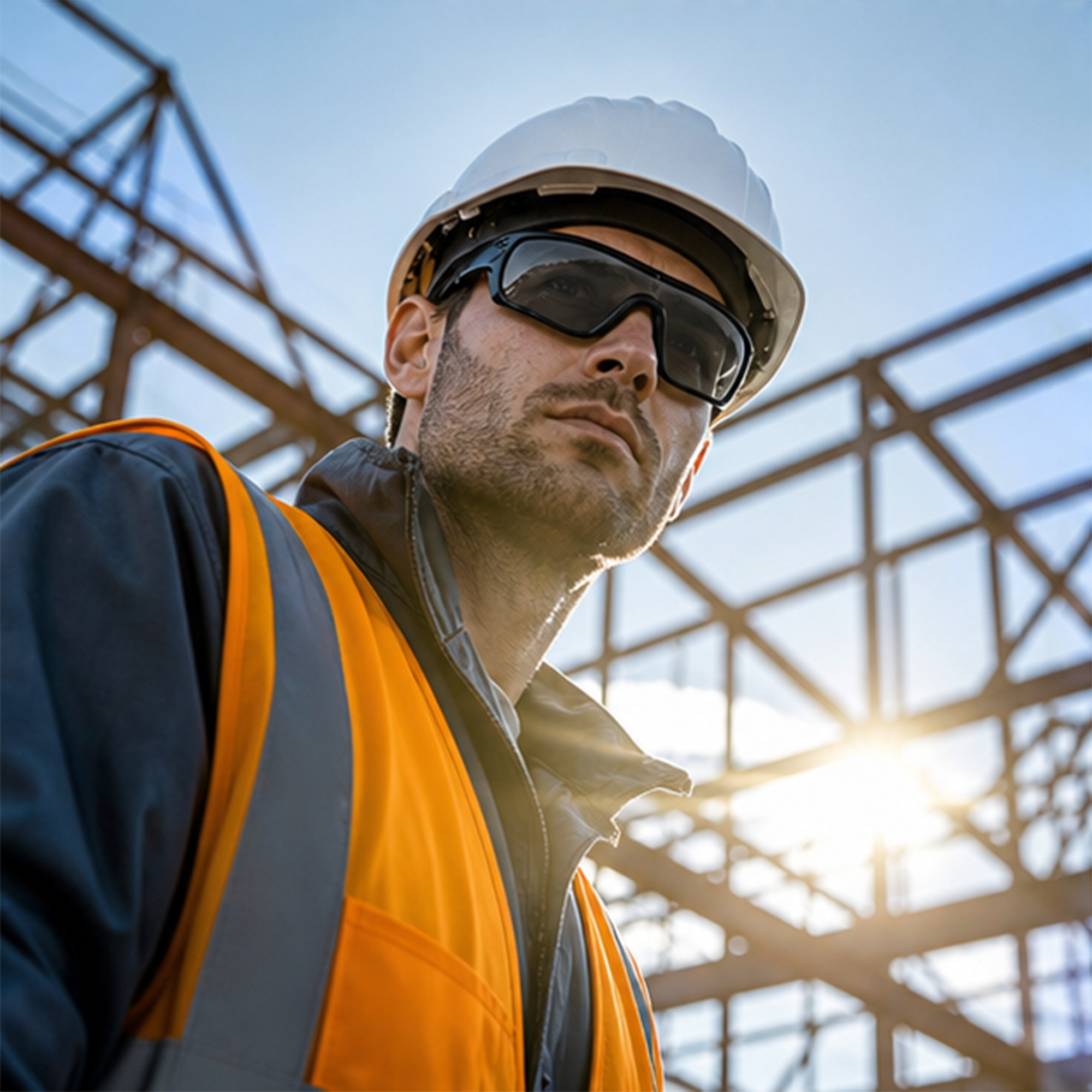
In industrial environments, safety glasses are essential for protecting workers' eyes from hazards such as flying debris, chemicals, and intense light. For B2B buyers, selecting the right safety glasses aligns with not only employee safety but also compliance with regulations and cost-effectiveness. This article will explore key considerations when choosing safety glasses, including specifications, cost factors, installation guidance, and expert sourcing tips tailored for industrial applications.

Choosing the Right Safety Glasses for Your Industrial Needs

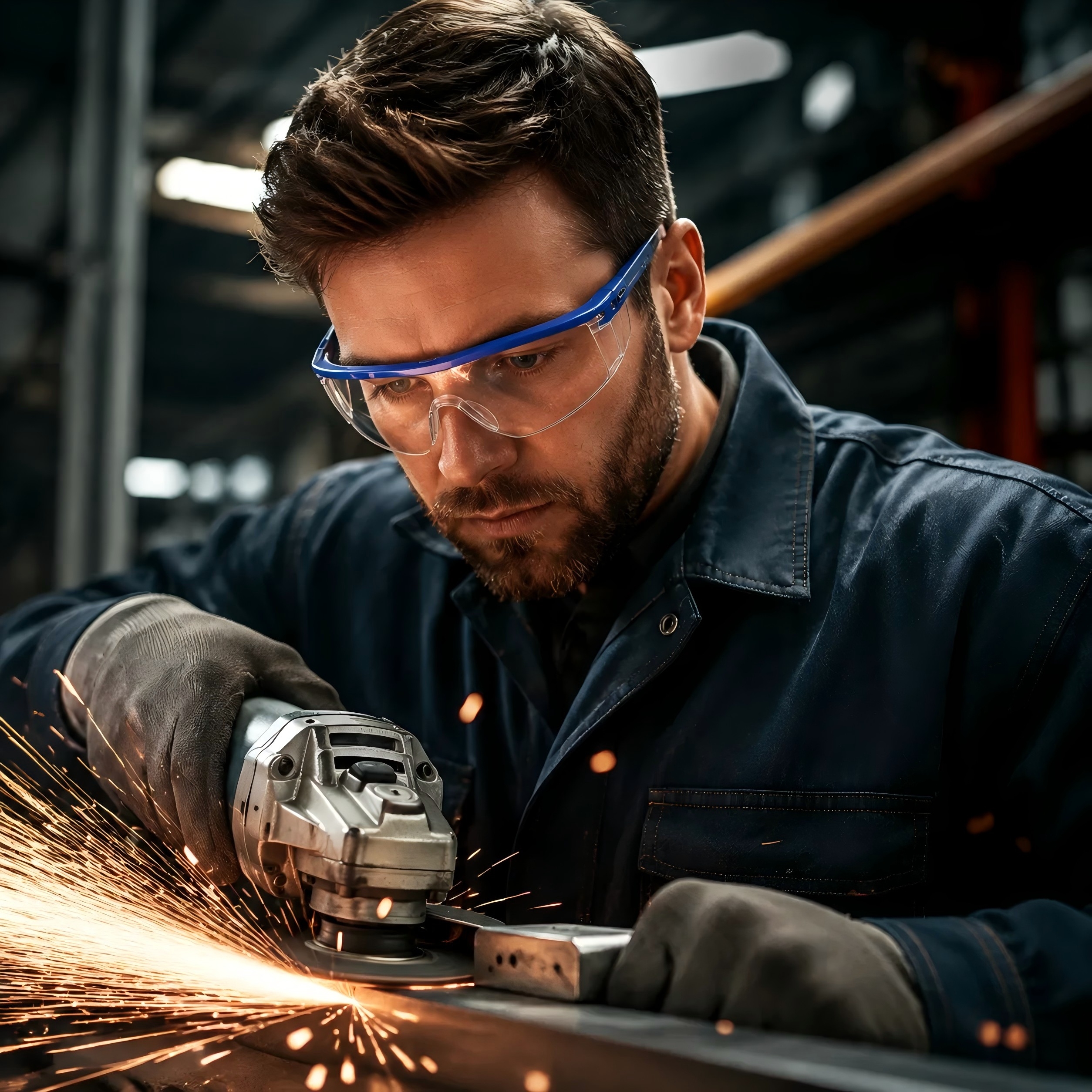
When selecting safety glasses for industrial use, it's crucial to assess the specific hazards present in the workplace. Factors such as the type of work being performed, the environment, and potential exposure to harmful elements dictate the necessary features of Safety Glasses. For instance, if employees work with grinding tools or cutting machinery, safety glasses must have impact-resistant lenses and a snug fit to prevent debris from entering the eyes.

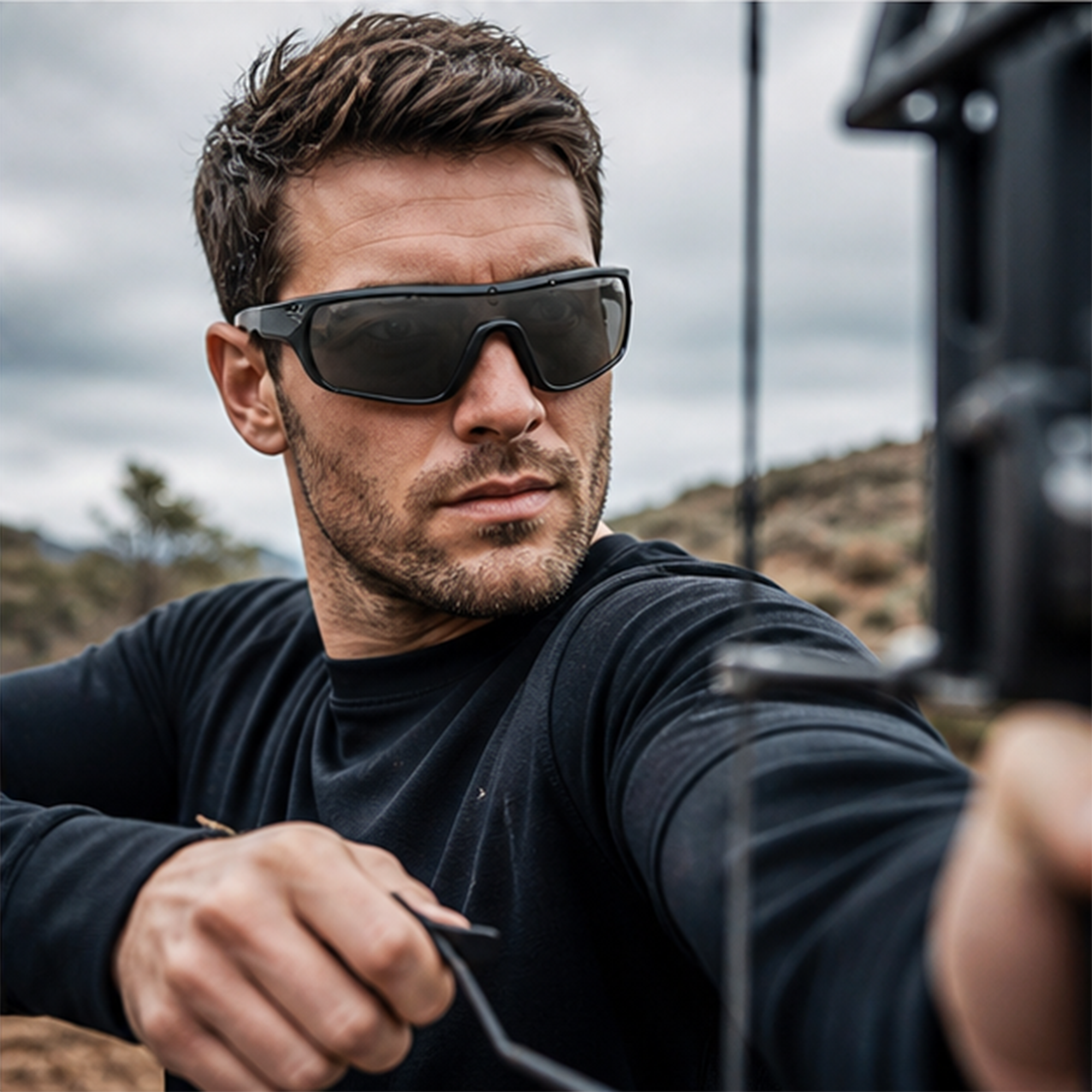
Additionally, consider the lens tint. Some tasks require clear lenses, while others may benefit from tinted lenses that reduce glare or protect against UV exposure. It's also worth evaluating the style—whether wraparound designs for increased peripheral protection or standard frames suffice. Ultimately, understanding the specific application needs will guide buyers to make informed decisions about the right type of safety glasses.

Frequently Asked Questions

What protection do these safety glasses provide?

Our safety glasses shield eyes from impact, dust, and flying debris, meeting industrial safety needs for grinding and cutting tasks.
Yes. They are manufactured to meet common industrial eye protection standards and undergo impact and optical clarity testing.
Lenses are high-strength polycarbonate for impact resistance; frames use durable, lightweight polymers for comfort and longevity.
We offer over‑glass compatible models and slim-profile options designed to accommodate most prescription frames comfortably.
Wipe lenses with a soft cloth and mild soap; avoid solvents. Store in a protective case and inspect regularly for scratches or damage.

Our Blog Posts

When is a flap disc worn out?

12

Mar

When is a flap disc worn out?

A flap disc is an essential abrasive tool used for grinding, blending, and finishing a variety of surfaces. Commonly installed on angle grinders, flap discs are made with multiple layers of abrasive cloth that gradually wear away during use while mai...
View More
How to Extend the Lifespan of Your Cut Off Wheels

11

Oct

How to Extend the Lifespan of Your Cut Off Wheels

Cut-off wheels are essential abrasive tools for industrial cutting applications. They are widely used for cutting metal, concrete, stone, and other hard materials. However, wheel selection and operating methods have a direct impact on cutting perform...
View More
What Are Grinding Wheels Made Of?

13

Aug

What Are Grinding Wheels Made Of?

Grinding wheels are special tools using in many industry. They help grind, cut and polish various material. But what they made of?  Usually grinding wheels comes from mix of things. The main part is abrasive, which can be diamond, aluminum oxide...
View More
How to Properly Wear and Fit a Hard Hat

11

Jul

How to Properly Wear and Fit a Hard Hat

Wearing hard hat is important for safety in many work places, specially construction or manufacturing. It protect your head from falling things, bumps and other dangers. At Falcon Global, we know that wearing it correct is just as important as having...
View More

Get a Free Quote

Our representative will contact you soon.
Email
Mobile/WhatsApp
Name
Company Name
Country
Customer Type
Estimated Order Quantity
MOQ and Free Sample Policy
Message
0/1000

Related product categories

Key Specifications to Consider

Key Specifications to Consider

Several specifications directly impact the performance and suitability of safety glasses in an industrial setting. Here are the critical specifications to keep in mind:

Lens Material: Common materials include polycarbonate and Trivex, both known for their strength and lightweight properties. Polycarbonate lenses are particularly effective against high-velocity impacts, while Trivex offers superior optical clarity.

Frame Construction: The frame should be durable yet comfortable. Look for frames made from materials like nylon or rubber that can withstand harsh conditions without compromising comfort.

Lens Coatings: Anti-fog and scratch-resistant coatings enhance the usability of safety glasses. Anti-fog coatings are particularly valuable in environments with fluctuating temperatures, ensuring clear visibility.

Compliance Standards: Safety glasses should meet or exceed industry standards, such as ANSI Z87.1 in the U.S. or EN 166 in Europe. Confirming compliance ensures that the eyewear provides adequate protection against specific risks.

By understanding these specifications, buyers can better evaluate Workwear suitability and performance for their particular applications.

Understanding the Cost Factors of Wholesale Safety Glasses

Understanding the Cost Factors of Wholesale Safety Glasses

The cost of safety glasses can vary significantly based on several factors. When sourcing wholesale safety glasses, consider the following elements that influence pricing:

Volume Discounts: Many manufacturers offer tiered pricing based on order quantity. Higher volume orders often come with significant discounts, making it essential to evaluate your needs and budget accordingly.

Material Costs: The choice of lens and frame materials directly affects the price. For example, polycarbonate lenses may be more expensive than standard plastic options, but their durability and safety benefits can justify the investment.

Customization Options: Custom features, such as personalized branding or specific tinting requirements, can add to the overall cost. Buyers should weigh these costs against the potential marketing benefits of customized safety gear.

Shipping and Handling: Logistics can also impact total expenses. Be sure to account for shipping costs, especially for international orders, and consider lead times that could affect your project timelines.

Understanding these cost factors enables buyers to make more strategic purchasing decisions that align with their budget and operational needs.

Installation Guidance for Optimal Use of Safety Glasses

Installation Guidance for Optimal Use of Safety Glasses

While safety glasses are primarily a personal protective equipment (PPE) item, proper installation and usage are crucial for maximizing their effectiveness. Here are some best practices for ensuring optimal use:

Fit and Comfort: Safety glasses should fit snugly but comfortably. Adjusting the arms and nose pieces can improve fit, reducing the likelihood of the glasses slipping or causing discomfort during prolonged wear.

Regular Inspection: Encourage employees to inspect their safety glasses before use. Look for scratches, cracks, or other damage that could compromise effectiveness. Regular inspection helps maintain a high standard of safety.

Storage and Care: Proper storage can extend the life of safety glasses. Recommend that employees store them in protective cases to prevent scratches and damage when not in use. Regular cleaning with appropriate solutions helps maintain clarity and performance.

User Training: Providing training on the correct use and maintenance of safety glasses ensures that all employees understand their importance and how to use them effectively. This not only enhances safety but also encourages compliance with safety protocols.

By implementing these installation and usage guidelines, companies can enhance the protective capabilities of safety glasses and promote a culture of safety.

Expert Tips for Sourcing High-Performance Safety Glasses

Sourcing high-performance safety glasses requires a strategic approach. Here are some expert tips to guide your sourcing process:

Vendor Evaluation: Assess potential suppliers based on their manufacturing capabilities, product quality, and compliance with relevant safety standards. Requesting samples can help evaluate product quality before making bulk purchases.

Customization Capabilities: If your company requires specific features, such as branded Silicon Carbide or unique lens tints, ensure that suppliers can accommodate these customizations. Discussing these needs early in the sourcing process can save time and resources.

Lead Time Considerations: Inquire about lead times and production schedules. Understanding how long it takes to fulfill orders can help you plan your inventory needs and avoid disruptions in operations.

Quality Assurance Processes: Inquire about the supplier's quality control processes. A reputable manufacturer should have clear quality assurance practices in place to ensure that all products meet or exceed safety standards before leaving the factory.

By following these sourcing tips, buyers can enhance their procurement processes and ensure that they are investing in high-quality safety glasses that meet their industrial needs.

In summary, choosing the right safety glasses is a multi-faceted process that requires careful consideration of specifications, cost factors, installation practices, and sourcing strategies. By leveraging this guidance, B2B buyers can make informed decisions that prioritize safety and compliance in their industrial environments.

Get a Free Quote

Our representative will contact you soon.
Email
Mobile/WhatsApp
Name
Company Name
Country
Customer Type
Estimated Order Quantity
MOQ and Free Sample Policy
Message
0/1000