EN

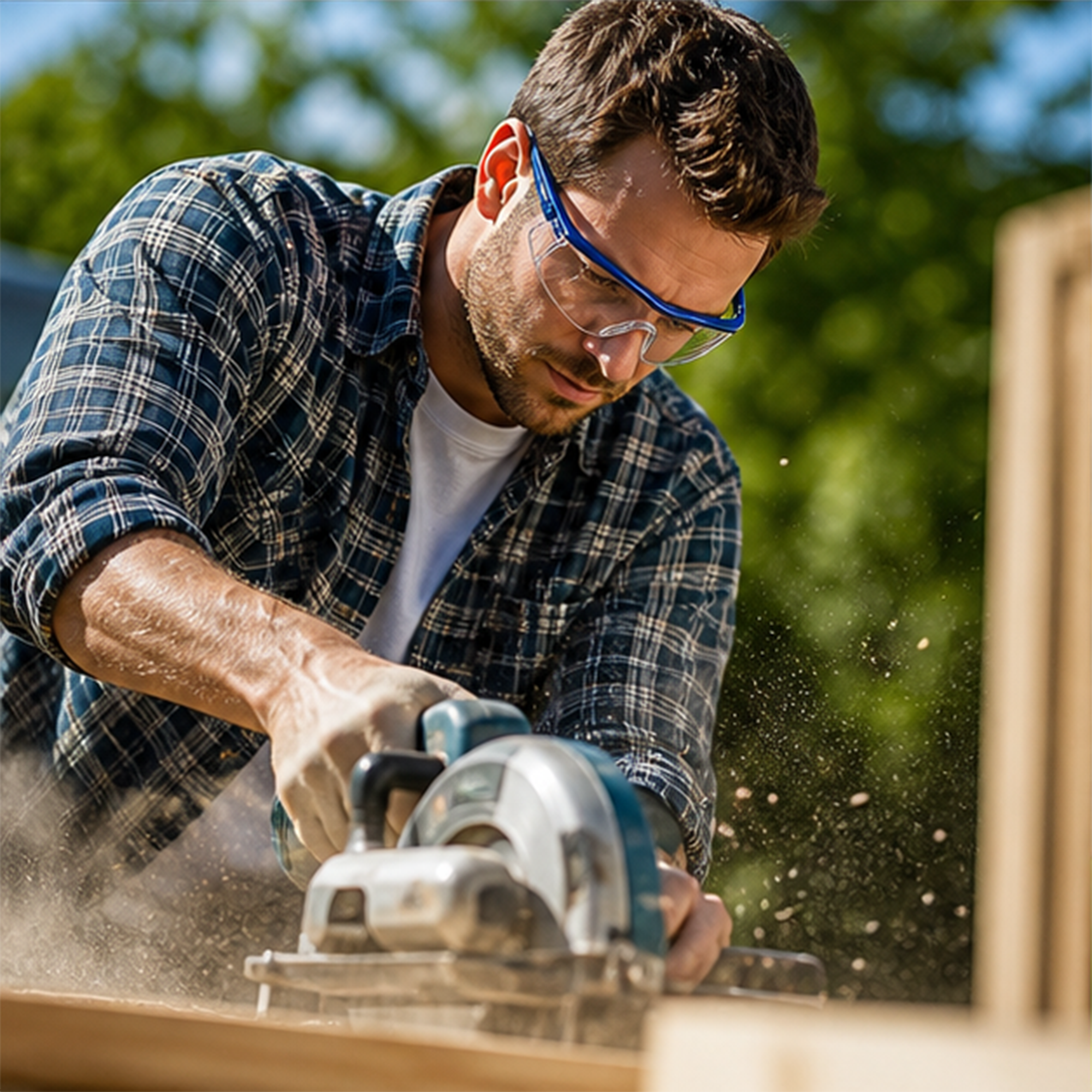
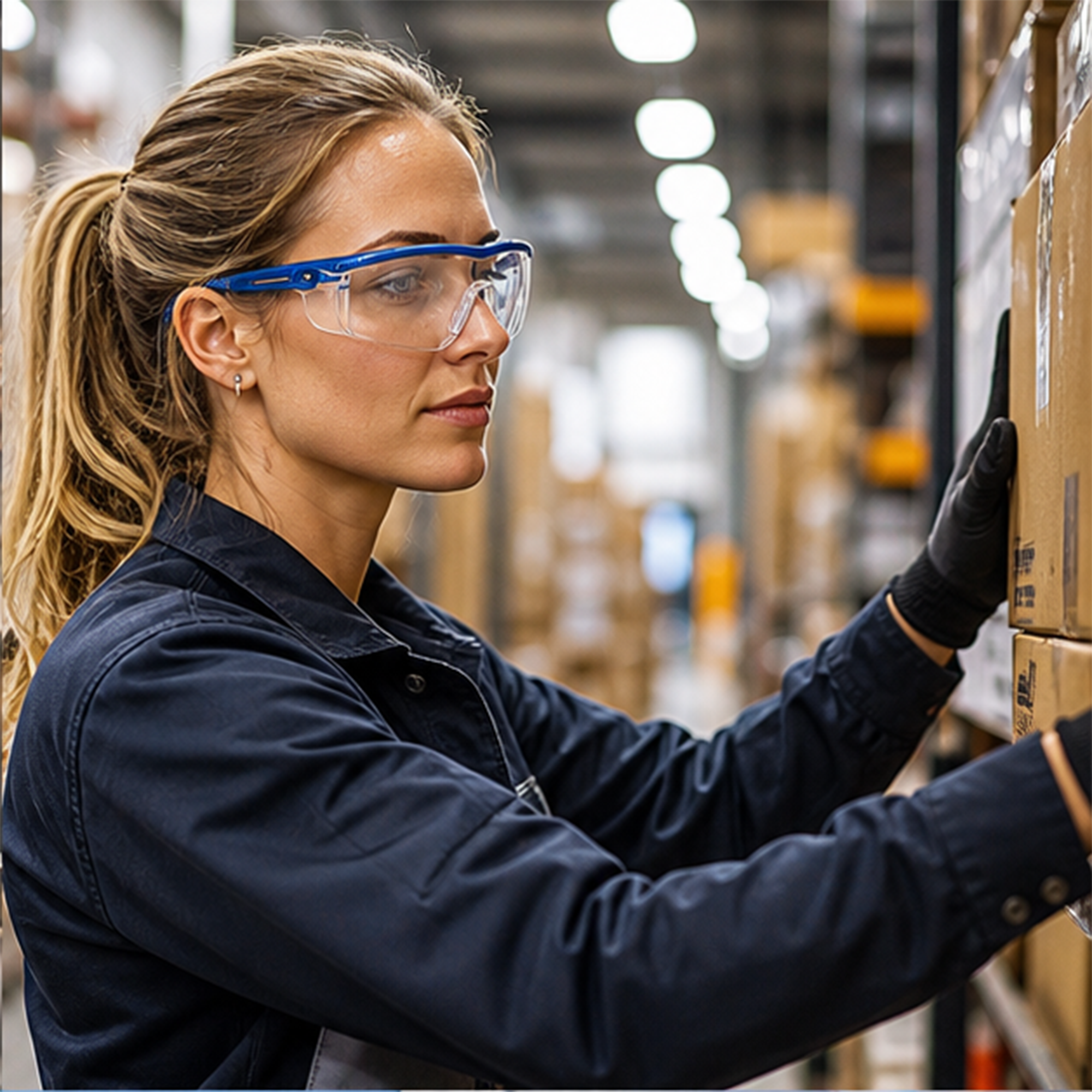
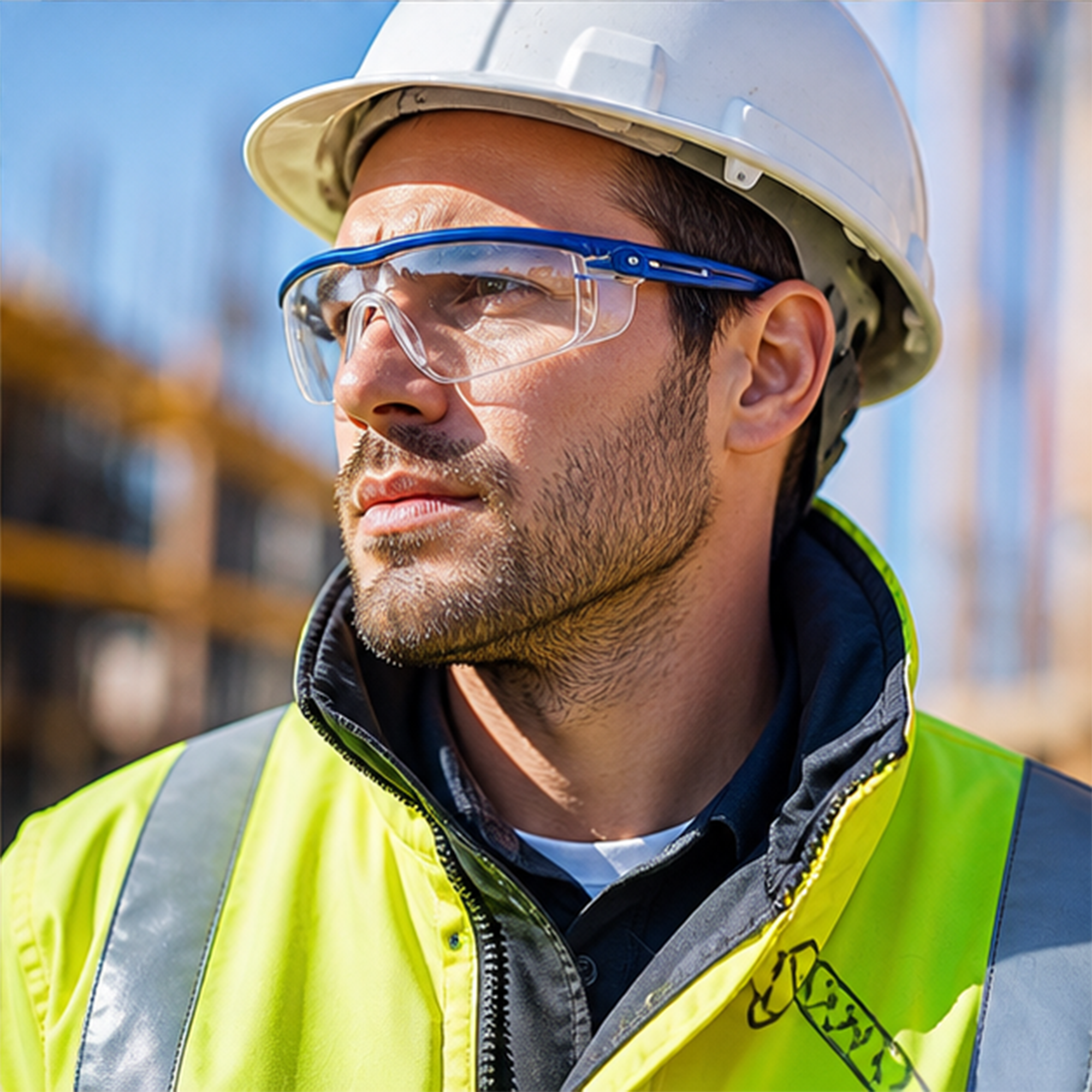
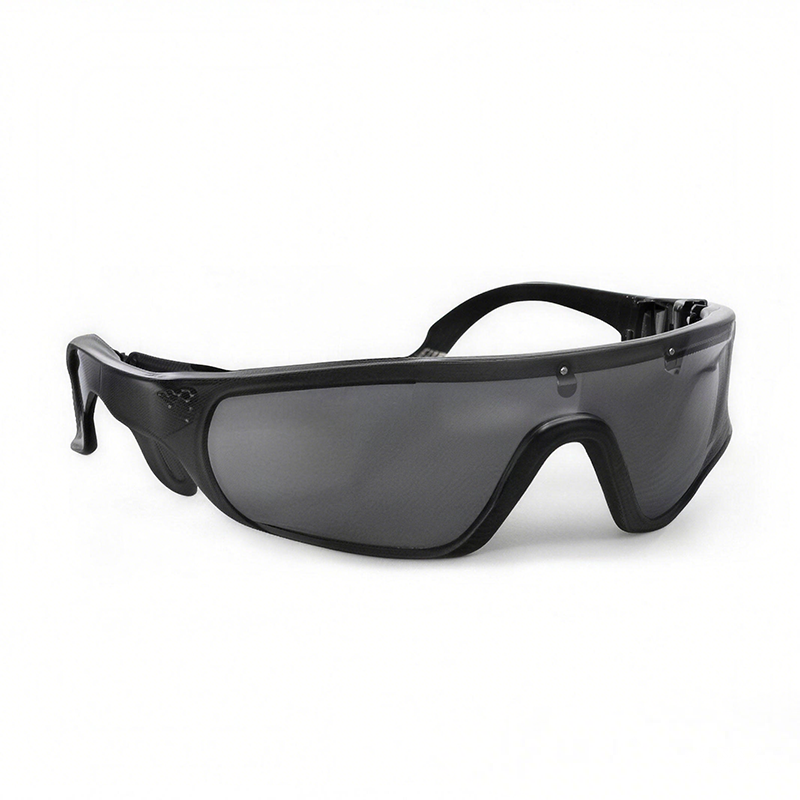
Protective goggles are essential safety gear designed to shield the eyes from harmful substances, debris, and hazardous environments. For B2B buyers such as purchasing managers, engineers, and safety officers selecting the right protective goggles is crucial not only for compliance with safety regulations but also for ensuring worker safety and productivity. This article will provide insights into evaluating protective goggles, understanding material advantages, and identifying common problems and solutions, as well as guidance on sourcing these products effectively.



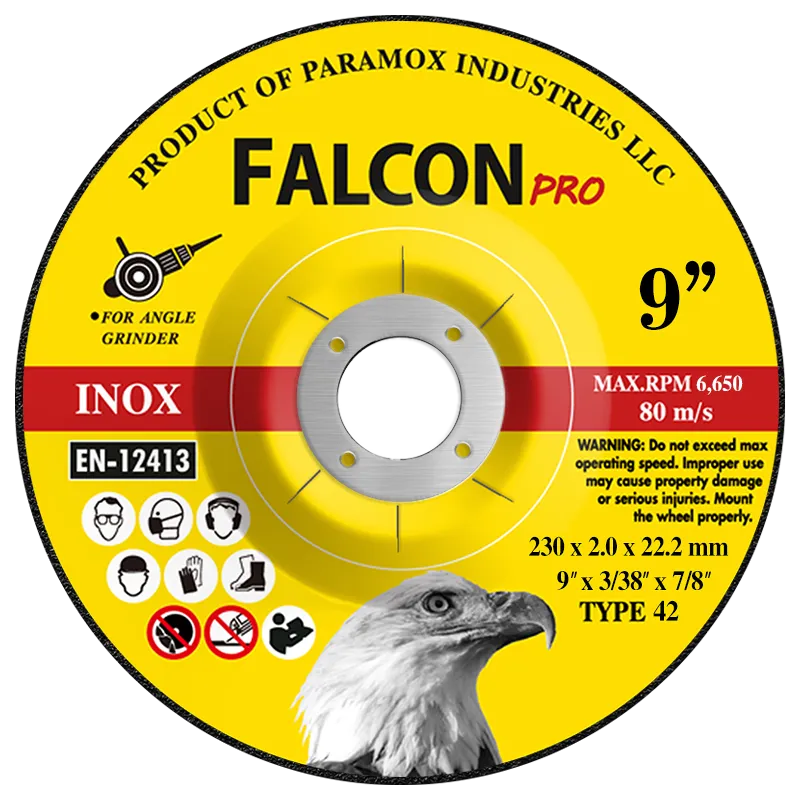
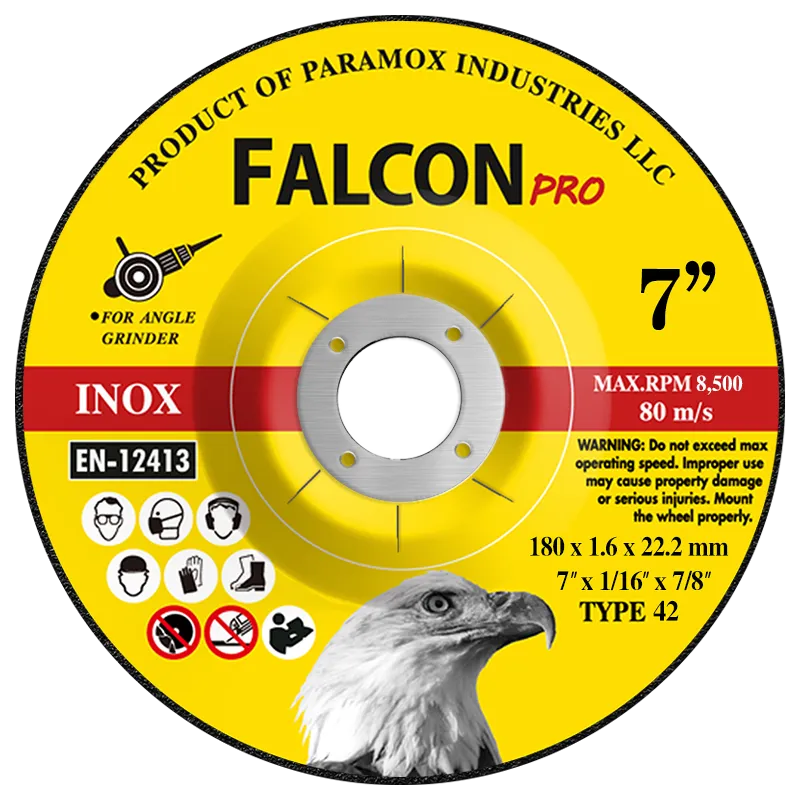
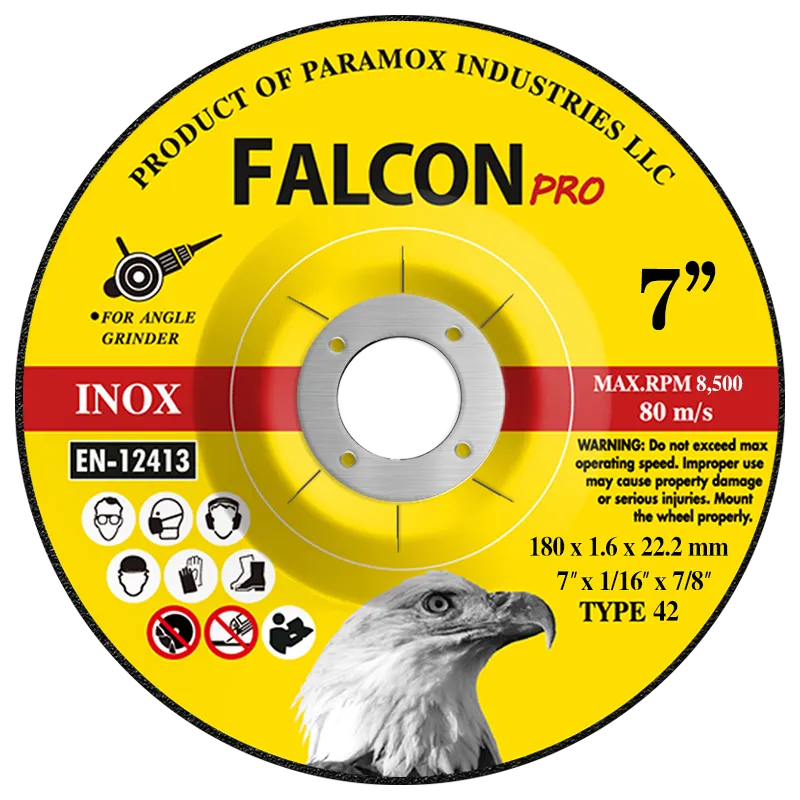
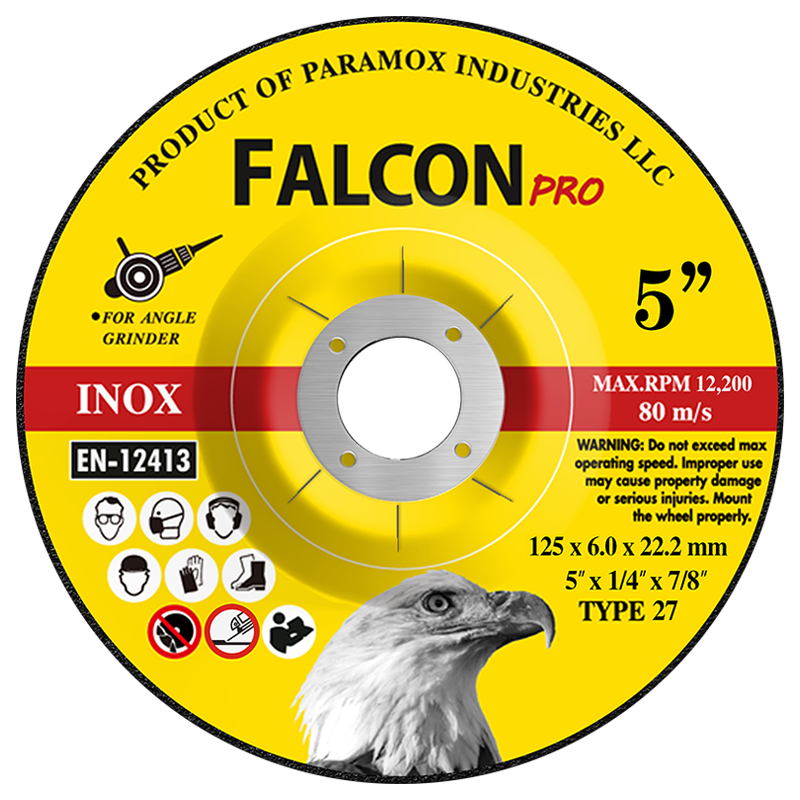
When to replace cut off wheel
Cut-off wheels are essential tools for many applications, particularly in construction and metalworking. They are designed to make clean cuts through hard materials such as metal and concrete. However, cut-off wheels gradually wear with repeated use ...
View More