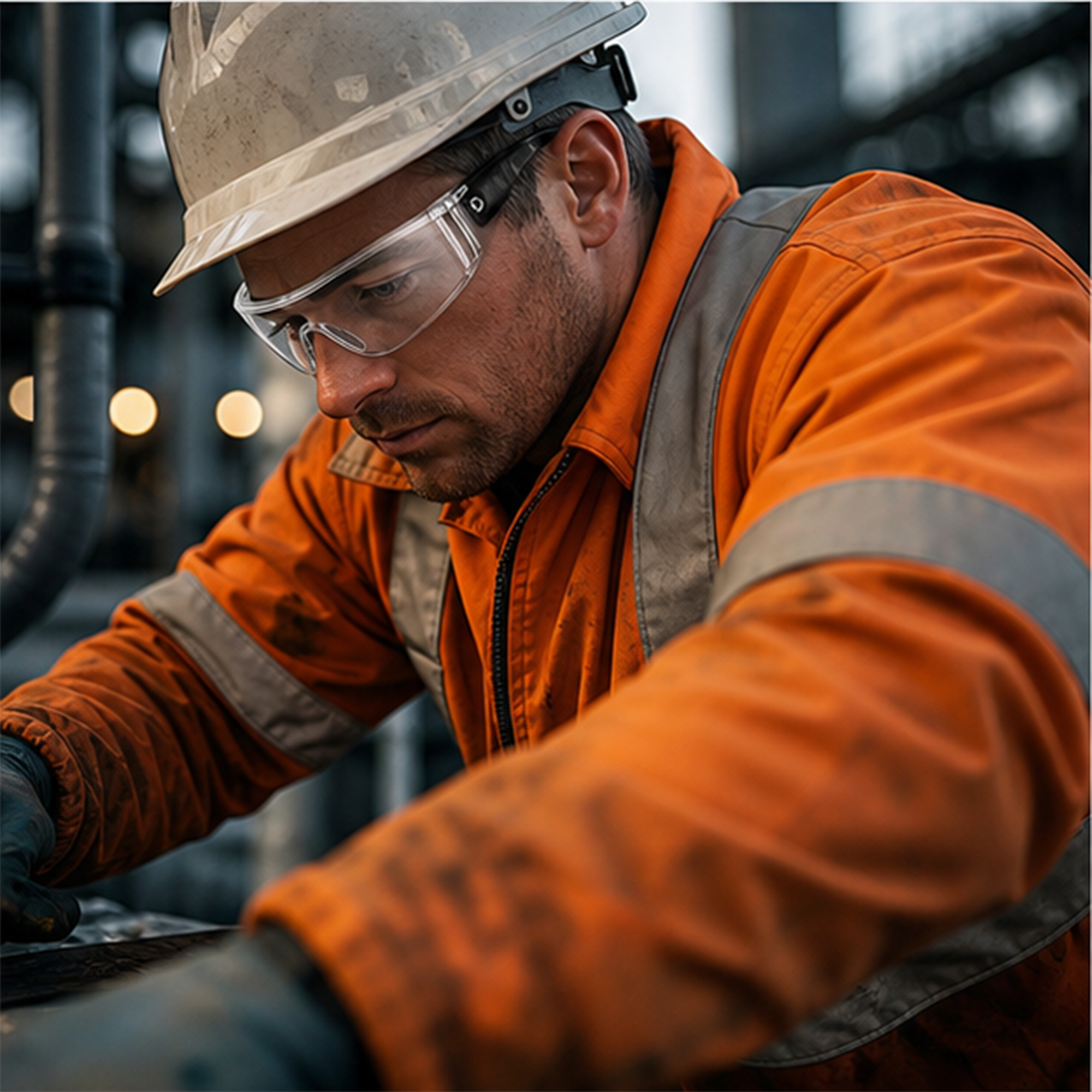
Welding Safety Glasses: Key Features and Applications

Get a Free Quote

Our representative will contact you soon.
Email
Mobile/WhatsApp
Name
Company Name
Country
Customer Type
Estimated Order Quantity
MOQ and Free Sample Policy
Message
0/1000

Welding safety glasses

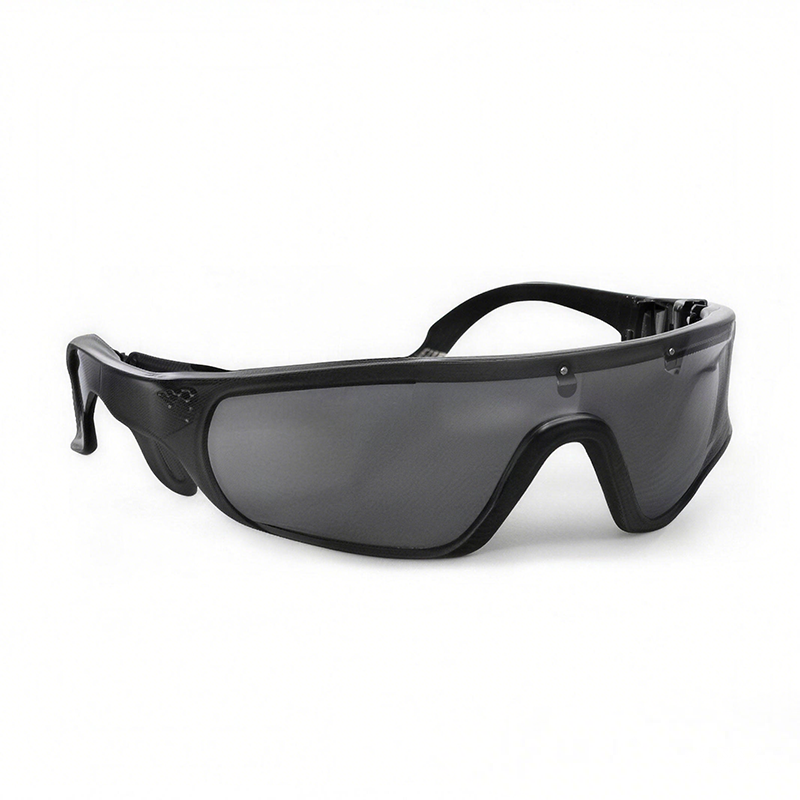
Welding safety glasses are essential protective gear for anyone involved in welding, cutting, or similar industrial processes. As a B2B buyer, understanding the specifications, quality, and applications of these glasses is crucial for ensuring the safety of your workforce and compliance with industry standards. This article will help you navigate the key considerations when selecting welding safety glasses, addressing common buyer concerns such as materials, cost factors, quality assurance, and suitable applications. 

Our Products

Key Specifications to Consider for Welding Safety Glasses

When selecting welding safety glasses, several key specifications must be taken into account to ensure adequate protection and comfort. 

Lens Material: Common materials include polycarbonate and glass. Polycarbonate lenses are lightweight and impact-resistant, making them ideal for high-risk environments. Glass lenses offer scratch resistance but can be heavier and more prone to breakage. 

UV Protection: Welding generates harmful ultraviolet (UV) rays. Ensure that the safety glasses provide adequate UV protection (typically UV400), preventing eye damage during prolonged exposure. 

Shade Level: The shade of the lens is vital for reducing glare and protecting against intense light from welding arcs. Common shade levels range from 5 to 14, with darker shades suitable for more intense welding operations. 

Anti-Fog Coating: Fogging can impair visibility during welding. Look for glasses with an anti-fog coating or ventilation features to maintain clear vision in humid conditions. 

Comfort and Fit: Consider designs that provide a snug fit without being uncomfortable. Adjustable features and lightweight materials can enhance usability during long work shifts. 

Understanding these specifications will help you choose welding safety glasses that effectively protect your workers while ensuring comfort and functionality. 

Frequently Asked Questions

What protection do these welding safety glasses provide?

They shield eyes from sparks, spatter, UV/IR radiation and flying debris, reducing risk of burns and impact injuries during welding and grinding tasks.
Yes. Lenses are high-impact resistant, meeting industrial safety standards for protection against flying particles and collisions in workshop environments.
Yes. Lenses are designed to filter harmful UV and IR radiation produced during welding, protecting against retinal damage and long-term eye strain.
Many models offer an over-the-glasses (OTG) design or roomy frames to accommodate prescription eyewear comfortably without compromising protection.
Wipe lenses with a soft microfiber cloth and mild detergent, avoid solvents and abrasive materials, store in a protective case, and inspect regularly for scratches or damage.

Our Blog Posts

What types of flap discs are there?

14

Mar

What types of flap discs are there?

Flap discs are one of the most versatile abrasive tools used for grinding, blending, and finishing different materials. Commonly installed on angle grinders, flap discs are made with overlapping abrasive flaps attached to a backing plate. This unique...
View More
When to replace cut off wheel

28

Sep

When to replace cut off wheel

Cut-off wheels are essential tools for many applications, particularly in construction and metalworking. They are designed to make clean cuts through hard materials such as metal and concrete. However, cut-off wheels gradually wear with repeated use ...
View More
How to Extend the Lifespan of Your Cut Off Wheels

11

Oct

How to Extend the Lifespan of Your Cut Off Wheels

Cut-off wheels are essential abrasive tools for industrial cutting applications. They are widely used for cutting metal, concrete, stone, and other hard materials. However, wheel selection and operating methods have a direct impact on cutting perform...
View More
What Is a Grinding Wheel & What Are Its Types?

07

Aug

What Is a Grinding Wheel & What Are Its Types?

A grinding wheel is a very important tool in lots of industries. It help to shape, grind and polish things like metal, wood or stone. These wheels are round discs make from hard stuff and use with grinder machines. They can be really tough and cut th...
View More

Get a Free Quote

Our representative will contact you soon.
Email
Mobile/WhatsApp
Name
Company Name
Country
Customer Type
Estimated Order Quantity
MOQ and Free Sample Policy
Message
0/1000

Related product categories

What to Look For

What to Look For

When sourcing welding safety glasses, focus on several practical aspects to guide your purchasing decision: 

Certifications and Standards: Ensure the glasses meet relevant safety standards such as ANSI Z87.1 in the U.S. or EN 166 in Europe. These certifications guarantee that the glasses have undergone rigorous testing to provide adequate protection. 

Customization Options: Depending on your specific applications, you may require customization. Suppliers like Falcon Global / Tools Safety can provide tailored solutions, such as specific lens tints or coatings suited to your operational needs. 

Supplier Reputation: Investigate the supplier’s reputation in the market. Look for reviews, testimonials, and case studies that highlight the quality and performance of their products. 

Warranty and Return Policy: A solid warranty and flexible return policy can provide peace of mind. Ensure your supplier offers a reasonable return period and warranty coverage for defects. 

Bulk Pricing: If you’re purchasing for a large team, inquire about bulk pricing options. This can significantly reduce your overall costs while ensuring consistent quality across your safety gear. 

By considering these factors, you can make informed purchasing decisions that align with your organizational needs. 

Understanding the Cost Factors of Welding Safety Glasses

Understanding the Cost Factors of Welding Safety Glasses

The cost of welding safety glasses can vary significantly based on several factors, which are important to understand as a B2B buyer: 

Material Quality: Higher-quality materials typically lead to higher prices. For example, polycarbonate lenses may cost more than standard plastic options due to their superior impact resistance. 

Advanced Features: Laser safety glasses with anti-fog coatings, UV protection, or specialized tints will generally be priced higher than basic models. Assess the specific needs of your application to determine if these features are necessary. 

Volume Discounts: Purchasing in bulk can lead to significant savings. Many suppliers offer tiered pricing structures that decrease the unit cost based on order volume. 

Brand Reputation: Established brands may charge a premium for their products based on their reputation for quality and reliability. While it’s essential to consider brand recognition, ensure that the quality justifies the cost. 

Shipping and Handling: Don’t overlook additional costs such as shipping fees, especially if ordering from international suppliers. It’s advisable to clarify these costs upfront to avoid unexpected expenses. 

Understanding these cost factors will help you budget effectively and make informed decisions regarding your welding safety glasses procurement.  

How to Ensure Quality in Your Welding Safety Glasses Supply

How to Ensure Quality in Your Welding Safety Glasses Supply

Ensuring the quality of welding safety glasses requires a comprehensive approach to supplier evaluation and product inspection: 

Request Samples: Before making a larger purchase, request samples of the glasses to evaluate their fit, comfort, and visibility. Testing samples under actual working conditions can reveal potential issues that may not be apparent in a catalog. 

Quality Control Processes: Inquire about the supplier's quality control measures. A reputable manufacturer should have clear processes for testing and inspecting their products throughout the production cycle. 

Material Certifications: Verify that the materials used in the glasses are certified and meet safety standards. This may include checking for compliance with ASTM or ISO standards. 

Regular Audits: If you plan to establish a long-term relationship with a supplier, consider conducting regular audits of their manufacturing processes. This can help ensure ongoing compliance with your quality expectations. 

Feedback Mechanism: Establish a feedback loop with your team to monitor the performance of the glasses. Collecting input on comfort and functionality can inform future purchases and supplier evaluations. 

By implementing these quality assurance strategies, you can minimize the risk of receiving subpar products and ensure the safety of your workforce. 

Best Applications for Welding Safety Glasses in Industrial Settings

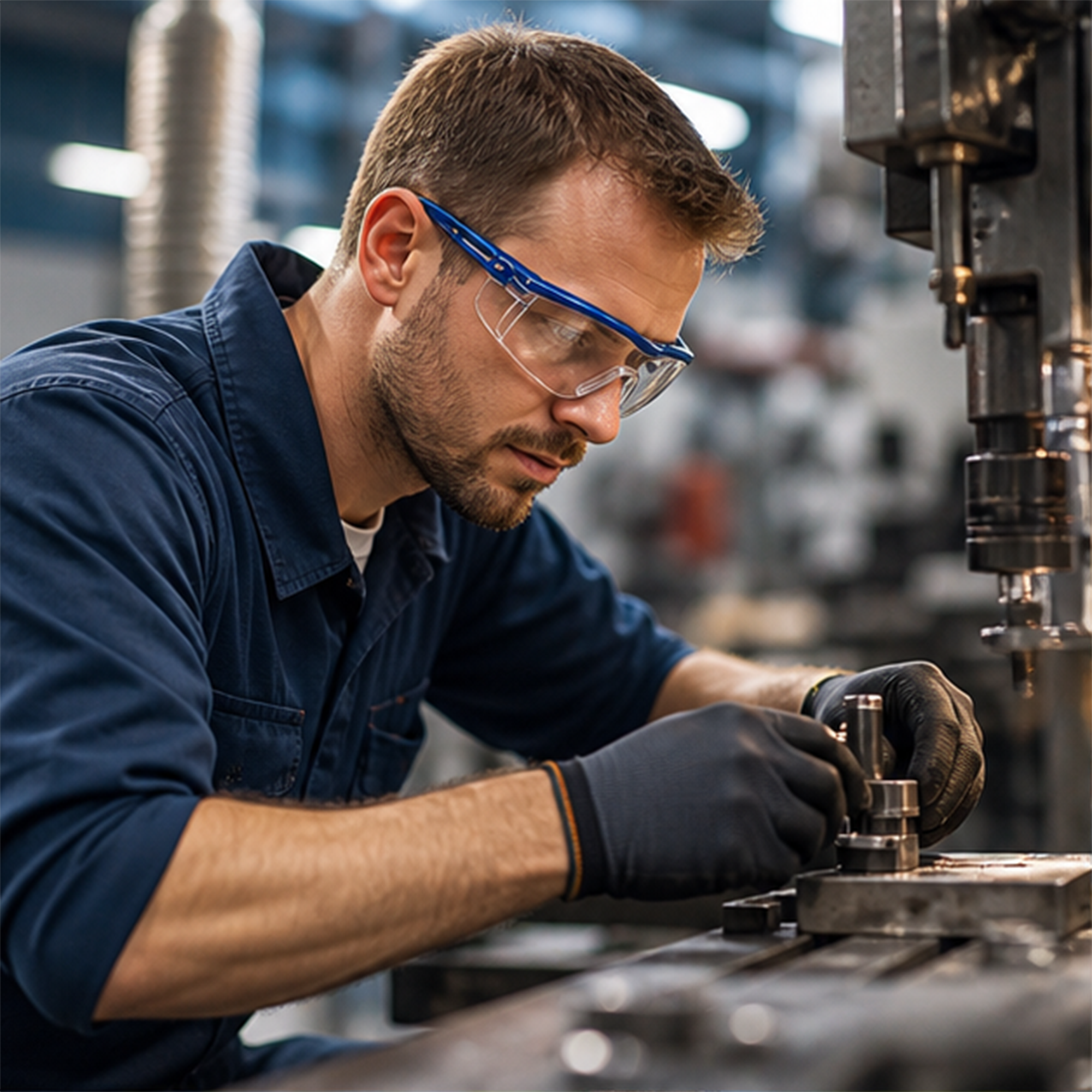
Welding safety glasses are utilized across various industrial settings, each demanding specific features based on the application: 

Metal Fabrication: In metal fabrication environments, where welding arcs are prevalent, glasses with higher shade levels (around 10-14) are necessary to protect against intense light and UV exposure. 

Construction: For construction sites, safety glasses should be robust and impact-resistant, considering the potential for debris and other hazards. Polycarbonate lenses with anti-fog features are particularly beneficial in outdoor conditions. 

Automotive Repair: In automotive repair shops, where both welding and cutting are performed, versatility in lens shading can enhance visibility while protecting against harmful rays. Custom tints may be beneficial based on specific tasks. 

Shipbuilding: In shipbuilding, welding safety glasses must withstand harsh environments. Look for goggles glasses that offer superior durability and resistance to chemical exposure while maintaining clarity and comfort. 

Manufacturing Plants: For general manufacturing applications, glasses should provide a balance of protection and comfort. Lightweight materials and anti-fog coatings are ideal for prolonged use. 

Understanding the specific applications for welding safety glasses in your industry will help you select the most appropriate products and ensure the safety of your personnel. 

By focusing on these critical aspects, you can make informed choices when purchasing welding safety glasses that not only meet regulatory requirements but also enhance the safety and productivity of your workforce. 

Get a Free Quote

Our representative will contact you soon.
Email
Mobile/WhatsApp
Name
Company Name
Country
Customer Type
Estimated Order Quantity
MOQ and Free Sample Policy
Message
0/1000