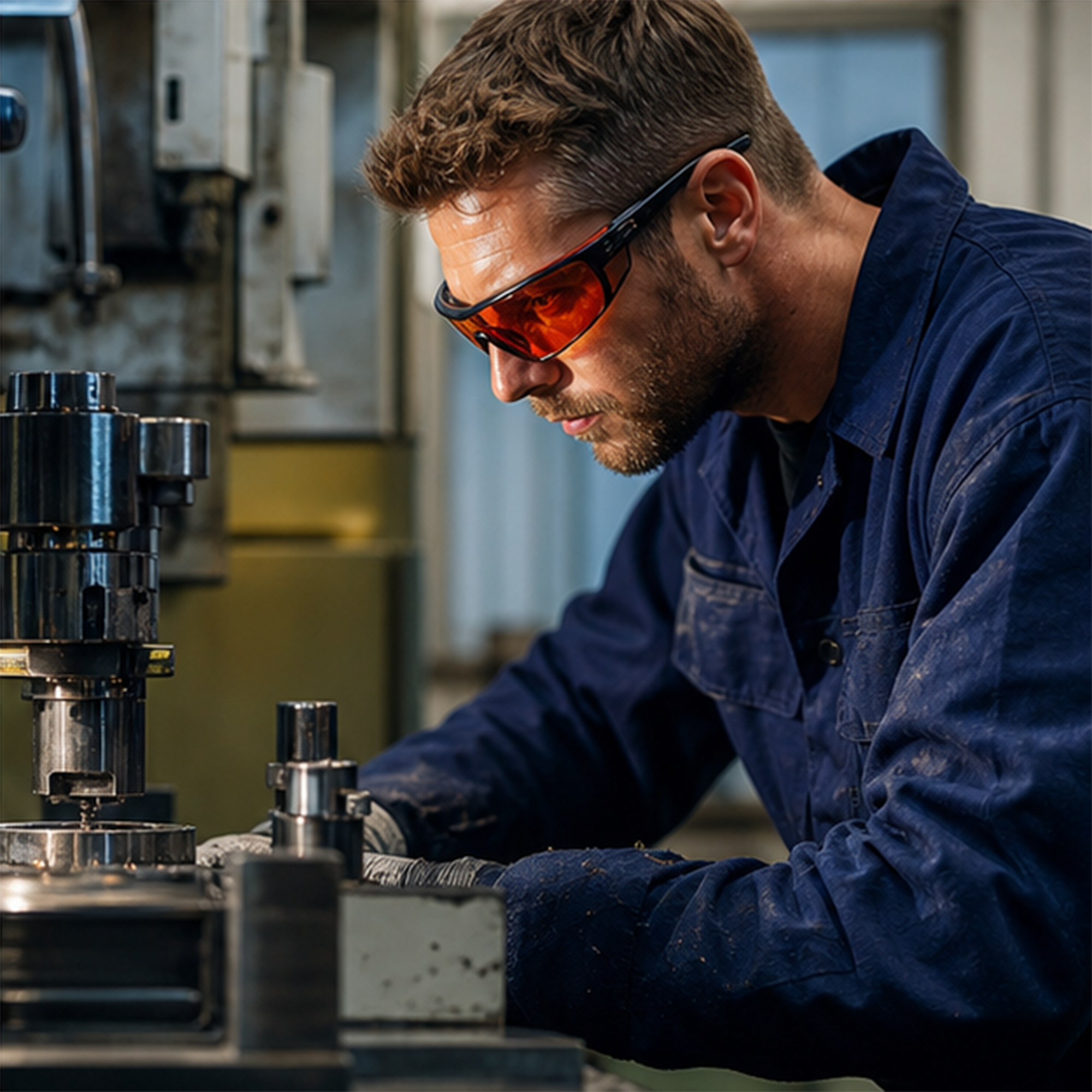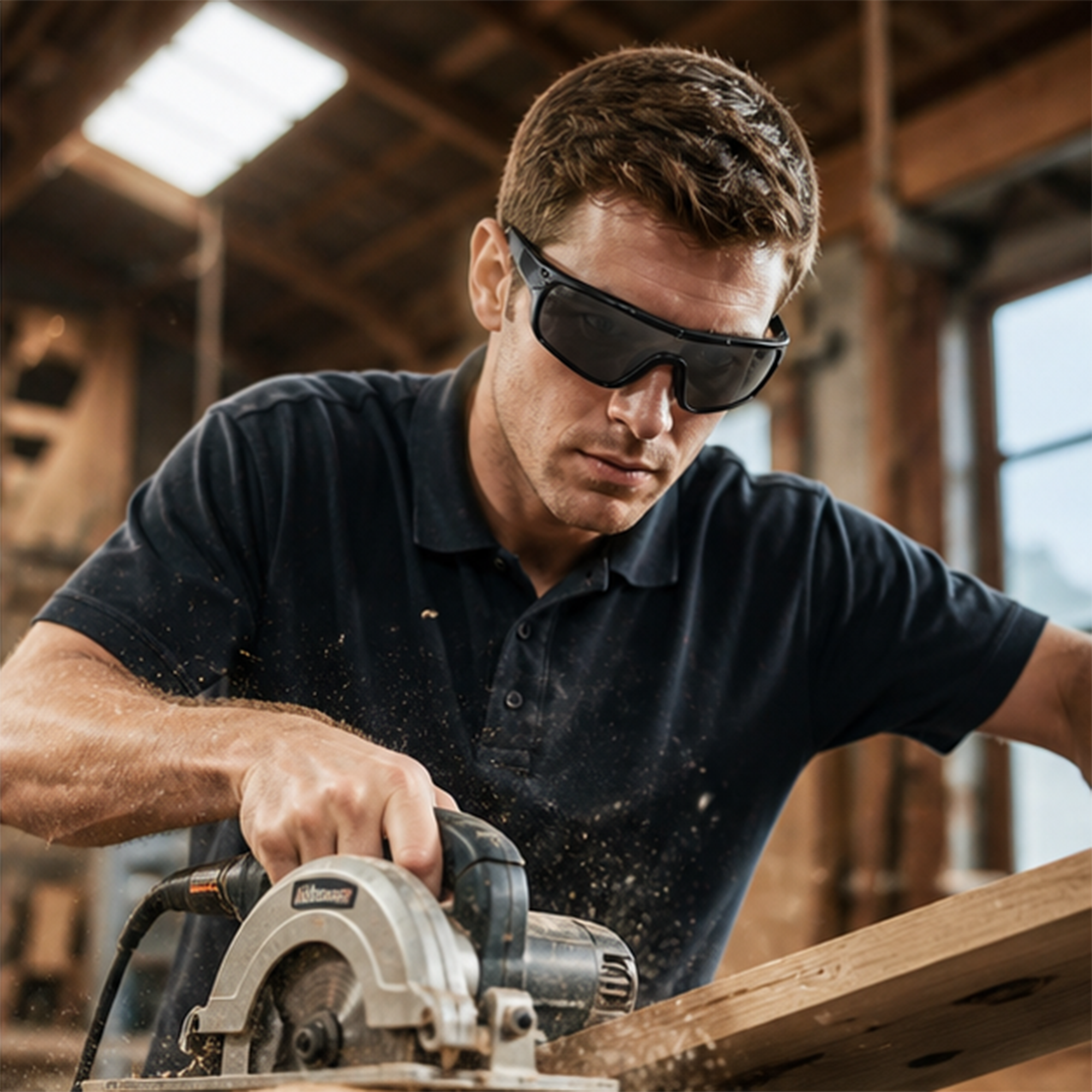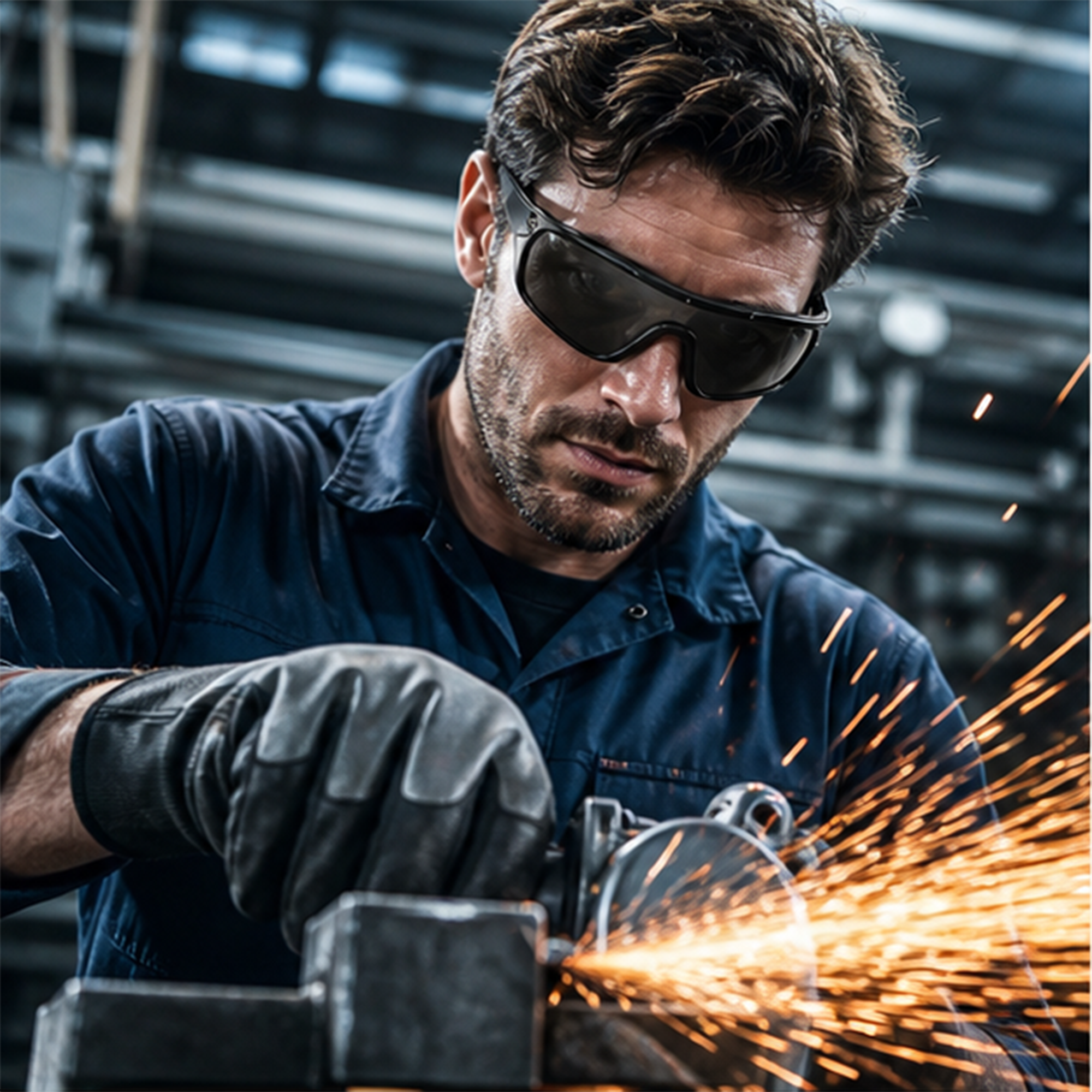
Key Features of Protective Glasses for Safety

Get a Free Quote

Our representative will contact you soon.
Email
Mobile/WhatsApp
Name
Company Name
Country
Customer Type
Estimated Order Quantity
MOQ and Free Sample Policy
Message
0/1000

Protect glasses

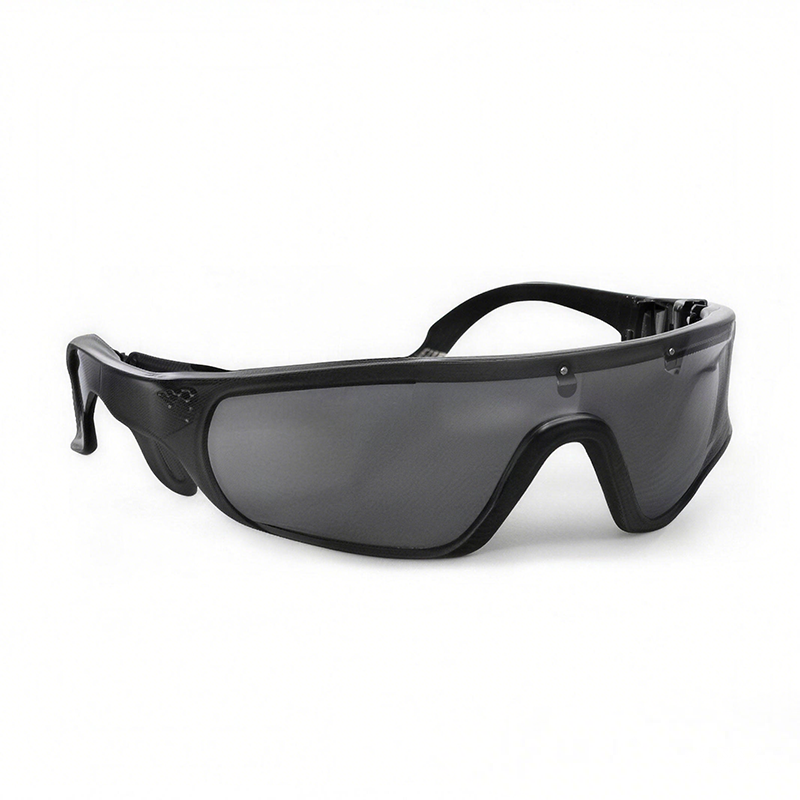
Protective glasses are essential safety gear in industrial settings, designed to shield the eyes from hazardous materials, flying debris, chemical splashes, and other potential threats. For B2B buyers, understanding the specifications, cost factors, and applications of protective glasses is crucial for making informed purchasing decisions. This article will delve into key specifications, cost evaluations for bulk orders, installation guidance, common issues and their solutions, and the applications of Falcon Global welding glasses across various industries.

Our Products

Key Specifications for High-Quality Protective Glasses

When selecting protective glasses, several specifications must be considered to ensure optimal safety and performance. 

Material: The lenses are usually made from polycarbonate or optical-grade plastic, which offer high impact resistance and clarity. Polycarbonate lenses are particularly favored for their lightweight nature and ability to withstand high-energy impacts. 

Lens Coating: Anti-fog and scratch-resistant coatings enhance usability in challenging environments. An anti-fog coating is crucial in settings where temperature variations can cause fogging, impeding visibility. 

UV Protection: Ensuring that the glasses provide adequate UV protection is vital for outdoor applications. Look for glasses that block 99% to 100% of UVA and UVB rays to prevent long-term eye damage. 

Fit and Comfort: The design should allow for a snug fit, preventing debris from entering around the edges. Adjustable features, such as temple length and nose pads, can enhance comfort during prolonged use. 

Certifications: Look for compliance with industry standards such as ANSI Z87.1 in the United States, which indicates that the glasses meet specific safety requirements for impact resistance. 

Optical Clarity: The glasses should provide clear vision without distortion, essential for tasks requiring precision. Optical clarity can be tested through various lens quality metrics, such as aberration levels. 

Evaluating these specifications helps ensure that the side protection for glasses chosen fulfill the safety requirements of the work environment, ultimately protecting workers' eyes effectively.

Frequently Asked Questions

What protection do these protect glasses offer?

Our protect glasses provide impact, dust, and splash protection, meeting industrial safety needs for grinding and metalworking environments.
Yes. They are manufactured to meet relevant industrial safety standards and undergo quality checks to ensure compliance with common ANSI/EN performance criteria.
Certain models are designed as over-the-glasses (OTG) and provide comfortable fit and protection without removing prescription eyewear.
Wipe lenses with a soft cloth and mild detergent, avoid harsh solvents, store in a protective case, and inspect for scratches or damage before use.
Yes. They are designed for compatibility with helmets, ear protection, and respiratory masks commonly used in industrial grinding and welding settings.

Our Blog Posts

Best Flap Disc for Grinding Welds Cleanly

01

May

Best Flap Disc for Grinding Welds Cleanly

Weld grinding is an essential step in metal fabrication, repair work, and surface finishing. After welding, uneven weld beads, sharp edges, and excess material often need to be removed to achieve a smooth and professional surface. Choosing the best f...
View More
What types of cut-off wheels are there?

15

May

What types of cut-off wheels are there?

Cut-off wheels are really important tools in lots work, specially metalworking stuff. Falcon Global have different kinds of cut-off wheels which helps people cut many materials easy. These wheels get attached to machines like angle grinders and they ...
View More
What applications are different types of cut-off wheels suitable for?

22

May

What applications are different types of cut-off wheels suitable for?

Cut-off wheels is important tool for cuting through differents materials. They come in many types which makes them good for lot of tasks. You can see them used in metal work, building sites, and even in home garage. Cut-off wheels made from stuff lik...
View More
How to Dress a Grinding Wheel for Best Performance

19

Aug

How to Dress a Grinding Wheel for Best Performance

Dressing a grinding wheel is important task that make it work better and last longer time. When you dress the wheel, you make surface smooth and clean from stuff. This help the wheel cut metal or other material more good. It like sharpen knife you wa...
View More

Get a Free Quote

Our representative will contact you soon.
Email
Mobile/WhatsApp
Name
Company Name
Country
Customer Type
Estimated Order Quantity
MOQ and Free Sample Policy
Message
0/1000

Related product categories

How to Evaluate the Cost of Protective Glasses for Bulk Orders

How to Evaluate the Cost of Protective Glasses for Bulk Orders

When purchasing Falcon Global protective glasses in bulk, cost evaluation involves more than just the unit price. Here are key factors to consider: 

Volume Discounts: Many suppliers offer tiered pricing based on order quantity. Requesting quotes for different volumes can help identify potential savings. 

Material and Manufacturing Costs: The type of material used for the lenses and frames significantly impacts pricing. For instance, polycarbonate lenses may be more expensive than traditional plastic but offer better protection and durability. 

Customization Options: If custom features such as specific coatings, colors, or branding are required, these can increase the overall cost. It's important to factor in these additional charges when budgeting. 

Shipping Costs: Bulk orders may incur higher shipping fees, especially if they need to be delivered quickly. Assessing shipping options and costs in advance helps avoid unexpected expenses. 

Lead Time: Ensure to consider the lead time for production and delivery, as a longer lead time may affect operational planning. Some manufacturers may charge higher prices for expedited shipping. 

Warranty and Return Policies: Understanding the warranty and return policy can provide added value, as a robust warranty may save costs on replacements or repairs in the long run. 

By considering these factors, buyers can make more informed decisions that align with their budget and operational needs.

Installation Guidance for Protective Glasses in Industrial Settings

Installation Guidance for Protective Glasses in Industrial Settings

Proper installation and usage of protective glasses are crucial to maximizing their effectiveness. Here are key points to consider: 

Assessing Fit: Ensure that the glasses fit securely on the user's face without gaps. Conduct fit tests by having users wear the glasses during simulated work conditions to confirm comfort and safety. 

Adjusting Straps and Nose Pads: Many protective glasses come with adjustable straps and nose pads. Adjust these features to ensure a snug fit that doesn't slip during movement. 

Storage and Maintenance: Educate users on proper storage when not in use to prevent scratches and damage. Use protective cases to store glasses in storage areas. 

Regular Inspections: Implement a routine inspection schedule to check for scratches, cracks, or other damage. Damaged glasses should be replaced immediately to maintain safety standards. 

Training Employees: Conduct training sessions to educate employees on the importance of wearing protective glasses and how to properly handle and maintain them. 

By following these guidelines, companies can ensure that protective glasses are used correctly and contribute to workplace safety.

Common Problems with Protective Glasses and Their Solutions

Common Problems with Protective Glasses and Their Solutions

While Falcon Global protective glasses are designed to offer safety, users may encounter some common problems. Here are issues and their solutions: 

Fogging: This is a common issue, especially in humid environments. Solutions include using anti-fog coatings or applying anti-fog sprays before use. Additionally, using glasses with ventilation holes can help reduce fogging. 

Scratching: Regular wear and tear can cause scratches on the lenses. To mitigate this, select security glasses with scratch-resistant coatings and educate employees on proper cleaning techniques, such as using microfiber cloths. 

Discomfort: Users may experience discomfort if the glasses do not fit properly. Conduct regular fit checks and consider offering multiple sizes or adjustable options to accommodate different users. 

Limited Visibility: Some glasses may distort vision or limit peripheral awareness. Opt for models that provide a wide field of view and ensure they meet optical clarity standards. 

Chemical Resistance: In chemical handling environments, glasses may become damaged by splashes. Ensure that the selected glasses are rated for chemical resistance if necessary. 

Addressing these common issues proactively can enhance employee compliance with safety protocols and reduce the risk of injury.

Applications of Protective Glasses in Various Industries

Protective glasses find applications across numerous industries, each with distinct safety requirements: 

Manufacturing: In manufacturing environments, protective glasses shield workers from flying debris, sparks, and chemical splashes. They are crucial for processes like grinding, welding, and assembly. 

Construction: Construction sites expose workers to various hazards, including dust and debris. High-visibility protective glasses provide both safety and comfort. 

Laboratories: In laboratories, protective glasses protect against chemical spills and splashes. Optical-grade lenses are vital for ensuring clear visibility while handling sensitive materials. 

Healthcare: Protective eyewear is essential in healthcare settings, particularly in surgeries and during procedures involving potential exposure to bodily fluids. Glasses must be easily disinfected. 

Mining: In mining operations, protective glasses safeguard against flying particles and harmful UV exposure when working outdoors. Robust designs are necessary to withstand harsh environments. 

Agriculture: Workers in agriculture may face exposure to chemicals and UV rays. Protective glasses designed for agricultural use often feature UV protection and anti-fog properties. 

By understanding the specific needs of each industry, buyers can select appropriate protective glasses that enhance safety and compliance with health regulations.

Get a Free Quote

Our representative will contact you soon.
Email
Mobile/WhatsApp
Name
Company Name
Country
Customer Type
Estimated Order Quantity
MOQ and Free Sample Policy
Message
0/1000