EN

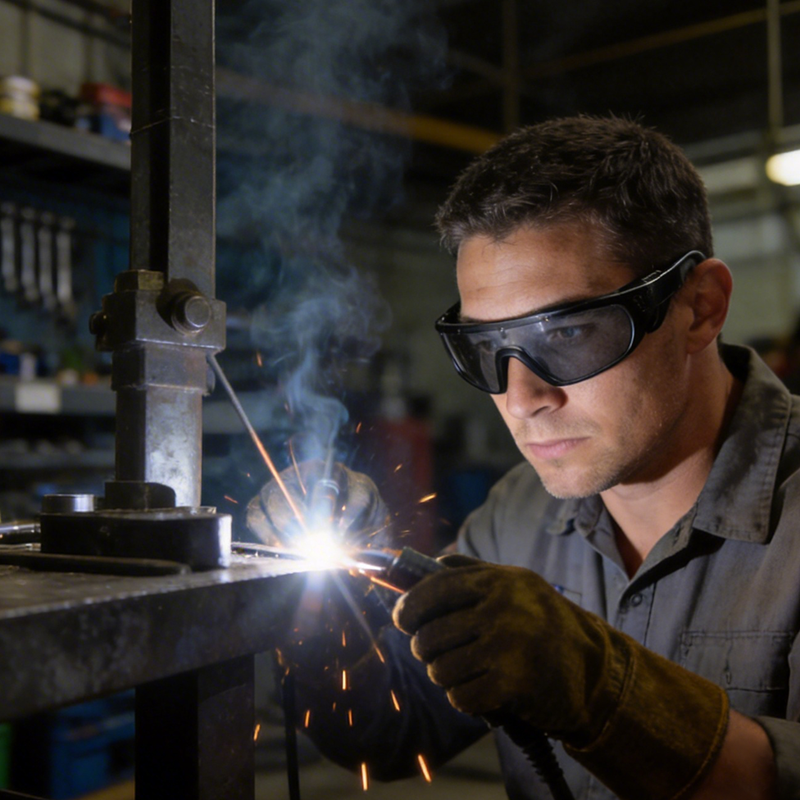
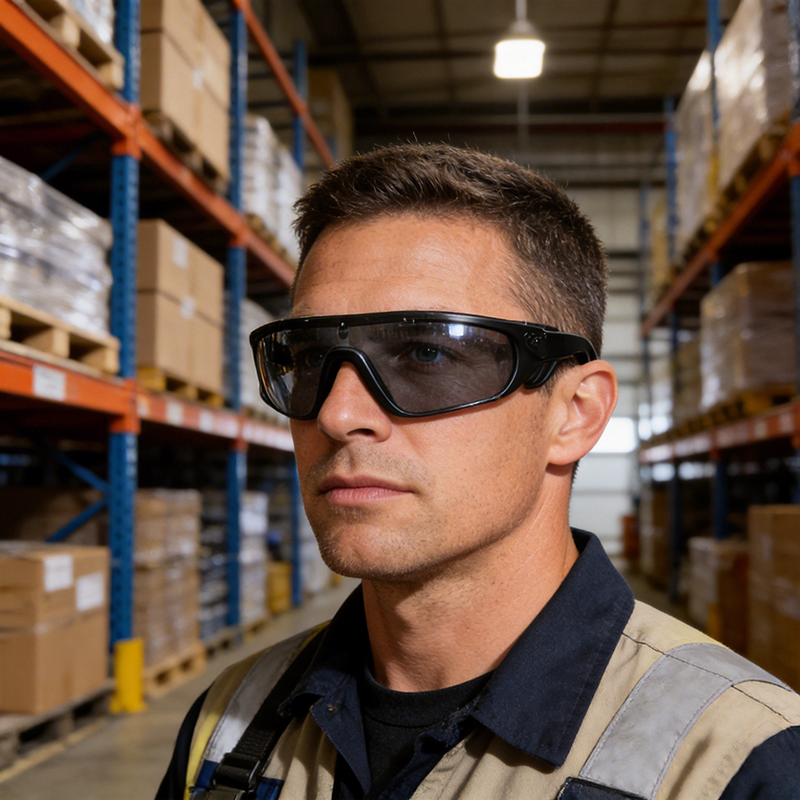
Laser eye glasses are essential protective eyewear designed to safeguard the eyes from harmful laser light during industrial operations, such as welding, cutting, or engraving. For B2B buyers, the primary concerns revolve around ensuring maximum protection, comfort, and suitability for their specific applications. This article will help purchasing managers, engineers, and safety officers understand the critical aspects of selecting, comparing, and maintaining goggle eye glasses, alongside addressing common issues and applications across various industries.



When is a flap disc worn out?
A flap disc is an essential abrasive tool used for grinding, blending, and finishing a variety of surfaces. Commonly installed on angle grinders, flap discs are made with multiple layers of abrasive cloth that gradually wear away during use while mai...
View More