Common Issues and Solutions for Protective Glasses

Get a Free Quote

Our representative will contact you soon.
Email
Mobile/WhatsApp
Name
Company Name
Country
Customer Type
Estimated Order Quantity
MOQ and Free Sample Policy
Message
0/1000

Protective glasses

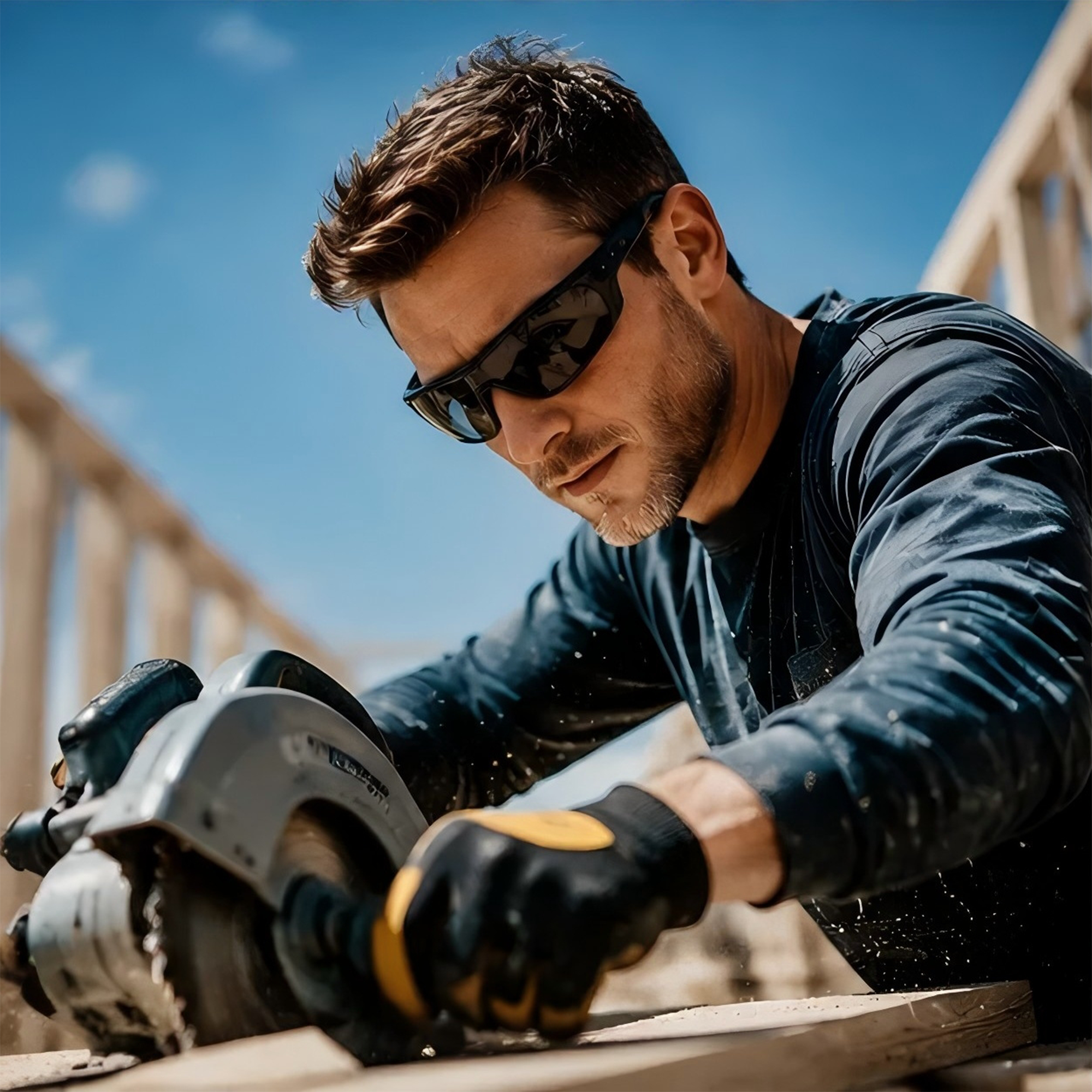
Protective glasses are essential safety gear designed to shield the eyes from various hazards encountered in industrial and commercial environments. As a B2B buyer, concerns typically revolve around product specifications, quality, compliance with safety standards, and cost-effectiveness. This article will provide insights into the common installation issues associated with goggle eye glasses, the cost factors to consider when purchasing them wholesale, their applications across different industries, key considerations for buyers, and how to find trustworthy sources for these critical safety products.
Common Installation Issues with Protective Glasses and Solutions

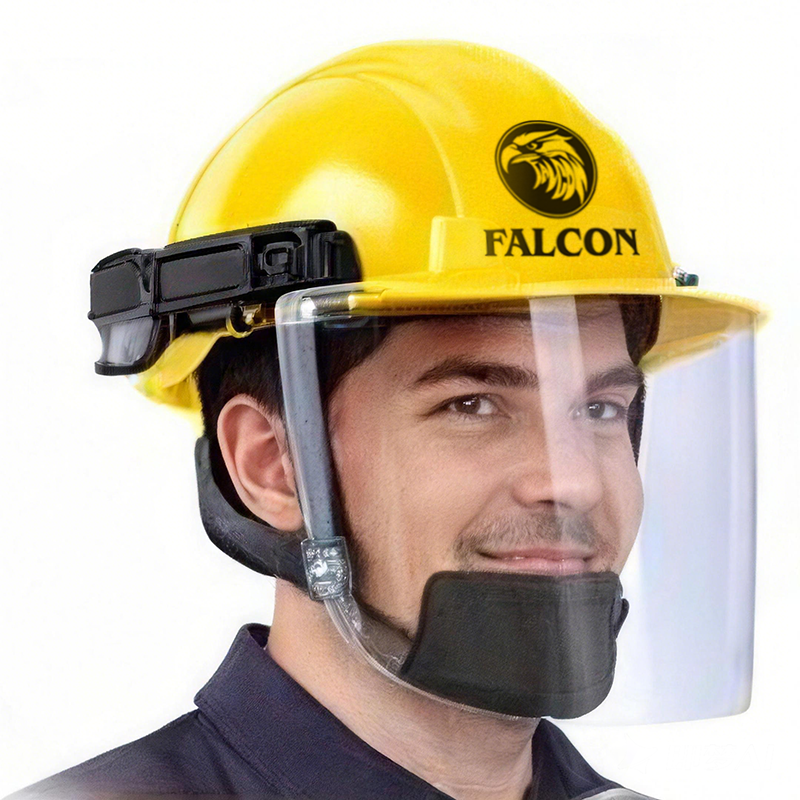
When installing protective glasses, users may encounter several common issues that can affect their effectiveness and comfort. One frequent problem is improper fit. Glasses that are too loose or too tight can cause discomfort and reduce the level of protection. It is crucial for buyers to ensure that the glasses are compatible with other personal protective equipment (PPE) such as helmets or respirators. A secure fit can often be achieved by selecting models with adjustable features or interchangeable components.  

Another common issue is lens fogging, which can impair visibility during critical tasks. This can be mitigated through the selection of anti-fog coated lenses or by using de-fogging wipes. Additionally, ensuring the glasses are cleaned regularly can help maintain clarity. Furthermore, buyers should consider the environmental conditions where the glasses will be used, as extreme temperatures or humidity can exacerbate fogging issues.  

Lastly, users may experience scratches on the lenses, which can hinder vision and reduce the glasses' lifespan. To combat this, purchasing glasses with scratch-resistant coatings is advisable. Proper storage and handling can also prevent damage when the welding glasses are not in use.  

Frequently Asked Questions

What protection do these protective glasses provide?

They offer impact resistance, UV protection, and splash/shard shielding, designed for industrial grinding, cutting, and general workshop hazards.
Yes. They are manufactured to meet common industrial safety and impact standards and undergo quality checks for workplace use.
Lenses are made from high-impact polycarbonate; frames use durable, chemical-resistant polymers for long-term industrial performance.
Certain models are designed as over-glasses with extra internal space; check product specifications to confirm fit for prescription frames.
Clean with mild soap and water or approved lens cleaner, avoid abrasive cloths, store in a protective case, and replace if scratched or damaged.

Our Blog Posts

Common Uses of Fiber Discs in Metalworking

01

Aug

Common Uses of Fiber Discs in Metalworking

Fiber discs are really important tools in metalworking. They are round shape discs made from strong stuff and covered with abrasive grains. These discs get used on grinders or sanders machines to smooth, shape, and polish metal surfaces. Peoples who ...
View More
How to Dress a Grinding Wheel for Best Performance

19

Aug

How to Dress a Grinding Wheel for Best Performance

Dressing a grinding wheel is important task that make it work better and last longer time. When you dress the wheel, you make surface smooth and clean from stuff. This help the wheel cut metal or other material more good. It like sharpen knife you wa...
View More
How to Choose Between Cut Off Wheels and Grinding Wheels

14

May

How to Choose Between Cut Off Wheels and Grinding Wheels

Choosing between cut-off wheels and grinding wheels can be confusing in the begining, but once you understand their differences it will helps you pick the right one for your project. Cut-off wheels they are thin and made to slice materials like metal...
View More
Class E, G, C Hard Hats: Electrical Safety Ratings

22

Jul

Class E, G, C Hard Hats: Electrical Safety Ratings

Hard hats are really important to keep workers safe, specially in places where things can fall on head or there is electrical danger. At Falcon Global, we understand that picking the correct Hard Hat make big difference. There is Class E, G, and C ha...
View More

Get a Free Quote

Our representative will contact you soon.
Email
Mobile/WhatsApp
Name
Company Name
Country
Customer Type
Estimated Order Quantity
MOQ and Free Sample Policy
Message
0/1000

Related product categories

Cost Factors When Purchasing Protective Glasses Wholesale

Cost Factors When Purchasing Protective Glasses Wholesale

When considering wholesale purchases of protective glasses, several cost factors come into play. First, the material used in the lenses and frames significantly influences price. Polycarbonate lenses, known for their high impact resistance, tend to be more expensive than standard plastic options. Buyers should evaluate the trade-off between cost and the level of protection required for specific applications. 

Quantity discounts are another key consideration. Many manufacturers, including FALCON GLOBAL / TOOLS SAFETY, often provide price reductions for bulk purchases, which can lead to significant savings. Understanding the minimum order quantity (MOQ) is essential, as this can vary between suppliers and affect overall costs. 

Customization options can also impact pricing. If buyers require specific features such as tinted lenses, specialized coatings, or unique designs, they should be prepared for potentially higher costs. Clarifying these requirements upfront can help streamline the purchasing process and avoid unexpected expenses. 

Finally, shipping and handling fees should not be overlooked. These costs can vary significantly based on order size, delivery location, and shipping speed. It's advisable to factor in these elements when budgeting for a wholesale order of protective goggles glasses. 

Applications of Protective Glasses Across Various Industries

Applications of Protective Glasses Across Various Industries

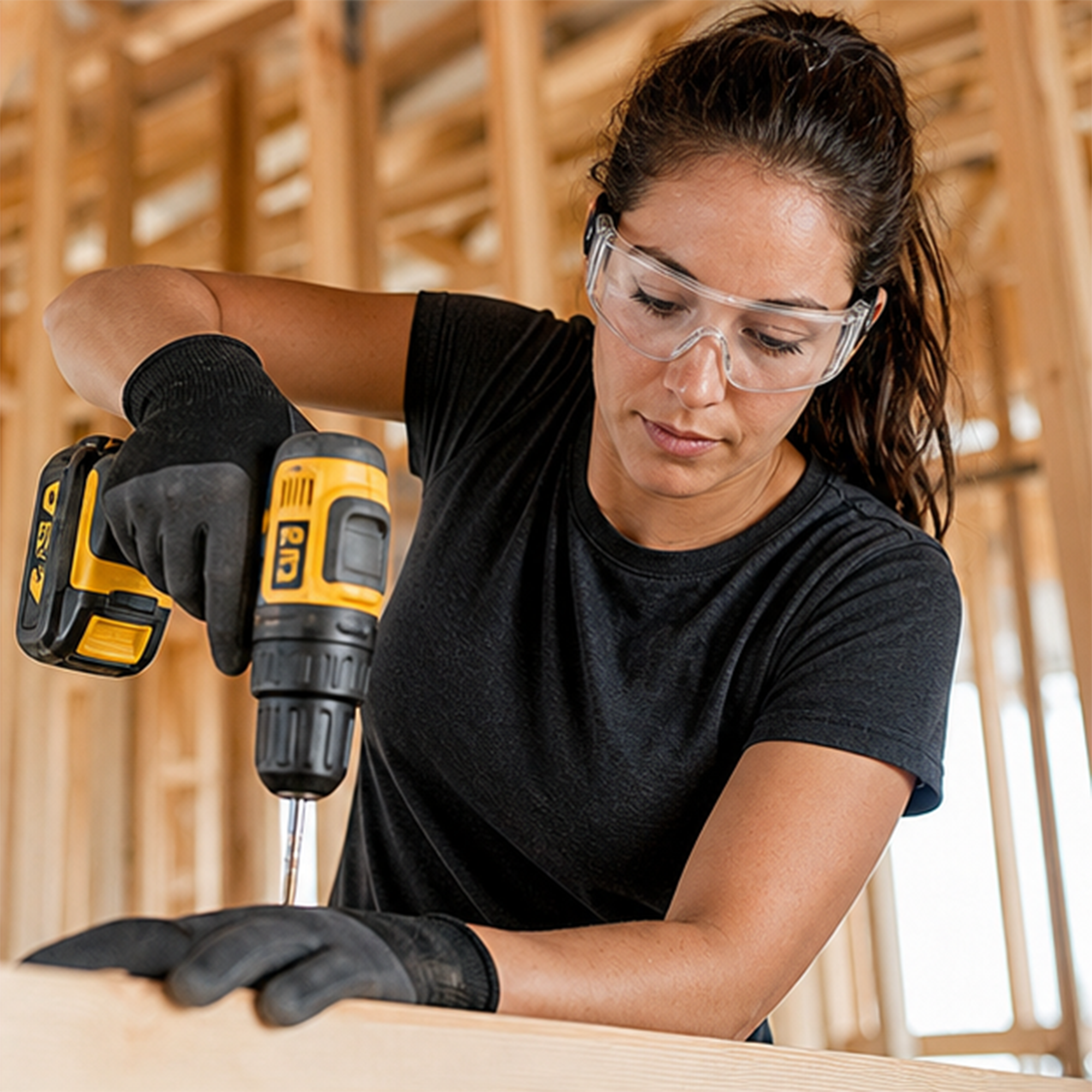
Protective glasses find application across numerous industries, each with its unique safety requirements. In the construction sector, for instance, they are essential for safeguarding against flying debris and particles. Glasses designed for this environment typically feature impact-resistant lenses and durable frames to withstand harsh conditions. 

In healthcare, protective eyewear is crucial in safeguarding medical personnel from exposure to bodily fluids and other hazardous substances. These glasses often come with anti-fog and anti-scratch features, ensuring clear visibility during critical procedures. 

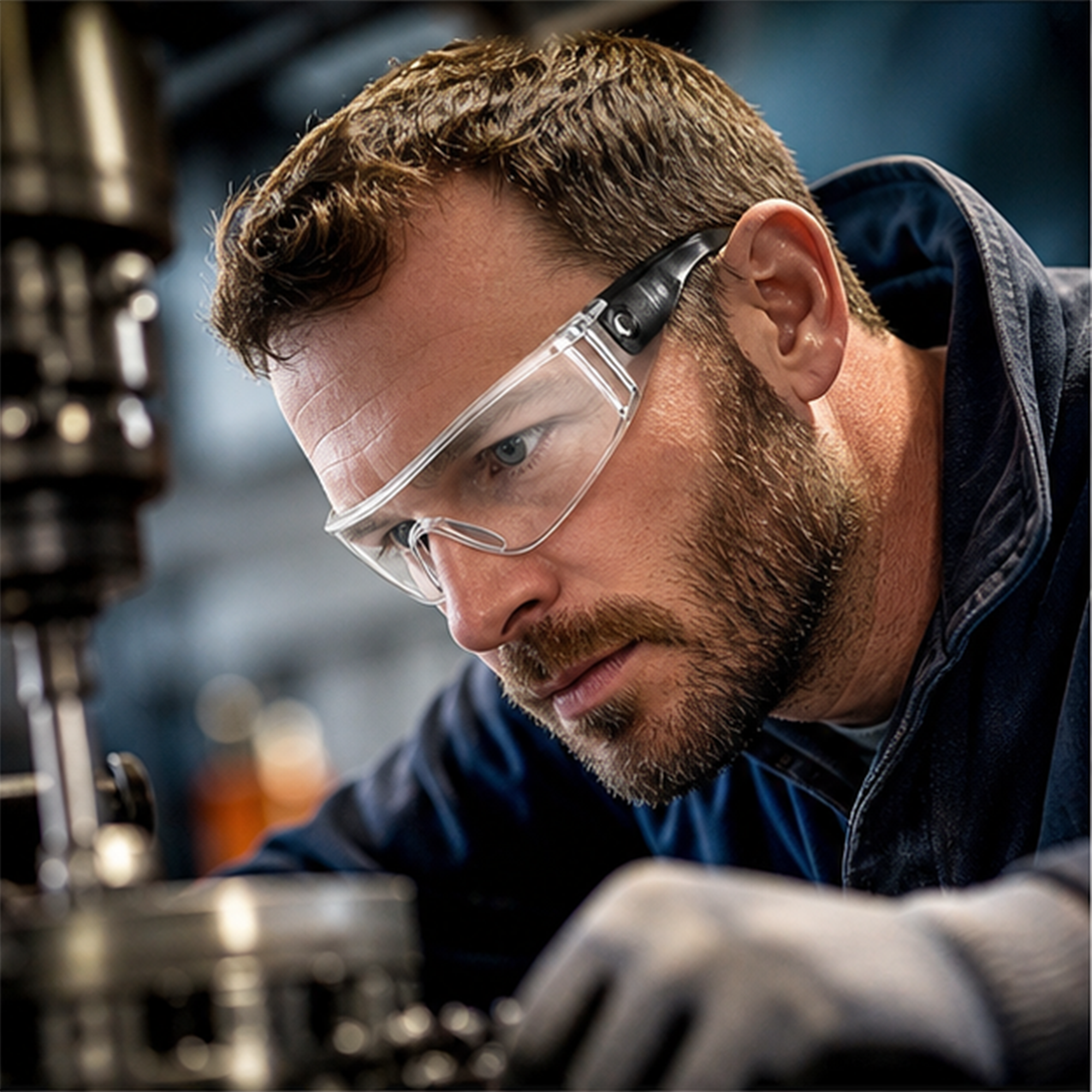
Manufacturing industries, particularly those involving machining or welding processes, require specialized protective glasses that can withstand high levels of heat and electromagnetic radiation. These glasses often incorporate filters to protect against UV light and bright flashes, reducing the risk of eye damage. 

Moreover, the chemical industry necessitates the use of safety glasses that can withstand exposure to corrosive materials. Chemical-resistant lenses and side shields are common features that enhance protection in such environments. 

By understanding the specific applications of protective glasses, buyers can make informed decisions that align with their industry requirements. 

What Buyers Need to Know

What Buyers Need to Know

When purchasing protective glasses, buyers should keep several critical factors in mind. First, compliance with relevant safety standards is crucial. Buyers should verify that the glasses meet industry-specific regulations, such as ANSI Z87.1 in the U.S., which ensures that the eyewear provides adequate protection. 

Next, buyers should evaluate the lens specifications. Key considerations include the level of impact resistance, optical clarity, and any additional coatings that may enhance performance, such as anti-fog or anti-reflective treatments. The choice of material also affects the weight and comfort of the glasses, which can influence user compliance. 

Buyers should also assess the potential for customization. Many manufacturers offer tailored solutions to meet specific needs, such as different lens tints for varying lighting conditions. Understanding the available options can help buyers choose the most suitable eyewear. 

Additionally, it is advisable to review the warranty and return policies provided by suppliers. A reliable warranty can indicate the manufacturer's confidence in their product quality, while favorable return terms provide assurance in case the glasses do not meet expectations. 

Finding Trusted Sources for Protective Glasses

Locating reliable suppliers for protective glasses is a fundamental step in ensuring the quality and effectiveness of the products. Start by seeking manufacturers with a proven track record in the industry, like FALCON GLOBAL / TOOLS SAFETY, which specializes in high-performance safety gear. 

Buyers should also consider requesting product samples before committing to large orders. This allows for firsthand evaluation of fit, comfort, and performance under actual working conditions. Additionally, leveraging industry networks and attending trade shows can provide valuable insights into reputable suppliers and their offerings. 

Evaluating a supplier's certifications and quality control processes is equally important. Look for manufacturers that adhere to recognized quality standards, as this often correlates with the reliability of their products. 

Lastly, reading customer reviews and testimonials can offer insights into the experiences of other buyers. Positive feedback regarding the quality and durability of protective glasses can reinforce confidence in a supplier's capabilities. 

By following these guidelines, buyers can make informed decisions and establish lasting relationships with trusted manufacturers in the protective eyewear market. 

Get a Free Quote

Our representative will contact you soon.
Email
Mobile/WhatsApp
Name
Company Name
Country
Customer Type
Estimated Order Quantity
MOQ and Free Sample Policy
Message
0/1000