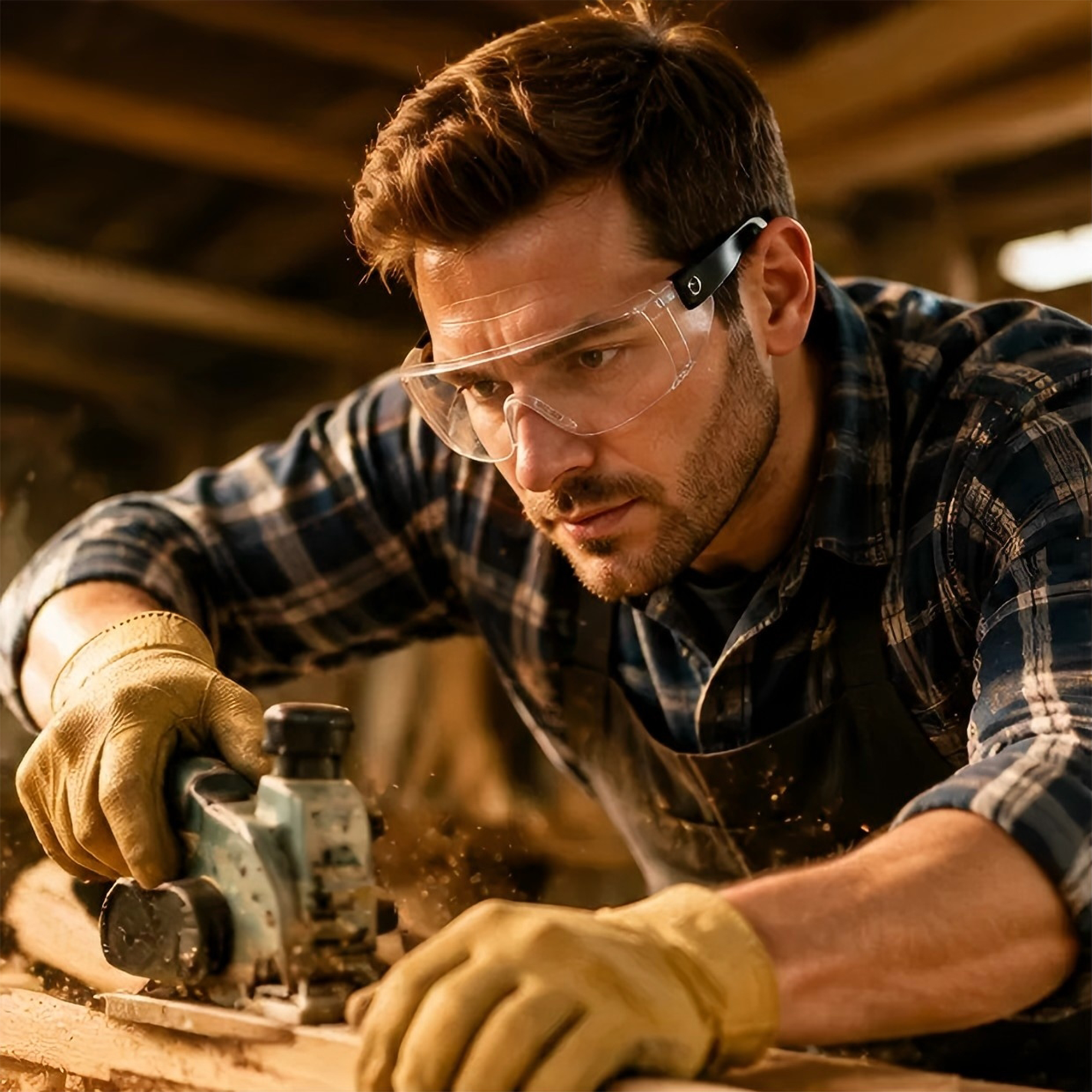
Choosing the Right Polarised Safety Glasses

Get a Free Quote

Our representative will contact you soon.
Email
Mobile/WhatsApp
Name
Company Name
Country
Customer Type
Estimated Order Quantity
MOQ and Free Sample Policy
Message
0/1000

Polarised safety glasses

Polarised safety glasses are essential protective eyewear designed to shield the eyes from harmful glare and UV radiation, particularly in industrial environments. As a purchasing manager or product manager, you may be concerned about the quality, durability, and suitability of these glasses for specific projects. This construction hat article will help you navigate the selection process, understand key specifications, and assess cost factors, ensuring your investment in polarised safety glasses meets your operational needs.

Our Products

Choosing the Right Polarised Safety Glasses for Your Project Needs

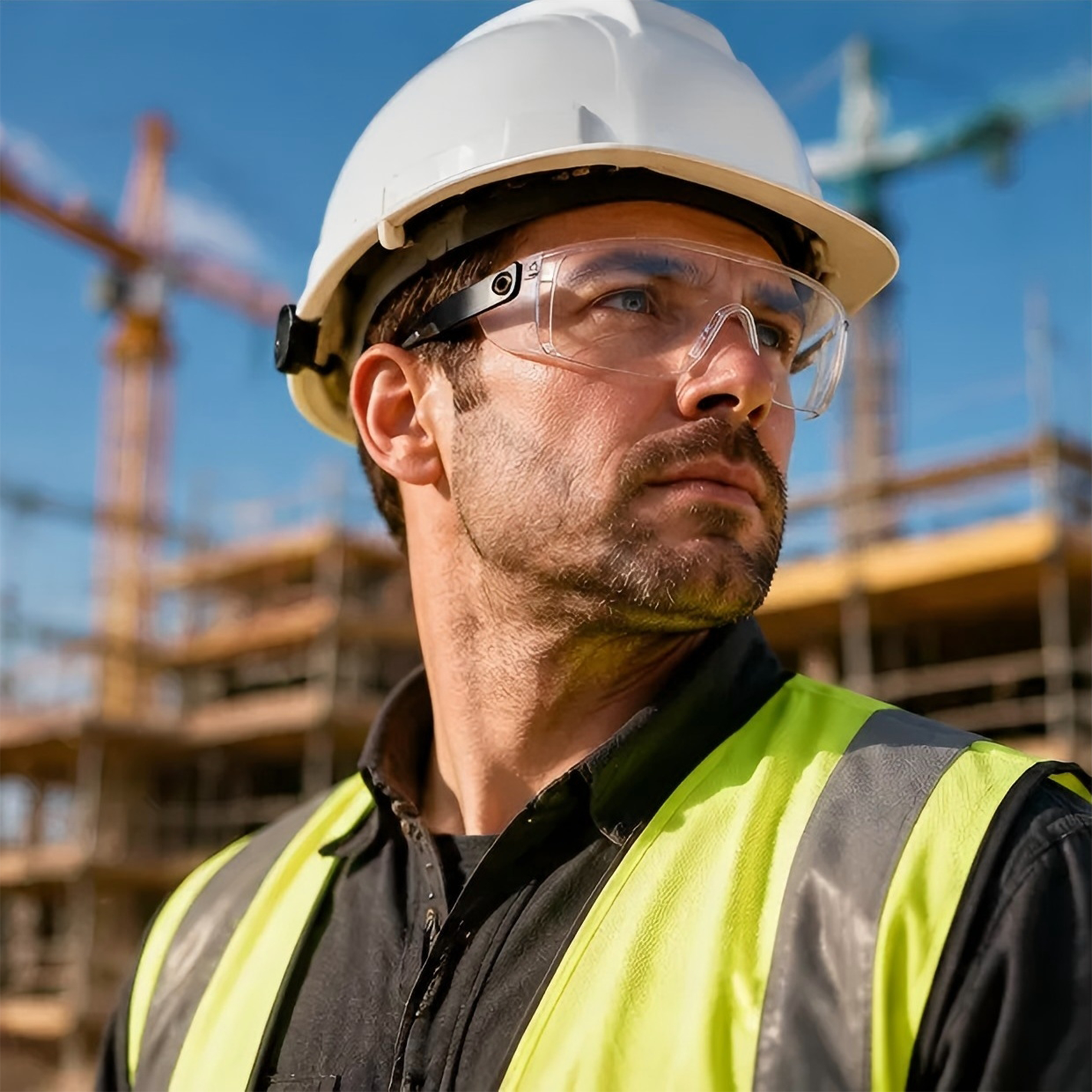
When selecting polarised safety glasses, consider the specific requirements of your project.  These construction helmet glasses are particularly useful in environments where glare from reflective surfaces can impair vision and safety, such as construction sites, manufacturing plants, and outdoor settings. 

Key factors to consider include lens tint, which affects visibility under different lighting conditions, and frame style, which should ensure a secure fit and comfort for prolonged wear. Additionally, assess whether the glasses meet relevant safety standards for impact resistance and UV protection. Depending on your industry's requirements, you may also want to explore options for anti-fog coatings, which can enhance usability in humid environments. 

Frequently Asked Questions

What are polarised safety glasses used for?

Polarised safety glasses reduce glare from reflective surfaces, improving visibility and comfort in outdoor and industrial environments, especially when working near water, metal, or polished surfaces.
Yes. Our polarised safety glasses are manufactured to meet common industrial impact and optical clarity standards, providing certified eye protection suitable for many worksite applications.
Yes. Lenses are produced with durable coatings and high-strength materials to resist scratches and impacts, balancing clarity with long-lasting protection for industrial use.
Some models are designed as over-the-glasses (OTG) fit. Check specific product descriptions for OTG compatibility or inquire about prescription insert options for secure, comfortable wear.
Clean lenses with a soft microfiber cloth and mild soapy water or approved lens cleaner. Avoid abrasive materials and high-heat drying. Store in a protective case to preserve polarization and coatings.

Our Blog Posts

Industrial Flap Discs: Quality Standards for Heavy-Duty Applications

10

Apr

Industrial Flap Discs: Quality Standards for Heavy-Duty Applications

Industrial flap discs play a critical role in heavy-duty metal fabrication, manufacturing, and surface preparation industries. Designed for grinding, blending, deburring, and finishing operations, high-quality flap discs provide consistent performanc...
View More
Can a Masonry Cut Off Wheel Cut Metal?

19

Sep

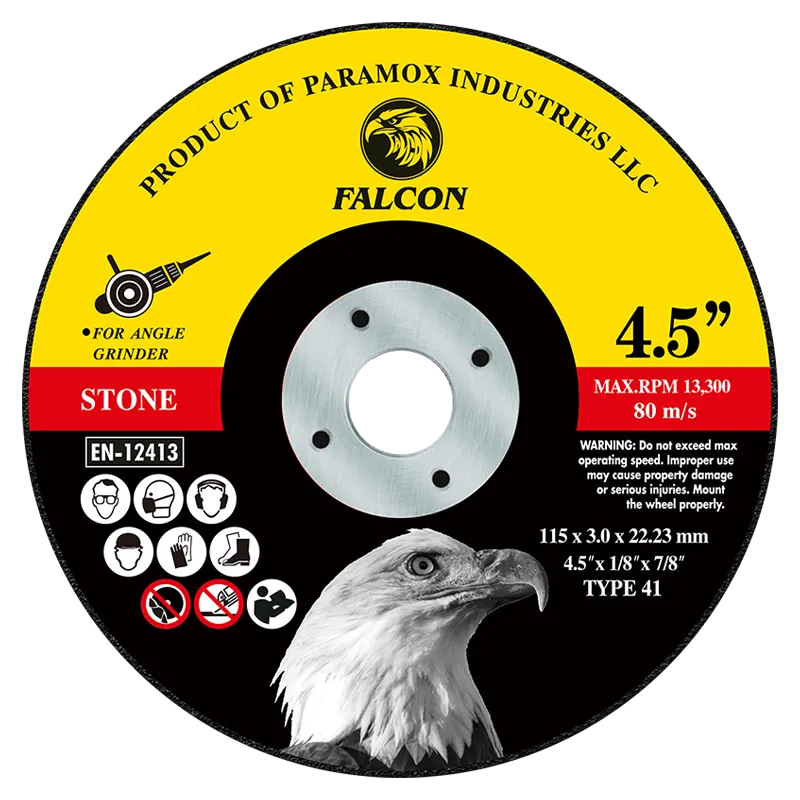
Can a Masonry Cut Off Wheel Cut Metal?

When selecting an abrasive cutting wheel, it is important to choose a product that is suitable for the material and application. Masonry cut-off wheels are mainly designed for cutting masonry materials such as brick, concrete, stone, and other simila...
View More
Type 1 vs Type 27 Cut Off Wheel: Full Comparison

09

Oct

Type 1 vs Type 27 Cut Off Wheel: Full Comparison

A Abrasive wheels are essential tools in metal fabrication, construction, welding, maintenance and general industrial work. When selecting an abrasive wheel, users often focus on diameter, thickness, abrasive material and RPM. However, the wheel type...
View More
How to Extend the Lifespan of Your Cut Off Wheels

11

Oct

How to Extend the Lifespan of Your Cut Off Wheels

Cut-off wheels are essential abrasive tools for industrial cutting applications. They are widely used for cutting metal, concrete, stone, and other hard materials. However, wheel selection and operating methods have a direct impact on cutting perform...
View More

Get a Free Quote

Our representative will contact you soon.
Email
Mobile/WhatsApp
Name
Company Name
Country
Customer Type
Estimated Order Quantity
MOQ and Free Sample Policy
Message
0/1000

Related product categories

Key Specifications to Consider When Sourcing Polarised Safety Glasses

Key Specifications to Consider When Sourcing Polarised Safety Glasses

When sourcing polarised safety glasses, several specifications are crucial for ensuring the right fit and performance: 

Lens Material: Common materials include polycarbonate, which is lightweight and impact-resistant, and glass, known for optical clarity but heavier weight. Polycarbonate is generally preferred in industrial applications due to its superior shatter resistance. 

Polarisation Level: Different polarisation levels are available, and understanding these can help you choose glasses that effectively reduce glare without compromising visibility. A higher polarisation level may be necessary in extremely bright environments. 

UV Protection: Verify that the lenses block 100% of UVA and UVB rays. This safety helmet is critical for protecting against long-term eye damage during prolonged outdoor use. 

Fit and Comfort: Look for adjustable features within the frames, such as rubberized nose pads or temple tips, which can enhance comfort during long hours of wear. 

Coatings and Treatments: Anti-scratch and anti-fog coatings can significantly improve the longevity and usability of polarised safety glasses in various working conditions. 

How to Compare Polarised Safety Glasses for Wholesale Purchases

How to Compare Polarised Safety Glasses for Wholesale Purchases

When comparing polarised safety glasses for wholesale purchases, it's essential to evaluate several aspects to ensure you make an informed decision: 

Supplier Reputation: Research potential suppliers, focusing on their manufacturing capabilities, product range, and customer reviews. A reputable supplier should have experience in producing safety eyewear meeting industry standards. 

Customization Options: Determine whether suppliers can accommodate specific customization requests, such as branded logos or unique frame styles, which may be important for your company’s branding. 

Pricing Structure: Compare pricing models, considering volume discounts for bulk orders. Ensure that the quoted price reflects the quality and specifications of the glasses. 

Lead Times: Assess the lead times for production and delivery. Understanding the timeline is crucial for project planning and ensuring that safety gear is available when needed. 

Quality Assurance: Inquire about the quality control processes in place at the manufacturing facility. This may include testing procedures for impact resistance and UV protection to ensure compliance with safety standards. 

Installation Guidance for Polarised Safety Glasses in Industrial Settings

Installation Guidance for Polarised Safety Glasses in Industrial Settings

While polarised safety glasses are typically easy to use, ensuring they are worn correctly in an industrial setting is vital for optimal protection. Here are several key installation and usage guidelines: 

Proper Fit: Ensure that the glasses fit securely and comfortably on the user’s face. They should not slide down the nose or pinch the temples. Adjustments may be necessary for different users. 

Cleaning and Maintenance: Provide clear instructions on how to clean the glasses without damaging the lenses. Use a microfiber cloth and lens cleaner specifically designed for eyewear, avoiding harsh chemicals that may degrade coatings. 

Storage Solutions: Encourage users to store their glasses in a protective case when not in use. This can prevent scratches and prolong the lifespan of the eyewear. 

Regular Inspections: Implement a routine check for any signs of wear or damage. This can help identify issues early, ensuring that all employees have access to functional and safe eyewear. 

Understanding the Cost Factors of Polarised Safety Glasses in Bulk Orders

The cost of polarised safety glasses can vary significantly based on several factors. Understanding these can help you budget effectively for bulk orders: 

Material Quality: Higher-quality materials, such as premium polycarbonate lenses and durable frame materials, typically come at a higher price but offer greater durability and protection. 

Customization Fees: If you require custom branding or specific features (like anti-fog treatments), these can add to the overall cost. It’s advisable to discuss these needs upfront with suppliers to get an accurate quote. 

Volume Discounts: Many suppliers offer price breaks at certain quantity thresholds. Understanding these thresholds can help you optimize your order size to reduce costs. 

Shipping Costs: Factor in shipping costs, especially for international orders. Bulk purchases may qualify for reduced shipping rates, so discuss these options with your supplier. 

Lead Time Considerations: Urgent orders may incur additional costs. Planning ahead can help mitigate this and allow for more favorable pricing. 

By carefully considering these factors and specifications, you can make informed decisions when sourcing polarised safety glasses that meet your needs and ensure the safety of your workforce. 

Get a Free Quote

Our representative will contact you soon.
Email
Mobile/WhatsApp
Name
Company Name
Country
Customer Type
Estimated Order Quantity
MOQ and Free Sample Policy
Message
0/1000