Key Specifications for Prescription Safety Spectacles

Get a Free Quote

Our representative will contact you soon.
Email
Mobile/WhatsApp
Name
Company Name
Country
Customer Type
Estimated Order Quantity
MOQ and Free Sample Policy
Message
0/1000

Prescription safety spectacles

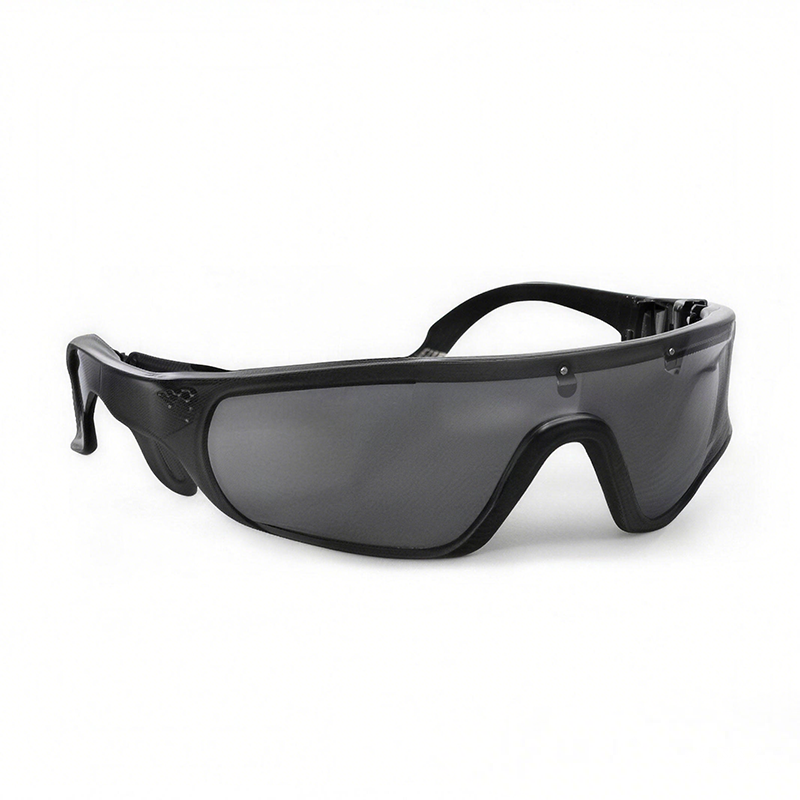
Prescription safety spectacles are specialized eyewear designed to offer vision correction while providing essential protection from hazards in industrial environments. For purchasing managers and safety officers, the key concerns often revolve around compliance with safety standards, comfort for prolonged use, and the overall effectiveness in protecting against workplace hazards. This article will delve into the critical specifications, cost factors, installation guidance, common issues, and the benefits of advanced materials in the design of prescription safety spectacles, equipping you with the knowledge necessary for informed purchasing decisions. 

Our Products

Key Specifications for High-Quality Prescription Safety Spectacles

When selecting prescription safety glasses, several key specifications should be evaluated to ensure they meet the required safety and performance standards. 

Lens Material and Coating: Prescription lenses should be made of polycarbonate or Trivex, known for their impact resistance and lightweight properties. Consider coatings such as anti-scratch and anti-fog to enhance durability and visibility in demanding environments. 

Frame Design and Fit: The frame must provide a secure fit to prevent slipping during movement. Look for adjustable features or specialized designs that accommodate different head sizes and shapes. Comfort is essential, especially for users who need to wear them for extended periods. 

Optical Clarity: Verify that the lenses meet optical clarity standards, ensuring that vision remains unobstructed and clear. This is critical in environments where precision is necessary. 

Safety Standards Compliance: Ensure that the spectacles comply with relevant safety standards, such as ANSI Z87.1 in the United States, which outlines performance requirements for protective eyewear. Compliance indicates the product has undergone rigorous testing. 

Prescription Accuracy: The prescription must be accurately manufactured according to the individual's specifications. This includes verifying the correct lens power, astigmatism correction, and pupillary distance. 

Focusing on these specifications will help ensure that the selected prescription safety spectacles provide adequate protection and comfort for end users. 

Frequently Asked Questions

What are prescription safety spectacles?

Protective eyewear fitted with corrective lenses, combining impact-resistant frames and safety-rated lenses to protect eyes in industrial settings while correcting vision.
Yes. They are manufactured to meet relevant industrial safety standards with impact-resistant materials and tested coatings for workplace protection.
Yes. Options include anti-fog, anti-scratch, and UV coatings to enhance clarity and durability in demanding work environments.
Yes. We provide custom lens fabrication to match individual prescriptions and fit options for secure, comfortable wear during industrial tasks.
Frames use durable, lightweight materials; lenses include polycarbonate and other impact-resistant options suitable for grinding, cutting, and general industrial use.

Our Blog Posts

What is a flap disc used for?

11

Mar

What is a flap disc used for?

A flap disc is a versatile abrasive tool designed for grinding, blending, and finishing different types of surfaces. Commonly used with angle grinders, flap discs are made with multiple layers of abrasive cloth attached to a backing plate. These over...
View More
What types of flap discs are there?

14

Mar

What types of flap discs are there?

Flap discs are one of the most versatile abrasive tools used for grinding, blending, and finishing different materials. Commonly installed on angle grinders, flap discs are made with overlapping abrasive flaps attached to a backing plate. This unique...
View More
How to clean a flap disc?

25

Mar

How to clean a flap disc?

Proper cleaning is essential to maintain the performance of flap discs. A flap disc is an accessory fitted to angle grinders for grinding, sanding, and polishing various surfaces. Over time, accumulated dust, dirt, and metal debris will clog the disc...
View More
Flap Disc Grit Chart for Rust and Paint Removal

28

Apr

Flap Disc Grit Chart for Rust and Paint Removal

Rust, paint, and surface imperfections are common challenges in metalworking, repair, and maintenance projects. Removing these contaminants effectively requires more than just a powerful grinder — choosing the right abrasive tool and grit size ...
View More

Get a Free Quote

Our representative will contact you soon.
Email
Mobile/WhatsApp
Name
Company Name
Country
Customer Type
Estimated Order Quantity
MOQ and Free Sample Policy
Message
0/1000

Related product categories

Comparing Cost Factors for Prescription Safety Spectacles in Bulk Orders

Comparing Cost Factors for Prescription Safety Spectacles in Bulk Orders

When considering bulk orders of prescription safety spectacles, several cost factors come into play that can impact the overall budget: 

Volume Discounts: Many manufacturers offer tiered pricing for bulk orders. Understanding the quantity thresholds that trigger discounts can lead to significant savings. 

Customization Options: Custom features, such as specific lens coatings or frame designs tailored to your workforce, can increase costs. Weigh the benefits of customization against the budget, especially if standard options meet safety requirements. 

Shipping and Handling: Factor in shipping costs, which can vary significantly based on order size, destination, and the provider's shipping policies. Consider local suppliers to minimize these costs. 

Lead Time: Longer lead times may mean additional costs, especially if urgent delivery is required. Assessing the supplier's production capacity and timeline can help in planning orders effectively. 

Return and Exchange Policies: Ensure you understand the supplier’s policies regarding returns or exchanges, especially for bulk orders. Misfits or defects should be manageable within your budget. 

Evaluating these cost factors will facilitate a more informed purchasing process and help maintain budgetary constraints. 

Installation Guidance for Prescription Safety Spectacles in Industrial Settings

Installation Guidance for Prescription Safety Spectacles in Industrial Settings

Installing prescription safety spectacles in industrial settings requires careful consideration to ensure proper use and effectiveness: 

User Training: Provide comprehensive training on the correct usage and care of the spectacles. This includes how to properly adjust the fit and maintain the lenses for optimal performance. 

Integration into Safety Protocols: Ensure that the use of prescription safety spectacles is integrated into the company’s safety protocols. This includes mandatory usage in specific areas where hazards are present. 

Regular Inspections: Implement a routine inspection schedule to check the condition of the workwear. Look for signs of wear, such as scratches or frame damage, which can compromise safety. 

Feedback Mechanism: Establish a feedback mechanism for users to report issues with their spectacles, such as discomfort or fit problems. This can help in making necessary adjustments or replacements. 

Maintenance Recommendations: Provide guidelines on how to clean and store the spectacles properly. This may include using specific cleaning solutions that won’t damage lens coatings and ensuring they are stored in protective cases. 

Following these installation guidelines ensures that prescription safety spectacles are effectively utilized and maintained in industrial settings. 

Common Problems with Prescription Safety Spectacles and Their Solutions

Common Problems with Prescription Safety Spectacles and Their Solutions

While prescription safety spectacles are crucial for protection, several common problems can arise: 

Fogging: One of the most prevalent issues, especially in varying temperatures, can be mitigated by choosing anti-fog coatings or using anti-fog wipes. Regular cleaning can also reduce fog build-up. 

Incorrect Prescription: If users experience vision issues, it may stem from an incorrect prescription. Regularly verify the prescription details with the supplier and ensure they match the user’s needs. 

Discomfort or Poor Fit: Discomfort can lead to decreased compliance. If spectacles do not fit well, consider adjustable frames or consulting with the manufacturer for options that enhance fit. 

Frame Damage: Frames can become damaged due to rough handling. Educate users on proper handling and storage practices to prolong the life of the spectacles. 

Inadequate Protection: If users report feeling unsafe, verify that the spectacles meet the necessary safety standards and that they are suitable for the specific hazards present in the workplace. 

Addressing these common problems proactively will enhance user satisfaction and safety. 

Benefits of Advanced Materials in Prescription Safety Spectacles Design

The incorporation of advanced materials in the design of prescription safety spectacles offers numerous benefits: 

Enhanced Durability: Materials like polycarbonate are not only lightweight but also provide high impact resistance, crucial for environments with flying debris. This durability extends the lifespan of the spectacles. 

Improved Comfort: Advanced materials can be engineered for better ergonomics, offering features such as flexible frames that conform to the wearer's face shape, reducing pressure points. 

Lightweight Options: The use of lightweight materials can significantly enhance comfort for users who need to wear safety helmet for extended periods, reducing fatigue and enhancing productivity. 

UV Protection: Many advanced lens materials offer built-in UV protection, safeguarding the eyes from harmful rays in outdoor environments, which is crucial for employees working in exposed settings. 

Customization Capabilities: Modern materials allow for more design flexibility, enabling manufacturers to offer customized solutions that meet specific user requirements, such as unique frame shapes or special lens tints. 

Emphasizing these material advantages can help purchasing managers make informed decisions that align with safety standards and user comfort. 

Get a Free Quote

Our representative will contact you soon.
Email
Mobile/WhatsApp
Name
Company Name
Country
Customer Type
Estimated Order Quantity
MOQ and Free Sample Policy
Message
0/1000