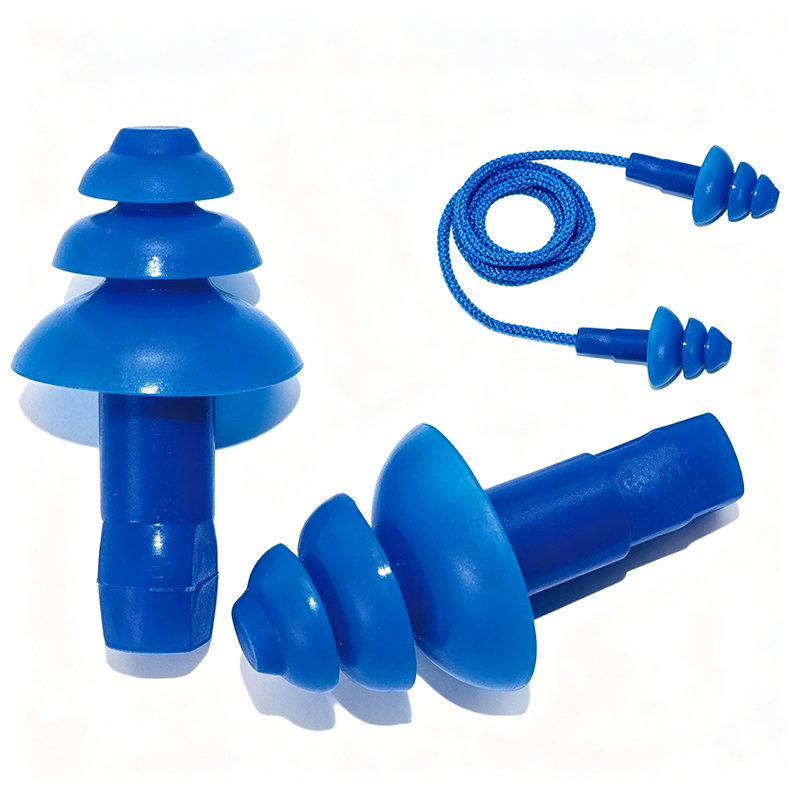
Key Considerations for Noise Reducing Ear Plugs

Get a Free Quote

Our representative will contact you soon.
Email
Mobile/WhatsApp
Name
Company Name
Country
Customer Type
Estimated Order Quantity
MOQ and Free Sample Policy
Message
0/1000

noise reducing ear plugs

Noise reducing ear plugs are essential safety gear designed to protect hearing in noisy environments, particularly in industrial settings. As businesses prioritize worker safety and regulatory compliance, purchasing managers, distributors, and engineers need to understand the key considerations when sourcing these products. This article will guide you through selecting the right noise reducing ear plugs for wholesale, focusing on specifications, sourcing, common issues, and practical solutions to ensure you make informed purchasing decisions.
What to Consider When Choosing Noise Reducing Ear Plugs for Wholesale

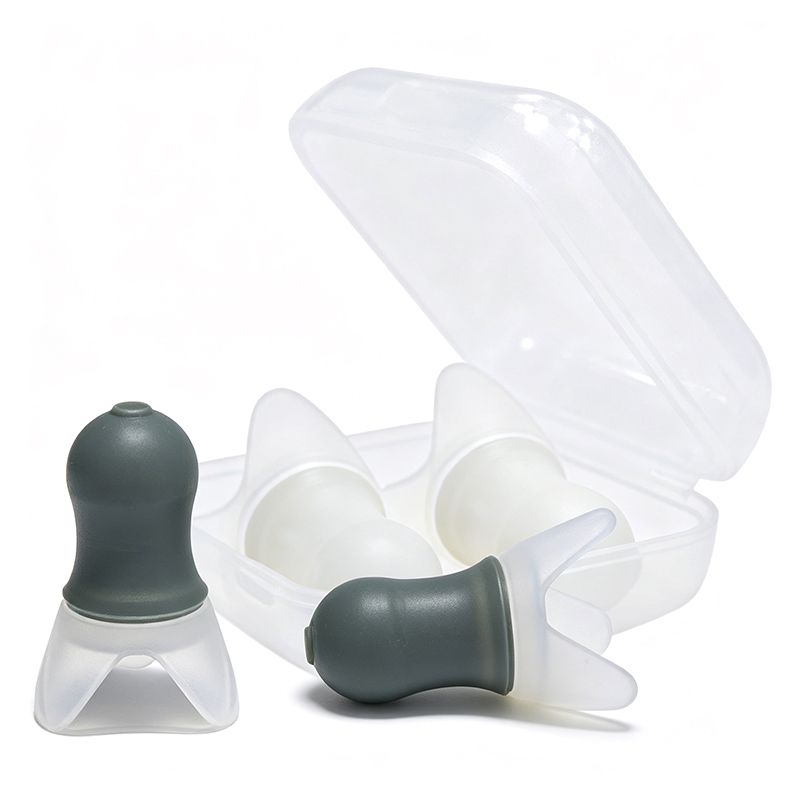
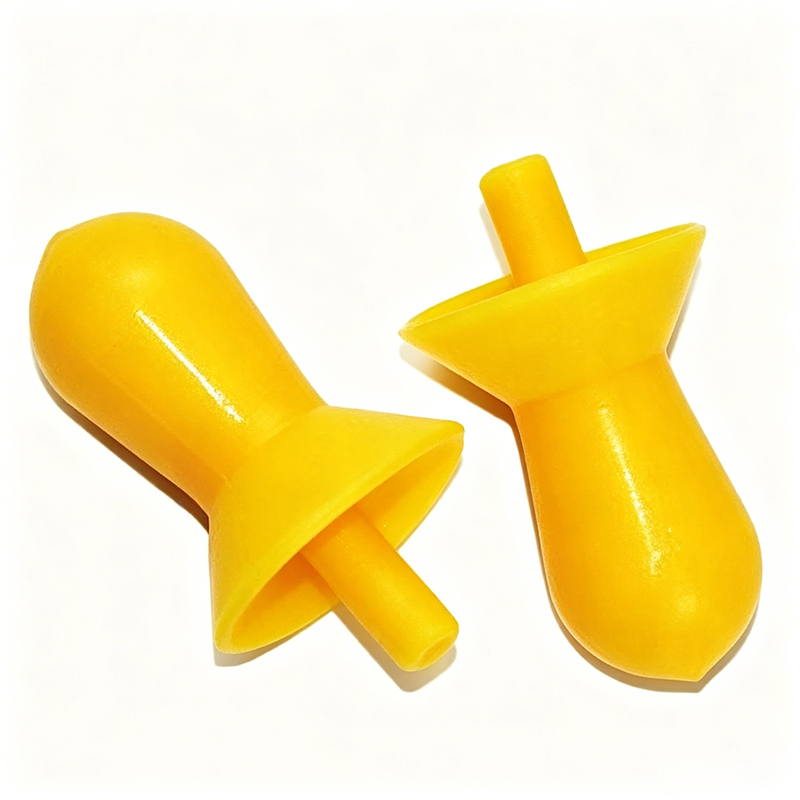
Selecting the right noise reducing ear plugs involves several critical factors. First, consider the Noise Reduction Rating (NRR), which indicates how much sound the ear plugs can block. A higher NRR is essential for environments with intense noise levels, such as manufacturing plants or construction sites.

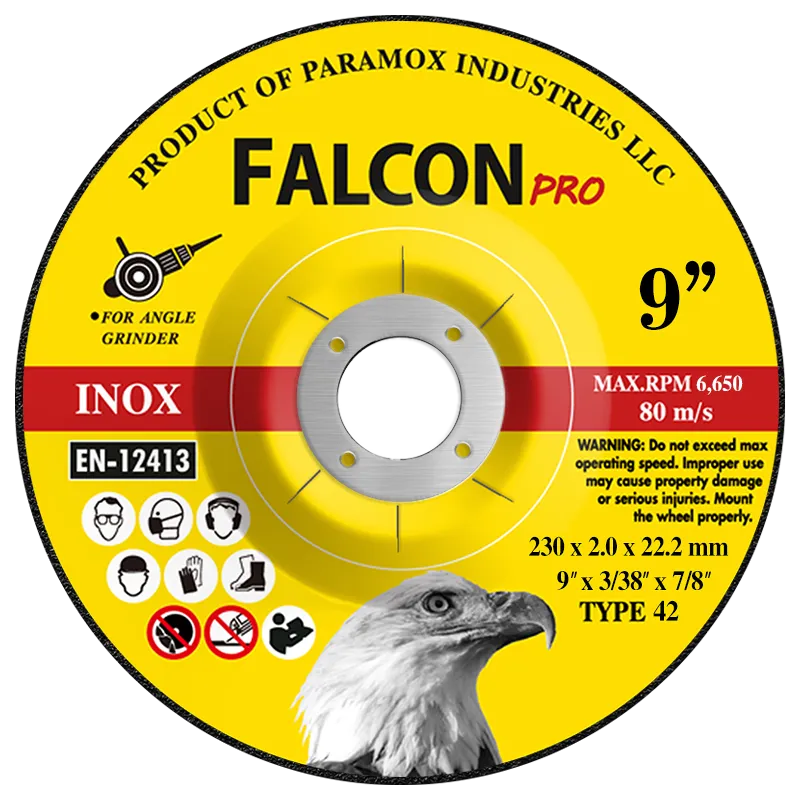
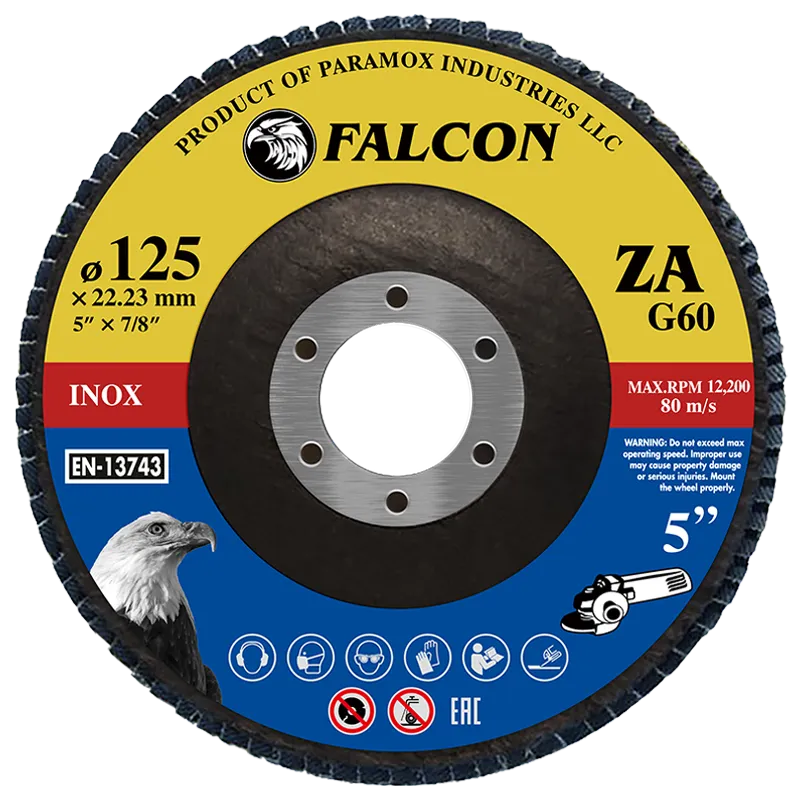
Next, think about the material composition. Foam, silicone, and rubber are common materials, each offering different levels of comfort and efficacy. For instance, foam ear plugs generally provide superior noise reduction, while silicone options offer a more durable and reusable alternative. In addition, when choosing ear plugs, consider using Grinding Discs for Metal to ensure you have the right equipment for your industrial needs.

Additionally, assess the fit and comfort of ear plugs. A proper fit is crucial for effective noise reduction; poorly fitting ear plugs can lead to discomfort and reduced performance. Custom-molded ear plugs may be an option worth exploring, especially for workers who require extended wear.

Lastly, consider any industry-specific requirements or standards that need to be met, such as ANSI or OSHA regulations. Ensuring compliance not only protects your workforce but also helps avoid potential legal ramifications.

Frequently Asked Questions

What noise reduction level do these ear plugs provide?

Our noise reducing ear plugs are engineered to provide significant attenuation for industrial environments, typically reducing noise by 20–35 dB depending on fit and model to protect hearing during grinding and heavy machinery use.
Many of our ear plug models are reusable and made from washable, durable materials. Clean with mild soap and water, dry fully before reuse; replace when damaged or no longer sealing properly.
Designed for extended wear, they use soft, ergonomic materials and tapered shapes to maintain comfort and seal during long industrial shifts while minimizing pressure and fatigue.
Yes. Our ear plugs are low-profile and compatible with helmets, earmuffs, and other protective clothing, allowing simultaneous use without compromising fit or protection.
Select based on measured noise levels, required attenuation, comfort, reusability, and hygiene. Contact our team with your environment details for a recommended model tailored to industrial grinding and fabrication settings.

Our Blog Posts

How to clean a flap disc?

25

Mar

How to clean a flap disc?

Proper cleaning is essential to maintain the performance of flap discs. A flap disc is an accessory fitted to angle grinders for grinding, sanding, and polishing various surfaces. Over time, accumulated dust, dirt, and metal debris will clog the disc...
View More
How to Extend the Lifespan of Your Flap Discs

16

Apr

How to Extend the Lifespan of Your Flap Discs

Flap discs are essential abrasive tools widely used for grinding, blending, polishing, and surface preparation in metalworking applications. Whether used for weld finishing, rust removal, or general surface treatment, a high-quality flap disc can sig...
View More
When to replace cut off wheel

28

Sep

When to replace cut off wheel

Cut-off wheels are essential tools for many applications, particularly in construction and metalworking. They are designed to make clean cuts through hard materials such as metal and concrete. However, cut-off wheels gradually wear with repeated use ...
View More
What Is a Grinding Wheel & What Are Its Types?

07

Aug

What Is a Grinding Wheel & What Are Its Types?

A grinding wheel is a very important tool in lots of industries. It help to shape, grind and polish things like metal, wood or stone. These wheels are round discs make from hard stuff and use with grinder machines. They can be really tough and cut th...
View More

Get a Free Quote

Our representative will contact you soon.
Email
Mobile/WhatsApp
Name
Company Name
Country
Customer Type
Estimated Order Quantity
MOQ and Free Sample Policy
Message
0/1000

Related product categories

Key Specifications of High-Quality Noise Reducing Ear Plugs

Key Specifications of High-Quality Noise Reducing Ear Plugs

When evaluating noise reducing ear plugs, several key specifications should be taken into account to ensure optimal performance:

Noise Reduction Rating (NRR): This specification measures the effectiveness of ear plugs in reducing sound levels. A higher NRR indicates better protection, and it’s essential to match the NRR to the noise levels of the work environment.

Material: The choice of material affects comfort, durability, and noise attenuation. Foam ear plugs are generally disposable and provide excellent noise reduction, while silicone plugs are washable and reusable, offering a more sustainable option.

Size and Shape: Ear plugs come in various sizes and shapes, impacting their ability to create a proper seal in the ear canal. Ensure that the size and design selected cater to the workforce's diverse needs, as a one-size-fits-all approach may not be suitable.

Comfort Features: Look for ear plugs that feature soft materials or innovative designs, such as contoured shapes, to enhance comfort during extended use. Some models may also incorporate features like extra cushioning or ventilation to improve wearability. For specialized applications, consider using Grinding Disc for Inox/stainless steel as part of your safety gear.

Certifications: Verify that the ear plugs meet relevant safety standards and certifications, which may include ANSI, CE, or other industry-specific guidelines. These certifications serve as a benchmark for quality and reliability.

Where to Source Reliable Noise Reducing Ear Plugs for Your Business

Where to Source Reliable Noise Reducing Ear Plugs for Your Business

Sourcing quality noise reducing ear plugs requires a strategic approach. Start by identifying reputable suppliers with a proven track record in manufacturing safety equipment. Look for manufacturers like Falcon Global, which specializes in high-performance safety gear and understands the unique needs of industrial applications.

Consider suppliers who offer customization options, allowing you to tailor the product to meet specific requirements such as packaging, branding, or even specialized materials. Engaging with suppliers who provide samples for testing can also ensure that the chosen ear plugs meet the necessary comfort and performance standards.

Additionally, explore online marketplaces and industry-specific trade shows that showcase safety gear manufacturers. These platforms can provide a wealth of options, allowing you to compare products, prices, and supplier capabilities.

Lastly, prioritize suppliers with robust quality control processes. Understanding their manufacturing capabilities, inspection practices, and commitment to compliance will help ensure that the products you procure are reliable and effective.

Common Problems with Noise Reducing Ear Plugs and Their Solutions

Common Problems with Noise Reducing Ear Plugs and Their Solutions

Despite their effectiveness, users may encounter certain issues with noise reducing ear plugs. Common problems include discomfort, poor fit, and inadequate noise reduction. Here are some potential solutions:

Discomfort: If users report discomfort, consider switching to softer materials or custom-fit ear plugs. Providing different sizes or styles can also help accommodate individual preferences.

Poor Fit: A poor fit can significantly reduce the effectiveness of ear plugs. Encourage users to properly insert the ear plugs according to the manufacturer's instructions. Offering training sessions on correct usage can enhance performance and comfort.

Inadequate Noise Reduction: If the ear plugs do not provide sufficient noise reduction, reassess the NRR specification. Depending on the work environment, you may need to opt for ear plugs with a higher NRR or explore additional hearing protection solutions, such as earmuffs.

Hygiene Issues: Reusable ear plugs may require regular cleaning to maintain hygiene. Providing clear instructions on cleaning and maintenance can prolong the life of the ear plugs and ensure user safety.

Regular feedback from users can help identify these issues early on and guide future purchases, ensuring that you continually meet the needs of your workforce.

An Overview

In summary, sourcing noise reducing ear plugs requires careful consideration of various factors, including NRR, material, fit, and compliance with industry standards. Understanding key specifications and potential problems can help you make informed purchasing decisions that prioritize worker safety and comfort. By partnering with reputable suppliers and prioritizing quality control, businesses can ensure they provide effective hearing protection that meets the demands of industrial applications.

Get a Free Quote

Our representative will contact you soon.
Email
Mobile/WhatsApp
Name
Company Name
Country
Customer Type
Estimated Order Quantity
MOQ and Free Sample Policy
Message
0/1000