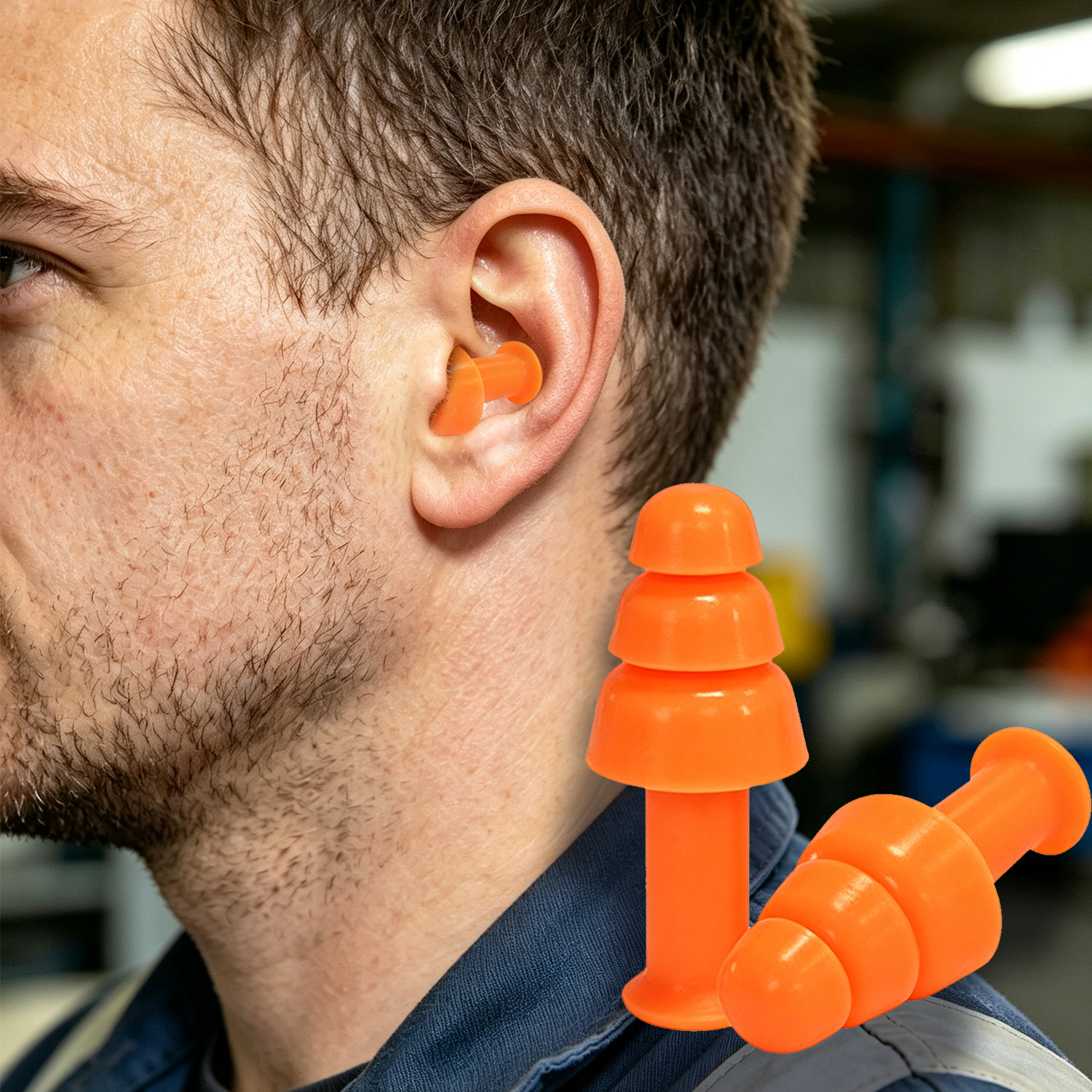
Key Specifications for High-Quality Earplugs

Get a Free Quote

Our representative will contact you soon.
Email
Mobile/WhatsApp
Name
Company Name
Country
Customer Type
Estimated Order Quantity
MOQ and Free Sample Policy
Message
0/1000

earplugs

Earplugs are essential safety devices designed to protect hearing in noisy industrial environments. As a B2B buyer, understanding the specifications and sourcing options for high-quality earplugs can significantly impact workplace safety and employee well-being. This article will offer insights into key specifications to consider, where to purchase earplugs in bulk, reliable wholesale options, and how to find the right fit for your projects, along with cost factors to keep in mind.
Key Specifications to Consider

When selecting earplugs, several specifications are vital for ensuring optimal performance and safety.

Noise Reduction Rating (NRR): The NRR indicates how much noise the earplugs can block. For industrial applications, look for earplugs with an NRR of at least 25 dB to effectively reduce exposure to harmful noise levels.

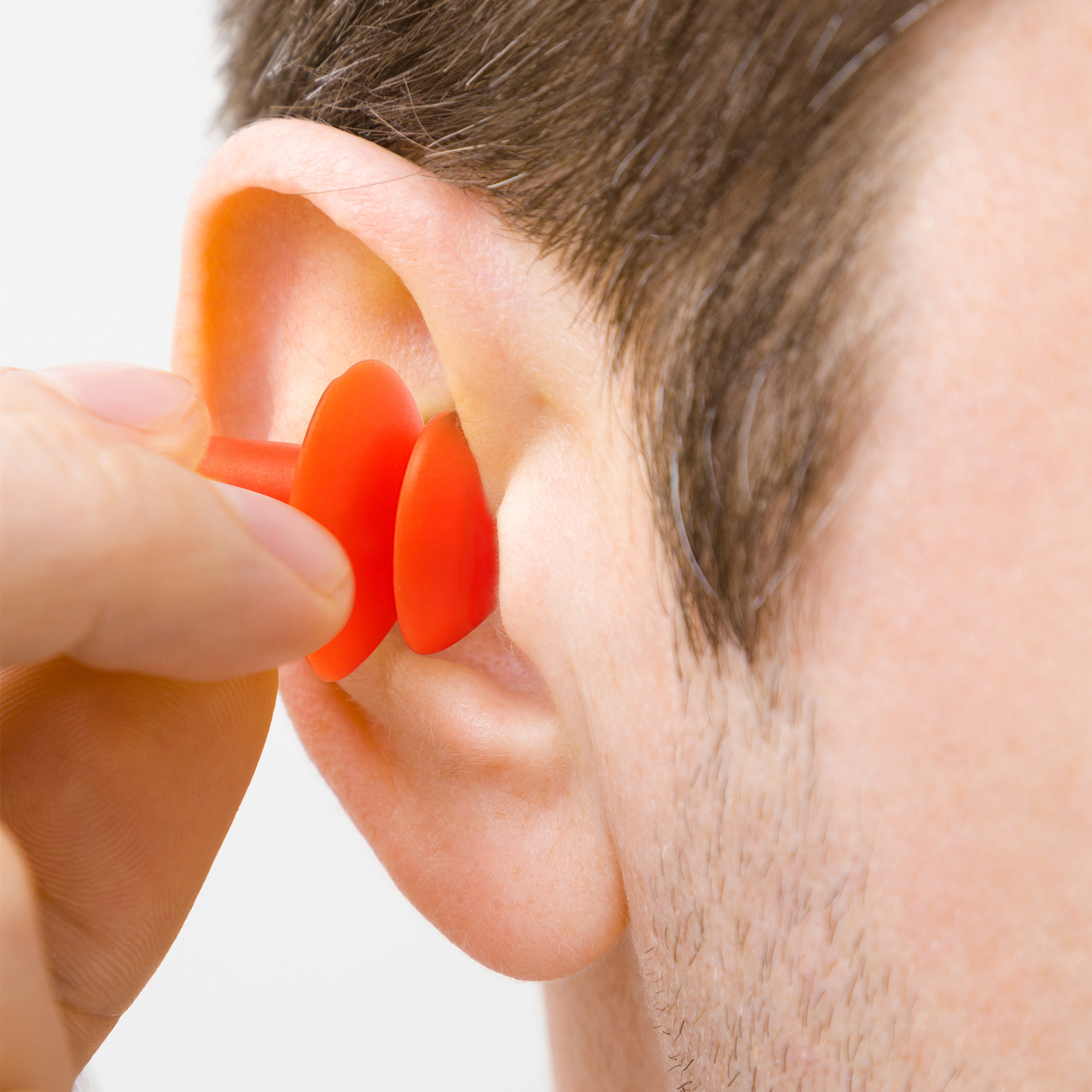
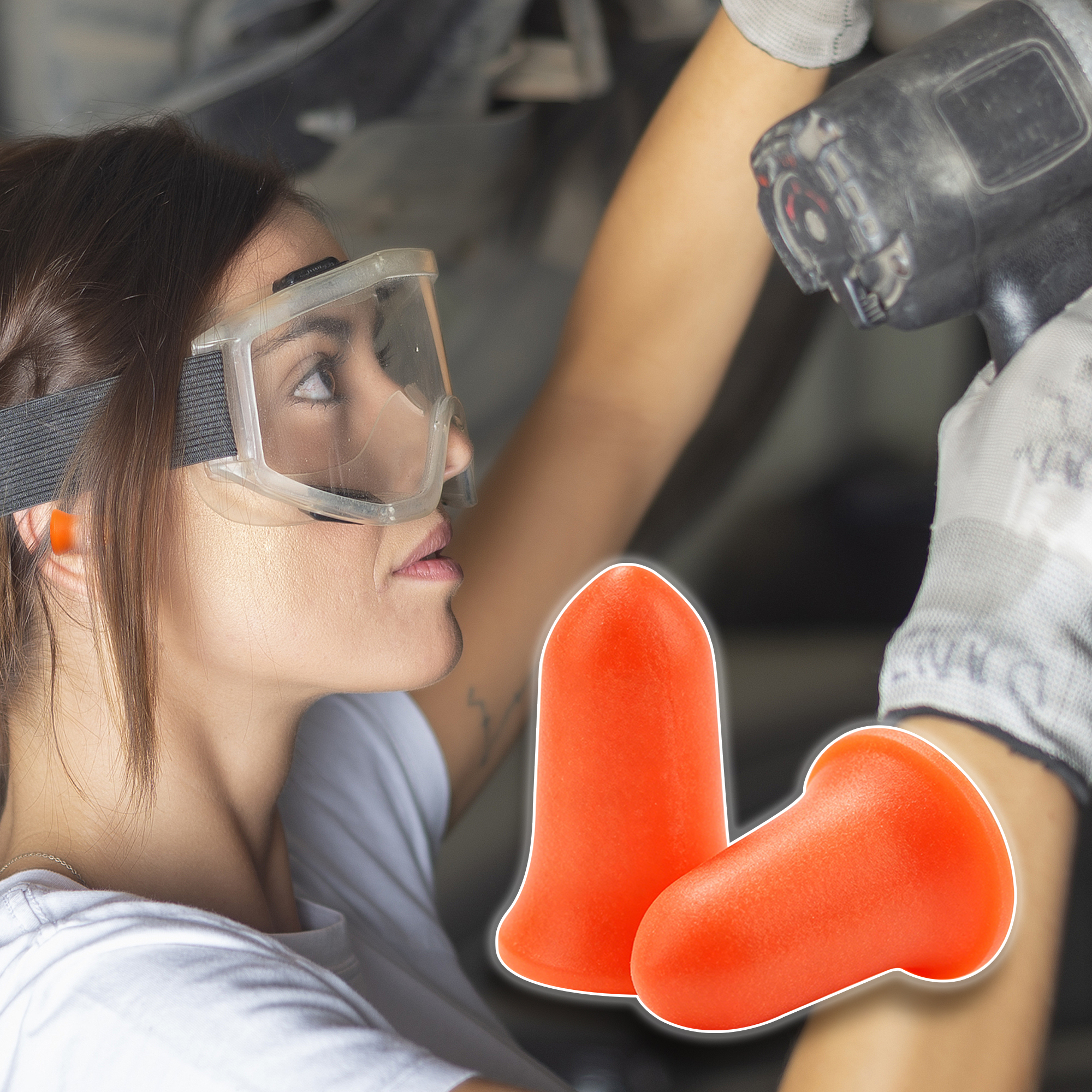
Material: Earplugs are typically made from foam, silicone, or wax. Foam earplugs are soft and moldable, providing a comfortable fit for long periods. Silicone earplugs are reusable and often easier to clean, while wax earplugs offer a snug fit and good sound attenuation. The choice of material affects both comfort and durability.

Design and Fit: The design of earplugs can be cylindrical or tapered. Tapered designs are generally easier to insert and can fit a wider range of ear canal sizes. Ensure that the earplugs you choose provide a secure fit to maximize their noise-reducing capabilities.

Certifications: Look for earplugs that meet safety standards such as ANSI S3.19 or EN352. These certifications ensure that the earplugs have undergone rigorous testing for quality and performance.

Usage Environment: Consider the specific conditions of your work environment when selecting earplugs. For instance, if your team is exposed to moisture or high temperatures, you’ll need earplugs that can withstand these conditions without degrading. Additionally, you might want to explore Safety Gloves that can complement your safety gear.

By evaluating these specifications, you can ensure that the earplugs you choose will effectively protect your team’s hearing while providing comfort during use.

Frequently Asked Questions

What types of earplugs do you offer?

We offer disposable foam, reusable silicone, and custom-molded earplugs designed for industrial noise reduction and comfort during long shifts.
Yes. Our earplugs meet industrial noise attenuation needs and are manufactured to provide reliable protection in grinding and machining environments.
Wash silicone or reusable earplugs with mild soap and water, rinse, air-dry fully, and store in a clean case. Replace if damaged or hygiene cannot be maintained.
Disposable foam earplugs are single-use. Reusable silicone earplugs typically last months with proper care; custom-molded can last years depending on use and maintenance.
Our earplugs reduce harmful noise while preserving speech clarity and warning sounds. Select the appropriate attenuation level for your work environment and compliance needs.

Our Blog Posts

What applications are different types of cut-off wheels suitable for?

22

May

What applications are different types of cut-off wheels suitable for?

Cut-off wheels is important tool for cuting through differents materials. They come in many types which makes them good for lot of tasks. You can see them used in metal work, building sites, and even in home garage. Cut-off wheels made from stuff lik...
View More
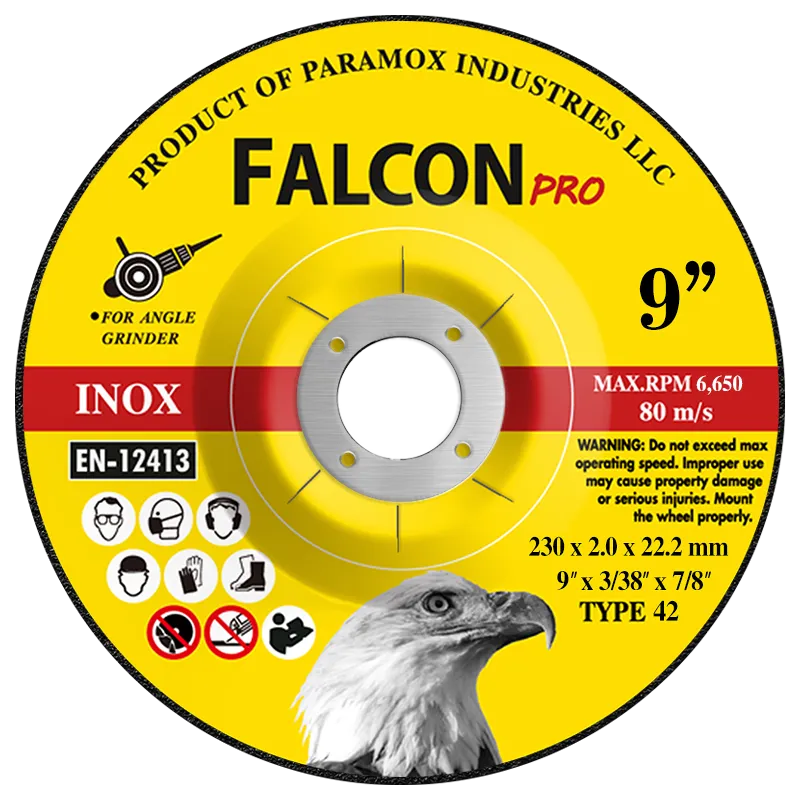
When to replace cut off wheel

28

Sep

When to replace cut off wheel

Cut-off wheels are essential tools for many applications, particularly in construction and metalworking. They are designed to make clean cuts through hard materials such as metal and concrete. However, cut-off wheels gradually wear with repeated use ...
View More
How to Remove a Stuck Grinding Wheel

12

Jun

How to Remove a Stuck Grinding Wheel

Sometimes when you working with machines, the grinding wheel just refuse to move. It can be really annoying, specially if you in hurry to finish job. If this ever happen to you, no need worry too much! With little patience and correct way, you can re...
View More
Class E, G, C Hard Hats: Electrical Safety Ratings

22

Jul

Class E, G, C Hard Hats: Electrical Safety Ratings

Hard hats are really important to keep workers safe, specially in places where things can fall on head or there is electrical danger. At Falcon Global, we understand that picking the correct Hard Hat make big difference. There is Class E, G, and C ha...
View More

Get a Free Quote

Our representative will contact you soon.
Email
Mobile/WhatsApp
Name
Company Name
Country
Customer Type
Estimated Order Quantity
MOQ and Free Sample Policy
Message
0/1000

Related product categories

Where to Purchase High-Quality Earplugs in Bulk

Where to Purchase High-Quality Earplugs in Bulk

When sourcing earplugs in bulk, it's crucial to identify suppliers who can provide high-quality products consistently. Here are several avenues for purchasing earplugs:

Direct from Manufacturers: Sourcing earplugs directly from manufacturers like Falcon Global/Tools Safety can often yield better pricing and customized options. Manufacturers typically offer bulk pricing and can provide insights into product specifications and performance.

Industrial Supply Distributors: Many industrial supply companies specialize in safety equipment and can offer a variety of earplug options. Distributors often have established relationships with manufacturers, enabling them to provide competitive pricing and quick delivery.

Online Marketplaces: Websites like Amazon Business or Alibaba can be useful for finding bulk earplugs. However, ensure that the suppliers are reputable and that the products meet necessary safety certifications.

Local Safety Equipment Suppliers: Depending on your location, local suppliers may provide the advantage of reduced shipping costs and faster delivery. Building a relationship with a local supplier can also facilitate quicker response times for reorders.

When purchasing, always request samples to confirm comfort and effectiveness before committing to a large order.

Wholesale Options for Reliable Earplug Suppliers

Wholesale Options for Reliable Earplug Suppliers

Finding reliable wholesale suppliers for earplugs is essential for maintaining safety standards at an economical price. Here are some tips for identifying trustworthy suppliers:

Research Supplier Background: Investigate suppliers' backgrounds, including their manufacturing processes, quality control measures, and industry reputation. Look for reviews or testimonials from other B2B customers.

Evaluate Product Variety: A supplier offering a range of earplug options will allow you to choose the most suitable products for your specific requirements. Consider suppliers who can provide both disposable and reusable options.

Check for Certifications: Ensure that the suppliers provide earplugs that meet recognized safety standards. This not only ensures product quality but also protects your organization from potential liability issues.

Inquire About Customization: Some suppliers might offer customization options, such as branding or specific features tailored to your industry. This can enhance employee compliance with safety protocols. Additionally, consider exploring Other Products / Custom Requirements that may benefit your operations.

Compare Pricing and Terms: Obtain quotes from multiple suppliers to compare pricing structures. Pay attention to terms of service, including returns, warranties, and delivery timelines, which can affect your overall purchasing experience.

By conducting thorough research and comparing options, you can find reliable wholesale suppliers who meet your earplug needs.

Finding the Right Fit for Your Projec

Finding the Right Fit for Your Projec

Selecting the right earplugs for your project involves considering the specific needs of your workforce, including comfort, fit, and application. Here are steps to ensure you make the right choice:

Assess Work Environment: Analyze the noise levels and types of tasks your employees will be undertaking. For example, workers in high-noise environments may require earplugs with higher NRR ratings.

Pilot Testing: Before making a bulk purchase, conduct a pilot test with a small group of employees. Provide different types of earplugs and gather feedback on comfort and effectiveness.

Consult with Experts: Engage with safety professionals or occupational health specialists for recommendations on earplug types suitable for your industry. They can provide insights into best practices for hearing conservation.

Consider User Preferences: Employee comfort is paramount for compliance. Gather feedback on preferred styles and materials to ensure buy-in from your team.

Regular Reassessment: As workplace conditions or tasks change, revisit your earplug selection to ensure it continues to meet safety requirements.

By focusing on fit and comfort, you can enhance employee compliance with safety measures and protect their hearing more effectively.

Cost Factors to Consider When Sourcing Earplugs for Your Team

Understanding the cost factors associated with sourcing earplugs can help you make informed purchasing decisions. Here are key considerations:

Unit Price: The initial price per pair of earplugs can vary significantly based on material and design. While it may be tempting to choose the cheapest option, consider the long-term value regarding comfort and durability.

Bulk Discounts: Many suppliers offer discounts for bulk orders. Be sure to inquire about pricing tiers based on quantity, as this can significantly reduce your overall costs.

Shipping and Handling: Factor in shipping costs, especially if you are ordering large quantities. Some suppliers may offer free shipping for orders over a certain amount.

Replacement and Maintenance Costs: Consider the lifespan of the earplugs. Disposable earplugs may have lower upfront costs, but the frequency of replacement can add up over time. Reusable options may have a higher initial cost but can be more economical in the long run if properly maintained.

Training and Compliance Costs: Investing in earplugs is only part of the equation. Consider the costs associated with training employees on proper usage and the importance of hearing protection to ensure compliance with safety regulations.

By considering these cost factors, you can develop a budget that allows for effective hearing conservation measures while maintaining overall safety in your workplace.

Get a Free Quote

Our representative will contact you soon.
Email
Mobile/WhatsApp
Name
Company Name
Country
Customer Type
Estimated Order Quantity
MOQ and Free Sample Policy
Message
0/1000