Essential Guide to Noise Cancelling Earplugs

Get a Free Quote

Our representative will contact you soon.
Email
Mobile/WhatsApp
Name
Company Name
Country
Customer Type
Estimated Order Quantity
MOQ and Free Sample Policy
Message
0/1000

noise cancelling earplug

Noise cancelling earplugs are essential safety gear designed to minimize exposure to harmful noise in industrial environments. For B2B buyers, particularly purchasing managers, safety officers, and engineers, selecting the right pair can significantly impact workforce health and productivity. This article will delve into key aspects of noise cancelling earplugs, including installation guidance, common issues, and essential considerations to ensure informed purchasing decisions.
What You Need to Know

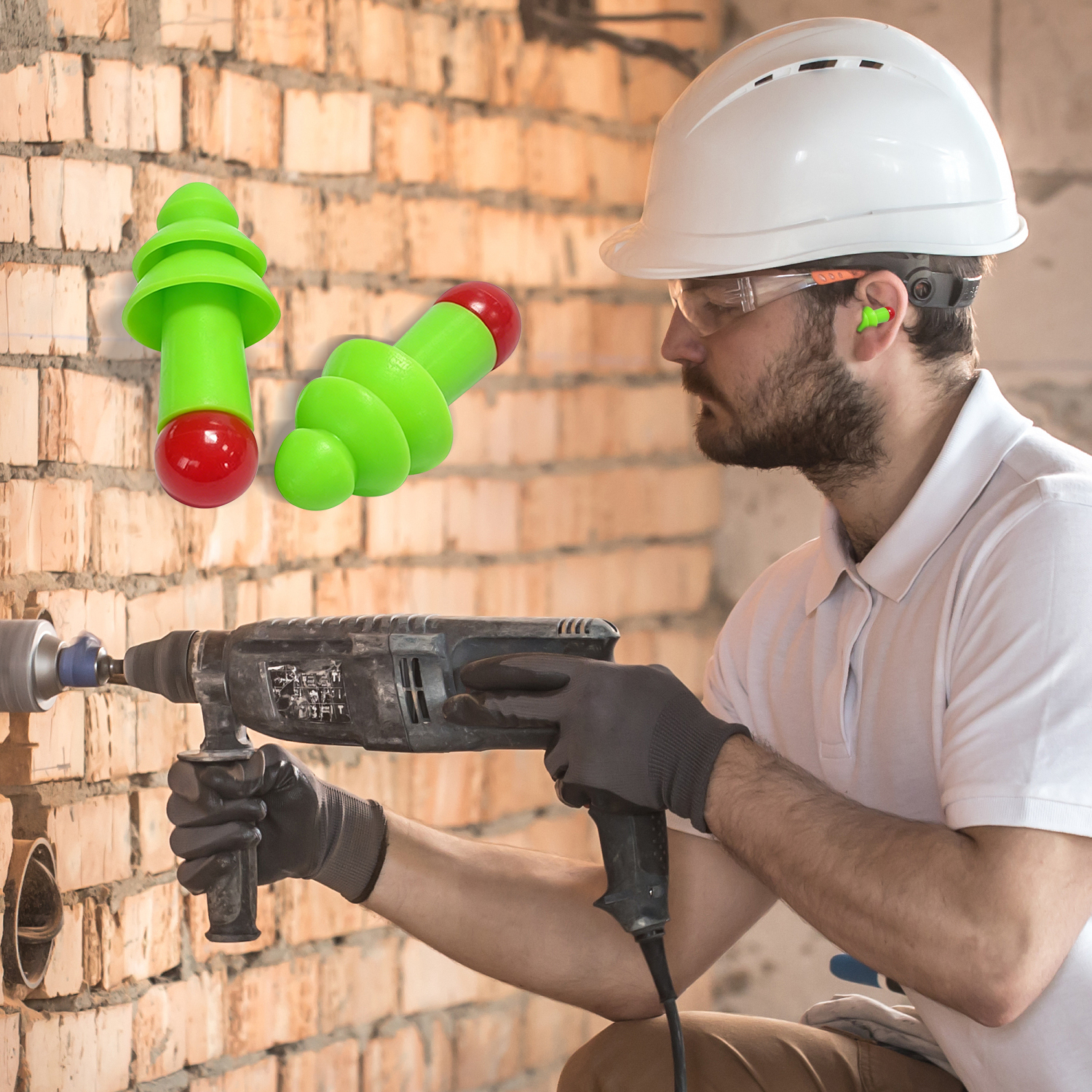
Noise cancelling earplugs utilize various technologies to reduce ambient noise levels, which can be crucial in industrial settings where machinery produces high decibel levels. Key specifications to consider when evaluating these earplugs include Noise Reduction Rating (NRR), material composition, and comfort fit. Safety gloves are also an important part of personal protective equipment (PPE) that should be considered alongside earplugs.

Noise Reduction Rating (NRR): This measure indicates how much noise the earplugs can block. An NRR of 25 dB means that the earplugs can reduce noise exposure by that amount, which is critical for environments exceeding 85 dB, the threshold for potential hearing damage.

Material Composition: Common materials include foam, silicone, and custom-molded options. Foam earplugs offer comfort and affordability, while silicone provides durability and reusability. Additionally, protective workwear complements earplugs by ensuring overall safety in the workplace.

Comfort Fit: A proper fit ensures effective noise reduction and wearer comfort. Consider the shape and size of the earplugs, especially if they will be worn for extended periods.

Understanding these aspects aids in selecting earplugs that meet safety and comfort requirements, ultimately protecting workers' hearing in demanding environments.

Frequently Asked Questions

What noise reduction rating do the earplugs provide?

Our noise cancelling earplugs offer high attenuation suitable for industrial settings, reducing noise to safe levels. Exact NRR/dB values vary by model—contact us for specific specifications for your application.
We offer both reusable and disposable options. Reusable models are durable, cleanable, and designed for multiple uses; disposable models provide single-use hygiene for shift-based work environments.
Clean reusable earplugs with mild soap and water, rinse, air dry, and store in a protective case. Avoid harsh chemicals or heat to preserve noise cancelling materials and ensure long service life.
Yes. Designed for industrial use, they feature ergonomic shapes and soft materials to minimize pressure and discomfort during extended wear while maintaining effective noise reduction.
Our earplugs are produced with advanced manufacturing and comply with relevant industrial safety standards. We can provide certification and test data for specific models upon request.

Our Blog Posts

How to Extend the Lifespan of Your Flap Discs

16

Apr

How to Extend the Lifespan of Your Flap Discs

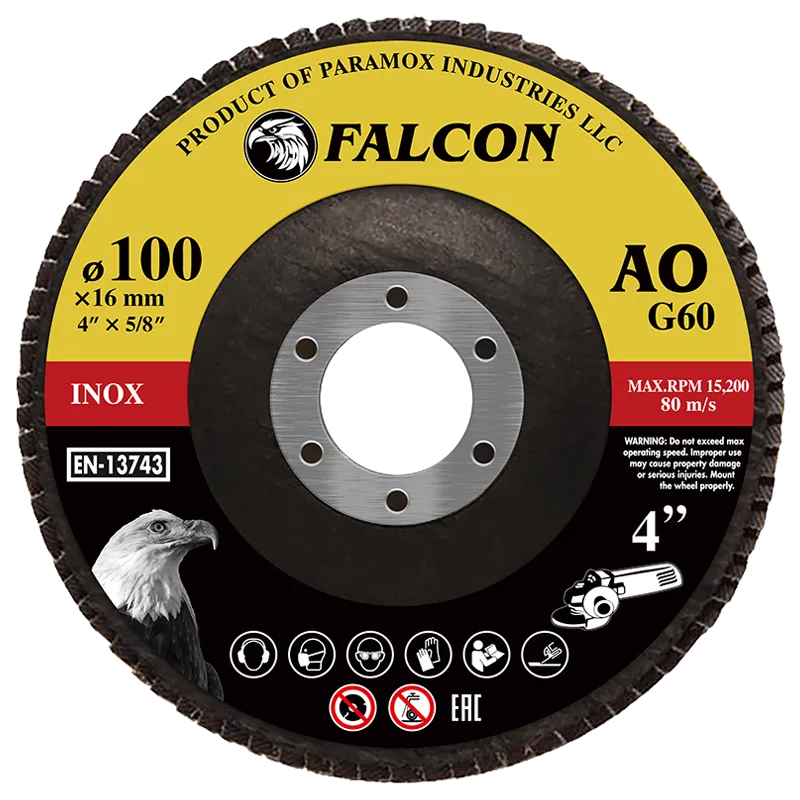
Flap discs are essential abrasive tools widely used for grinding, blending, polishing, and surface preparation in metalworking applications. Whether used for weld finishing, rust removal, or general surface treatment, a high-quality flap disc can sig...
View More
Can You Use a Cut Off Wheel on Aluminum?

08

Oct

Can You Use a Cut Off Wheel on Aluminum?

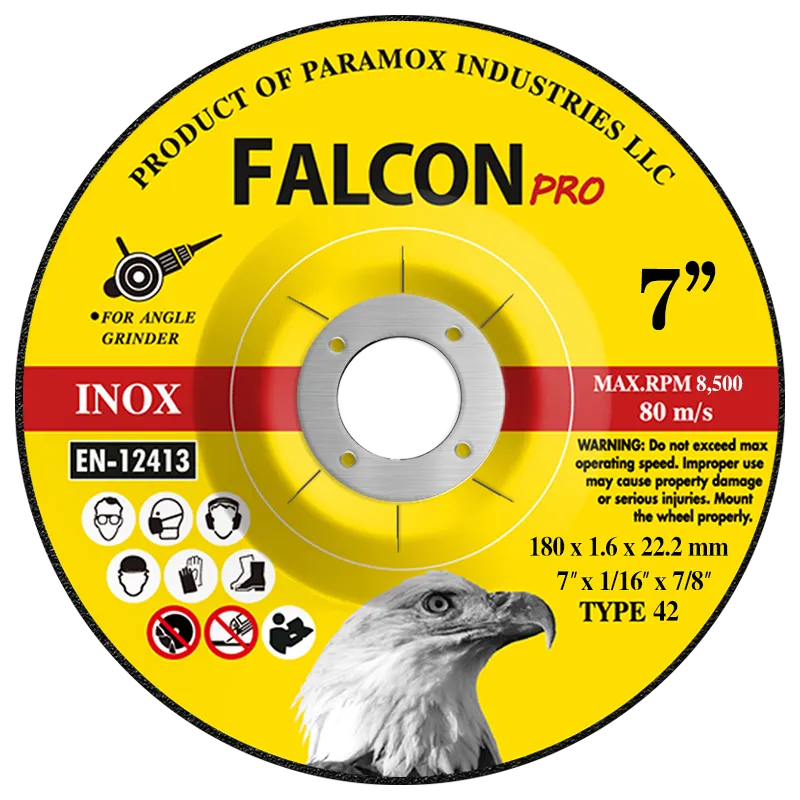
When processing metals, selecting suitable power-tool accessories is essential, and the cut-off wheel is one of the most widely-used options. These abrasive discs work across multiple materials, yet many users question whether they deliver safe, high...
View More
How to Extend the Lifespan of Your Cut Off Wheels

11

Oct

How to Extend the Lifespan of Your Cut Off Wheels

Cut-off wheels are essential abrasive tools for industrial cutting applications. They are widely used for cutting metal, concrete, stone, and other hard materials. However, wheel selection and operating methods have a direct impact on cutting perform...
View More
What types of hard hats are there?

23

May

What types of hard hats are there?

Hard hats are very important safety thing in many work places, like construction areas, factories and warehouses. They protect workers head from injuries by falling objects, bumps or even electric shocks. There is different types of hard hats made fo...
View More

Get a Free Quote

Our representative will contact you soon.
Email
Mobile/WhatsApp
Name
Company Name
Country
Customer Type
Estimated Order Quantity
MOQ and Free Sample Policy
Message
0/1000

Related product categories

Installation Guidance for Noise Cancelling Earplugs in Industrial Settings

Installation Guidance for Noise Cancelling Earplugs in Industrial Settings

Proper installation of noise cancelling earplugs is crucial for maximizing their effectiveness. Here’s a straightforward guide for ensuring a secure fit:

Preparation: Before insertion, clean hands thoroughly to avoid contaminating the earplugs. Inspect the earplugs for any visible damage.

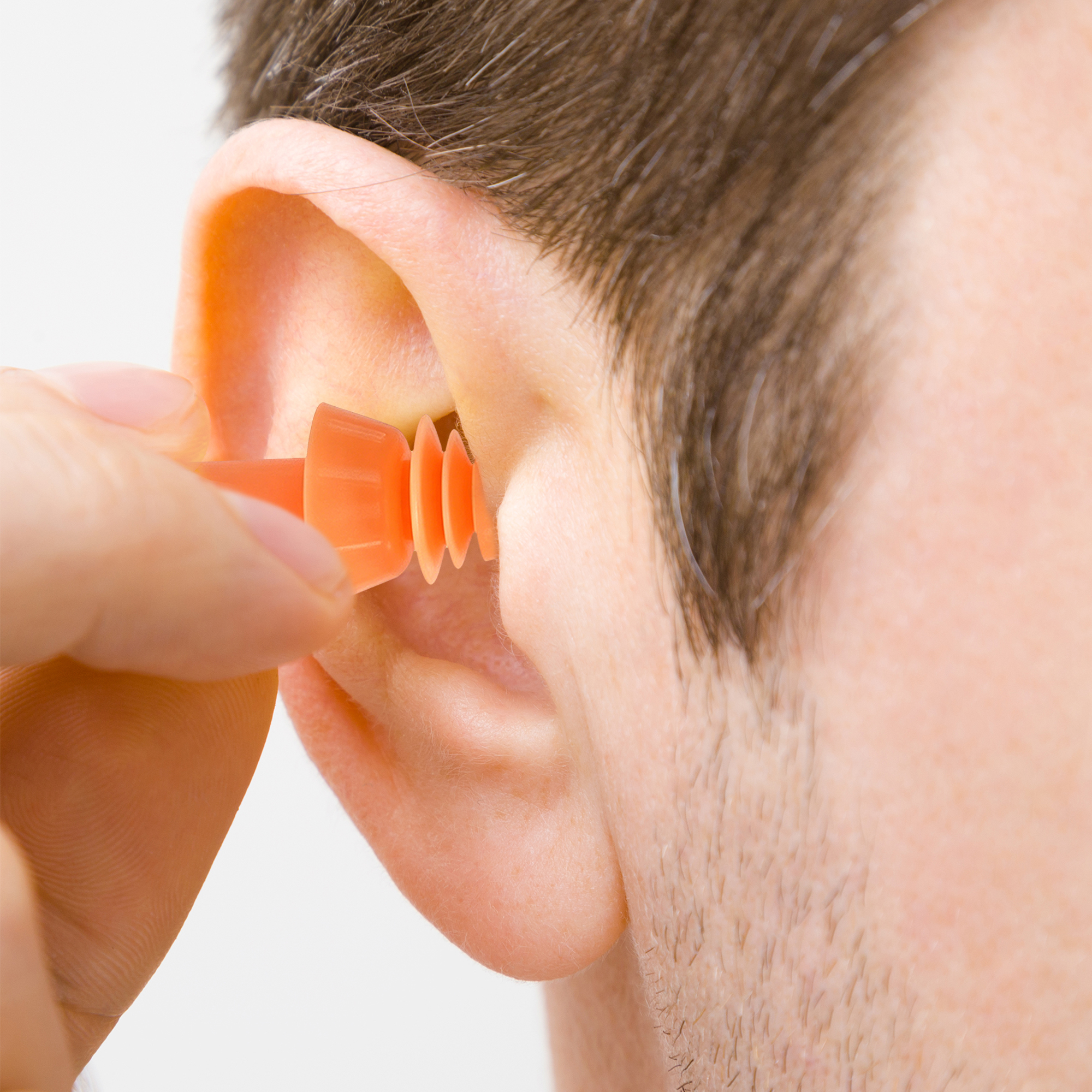
Insertion Technique: For foam earplugs, roll the plug into a thin cylinder and gently insert it into the ear canal. Hold it in place until it expands to fill the ear canal. For silicone or custom-molded earplugs, ensure they are positioned snugly but comfortably without causing discomfort.

Testing Fit: After insertion, perform a simple noise check—try to speak at a normal volume. If you can hear your voice clearly, the earplugs may not be fitted correctly. Adjust as necessary to ensure maximum noise reduction.

Regular Checks: In industrial settings, regular checks should be conducted to ensure earplugs are correctly worn, especially in high-noise areas. Training staff on proper use and installation can help maintain compliance with safety standards.

Adhering to these guidelines can enhance the effectiveness of noise cancelling earplugs and ensure continuous protection for employees in noisy environments.

Common Problems with Noise Cancelling Earplugs and Effective Solutions

Common Problems with Noise Cancelling Earplugs and Effective Solutions

Despite their effectiveness, users may experience issues with noise cancelling earplugs. Here are some common problems and their solutions:

Discomfort: Some users may find earplugs uncomfortable, particularly if worn for long durations. Solution: Consider different materials or styles. Custom-molded earplugs can provide a tailored fit that enhances comfort.

Poor Noise Isolation: If noise levels are not adequately reduced, it could indicate improper fitting. Solution: Reassess the insertion technique and ensure the earplugs are the correct size. For persistent issues, consult with a supplier about higher-rated earplugs.

Durability: Foam earplugs can wear out quickly, leading to reduced noise protection. Solution: Opt for reusable silicone or custom options that can withstand multiple uses without losing effectiveness.

Hygiene: Reusable earplugs may accumulate dirt and bacteria. Solution: Implement a cleaning protocol and encourage regular replacement of foam earplugs to maintain hygiene standards.

Awareness of these common challenges allows for proactive measures to ensure that employees are protected and comfortable while operating in noisy industrial environments.

Key Considerations

Key Considerations

When purchasing noise cancelling earplugs, several key factors should be evaluated:

Compliance with Regulations: Ensure the earplugs meet industry standards, such as ANSI or EN certifications, which dictate performance criteria for hearing protection devices.

Customization Options: Assess if customization is necessary for your workforce. Custom-molded earplugs may offer superior comfort and fit, especially for employees who frequently work in high-noise environments.

Cost vs. Quality: While it may be tempting to choose lower-cost options, consider the long-term implications of quality. Investing in higher-quality earplugs can lead to better protection and fewer health-related costs down the line.

Supplier Reliability: Evaluate potential suppliers based on their production capabilities, quality control processes, and responsiveness to inquiries. A reliable supplier, like FALCON GLOBAL / TOOLS SAFETY, can provide valuable insights into the most appropriate earplug options for specific applications.

Bulk Purchasing and Pricing: Understand minimum order quantities (MOQ) and pricing structures to optimize your purchasing strategy. Inquire about bulk discounts or long-term contracts for consistent supply.

Taking these considerations into account can streamline the purchasing process and ensure that the selected products meet both safety and budgetary requirements.

Why It Matters for Noise Cancelling Earplug Purchases

Choosing the right noise cancelling earplugs is not merely about compliance; it directly impacts worker health and productivity. Hearing loss is irreversible, and ensuring that employees have access to effective hearing protection is a legal and ethical responsibility for employers.

Additionally, effective noise cancellation contributes to a safer work environment, potentially reducing accidents caused by miscommunication in noisy settings. Investing in quality earplugs can also enhance employee morale and satisfaction, as they feel valued and protected.

Ultimately, prioritizing noise cancelling earplugs in your safety program is a proactive step toward fostering a culture of health and safety within your organization. By considering the specifications, installation guidelines, common issues, and key purchasing factors outlined, B2B buyers can make informed decisions that benefit their workforce and align with industry standards.

Get a Free Quote

Our representative will contact you soon.
Email
Mobile/WhatsApp
Name
Company Name
Country
Customer Type
Estimated Order Quantity
MOQ and Free Sample Policy
Message
0/1000