Choosing Hearing Protection Ear Plugs for Safety

Get a Free Quote

Our representative will contact you soon.
Email
Mobile/WhatsApp
Name
Company Name
Country
Customer Type
Estimated Order Quantity
MOQ and Free Sample Policy
Message
0/1000

hearing protection ear plugs

Hearing protection ear plugs are essential safety gear designed to reduce the risk of hearing damage in loud industrial environments. For B2B buyers, understanding the right type of ear plugs, their specifications, and their applications is crucial in making informed purchasing decisions. This article will cover how to choose the right hearing protection ear plugs for your industry needs, identify reliable suppliers, compare product features, provide installation guidance, and explore various industrial applications.
Choosing the Right Hearing Protection Ear Plugs for Your Industry Needs

Selecting the appropriate hearing protection ear plugs involves considering several factors specific to your industry. First, assess the noise levels in your work environment, often measured in decibels (dB). Ear plugs are rated based on their Noise Reduction Rating (NRR), which indicates how much sound they can block. For environments exceeding 85 dB, ear plugs with a higher NRR are essential to ensure adequate protection.

Next, consider the comfort and fit of the ear plugs. Custom-fitted options may be more suitable for workers who wear them for extended periods, as they provide a better seal and comfort. Additionally, assess the materials used in the ear plugs; soft foam or silicone options offer varying levels of comfort and durability. For instance, foam ear plugs are often disposable and suitable for short-term use, while silicone variants can be reused and offer better longevity. You might also explore Silicone Earplugs (FY-911) for a durable and comfortable option.

Lastly, consider any additional features that may be beneficial for your specific application, such as reusable designs, filters for sound clarity, or compatibility with other personal protective equipment (PPE).

Frequently Asked Questions

What noise reduction do these ear plugs provide?

Our hearing protection ear plugs offer high noise reduction suitable for industrial settings, typically providing significant decibel attenuation to protect hearing during grinding, cutting, and heavy machinery operation.
We offer both reusable and disposable ear plug options. Reusable models are cleanable and durable for repeated use; disposable versions are single-use for convenience and hygiene in industrial environments.
Ear plugs are made from hypoallergenic, soft foam or silicone materials engineered for comfort and effective sealing, suitable for prolonged wear during industrial tasks like grinding and metalworking.
Clean reusable ear plugs with mild soap and water, rinse thoroughly, air dry, and store in a clean case. Inspect regularly for wear and replace if damaged or deformed to maintain protection.
Yes. Our hearing protection ear plugs are manufactured to meet relevant industrial safety and performance standards, designed to complement our protective clothing and footwear for comprehensive workplace safety.

Our Blog Posts

How to Select High-Performance Cut Off Wheels for Industrial Use

05

Sep

How to Select High-Performance Cut Off Wheels for Industrial Use

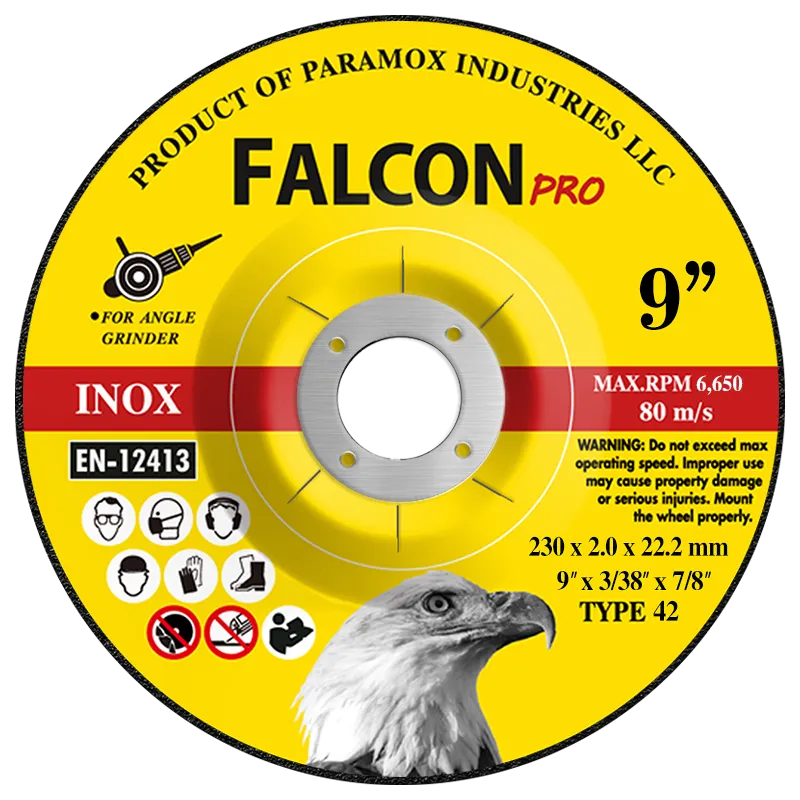
Selecting the right high-performance cut-off wheels for industrial applications is a critical decision. Cut-off wheels are essential industrial consumables widely used for cutting metal, stainless steel and other hard materials. Choosing a suitable c...
View More
What Is a Fiber Disc & How Does It Work?

29

Jul

What Is a Fiber Disc & How Does It Work?

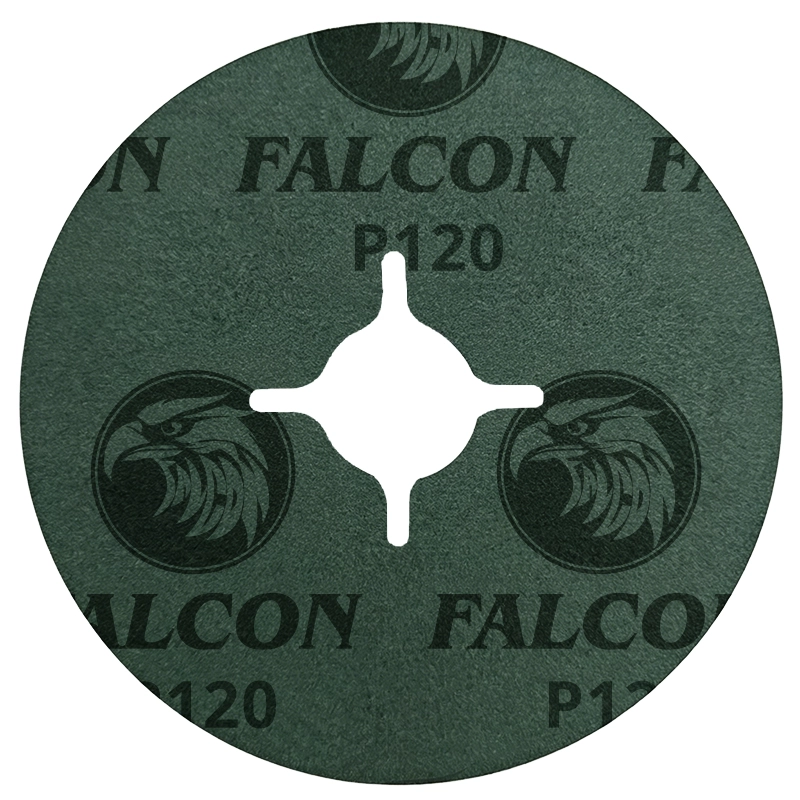
Fiber discs are really important tools in lots of industries, specially manufacturing and construction. They made from strong stuff and good for sanding, grinding, or polishing surfaces. You put them on machine, they spin fast and smooth rough edges ...
View More
Diamond vs CBN Grinding Wheels: Which to Choose?

17

Jun

Diamond vs CBN Grinding Wheels: Which to Choose?

When it comes to grinding wheels, there is two main kinds: diamond and CBN wheels. Each one got its own good points and bad points, and picking the right one depend on what material you working with. Falcon Global sell both diamond and CBN grinding w...
View More
Class E, G, C Hard Hats: Electrical Safety Ratings

22

Jul

Class E, G, C Hard Hats: Electrical Safety Ratings

Hard hats are really important to keep workers safe, specially in places where things can fall on head or there is electrical danger. At Falcon Global, we understand that picking the correct Hard Hat make big difference. There is Class E, G, and C ha...
View More

Get a Free Quote

Our representative will contact you soon.
Email
Mobile/WhatsApp
Name
Company Name
Country
Customer Type
Estimated Order Quantity
MOQ and Free Sample Policy
Message
0/1000

Related product categories

Where to Find Reliable Suppliers for Hearing Protection Ear Plugs

Where to Find Reliable Suppliers for Hearing Protection Ear Plugs

Finding reliable suppliers for hearing protection ear plugs involves evaluating several key factors. Start by seeking manufacturers with a solid reputation in the safety gear industry. Look for suppliers that provide detailed product specifications, certifications, and quality assurance processes, as these demonstrate their commitment to safety and reliability.

Industry trade shows and safety expos can be valuable venues for connecting with reputable suppliers. They allow you to meet manufacturers face-to-face, inspect their products, and discuss your specific needs. Online B2B marketplaces and directories can also help locate suppliers, but it’s vital to verify their credibility through customer reviews and industry references.

Additionally, consider seeking suppliers who provide customization options, allowing you to tailor the ear plugs according to your specific requirements. This can include variations in size, color, or added features based on the unique conditions of your operational environment.

How to Compare Hearing Protection Ear Plugs for Maximum Safety

How to Compare Hearing Protection Ear Plugs for Maximum Safety

When comparing hearing protection ear plugs, focus on several critical aspects to ensure maximum safety. Begin by examining the NRR of each product. A higher NRR indicates a greater level of sound attenuation; however, it’s also essential to balance protection with comfort, especially in noisy environments where ear plugs will be worn for extended periods.

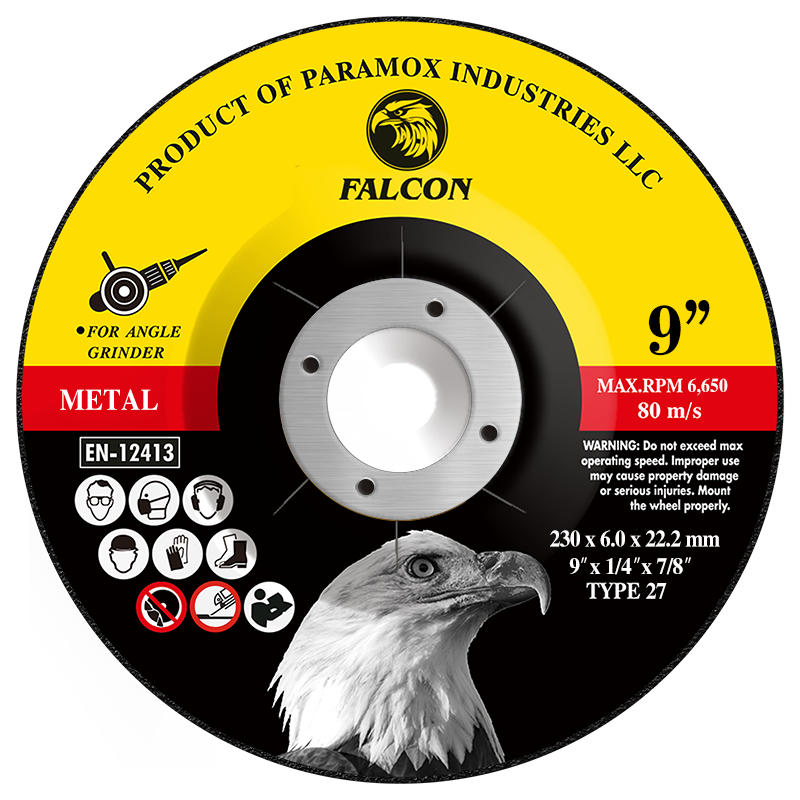
Material selection plays a crucial role in both comfort and effectiveness. Foam ear plugs are often less expensive and suitable for disposable use, but they may not provide the same level of durability as silicone or custom-molded options. Evaluate the performance of the materials in terms of moisture resistance, ease of cleaning, and overall lifespan. For heavy-duty applications, consider Grinding Discs for Metal as a complement to ear protection in noisy environments.

Additionally, consider the ease of use and fitting. Some ear plugs come with instructional guides or training videos to help users achieve the best fit. Comparing user feedback on comfort and effectiveness can provide insight into how different products perform in real-world scenarios.

Finally, take into account supplier warranties and return policies, which can provide valuable assurance about the quality and performance of the ear plugs.

Installation Guidance for Effective Use of Hearing Protection Ear Plugs

Installation Guidance for Effective Use of Hearing Protection Ear Plugs

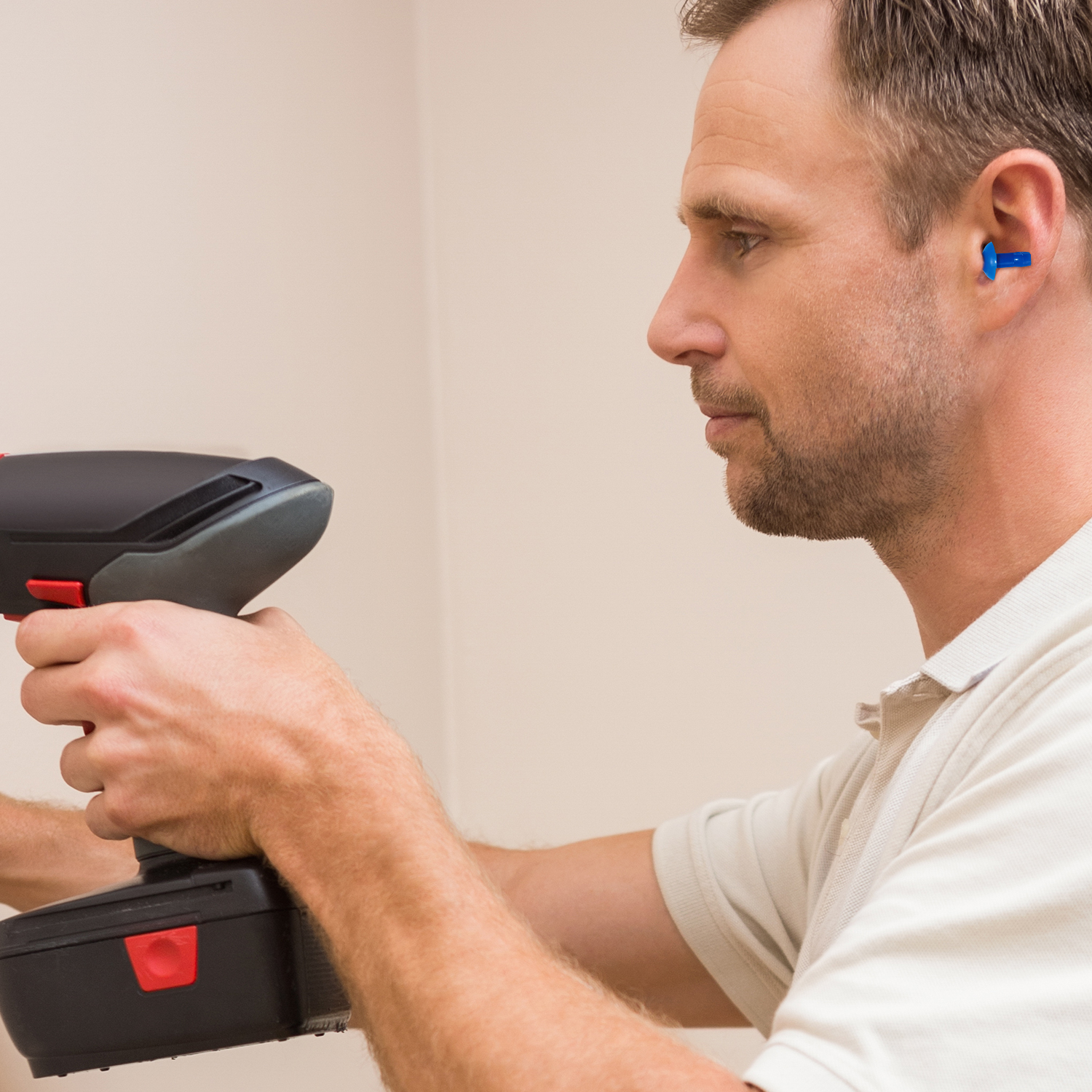
Proper installation and use of hearing protection ear plugs are critical for achieving maximum effectiveness. For foam ear plugs, start by rolling the plug into a tight cylinder and gently inserting it into the ear canal, allowing it to expand once in place. Ensure that the plugs fit snugly but comfortably without causing pain or discomfort. Users should practice inserting ear plugs before entering noisy environments to ensure they are familiar with the process.

For reusable ear plugs, clean them according to the manufacturer’s guidelines to maintain hygiene and performance. Check for signs of wear, such as cracks or loss of elasticity, as these can significantly impact effectiveness. If the ear plugs do not create a proper seal, they may not provide adequate protection, so it's essential to regularly inspect and replace them as needed.

Training sessions on the importance of ear plug use and proper fitting techniques can also enhance safety in the workplace. This proactive approach not only protects employees’ hearing but also fosters a culture of safety within the organization.

Applications of Hearing Protection Ear Plugs in Various Industrial Settings

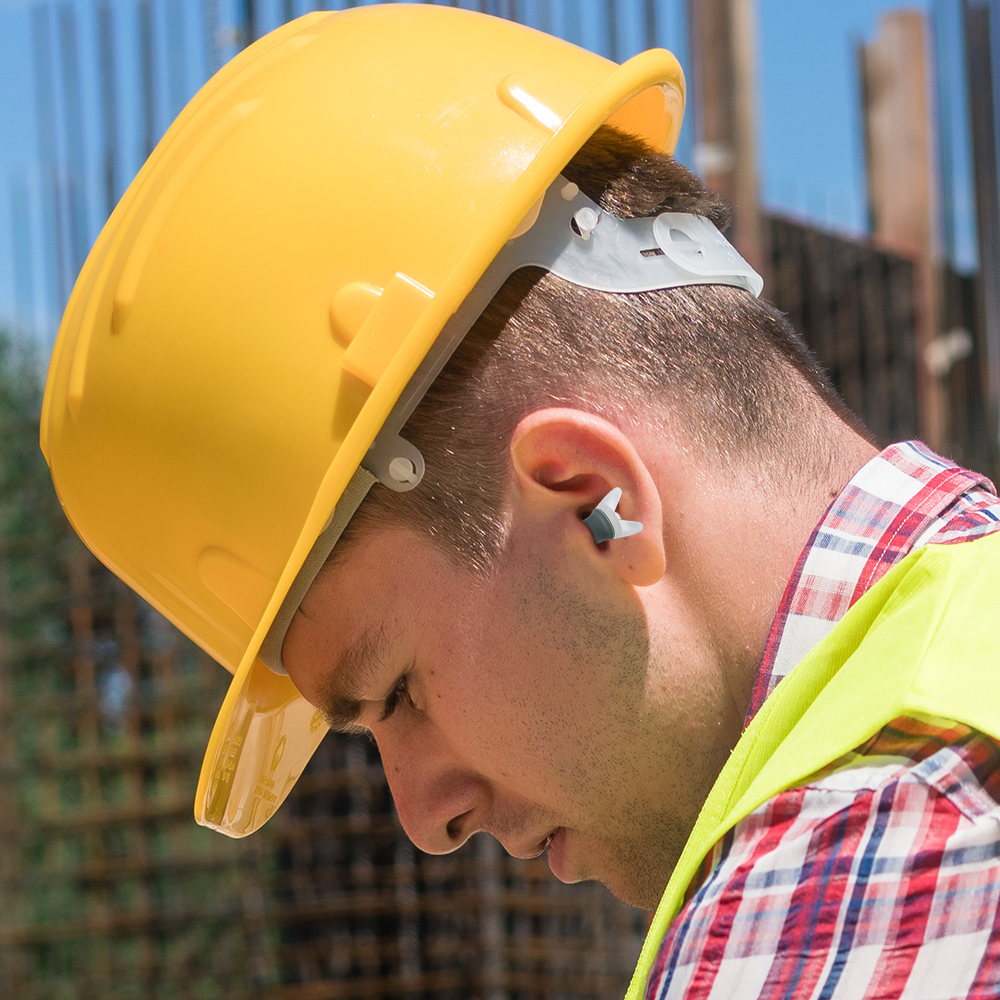
Hearing protection ear plugs find applications across a range of industrial settings, each with unique noise challenges. In construction sites, where machinery and tools create loud environments, ear plugs are essential for protecting workers from prolonged exposure to high dB levels. Similarly, manufacturing facilities often have continuous machinery noise, making ear plugs a critical component of safety gear.

In the mining industry, workers face hazardous noise from drilling and other heavy equipment, necessitating high-performance ear plugs to safeguard their hearing. Additionally, in sectors like aviation and transportation, where noise exposure can occur during specific operations, ear plugs are crucial for maintaining worker health.

Moreover, in the healthcare sector, ear plugs are used in environments with high noise levels, such as operating rooms or emergency departments, to protect both staff and patients. Custom solutions may be required here, offering a blend of comfort and sound attenuation tailored to the specific needs of medical professionals.

By understanding the diverse applications and settings where hearing protection ear plugs are necessary, buyers can make informed choices that enhance safety and compliance in their respective industries.

Get a Free Quote

Our representative will contact you soon.
Email
Mobile/WhatsApp
Name
Company Name
Country
Customer Type
Estimated Order Quantity
MOQ and Free Sample Policy
Message
0/1000