 EN
EN

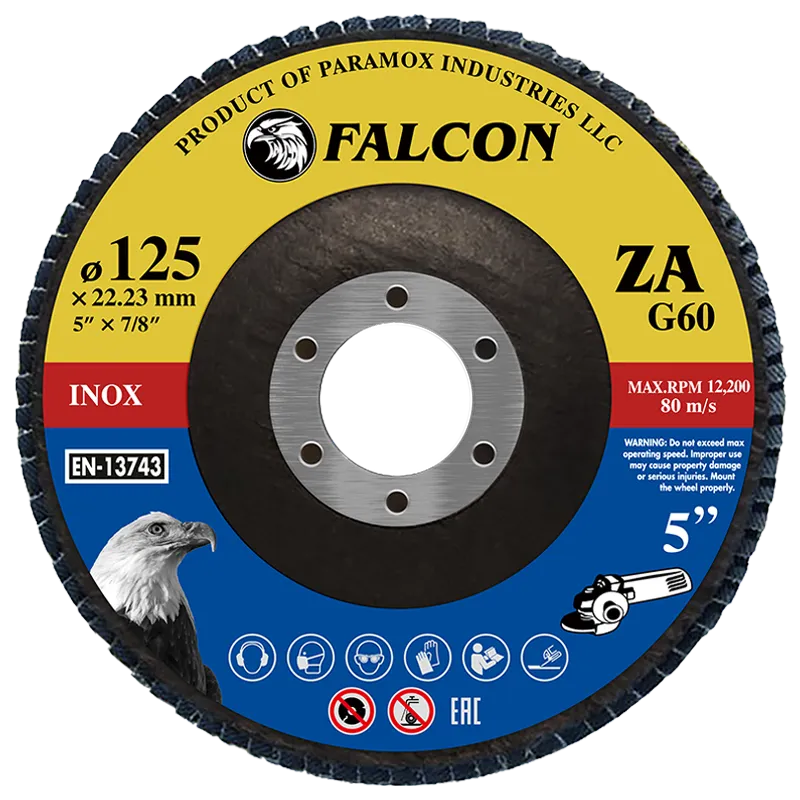
Proper cleaning is essential to maintain the performance of flap discs. A flap disc is an accessory fitted to angle grinders for grinding, sanding, and polishing various surfaces. Over time, accumulated dust, dirt, and metal debris will clog the disc, reducing its working efficiency and even causing premature damage. Regular cleaning effectively extends its service life and ensures optimal operation.
Falcon believes routine tool maintenance is fundamental to achieving superior workmanship. This guide covers practical cleaning methods, common operational faults, and effective tips to prolong flap disc service life.
Common Operational Issues & Solutions
Most flap disc malfunctions stem from improper operation. Excessive heat is a frequent problem that accelerates wear, usually caused by applying excessive pressure during processing. Operators should apply moderate pressure and let the tool do the work to avoid overheating.
Clogging is another typical fault where residues stick to abrasive flaps and hinder cutting performance. You can gently tap the disc against a hard surface to shake off debris, or use a soft wire brush to remove contaminants without damaging the disc surface.
Reduced grinding performance often results from a mismatched rotating speed. Always follow the manufacturer's specifications to set the correct operating speed. Improper installation leads to abnormal vibration and uneven wear. Ensure the disc is firmly mounted on the grinder before use. Stop operation promptly and adjust your operating method or inspect the equipment once faults occur. Correct operation minimizes failures and keeps flap discs working steadily.
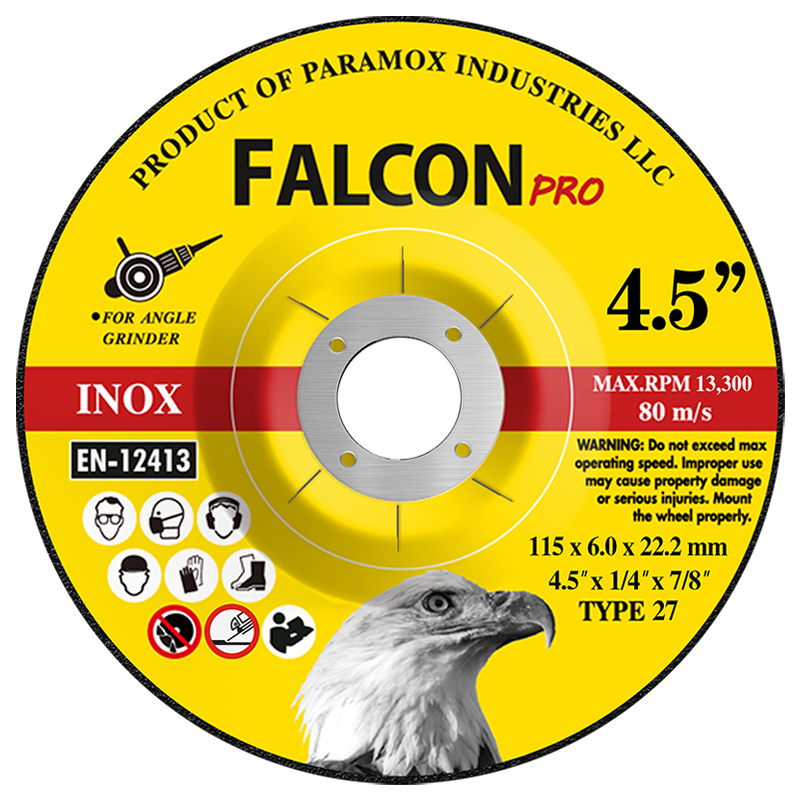
Extend Service Life via Standard Cleaning
Simple daily cleaning greatly boosts flap disc durability. Use a stiff brush to sweep away surface residue right after use. Heavily soiled discs can be rinsed with water and completely dried before storage. Avoid harsh chemical cleaners, as they may damage abrasive materials. An air compressor is ideal for blowing off stubborn metal shavings.
Proper storage also matters greatly. Store discs in a dry place to prevent rust formation, and avoid placing heavy objects on top to prevent deformation. Keep track of service cycles and replace discs promptly once performance declines. Regular cleaning and careful storage maximize the utility of flap discs for all processing tasks.
Signs Indicating Necessary Cleaning
Flap discs gradually accumulate dirt after continuous use, and recognizing the signs that cleaning is needed helps maintain stable performance. Visible dust and grime on the disc surface are obvious signs. Clean discs always maintain a neat and smooth appearance.
Increased grinding and polishing time also indicates that the disc needs cleaning. A dull, faded appearance and increased grinding resistance are other noticeable signs. Operational noise also serves as a useful indicator—abnormal sounds usually mean heavy contamination. Long-term use without cleaning also calls for timely maintenance. Frequent inspection and cleaning keep flap discs in excellent working condition.
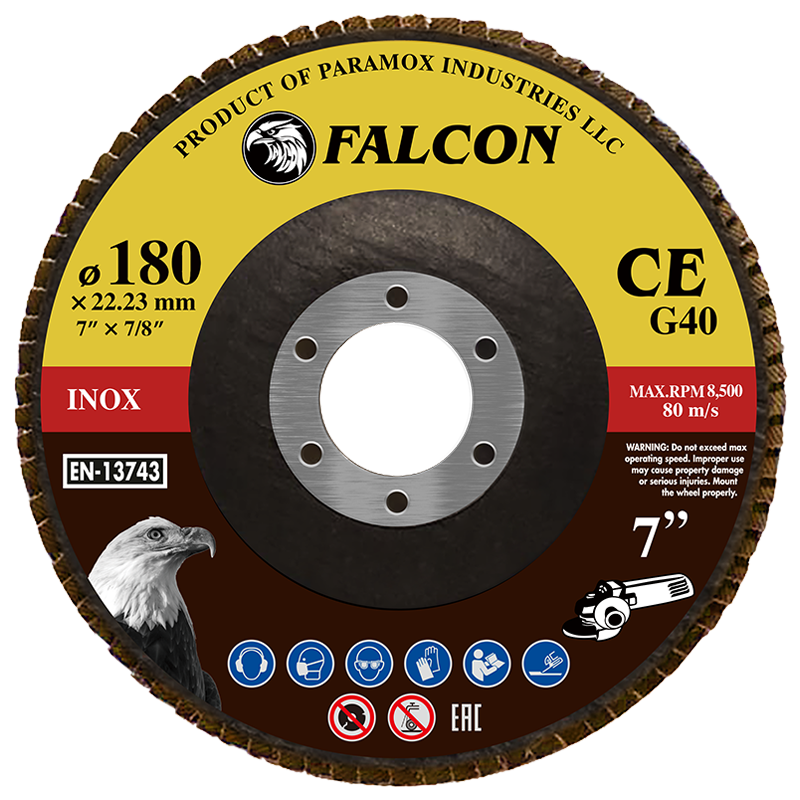
Bulk Purchase of Easy-to-Clean Flap Discs
Bulk purchasing reduces long-term costs and ensures sufficient spare accessories. Falcon supplies premium flap discs featuring reliable performance and easy-to-clean features. You can purchase suitable products through the official website or physical stores.
Select products made with anti-fouling materials that resist dirt buildup. Choose specifications compatible with your angle grinder, and consult professional staff if you have any questions about product selection. Pick flap discs designed for specific materials, such as dedicated models for metal or wood, to reduce cleaning frequency and save labor costs. Store bulk quantities in a dry place away from direct sunlight to preserve product quality, ensuring the discs remain in excellent condition and ready for use whenever needed.
Common Cleaning Mistakes to Avoid
Improper cleaning methods may damage flap discs. Never use coarse cleaning tools, which can easily scratch and damage the abrasive flaps. Soft brushes and cloths are recommended for gentle cleaning.
Avoid excessive cleaning. Frequent scrubbing wears down abrasive materials and shortens the service life. Only clean the disc when obvious contamination is present. Complete drying is mandatory before storage. Wet discs are more likely to develop mold or rust on their metal components, which can permanently affect product quality.
Discs with severe wear cannot recover their performance even after cleaning, and timely replacement is necessary. Follow Falcon's standardized maintenance recommendations to keep flap discs clean, intact, and highly functional.